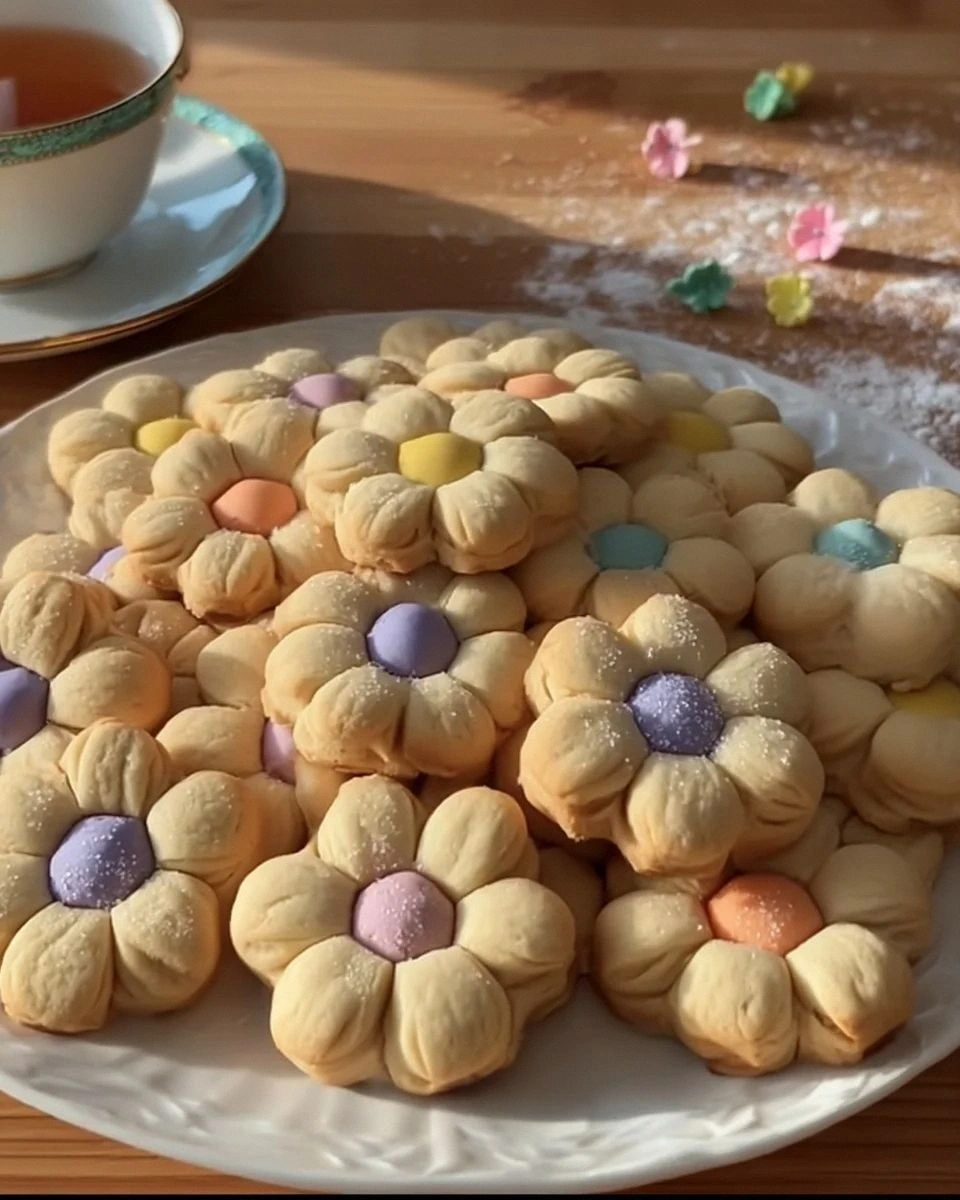
I still remember the day my neighbor's five-year-old marched up to me with a fistful of dandelions and declared, "These belong in cookies!" I laughed, patted her head, and promptly forgot about it—until three weeks later when spring exploded across the farmers' market and I found myself staring at edible violas, roses, and pansies like I'd discovered a secret garden hiding in plain sight. One bite of those first experimental petals folded into buttery shortbread and I was gone, hook, line, and butter-churn. The cookies tasted like someone had pressed April sunshine into a crumbly square and then added just enough sugar to make it legal. That night I ate half the batch standing over the sink, petals sticking to my lips like edible confetti, swearing I'd never bother with regular shortbread again.
Here's the thing: most floral desserts taste like soap left too long in Grandma's guest bathroom. They're either so timid you need a magnifying glass to notice, or so aggressive you feel like you just French-kissed a perfume counter. This version hits the sweet spot—delicately floral, buttery-rich, and studded with petals that stay vibrant even after baking. The secret lies in treating the flowers like the delicate flavor agents they are, not flashy Instagram décor. We're talking whisper-soft hints of rose, the gentlest nod to lavender, and a texture so tender it shatters like thin ice under your teeth before melting into pure spring nostalgia.
If you've ever struggled with shortbread that spreads into sad puddles or emerges tasting like sugared cardboard, you're not alone—and I've got the fix. This recipe is the result of three years of obsessive springtime testing, burnt edges, and one memorable incident involving a smoke alarm and a very judgmental cat. The method is foolproof, the ingredient list short enough to memorize, and the payoff so stunning you'll find yourself volunteering to bring dessert to every gathering for the rest of the season. Picture yourself pulling a tray of golden squares from the oven, the kitchen perfumed with butter and faint floral perfume, your friends hovering like bees around a blossom. Let me walk you through every single step—by the end, you'll wonder how you ever made it any other way.
What Makes This Version Stand Out
Petals That Keep Their Poise: Most recipes murder flowers in a 400-degree oven, leaving brown, bitter flecks. We flash-dry and sugar-coat them first, so they stay jewel-bright and crisp, like stained glass in cookie form.
Triple-Butter Bang: I dare you to taste this and not go back for seconds. Browned butter for nutty depth, cultured butter for tang, and a final brush of melted butter post-bake for gloss you can see your reflection in.
Crumb That Sings: We're using a 2:1 ratio of flour to cornstarch, which gives you those classic shortbread fissures—crispy edges that shatter like thin ice, centers that dissolve on your tongue like snowflakes.
Make-Ahead Magic: The dough freezes like a dream. Slice off what you need, bake from frozen, and still get bakery-level lift. Future you is already thanking present you.
Crowd Shock Factor: Bring these to a brunch and watch adults turn into curious kids again, nibbling petals with delighted suspicion. They're conversation starters disguised as dessert.
Seasonal Showstopper: While everyone else shows up with grocery-store sugar cookies, you're unboxing edible spring. The colors shift with whatever blooms you find—pansy purple one week, rose blush the next.
Beginner-Proof: No stand mixer, no chilling marathon, no rolling pin wrestling. If you can press Play-Doh into a mold, you can nail this recipe on the first try.
Inside the Ingredient List
The Flavor Base
Good European-style butter clocks in at 82–84 percent fat, compared to the paltry 80 percent in standard American sticks. That extra fat translates into cookies so tender they practically sigh when you bite them. Cultured butter adds a gentle tang reminiscent of fresh cream left to bloom overnight, which plays beautifully against the floral notes. If you can only find regular butter, bump up the salt a pinch and add a whisper of buttermilk powder for complexity. Whatever you do, skip the margarine—your petals deserve better than oily impostors.
The Texture Crew
Rice flour is the covert operative here, sneaking in to deliver that signature shortbread sandiness without making the dough brittle. Cornstarch works in a pinch, but rice flour melts on the tongue like powdered snow, leaving zero pasty residue. Powdered sugar rather than granulated ensures a smooth, even crumb—think velvet instead of beach sand. If you're gluten-free, swap the all-purpose for a mild blend that includes xanthan gum; the cookies will spread an extra millimeter but still shatter like glass at first bite.
The Unexpected Star
Edible flowers are having a moment, but not all blooms are created equal. Violas and pansies bring a faint wintergreen note, rose petals taste like subtle fruit, and lavender can veer into soap territory if you overdo it. Buy from reputable growers—no roadside exhaust bouquet specials—and always taste a petal first. If it's bitter going in, it'll be bitter going out. The best petals feel slightly leathery between your fingers, not limp or bruised, and they should smell like the air after a spring rain, not a department store elevator.
The Final Flourish
A whisper of citrus zest brightens the floral bouquet without stealing the show. I use organic Meyer lemon because it's softer than Eureka, but orange blossom water works if you want to double down on blooms. Vanilla bean paste adds those gorgeous flecks that make people ask, "What is that?"—in the best way possible. Skip imitation vanilla; the fake stuff tastes like sadness and will flatten all the delicate flavors you've coaxed this far.
The Method — Step by Step
- Start by browning the butter because patience here pays in flavor dividends. Dice it first so it melts evenly, then swirl over medium heat until the milk solids toast to hazelnut brown and the aroma hits you like warm toffee. Pour immediately into a shallow metal bowl—this stops carryover cooking that can tip you into burnt territory. Let it cool until it's opaque but still spreadable, about the consistency of peanut butter left out on a mild day. Stick your finger in; if you can hold it there for five seconds without yelping, you're golden.
- While the butter mellows, prep your petals. Rinse quickly under cool water, then blot like you're handling antique silk. Too much moisture and they'll steam into brown mush in the oven. Toss with superfine sugar in a small bowl; the grains act like microscopic armor, keeping the colors jewel-bright. Set aside the prettiest petals for garnish and roughly tear the rest into confetti. Your kitchen should start smelling like a garden after a sun-shower.
- In a separate bowl, whisk together the flour, rice flour, powdered sugar, and salt until the mixture looks like fresh snow. This pre-blend prevents pockets of starch that bake into chalky lumps. Add the citrus zest now so the oils can perfume every molecule. If you've ever bitten into shortbread that tastes like raw flour, it's because this step was skipped—don't be that baker.
- Okay, ready for the game-changer? Combine cooled browned butter with the vanilla and, if you're using it, a drop—seriously, a single drop—of rose water. Too much and you'll feel like you're eating potpourri. Stir until the butter lightens a shade; that's air sneaking in and promising tender crumbs later. The mixture should look like beach sand that's just a little too wet to build castles.
- Pour the butter mixture into the dry ingredients and fold with a silicone spatula. The dough will seem impossibly crumbly at first, like it could never hold together. Resist the urge to add liquid; instead, press and smear against the bowl's side—the warmth of your hand finishes the job. After about thirty seconds it clumps like damp sand ready for a mold. If you've ever struggled with shortbread that slumps, this is where you win.
- Turn the shaggy mass onto a sheet of parchment. Press into a rough rectangle, then top with a second sheet and roll to just under half an inch thick. Peel back the top paper, scatter your sugared petals over the surface, and give them a gentle press so they embed but don't disappear. The goal is a mosaic of color, not a buried treasure hunt.
- Slide the slab, parchment and all, onto a baking sheet and chill fifteen minutes. This quick set prevents spreading and gives the flour time to hydrate so your cookies won't crumble into expensive dust. While it rests, preheat your oven to 325°F (160°C) with the rack in the center. Lower and slower is the secret to even browning without burnt edges.
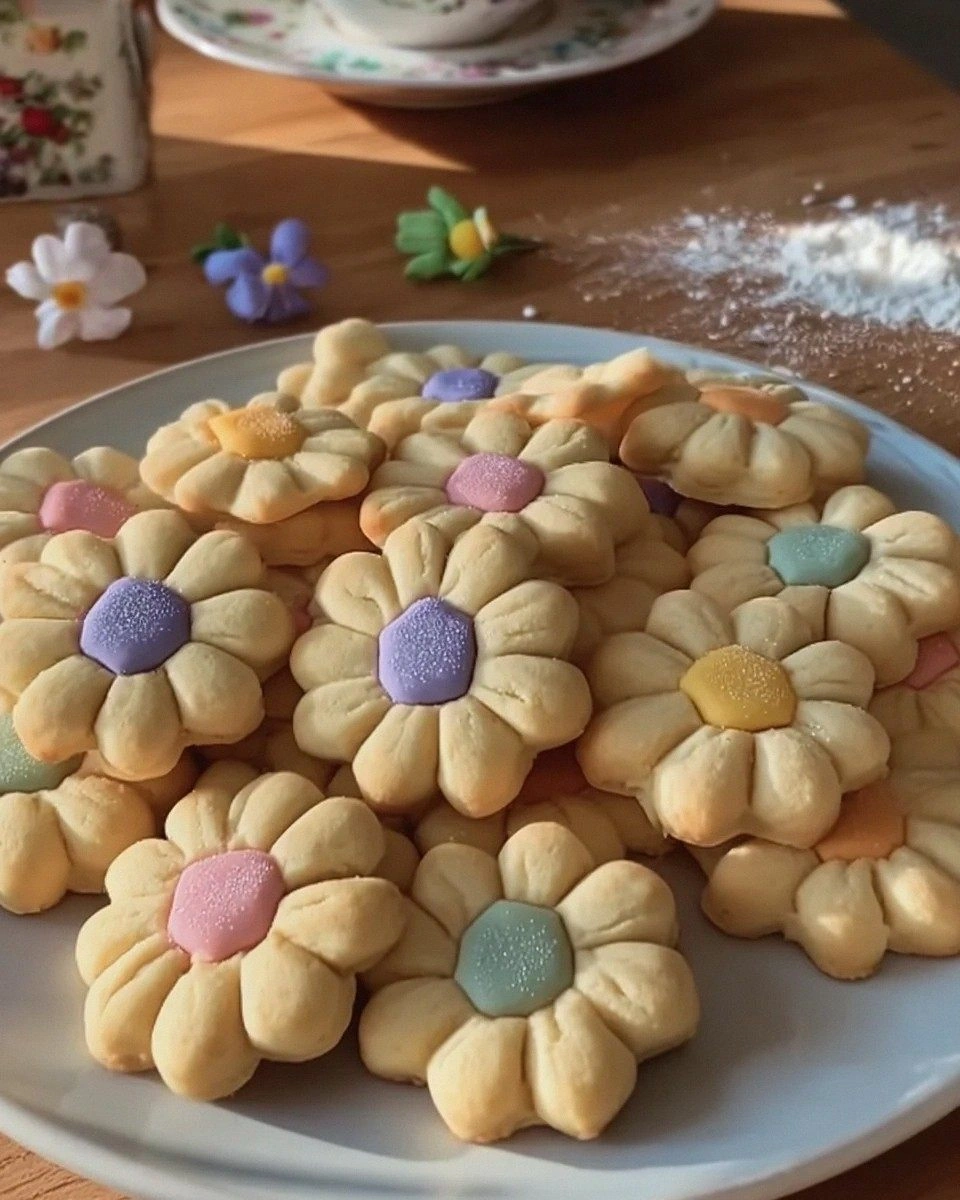
- Using a sharp knife or fluted cutter, slice into tidy shapes. I like rectangles because there's no rerolling scraps, but go wild with flowers or bunnies if that's your vibe. Transfer to a parchment-lined sheet, leaving an inch between—shortbread spreads just enough to snuggle. Press a reserved perfect petal on top of each cookie; it'll fuse to the surface and look like edible stained glass.
- Bake 18–22 minutes, rotating halfway. You're watching for the faintest tan blush around the bottom edges; they should still look pale on top, like they spent a cloudy day at the beach. The kitchen will smell like butter and warm flowers, a combination that makes everyone wander in asking, "What is that?" Trust your nose—when the scent deepens from sweet to toasty, pull them out.
- Cool on the sheet five minutes—any sooner and they'll bend like gymnasts; any longer and they'll over-brown from residual heat. Transfer to a rack and, while still warm, brush with a whisper of melted butter for that bakery gloss. Let them cool completely; shortbread texture sets as the butter re-solidifies. If you sneak one hot, it'll taste amazing but crumble like a castle under siege.
Insider Tricks for Flawless Results
The Temperature Rule Nobody Follows
Butter that's too warm creates greasy, slump-shouldered cookies. Too cold and the dough cracks like drought earth. Aim for cool-room, around 68°F (20°C). If your kitchen is tropical, chill the bowl for five minutes mid-mix. A friend tried skipping this step once—let's just say her cookies pooled into one giant shortbread continent and had to be broken apart with a hammer.
Why Your Nose Knows Best
Professional bakeries rely on scent as much as timers. When the butter's milk solids hit peak caramelization, the aroma shifts from sweet to nutty. That's your cue to rotate the tray. If you wait for visual cues alone, you've already overshot. Trust me, the first time you nail it by smell, you'll feel like a kitchen wizard.
The 5-Minute Rest That Changes Everything
Once cooled, tuck the cookies into an airtight tin with a slice of apple or a damp (not wet) piece of parchment for five minutes. The slight humidity softens the very outer layer, giving you that bakery chew while the center stays crisp. It's the difference between homemade and pro-level polish.
Petals Like Stained Glass
For extra shimmer, whisk a drop of pasteurized egg white with a teaspoon of water and lightly paint over the top petal before baking. Sprinkle with superfine sugar and you'll get a sparkly, candied finish that catches light like miniature cathedral windows. Kids lose their minds over this trick.
Flavor Peak Timeline
These cookies taste most vibrant 12–24 hours after baking, once the essences have mingled and mellowed. Bake the night before your event and you'll get compliments that start with, "I don't know what you did, but..." Hide a few for yourself; they disappear faster than spring cherry blossoms in a windstorm.
Creative Twists and Variations
This recipe is a playground. Here are some of my favorite ways to switch things up:
Honey Lavender Lemonade
Swap the powdered sugar for mild clover honey and add ½ teaspoon culinary lavender buds ground with a pinch of sugar. The honey makes the cookies chewy on day two, while the lavender gives a gentle, sleepy-Sunday vibe. Perfect for bridal showers or any time you want people to exhale and relax.
Chocolate Orange Blossom
Replace ¼ cup of the flour with Dutch-process cocoa and sub orange blossom water for the rosewater. Top with candied orange zest strips. The result is a cookie that tastes like those fancy chocolate oranges, but more sophisticated—like it went to grad school and came back quoting poetry.
Matcha Cherry Blossom
Whisk a teaspoon of matcha into the dry ingredients and use sakura (salt-preserved cherry blossom) petals on top for a Japanese spring vibe. The grassy bitterness of matcha plays against the sweet-salty flowers, making grown-ups close their eyes and sigh happily.
Earl Grey Rose
Grind the contents of one Earl Grey tea bag and add with the flour; the bergamot marries rose like they were born to dance together. These taste like afternoon tea compressed into a bite, perfect for book clubs or any time you want to feel like a Victorian heroine minus the consumption.
Savory Herb Garden
Omit the sugar coating on the petals and fold in minced rosemary and thyme with lemon zest. Serve alongside goat cheese and white wine for a grown-up dessert board that confuses and delights in equal measure. People will ask for the recipe and then blink in surprise when you say "flowers."
Peppery Nasturtium
Use bright orange nasturtium petals and add a pinch of cracked pink peppercorns to the dough. The peppery bite sneaks up after the buttery bloom, making these ideal with iced tea or a crisp rosé. They're the culinary equivalent of a plot twist—sweet, then whoa, then sweet again.
Storing and Bringing It Back to Life
Fridge Storage
Shortbread is basically butter wearing a flour coat, so the fridge is its enemy unless you like chewing on chilled wax. Keep baked cookies in an airtight tin at room temperature for up to five days, layered between parchment. If your kitchen tops 75°F, tuck in a silica packet (the kind from vitamin bottles) to fend off sogginess. Never refrigerate baked cookies unless you enjoy the sensation of eating sweet chalk.
Freezer Friendly
Both the dough and baked cookies freeze beautifully. Roll the dough, press in petals, then freeze the whole slab. Once solid, slice into tiles and store in zip bags for up to three months. Bake from frozen, adding two extra minutes. Baked cookies can be frozen for a month; thaw uncovered so condensation doesn't sog the petals. They'll taste 95 percent as magical as day one, which is still better than anything store-bought.
Best Reheating Method
If they do soften (humidity is a villain), revive them in a 300°F (150°C) oven for five minutes, then cool completely on a rack. Add a tiny splash of water to the empty tin before reheating; the gentle steam wakes up the floral oils without turning everything limp. They'll emerge crisp, fragrant, and ready to make new friends—or to be hoarded secretly with a cup of tea and a good book.