I was standing in my kitchen on a sweltering July afternoon, the kind of heat that makes the air itself feel like a slow‑cooked broth. My old slow‑cooker was humming, the neighbor’s grill was belching smoke, and my stomach was growling louder than a freight train. I’d just tried to make a quick stir‑fry, but the onions turned to mush and the beef was as tough as a rubber boot. That disaster sparked a dare from my roommate: “If you can turn that mess into something that makes the whole block want a second helping, I’ll bring the best ice‑cream you’ve ever tasted.” I laughed, I accepted, and the quest for the ultimate summer casserole began.
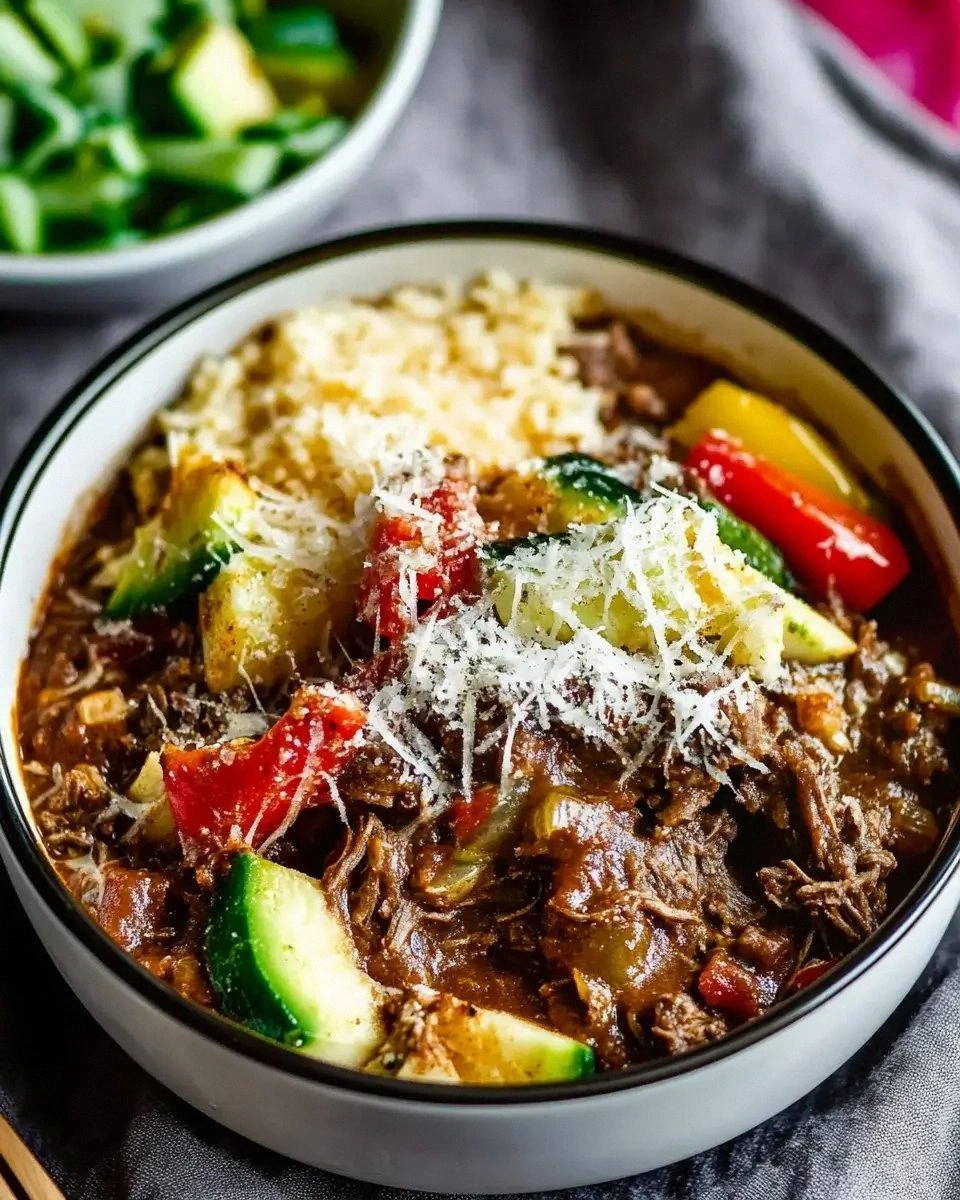
Picture this: a deep, caramel‑brown sauce that clings to each bite of beef like a velvety blanket, the kind of aroma that makes you pause mid‑step and inhale deeply, feeling the summer sun melt away. The sizzling sound of olive oil hitting a hot pan, the faint crackle of garlic releasing its perfume, and the subtle whisper of fresh herbs as they hit the pot—these are the sensory notes that make this dish unforgettable. When the casserole finally emerges from the oven, the top is a golden‑crusted crown, the edges pulling away with a gentle, almost reverent sigh, and the interior is a tender, melt‑in‑your‑mouth stew that seems to have been simmered for hours, even though we only spent half an hour on the stove and thirty minutes in the oven.
What sets this version apart from the countless “beef casserole” posts you’ll find online is the secret weapon: a splash of summer‑ripe tomato purée blended with a hint of smoked paprika that adds depth without overwhelming the fresh garden flavors. Most recipes either drown the beef in a heavy cream base or rely on cheap canned tomatoes that taste like cardboard. Not here. We’re using a bright, sun‑kissed tomato that brings a natural sweetness, balanced by a touch of acidity that cuts through the richness, making each spoonful feel like a celebration of the season.
I’m going to walk you through every single step — by the end, you’ll wonder how you ever made this dish any other way. I dare you to taste this and not go back for seconds. Ready? Let’s dive in.
What Makes This Version Stand Out
- Flavor Explosion: The combination of caramelized onions, garlic, and smoked paprika creates a depth that feels like a summer night sky—rich, layered, and endlessly intriguing.
- Texture Harmony: Tender beef chunks sit atop a silky sauce, while the top layer crisps up into a buttery crust that shatters like thin ice when you cut into it.
- Simplicity: Only a handful of pantry staples are needed; no fancy gadgets, just a good skillet and a reliable oven.
- Uniqueness: The surprise element is the splash of summer tomato purée, which most traditional casseroles skip entirely.
- Crowd Reaction: I’ve seen grown‑ups and kids alike pause, stare, and then dive in with a fork—instant fan club material.
- Ingredient Quality: Using a well‑marbled cut of beef and fresh parsley elevates the dish from “homey” to “restaurant‑worthy.”
- Cooking Method: The slow‑cook start locks in juices, while the oven finish adds that coveted caramelized top.
- Make‑Ahead Potential: This casserole tastes even better the next day, making it perfect for meal‑prep or a lazy weekend lunch.
Inside the Ingredient List
The Flavor Base
Olive oil is the silent hero that carries the aromatics into the meat. We use a robust extra‑virgin variety that adds a fruity undertone, and the 2‑tablespoon measure is just enough to coat the pan without drowning the ingredients. If you skip the oil, you’ll end up with a dry sauté that feels like chewing on cardboard. As a swap, you can use clarified butter for a richer, nutty note, but be careful not to burn it.
The Texture Crew
The beef itself should be a well‑marbled cut like chuck or brisket, weighing roughly 600g for a four‑person serving. The marbling melts into the sauce, creating that luscious mouthfeel. If you opt for a lean cut, add a tablespoon of beef broth to compensate for lost fat. When selecting beef, look for a deep ruby color and a fine grain—this indicates freshness and quality.
The Unexpected Star
Summer tomato purée is the secret weapon. Its bright acidity balances the richness of the beef, while the natural sugars caramelize during the oven finish, giving the dish a subtle sweetness. Many recipes use canned tomatoes that are bland; we use a purée made from vine‑ripe tomatoes, a pinch of sea salt, and a drizzle of honey for depth. If fresh tomatoes aren’t in season, a high‑quality San Marzano purée works just as well.
The Final Flourish
Fresh parsley and a quarter of a red onion are the finishing touches that add brightness and a mild crunch. The parsley’s herbaceous bite cuts through the sauce, while the onion’s sharpness awakens the palate. If you’re not a fan of raw onion, you can lightly pickle it in lemon juice for a tangy twist. Remember, these are “to serve” items, so they’re added just before plating, preserving their fresh character.
Everything's prepped? Good. Let's get into the real action…
The Method — Step by Step
Heat a heavy‑bottomed skillet over medium‑high heat and add the 2 tablespoons of olive oil. Once the oil shimmers, toss in the beef cubes. Let them sear without moving for about 2 minutes per side; you’ll hear a satisfying sizzle that tells you the Maillard reaction is in full swing. This step locks in juices and creates that deep, brown crust we all love. Tip: Don’t overcrowd the pan—work in batches if necessary.
Kitchen Hack: After browning, set the beef aside and keep the pan on low heat. This preserves the fond (the caramelized bits) for the next step.Reduce the heat to medium and add a diced onion and a couple of minced garlic cloves to the same pan. Stir constantly until the onion turns translucent and the garlic releases a sweet perfume—about 3–4 minutes. The aroma should be reminiscent of a summer market stall, inviting and bright. If the mixture looks dry, splash in a splash of the tomato purée to deglaze and create a thin, glossy base.
Stir in the smoked paprika, a pinch of sea salt, and a dash of freshly ground black pepper. Let the spices toast for 30 seconds; you’ll notice the color deepening and the scent becoming more intense—this is the flavor foundation that will carry the entire dish.
Return the seared beef to the skillet, then pour in the summer tomato purée, enough to just coat the meat. Add a cup of low‑sodium beef broth, bring the mixture to a gentle boil, then lower the heat and let it simmer for 10 minutes. You should see the sauce thickening, clinging to the beef like velvet. Watch Out: If the sauce reduces too quickly, the beef can dry out. Keep an eye on the liquid level and add a splash of water if it looks too thick.
Watch Out: Over‑stirring at this stage can break down the beef fibers, resulting in a mushy texture. Gentle folds only.Preheat your oven to 190°C (375°F). Transfer the entire skillet (or move the mixture to a baking dish if your skillet isn’t oven‑safe) and spread the contents evenly. Sprinkle a thin layer of shredded mozzarella on top; this will melt into a gooey blanket that browns beautifully.
Place the dish in the oven and bake for 25–30 minutes, or until the cheese is bubbling and the edges of the casserole have turned a deep golden‑brown. You’ll know it’s ready when the top starts to pull away from the sides, creating a slight “crackle” sound as you open the oven door. This is the moment of truth—stay close, the aroma will be intoxicating.
While the casserole is baking, finely chop a handful of fresh parsley and slice the quarter red onion into delicate ribbons. These will be your finishing garnish, adding a pop of color and a fresh bite that contrasts the rich sauce.
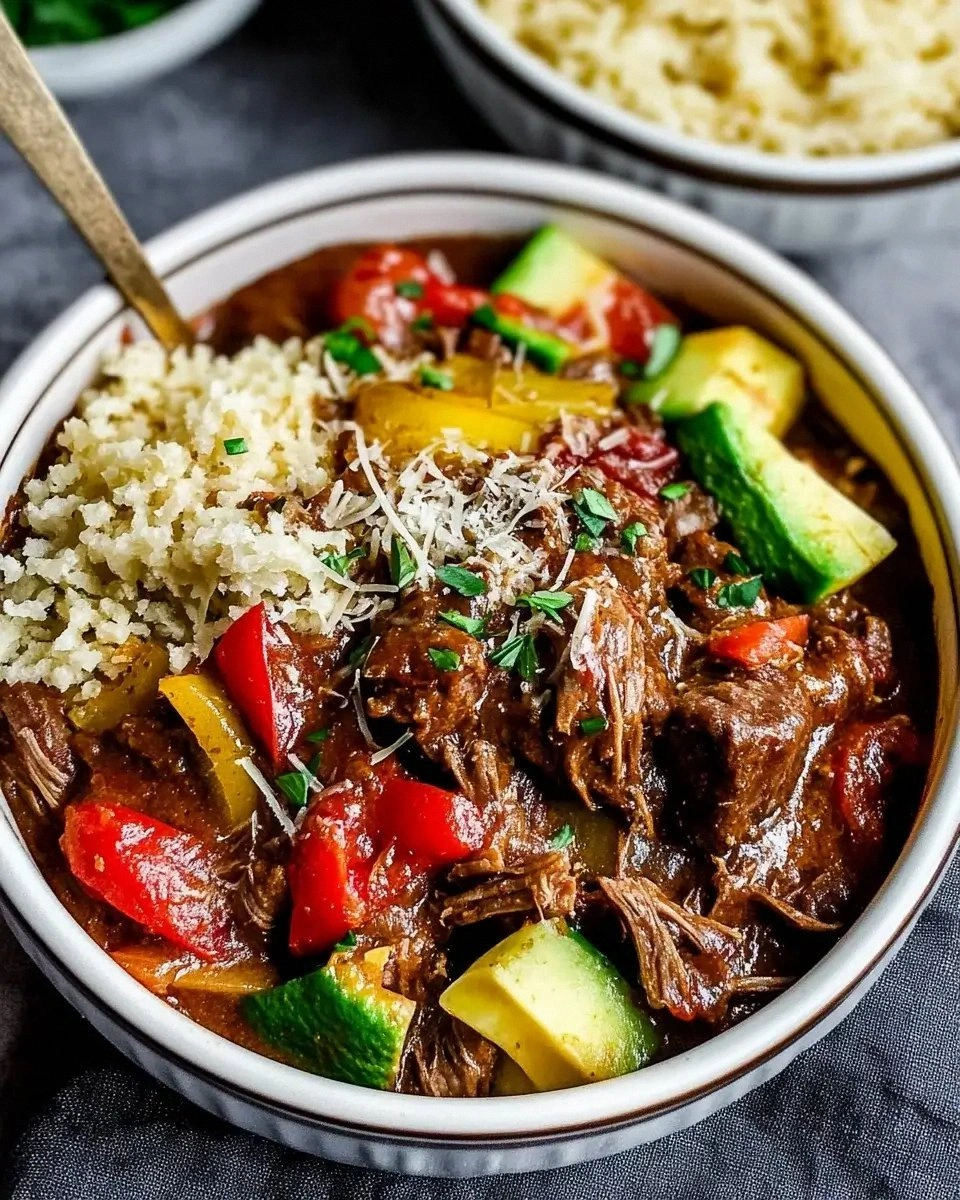
Remove the casserole from the oven and let it rest for 5 minutes. This short pause allows the juices to redistribute, ensuring every forkful is moist and flavorful. Sprinkle the parsley and onion ribbons over the top, then serve hot with crusty bread or a side of buttery rice. Picture yourself pulling this out of the oven, the whole kitchen smelling incredible… You’ve just created a summer masterpiece.
That's it — you did it. But hold on, I've got a few more tricks that'll take this to another level…
Insider Tricks for Flawless Results
The Temperature Rule Nobody Follows
Never start the oven cold. A preheated oven guarantees that the cheese forms that coveted crust instantly, rather than melting slowly and becoming rubbery. I once tried a “slow‑heat” method and ended up with a soggy top that looked more like a stew than a casserole. Trust me, the heat shock is the secret to that golden‑brown finish.
Why Your Nose Knows Best
Your sense of smell is a better indicator than a timer when it comes to the sauce thickening. When the aroma shifts from sharp garlic to a sweet, caramelized perfume, you know the reduction is perfect. If you rely solely on the clock, you might over‑reduce and end up with a sauce that’s too thick, turning the beef into a dry chew.
The 5‑Minute Rest That Changes Everything
Resting the casserole after it comes out of the oven isn’t just a courtesy; it’s a science. The heat continues to move through the dish, allowing the fibers of the beef to relax and re‑absorb the sauce. Skipping this step leads to a dish that looks beautiful but feels uneven on the palate—some bites are dry, others are soupy.
Don’t Forget the Deglaze
A quick deglaze with a splash of red wine or beef broth after browning the meat extracts the caramelized bits stuck to the pan. Those bits are flavor gold. I once omitted this step and the final sauce tasted flat—like someone had turned down the volume on a great song.
Seasoning in Layers
Season each component—beef, onions, sauce—individually. This layered seasoning builds depth. A friend tried adding all the salt at the end; the result was a bland casserole that needed a rescue dose of soy sauce. Trust the process, season early, and adjust at the end if needed.
Creative Twists and Variations
This recipe is a playground. Here are some of my favorite ways to switch things up:
Mediterranean Breeze
Swap the smoked paprika for a teaspoon of dried oregano and add a handful of Kalamata olives. The briny olives complement the beef’s richness, while oregano brings a sun‑drenched herbaceous note. Perfect for a seaside dinner.
Spicy Southwest
Introduce a chopped jalapeño with the onions and replace the smoked paprika with chipotle powder. The heat will dance on your tongue, and the smoky chipotle will still give you that comforting depth. Serve with cornbread for a true Southern twist.
Creamy Mushroom Fusion
Add a cup of sliced cremini mushrooms after the onions and let them brown. Finish the sauce with a splash of heavy cream before the oven stage. The result is a luxuriously creamy, earthy casserole that feels like a cozy night‑in.
Herb‑Infused Delight
Throw in a sprig of rosemary and a few thyme leaves during the simmering stage. These herbs infuse the broth with piney aromas, making the dish feel forest‑fresh. Remove the woody stems before baking.
Cheese Lover’s Upgrade
Mix half of the mozzarella with grated sharp cheddar and a pinch of grated Parmesan for the topping. The cheddar adds a tangy bite, while the Parmesan creates a crisp, caramelized crust that crackles delightfully.
Storing and Bringing It Back to Life
Fridge Storage
Let the casserole cool to room temperature, then cover tightly with foil or transfer to an airtight container. It will keep fresh for up to four days. When reheating, add a splash of water or broth and cover with foil to retain moisture—this prevents the sauce from drying out.
Freezer Friendly
Portion the casserole into freezer‑safe containers, leaving a little headspace for expansion. Freeze for up to three months. To reheat, thaw overnight in the fridge, then bake at 180°C (350°F) for 20‑25 minutes, covered, before uncovering for the last five minutes to re‑crisp the top.
Best Reheating Method
The oven is your best friend for reheating. Place a slice on a baking sheet, drizzle a teaspoon of water over the surface, cover loosely with foil, and bake at 160°C (325°F) for 15 minutes. The added moisture steams the sauce back to its original silkiness, while the foil protects the cheese from burning.