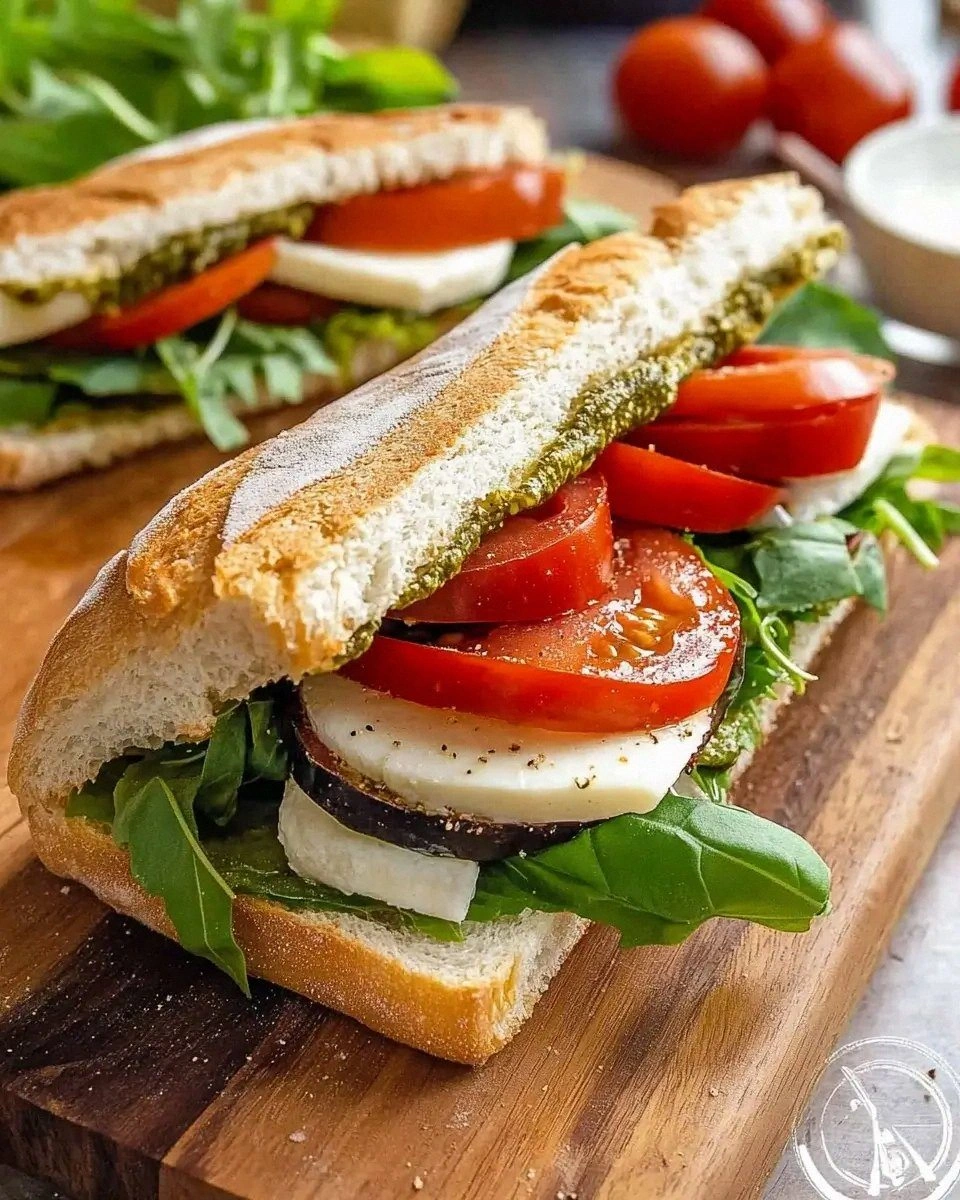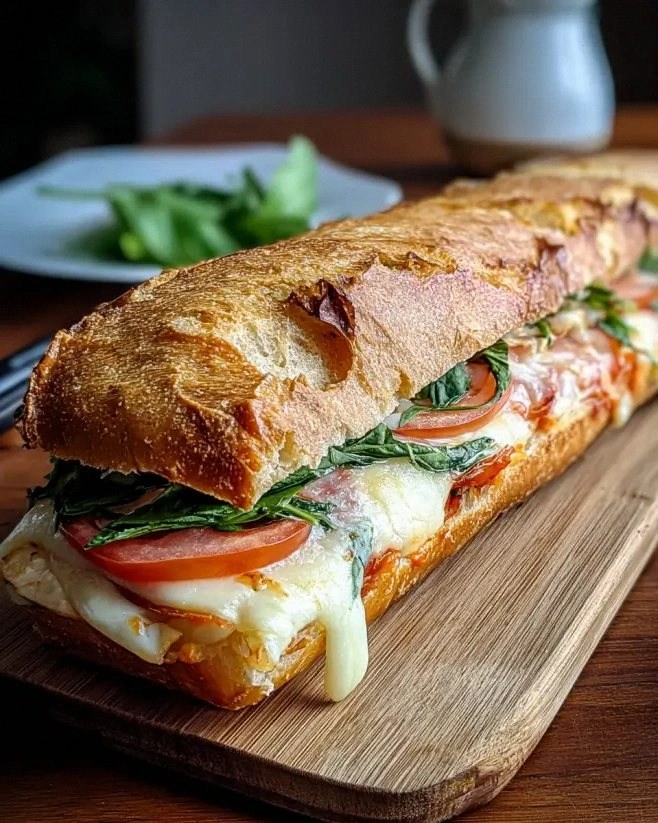
I dare you to taste this and not go back for seconds. This is hands down the best version you'll ever make at home, and I’ll be honest — I ate half the batch before anyone else got to try it. So grab your apron, preheat that oven, and let’s walk through every single step — by the end, you'll wonder how you ever made it any other way.
What Makes This Version Stand Out
- Flavor Harmony: The pesto provides herbaceous depth, the mozzarella adds creamy richness, and the balsamic glaze delivers a sweet‑tart contrast that elevates every bite.
- Texture Play: Crispy toasted ciabatta meets tender prosciutto and peppery arugula, creating a satisfying crunch‑to‑soft progression that keeps you chewing with joy.
- Simplicity: Only nine ingredients, all of which you probably already have in your pantry or can snag from the deli in under five minutes.
- Uniqueness: The quick olive‑oil brush before toasting creates a golden crust that most recipes miss, giving you that restaurant‑level finish.
- Crowd Reaction: Served at a brunch, this sandwich consistently earns the “wow” factor, with guests lining up for seconds and demanding the recipe.
- Ingredient Quality: Fresh mozzarella and high‑quality prosciutto are the stars; they’re the difference between “meh” and “memorable.”
- Cooking Method: A brief toast on the stovetop locks in flavor without drying out the interior, a technique most home cooks overlook.
- Make‑Ahead Potential: Prep the pesto and slice the tomato ahead of time; the sandwich assembles in under five minutes when you’re ready to eat.
Inside the Ingredient List
The Flavor Base
The pesto is the heart of this sandwich, a vibrant blend of basil, pine nuts, garlic, and Parmesan that spreads like a green silk across the bread. It’s not just a sauce; it’s a flavor catalyst that awakens the mozzarella and prosciutto. If you skip the pesto, you’ll lose that herbaceous punch and the sandwich will feel flat. A good swap is a sun‑dried tomato tapenade for a richer, slightly sweeter profile, but be prepared for a different personality.
When buying pesto, look for a version that uses real olive oil and fresh basil – the bright green color is a good indicator. Avoid jars that list water or artificial colors near the top; those will dilute the flavor. If you’re feeling ambitious, whip up a quick batch at home: blend 2 cups fresh basil, ¼ cup pine nuts, ½ cup grated Parmesan, 2 garlic cloves, and ½ cup olive oil, then season with salt and pepper.
The Texture Crew
Ciabatta rolls provide the sturdy yet airy foundation. Their porous crumb absorbs just enough olive oil and pesto without becoming soggy, while the crust offers a satisfying snap. When selecting ciabatta, choose rolls that feel firm to the touch but give slightly when pressed – that’s the sweet spot. If you can’t find ciabatta, a rustic sourdough works in a pinch, though the flavor will shift toward tangier notes.
Fresh mozzarella is the creamy counterpoint to the salty prosciutto. Its high moisture content means it melts beautifully, creating a luscious, gooey layer that clings to the bread. Look for mozzarella packed in water, not the low‑moisture “shredded” kind, because the latter won’t melt as smoothly. As an alternative, try burrata for an extra‑rich center, but be ready for a messier assembly.
The Unexpected Star
A drizzle of balsamic glaze adds a glossy, sweet‑tart finish that cuts through the richness of cheese and meat. It’s the secret weapon that makes the sandwich feel sophisticated without extra effort. If you can’t find a pre‑made glaze, simmer ½ cup balsamic vinegar with a teaspoon of honey until it reduces to a syrupy consistency. This reduction will give you that same glossy sheen and a depth of flavor that store‑bought versions often lack.
The Final Flourish
Arugula brings a peppery bite that lifts the sandwich from heavy to bright, while the medium tomato adds juicy acidity that balances the salty prosciutto. When slicing the tomato, aim for ¼‑inch thick rounds; too thin and you lose the burst, too thick and the sandwich becomes soggy. Salt and pepper to taste are the final seasoning touch – they awaken the flavors without overwhelming them. And finally, a light drizzle of olive oil before toasting ensures the crust turns golden and fragrant.
Everything's prepped? Good. Let's get into the real action...
The Method — Step by Step
Preheat a large skillet over medium‑high heat. While it warms, slice the ciabatta rolls horizontally, leaving a small hinge on one side so they stay attached like a book. Brush the cut sides lightly with olive oil – this is the moment where the crust will turn into a golden, crackling masterpiece. If you hear a gentle sizzle as the oil hits the pan, you’re on the right track.
Place the ciabatta halves, oil‑side down, onto the hot skillet. Toast for 2‑3 minutes, or until the edges turn a deep amber and you hear a faint crackle. Flip them over and toast the interior side for another 1‑2 minutes, just enough to warm through without drying out. The goal is a crust that shatters like thin ice when you bite, while the inside stays pillowy.
While the bread is toasting, slice the fresh mozzarella into ¼‑inch thick pieces and set aside. If the cheese feels too soft, pop it in the freezer for five minutes – it will slice cleaner and still melt beautifully later. This trick saves you from squishy, uneven pieces that can ruin the sandwich’s structure.
In a small bowl, combine the pesto with a drizzle of olive oil to loosen it slightly. Spread a generous layer on the toasted interior of each ciabatta half; the pesto should coat the surface like a silky veil, not pool at the bottom. This step is pure magic – the herbaceous aroma will fill your kitchen, promising the deliciousness to come.
Layer the mozzarella slices over the pesto, allowing the heat from the toasted bread to begin melting the cheese. Follow with a layer of prosciutto; the thin slices should drape elegantly, each piece catching the light. The prosciutto’s salty, smoky flavor will start to infuse the cheese as it softens.
Add the arugula on top of the prosciutto, then place the tomato rounds. Lightly season the tomato with a pinch of salt and cracked black pepper – this simple step amplifies its natural sweetness and prevents a bland bite. The combination of peppery greens and juicy tomato creates a refreshing contrast to the rich meat and cheese.
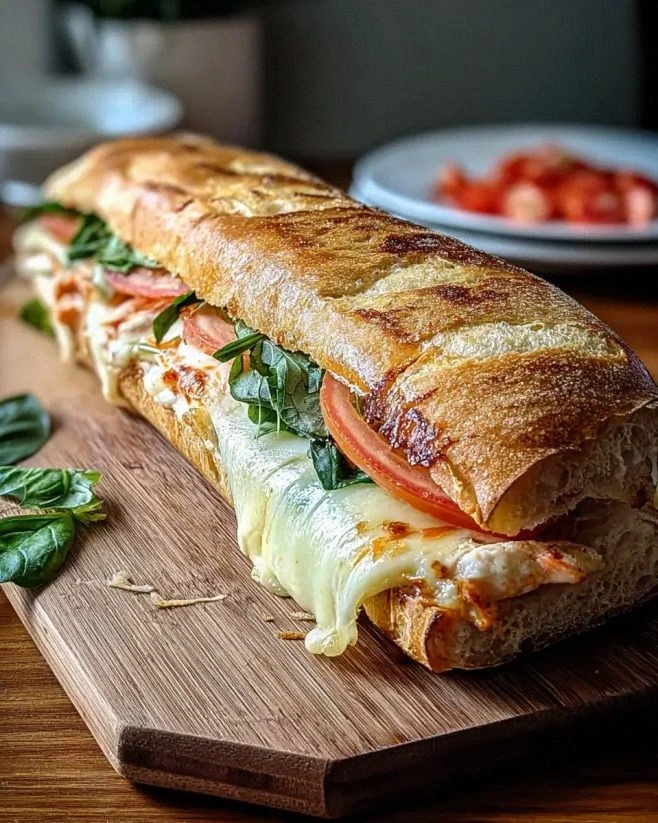
Finish each sandwich with a delicate drizzle of balsamic glaze, letting it cascade in thin ribbons that will caramelize slightly on the warm interior. Close the sandwich, press gently to meld the layers, and let it rest for a minute so the flavors can marry. That brief pause is the secret that turns a good sandwich into an unforgettable one.
Slice the sandwich diagonally, admire the cross‑section of golden crust, molten mozzarella, and vibrant green arugula. Serve immediately while the bread is still warm and the cheese is just the right amount of gooey. Picture yourself pulling this out of the oven, the whole kitchen smelling incredible, and you’ll understand why this sandwich is a crowd‑pleaser.
That's it — you did it. But hold on, I've got a few more tricks that'll take this to another level...
Insider Tricks for Flawless Results
The Temperature Rule Nobody Follows
Never toast ciabatta on high heat; medium‑high gives you a controlled, even browning without burning the crust. If the pan is too hot, the exterior will char before the interior warms, leaving a bitter aftertaste. I once cranked the heat to high in a rush and ended up with a charred shell that tasted like burnt toast – a hard lesson learned. Keep the temperature steady, and you’ll get that perfect golden crunch every time.
Why Your Nose Knows Best
When the pesto hits the hot bread, the kitchen fills with a fragrant basil‑garlic perfume. Trust that scent – it’s a reliable indicator that the pesto has warmed enough to release its oils without turning bitter. If you smell a faint nuttiness, you’re on the right track. If it smells burnt, lower the heat immediately; the flavor will suffer otherwise.
The 5‑Minute Rest That Changes Everything
After assembling, let the sandwich sit for five minutes before cutting. This short rest lets the mozzarella settle, the prosciutto soften, and the balsamic glaze thicken slightly, preventing it from soaking out of the bread. I once sliced immediately and watched the glaze run like a river, making the bottom soggy. Patience here is the difference between a crisp bite and a soggy disappointment.
Prosciutto Placement Precision
Lay the prosciutto in a single, overlapping layer rather than a pile. Overlapping ensures each bite gets a uniform salty hit without overwhelming the palate. A friend tried crumbling it instead, and the sandwich ended up tasting like a salty mess. Keep the slices whole and slightly overlapping for that elegant, balanced mouthfeel.
Tomato Prep Perfection
Salt the tomato slices 10 minutes before assembling. This draws out excess moisture, preventing the ciabatta from becoming soggy while enhancing the tomato’s natural sweetness. If you skip this step, you’ll notice a watery bite that dilutes the other flavors. The extra minute of planning pays off in texture and taste.
Creative Twists and Variations
This recipe is a playground. Here are some of my favorite ways to switch things up:
Mediterranean Sunrise
Swap the basil pesto for a sun‑dried tomato tapenade and add crumbled feta. The tangy tomato notes pair beautifully with the salty prosciutto, creating a bright, Mediterranean vibe that’s perfect for summer picnics.
Spicy Kick
Mix a teaspoon of crushed red pepper flakes into the pesto and drizzle a little sriracha on top of the prosciutto. This adds a subtle heat that wakes up the palate without drowning the delicate mozzarella.
Veggie‑Heavy Delight
Add roasted red peppers and thinly sliced zucchini for a garden‑fresh twist. The roasted veggies bring smoky sweetness that complements the balsamic glaze, making the sandwich feel lighter yet just as satisfying.
Cheese Lover’s Dream
Combine fresh mozzarella with a slice of aged provolone for extra depth. The provolone adds a sharp, buttery note that intensifies the overall richness, ideal for cheese aficionados.
Breakfast Edition
Replace prosciutto with crisp bacon, add a fried egg, and swap balsamic glaze for a drizzle of maple syrup. This sweet‑savory combo turns the sandwich into a hearty breakfast that will keep you fueled for hours.
Storing and Bringing It Back to Life
Fridge Storage
Wrap the assembled sandwich tightly in parchment paper, then place it in an airtight container. It will keep fresh for up to 24 hours. When ready to eat, reheat in a skillet over medium heat for 3‑4 minutes, pressing gently to restore the crust’s crunch.
Freezer Friendly
Separate the components – toast the ciabatta, slice the mozzarella, and keep the prosciutto in a zip‑top bag. Freeze each part individually. When you’re ready, thaw the bread for 10 minutes, then assemble and follow the reheating instructions. This method preserves texture and prevents sogginess.
Best Reheating Method
Add a tiny splash of water to the pan before reheating; the steam revives the bread’s interior while the crust stays crisp. Cover the pan with a lid for the first minute to trap steam, then uncover to finish the crisping. The result is a sandwich that tastes as fresh as the day it was made.