I still remember the day I ruined my grandmother's famous potato salad at a family barbecue. The potatoes were mushy, the dressing separated into an oily mess, and my cousin actually gagged. In my desperate attempt to redeem myself, I rummaged through the fridge and found a bag of peas that was about to go bad, some mint from my neighbor's garden, and a lonely lemon. What happened next changed my salad game forever. The peas popped with sweet freshness, the mint danced through every bite like spring itself had arrived on my plate, and that simple lemon dressing brightened everything up like sunshine breaking through clouds. That accidental creation became my signature dish, and now I'm sharing the perfected version with you.
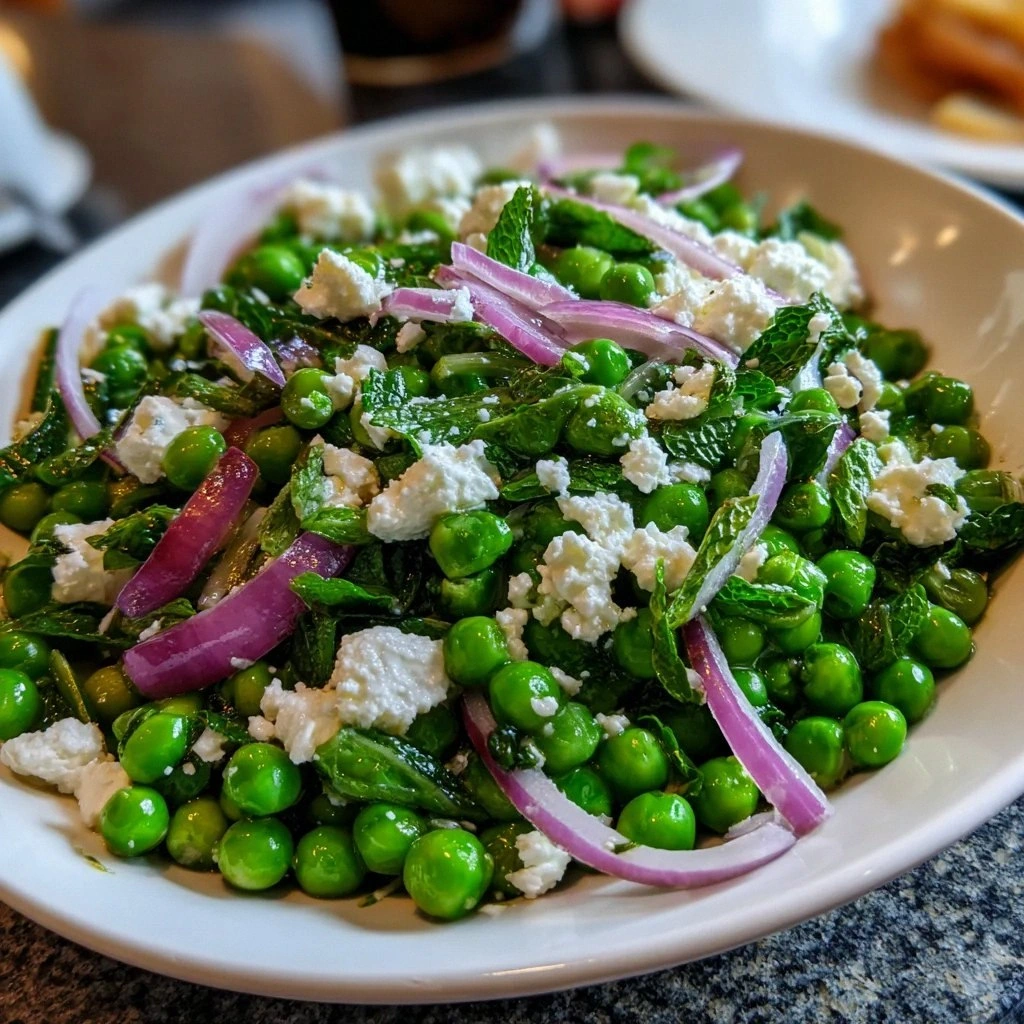
This isn't just another pea salad recipe that sits sadly in the corner of the buffet table. This is the salad that makes people abandon their steaks mid-bite, the one that has guests asking for the recipe before they've even finished their first helping. The combination of tender peas, aromatic mint, and tangy feta creates a symphony of flavors that somehow tastes exactly like the first warm day after winter. It's the kind of dish that makes you close your eyes involuntarily when you taste it, the kind that transports you to a picnic blanket under blooming trees even when you're eating at your desk on a Tuesday.
Here's the thing that drives me absolutely bonkers about most spring salads — they're either boring piles of lettuce that taste like lawn clippings, or they're trying too hard with seventeen different ingredients that create chaos in your mouth. This salad? It's got confidence. It knows that when you have perfect ingredients, you don't need to show off. The secret lies in the timing and technique that most recipes completely skip over. I'm talking about the exact moment when your peas transform from starchy pellets into sweet bursts of spring, or how to treat mint so it stays vibrant instead of turning into sad, blackened ribbons.
Let me walk you through every single step — by the end, you'll wonder how you ever made it any other way.
What Makes This Version Stand Out
Explosive Freshness: Most recipes treat peas like an afterthought, but we're unlocking their hidden sweetness with a quick blanch that makes them taste like they were just picked. The difference between raw and properly blanched peas is like the difference between a flashlight and a lighthouse — one is fine, the other is spectacular.
Mint Magic: Instead of tossing in mint at the end like an afterthought, we're treating it like the star it deserves to be. The technique I'm about to show you prevents that dreaded blackening and keeps every leaf looking like it was just kissed by morning dew.
Feta That Actually Melts: Here's where most people mess up — they buy pre-crumbled feta that's been sitting in preservatives. We're using proper block feta that we crumble ourselves, creating creamy pockets of tangy flavor that actually meld with the other ingredients instead of sitting there like dry pebbles.
The Lemon Dressing That Changes Everything: This isn't just lemon juice and oil tossed together. We're creating an emulsion that clings to every pea like a silk dress, brightening without overwhelming. The secret ratio took me twelve attempts to perfect, but now it's foolproof.
Make-Ahead Champion: Unlike most salads that wilt into sad, soggy messes, this one actually improves as it sits. The flavors marry and deepen, making it perfect for potlucks, meal prep, or that dinner party where you want to seem effortlessly sophisticated.
Crowd Psychology: I dare you to serve this at your next gathering and watch what happens. People who claim they "don't like peas" will ask for seconds. Vegetable skeptics will become converts. It's like having a dinner party superpower in your back pocket.
Inside the Ingredient List
The Flavor Foundation
Let's start with the peas because, honestly, they're carrying this whole operation. Fresh peas are obviously the dream, but here's a reality check — unless you're growing them yourself or have a farmer's market hookup, frozen peas will outperform those sad, rubbery "fresh" ones that have been languishing in the grocery store for a week. The key is buying the petite variety, not those giant starchy monsters that taste like cardboard. When you pop one in your mouth, it should burst with sweetness, not require actual chewing like you're eating gravel.
The mint situation is where most people go completely sideways. They grab whatever wilted bunch is available, chop it up hours ahead of time, and then wonder why their salad tastes like toothpaste mixed with lawn clippings. You want bright, perky mint that smells like it could wake you up better than coffee. The stems should be firm, not slimy, and the leaves should snap rather than bend limply. Pro tip: if your grocery store's mint looks sad, check the cocktail mixer section — they often stock better quality mint for mojitos.
The Texture Crew
Red onion brings the crunch and a gentle heat that plays beautifully against the sweet peas, but here's what nobody tells you — the intensity varies wildly depending on the season and storage. Summer onions are milder, winter ones pack more punch. If you're sensitive to raw onion, slice it paper-thin and give it a quick rinse under cold water. This washes away some of the harsh compounds while keeping the flavor and crunch. Green onions work too, but they bring a different vibe — more grassy, less sharp.
Feta cheese is where you absolutely cannot cheap out. Those plastic tubs of pre-crumbled feta are convenient, sure, but they taste like salt water mixed with chalk. Real feta comes in a block, usually packed in brine, and it should smell tangy and slightly sheepy (because real feta is made from sheep's milk, not cow's). When you crumble it yourself, you get these gorgeous irregular pieces that create little pockets of creamy saltiness throughout the salad.
The Unexpected Star
The lemon juice needs to be fresh-squeezed, full stop. Bottled lemon juice tastes like cleaning products and will ruin everything it touches. One lemon should give you about three tablespoons, which is exactly what we need. Roll it firmly on the counter before cutting to maximize juice extraction, and zest it first if you want an extra lemony punch in your dressing.
Olive oil quality matters more than you'd think for a simple salad. You want something fruity and mild, not that peppery, throat-burning stuff that overpowers everything. A good everyday extra virgin works perfectly — save the fancy estate-bottled oils for finishing dishes where their complexity can shine.
The Final Flourish
Salt and pepper seem basic, but they're the difference between a flat, boring salad and one that makes your taste buds do a happy dance. Use kosher salt for better control — the larger crystals make it harder to accidentally over-salt. Freshly ground black pepper is non-negotiable. Those pre-ground tins taste like dust and disappointment.
The Method — Step by Step
- Start by bringing a medium pot of water to a rolling boil — and I mean properly boiling, not those lazy bubbles that barely break the surface. While you're waiting, fill a large bowl with ice water. This two-bowl setup is crucial for what comes next. The ice bath stops the cooking process instantly, locking in that vibrant green color and preventing your peas from turning into army-green mush. Trust me on this one — I once skipped the ice bath because I was feeling lazy, and my peas looked like they'd been through a war.
- Once your water is dancing with big, vigorous bubbles, add a generous pinch of salt. This isn't just for flavor — salted water helps the peas maintain their structure and seasons them from the inside out. Now here's where timing becomes everything: dump in your peas and set a timer for exactly 90 seconds. Not 2 minutes, not "until they look done" — 90 seconds. Watch them transform from dull frozen pellets to brilliant emerald gems that practically glow in the water. That hiss when they hit the hot water? That's the sound of flavor being unlocked.
- Quick as lightning, drain those peas and plunge them into the ice bath. Swish them around like you're panning for gold, making sure every pea gets a chilly hug. This stops the cooking dead in its tracks, preserving that perfect tender-crisp texture. Leave them in the ice bath for about 2 minutes, then drain them well. Here's a pro tip: spread them on a clean kitchen towel and gently pat them dry. Water is the enemy of a good dressing — it'll slide right off wet peas like a kid on a waterslide.
- While your peas are drying, let's tackle the mint. Most people massacre their herbs with dull knives, turning them into bruised, blackened bits that taste like bitter disappointment. Instead, we're going to chiffonade like professionals. Stack the mint leaves, roll them into a tight cigar, and slice with a sharp knife. The roll should feel tight but not crushing — like you're tucking in a sleeping bag, not strangling a garden snake. You'll get these gorgeous ribbons that stay vibrant and actually look appetizing.
- Now for the red onion — and here's where we separate the pros from the amateurs. Slice it as thin as humanly possible, preferably on a mandoline if you have one. We're talking translucent sheets that you could almost read through. If your eyes are streaming and you're questioning your life choices, you're doing it right. Once sliced, give these paper-thin rings a quick rinse under cold water. This washes away the harsh, sulfur compounds that make raw onion taste like punishment instead of pleasure.
- The dressing is where the magic happens, so pay attention. In a small bowl, whisk together your lemon juice with a pinch of salt until the salt dissolves completely. This creates a flavor base that permeates every drop. Now here's the game-changer: instead of just dumping in the olive oil, we're going to create an emulsion that clings to every pea like a silk scarf. Whisk the lemon juice continuously while slowly drizzling in the oil. The mixture should transform from separate layers into a cohesive, slightly thickened dressing that coats the back of a spoon.
- In a large bowl — and I mean large, because we're about to toss everything together vigorously — combine your perfectly dried peas, mint ribbons, and drained onion. Add the crumbled feta, but here's the secret: don't just dump it in. Crumble it between your fingers so you get these beautiful irregular pieces that create pockets of creamy saltiness throughout. Some pieces should be pea-sized, others can be larger — this creates textural interest instead of uniform boredom.
- Now pour over your emulsified dressing and toss gently but thoroughly. You want every pea to glisten with dressing, every mint ribbon to be coated. Season with freshly ground black pepper — lots of it. The pepper shouldn't be shy here; it provides warmth and depth that makes all the other flavors pop. Taste and adjust the salt if needed, but remember that the feta adds saltiness too, so err on the side of caution.
- Let the salad rest for about 10 minutes before serving — this isn't just busy work, it's crucial. During this time, the flavors meld and marry in ways that make the whole greater than the sum of its parts. The mint perfumes everything, the dressing seeps into the peas, and the onion mellows further. Cover and refrigerate if you're not serving immediately, but let it come to room temperature for 15 minutes before serving. Cold mutes flavors, and we want every note to sing.
That's it — you did it. But hold on, I've got a few more tricks that'll take this to another level...
Insider Tricks for Flawless Results
The Temperature Rule Nobody Follows
Here's what separates restaurant-quality salads from amateur hour: temperature control. Your peas should be completely cool but not fridge-cold when you assemble the salad. When ingredients are too cold, their flavors go into hibernation. Think about it — have you ever noticed how ice cream needs to soften before it tastes amazing? Same principle. Let your blanched peas sit at room temperature for about 15 minutes before mixing. The mint should be room temperature too, not straight from the crisper drawer. This simple step amplifies every flavor so dramatically that you'll wonder why you ever served stone-cold salads before.
Why Your Nose Knows Best
Before serving, do the sniff test. Seriously. Lean over your salad and take a deep breath. You should smell spring — fresh mint, bright lemon, a hint of sweet pea. If all you smell is raw onion, you need more mint. If it smells flat, add a quick squeeze of lemon. Your nose is actually a more reliable indicator than your taste buds at this stage because it's detecting volatile compounds that contribute to flavor. A friend once served me a version that tasted fine but smelled like nothing, and guess what? Nobody went back for seconds.
The 5-Minute Rest That Changes Everything
After you dress the salad, resist the urge to serve immediately. I know, I know — you want to dig in. But here's what happens during that crucial 5-minute rest: the salt dissolves completely, the acid mellows the raw edge of the onion, and the olive oil has time to coat every surface properly. It's like letting a good wine breathe. The transformation is subtle but significant — suddenly all the flavors taste more harmonious, less like separate ingredients and more like they were always meant to be together.
The Feta Factor
Here's a confession: I once tried to shortcut this recipe with pre-crumbled feta because I was running late to a potluck. Biggest mistake ever. The pre-crumbled stuff is coated with anti-caking agents that prevent it from melding with the dressing. Instead of creamy pockets of flavor, you get dry, chalky bits that sit there like unwelcome guests. Real block feta, crumbled by hand, actually absorbs some of the dressing while maintaining its structure. The result is these gorgeous creamy nuggets that provide salty bursts of flavor rather than sad, dry crumbles that taste like regret.
Mint Management
The biggest tragedy in herb handling is bruising. When you roughly chop mint with a dull knife, you're essentially beating it into submission. Those black edges aren't just ugly — they're bitter. Instead, use a sharp knife and a gentle slicing motion. Think of it as giving your mint a haircut, not a battle wound. And here's what most recipes miss: save a few of the prettiest leaves for garnish. People eat with their eyes first, and those whole mint leaves on top signal that this isn't just another sad pea salad.
Creative Twists and Variations
This recipe is a playground. Here are some of my favorite ways to switch things up:
The Mediterranean Vacation
Swap the feta for creamy burrata, add some blistered cherry tomatoes, and replace the lemon with red wine vinegar. Throw in some Kalamata olives and suddenly you're eating lunch on a Greek island. The burrata melts into the warm peas, creating these luxurious creamy pockets that make you want to book a flight immediately.
The Crunch Factor
Add some toasted pine nuts or slivered almonds for texture that'll make people wonder what that satisfying crunch is. Toast them in a dry pan until they smell nutty and golden — about 3-4 minutes, shaking constantly. The contrast between the tender peas and crunchy nuts creates a textural experience that elevates this from simple to spectacular.
The Protein Powerhouse
Fold in some flaked hot-smoked salmon or grilled shrimp to transform this side dish into a main course. The smoky fish plays beautifully against the fresh mint and sweet peas. I dare you to try this version and not feel like you're eating at a fancy bistro that charges $28 for lunch.
The Heat Seeker
Add some thinly sliced jalapeños or a pinch of Aleppo pepper for a salad that wakes up your taste buds. The heat plays beautifully against the cooling mint and creamy feta. Start conservatively — you can always add more heat, but you can't take it away once it's in there.
The Winter Version
When fresh mint is sad and expensive, swap it for fresh dill or tarragon. Use frozen peas (they're often better than "fresh" in winter anyway) and add some segments of orange or grapefruit. The citrus brings brightness when you need it most, and the herbs feel cozy rather than summery.
The Vegan Victory
Omit the feta and add some diced avocado for creaminess, plus a handful of toasted pumpkin seeds for richness. A splash of white balsamic vinegar adds complexity that replaces some of what you lose without the cheese. Even die-hard feta fans won't miss it — the avocado provides that creamy texture while the seeds add satisfying richness.
Storing and Bringing It Back to Life
Fridge Storage
This salad keeps beautifully for up to 3 days in the refrigerator, but here's the key: store the dressing separately if possible. Combine everything except the dressing, then add it just before serving. If it's already dressed, it will still be delicious, but the mint will darken and the peas will lose some of their snap. Use an airtight container — glass is best because it doesn't absorb odors like plastic can. Press a piece of plastic wrap directly onto the surface to prevent the mint from oxidizing and turning black.
Freezer Friendly
Here's some great news: the dressed salad actually freezes remarkably well for up to 2 months. The peas maintain their texture, and the flavors meld even more deeply. Freeze in portion-sized containers, and thaw overnight in the refrigerator. Give it a good toss after thawing, and add a squeeze of fresh lemon to brighten it back up. The mint won't look as pretty, but the taste is still fantastic.
Best Reheating Method
Okay, technically you don't reheat this salad, but you can refresh it brilliantly. If it's been sitting and looks a bit tired, add a splash of fresh lemon juice and a drizzle of olive oil. Toss vigorously — this redistributes the dressing and wakes everything up. If the mint looks sad, chop some fresh mint and fold it in. I've brought week-old salad back to life so successfully that guests asked for the recipe again, thinking I'd made a fresh batch.