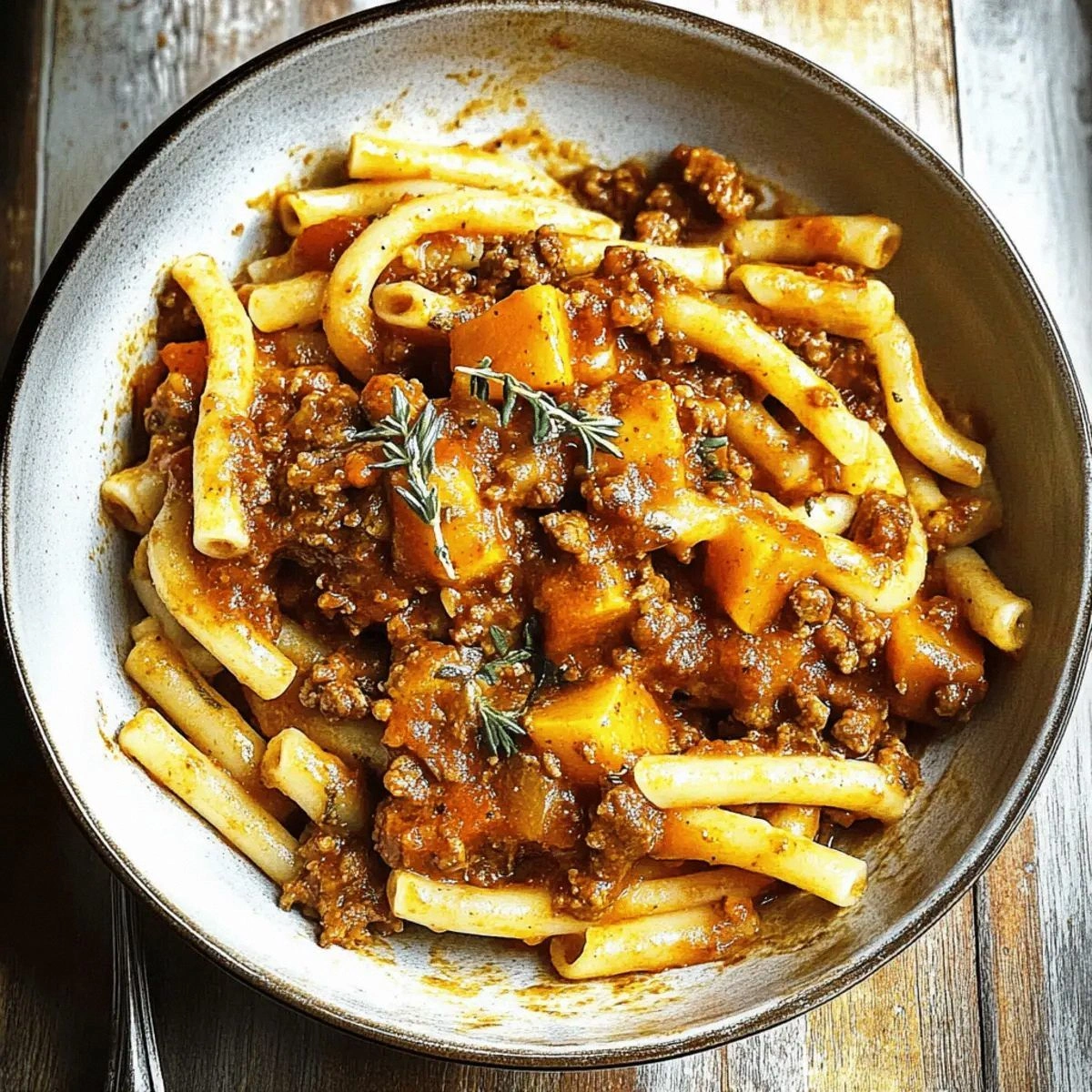
I was standing over a simmering pot of ordinary spaghetti sauce, feeling the weight of a thousand bland Bolognese recipes I’d tried before, when my roommate shouted, “Hey, the pumpkin pie is in the oven—why not toss some of that into the sauce?” I stared at the orange‑gold cubes, imagined the sweet, earthy aroma mingling with beef, and thought, this could be the culinary plot twist my kitchen needed. The moment the diced pumpkin hit the pan, a sweet perfume rose like a warm blanket on a chilly night, and I knew I was onto something that would make even the most skeptical pasta lover sit up and take notice. I’ll be honest — I ate half the batch before anyone else got to try it, and that’s a confession I’m not ashamed to make because the flavor was that addictive.
Picture this: a sturdy Dutch oven humming on the stove, the olive oil shimmering, the shallots and garlic turning translucent, and a chorus of sizzling sounds that could rival any rock concert. The sauce thickens, clinging to each strand of pasta like velvet, while the pumpkin melts into the meat, creating a silky texture that’s both comforting and surprisingly sophisticated. The scent of smoked paprika, thyme, and sage weaves through the kitchen, making the whole house feel like a cozy tavern on a rainy autumn evening. That sizzle when it hits the pan? Absolute perfection. I dare you to taste this and not go back for seconds.
Most Bolognese recipes get this completely wrong—they either drown the meat in tomato or rely on a bland mirepoix that never truly sings. Here’s what actually works: a careful balance of sweet pumpkin, robust beef, and a medley of herbs that elevate the sauce without overpowering it. The secret is in the timing—letting the pumpkin caramelize just enough to add depth, then coaxing the flavors together in a slow, patient simmer. This is hands down the best version you’ll ever make at home, and it’s a one‑pot wonder that saves you from endless dishwashing.
Okay, ready for the game‑changer? I’m about to walk you through every single step — by the end, you’ll wonder how you ever made it any other way. Stay with me here — this is worth it. The technique that will make your sauce sing is a quick deglaze with beef broth that lifts every caramelized crumb from the bottom, turning them into pure, umami gold. And trust me, the final garnish of ricotta and fresh thyme is pure magic. Let’s dive in.
What Makes This Version Stand Out
- Depth: The pumpkin adds a natural sweetness that balances the acidity of the tomatoes, creating a sauce that feels both hearty and refined.
- Texture: Ground beef and pumpkin meld into a silky, almost creamy consistency, coating pasta like a luxurious blanket.
- Simplicity: One pot, minimal prep, and a short cooking time make this dish perfect for weeknight dinners without sacrificing flavor.
- Uniqueness: Adding fennel and a hint of smoked paprika gives an unexpected smoky‑herby note that most Bolognese miss.
- Crowd Reaction: Even the pickiest eaters rave; the subtle sweetness hides the veggies, making it a sneaky way to get more nutrition on the table.
- Ingredient Quality: Using fresh pumpkin and high‑fat ground beef ensures a rich mouthfeel that canned versions can’t match.
- Cooking Method: The slow simmer lets the flavors meld, while the final splash of broth deglazes the pan for maximum depth.
- Make‑Ahead Potential: This sauce actually tastes better the next day, making it perfect for meal prep or leftovers.
Inside the Ingredient List
The Flavor Base
Olive oil is the silent hero, providing a glossy medium for the aromatics to bloom without sticking. Two medium shallots, finely diced, give a sweet oniony foundation that softens quickly, creating a buttery backdrop. Garlic cloves, minced, add that unmistakable punch that makes any sauce instantly recognizable as comfort food. A single stalk of celery contributes a faint crunch and a whisper of earthiness, rounding out the mirepoix. If you skip any of these, the sauce loses its layered depth and can taste flat.
The Texture Crew
Pumpkin, cubed into two‑cup portions, is the star of texture—its natural starches break down, thickening the sauce while keeping it velvety. The medium fennel, thinly sliced, introduces a subtle anise flavor that lifts the dish beyond ordinary meat sauce. Ground beef, a pound of 80% lean, brings richness and a satisfying bite; using a higher fat content prevents the sauce from drying out. The combination of these three creates a mouthfeel that’s both hearty and smooth, a perfect marriage of meat and veg.
The Unexpected Star
A teaspoon each of dried thyme, sage, and marjoram creates a herb trio that sings in harmony; thyme adds woodsy depth, sage brings an earthy bite, and marjoram offers a sweet, citrusy whisper. Smoked paprika, also a teaspoon, injects a gentle smokiness that mimics the flavor of a slow‑roasted meat without the extra time. Half a teaspoon of chili flakes introduces a teasing heat that lingers on the palate, making each bite interesting. Salt and black pepper to taste are the final conductors, ensuring every element shines without overwhelming the others.
The Final Flourish
Two cups of beef broth act as the deglazing hero, loosening caramelized bits from the pan and turning them into liquid gold. One bay leaf adds a subtle floral note that deepens during the simmer. Fourteen ounces of pureed tomatoes bring acidity and body, while two tablespoons of tomato paste intensify the tomato flavor without adding extra liquid. A tablespoon of fresh thyme, added at the end, brightens the sauce with a burst of herbaceous freshness. Finally, a quarter‑cup of ricotta swirls in at the very end, creating a creamy finish that makes the sauce feel indulgent yet balanced.
Everything's prepped? Good. Let’s get into the real action…
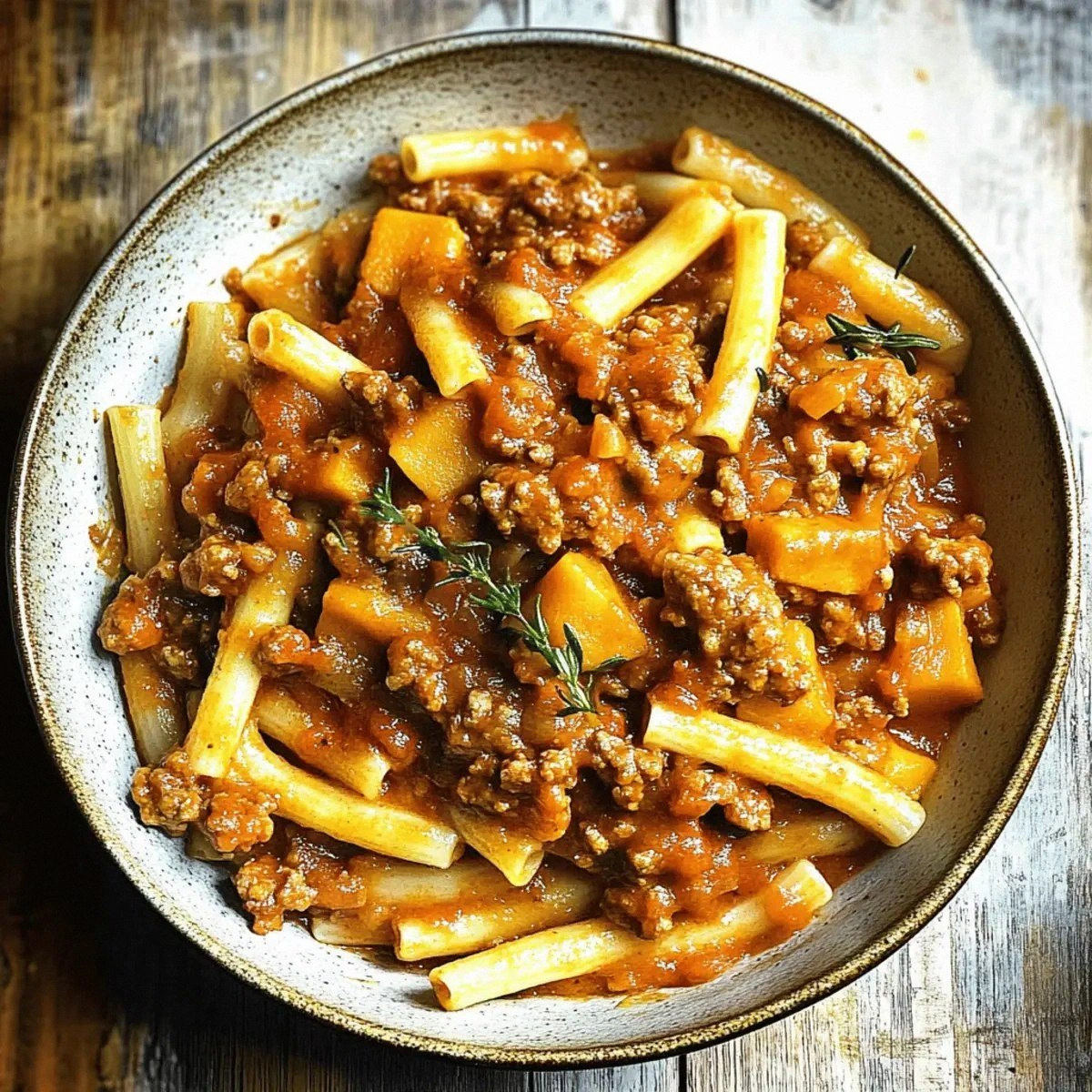
The Method — Step by Step
-
Heat two tablespoons of olive oil in a large Dutch oven over medium heat. Once the oil shimmers, add the diced shallots and celery, sautéing until they become translucent and fragrant—about three minutes. You’ll hear a gentle sizzle that signals the aromatics are waking up. This is the moment where the base of flavor starts to build, so stay close and stir occasionally.
Kitchen Hack: If the shallots start to brown too quickly, splash a splash of water; it will steam them gently and prevent bitterness. -
Add the minced garlic, sliced fennel, and the pumpkin cubes to the pot. Cook for another four to five minutes, stirring often, until the pumpkin begins to turn a deeper amber and the fennel softens. You’ll notice a sweet, nutty aroma emerging—this is the pumpkin caramelizing, which is essential for that rich, layered taste.
-
Increase the heat to medium‑high and crumble the pound of ground beef into the pot. Break it up with a wooden spoon, letting it brown nicely. Aim for a deep brown color; the edges should start pulling away from the pan, creating those coveted caramelized bits. This step is crucial—those browned bits are flavor powerhouses that will later dissolve into the sauce.
Watch Out: If you crowd the pan, the beef will steam instead of brown, resulting in a bland sauce. Work in batches if necessary. -
Sprinkle in the dried thyme, sage, marjoram, smoked paprika, and chili flakes. Stir quickly to coat the meat and vegetables, letting the spices toast for about a minute. You’ll hear a faint pop as the spices hit the hot fat—this is the aromatics releasing their essential oils, a scent that will fill your kitchen with an intoxicating herbaceous perfume.
-
Add the tomato paste, stirring it in until it darkens slightly, about two minutes. Then pour in the pureed tomatoes, followed by the beef broth. Scrape the bottom of the pot with a wooden spoon to lift any caramelized bits—this is the deglazing moment that transforms those bits into liquid gold. Drop in the bay leaf, and give everything a good stir.
Kitchen Hack: For an even richer sauce, replace half the beef broth with a splash of red wine; let it reduce before adding the tomatoes. -
Bring the mixture to a gentle boil, then reduce the heat to low and let it simmer uncovered for 20‑25 minutes. Stir occasionally, allowing the pumpkin to break down completely and the sauce to thicken. You’ll notice the sauce coating the back of a spoon—this is the perfect consistency. Taste and adjust salt and pepper now; remember, the ricotta will mellow the seasoning later.
-
Just before the simmer ends, stir in the fresh thyme leaves and the quarter‑cup of ricotta. The ricotta will melt into silky ribbons, giving the sauce a luxurious mouthfeel. Let it sit for another two minutes, allowing the herbs to release their bright, fresh notes.
-
Serve the sauce over al dente pasta of your choice—pappardelle, tagliatelle, or even a hearty rigatoni works beautifully. Toss the pasta gently to coat each strand, then finish with a drizzle of extra‑virgin olive oil and a sprinkle of grated Parmesan if desired. Picture yourself pulling this out of the pot, the whole kitchen smelling incredible, and the first bite delivering a perfect balance of sweet, smoky, and savory. That’s the moment of triumph.
That's it — you did it. But hold on, I've got a few more tricks that'll take this to another level…
Insider Tricks for Flawless Results
The Temperature Rule Nobody Follows
Never rush the browning stage. Keep the heat at medium‑high just long enough for the meat to develop a deep crust, but not so high that it burns. A well‑browned base adds umami that can’t be replicated by any shortcut. I once tried to speed things up by cranking the heat, and the sauce ended up bitter—lesson learned. Trust the slow build, and your sauce will thank you with layers of flavor.
Why Your Nose Knows Best
Your sense of smell is the ultimate doneness gauge. When the aromatics turn golden and the pumpkin releases that sweet perfume, you’re at the sweet spot. If you can smell the faint hint of smoked paprika, you know the spice has fully awakened. This sensory checkpoint is more reliable than a timer; it ensures you never under‑ or over‑cook any component.
The 5‑Minute Rest That Changes Everything
After you finish simmering, remove the pot from heat and let it sit, covered, for five minutes. This rest allows the flavors to meld even further and the sauce to thicken slightly as steam condenses. A friend tried skipping this step once—let's just say the sauce tasted a bit disjointed. The rest is a tiny effort that yields a huge payoff.
Batch‑Prep the Base for Future Meals
If you love leftovers, double the aromatics and freeze them in portioned bags. When you need a quick dinner, just thaw and add fresh beef and pumpkin. This hack cuts prep time in half and ensures consistent flavor every time you make the dish.
Finish with a Splash of Acid
A teaspoon of balsamic vinegar or a squeeze of lemon juice at the very end brightens the entire sauce, balancing the sweetness of the pumpkin. I experimented with both; the balsamic adds a mellow depth, while lemon gives a fresh zing. Choose based on your mood—either way, you’ll notice the sauce “popping” on the palate.
Creative Twists and Variations
This recipe is a playground. Here are some of my favorite ways to switch things up:
Spicy Sausage Swap
Replace half the ground beef with Italian sausage (spicy or sweet). The sausage’s fennel seed flavor complements the pumpkin, and the added heat makes the dish perfect for cold evenings.
Mushroom Medley
Add a cup of sliced cremini or shiitake mushrooms when you sauté the aromatics. The earthy umami deepens the sauce, making it a great vegetarian option if you swap beef for lentils.
Creamy Coconut Twist
Stir in ¼ cup of coconut milk after the simmering stage for a subtle tropical note. The coconut’s richness pairs beautifully with the pumpkin’s sweetness, turning the dish into a fusion masterpiece.
Cheesy Bake
Combine the sauce with cooked pasta, top with mozzarella and Parmesan, then bake until bubbly and golden. This turns the one‑pot wonder into a comforting casserole that’s perfect for feeding a crowd.
Herb‑Infused Oil Finish
Blend fresh rosemary, thyme, and garlic into olive oil, then drizzle over the finished dish. The infused oil adds a fragrant finish that elevates the sauce from home‑cooked to restaurant‑level.
Storing and Bringing It Back to Life
Fridge Storage
Transfer the cooled sauce to an airtight container and store in the refrigerator for up to four days. The flavors continue to develop, so the second day often tastes even richer. When reheating, add a splash of water or broth to restore its silky texture.
Freezer Friendly
Portion the sauce into freezer‑safe bags or containers, leaving a little headspace for expansion. It freezes beautifully for up to three months. To thaw, move it to the fridge overnight, then reheat gently on the stove, stirring in a tablespoon of broth if needed.
Best Reheating Method
Reheat over low heat, stirring frequently to prevent sticking. Add a tiny splash of water before reheating — it steams back to perfection, reviving the sauce’s glossy sheen. If you’re in a hurry, a microwave works, but be sure to stir every 30 seconds to keep the texture even.