Picture this: you’re standing in your kitchen, the clock ticking, and a sudden craving for something that feels like a warm hug wrapped in a noodle‑shaped embrace hits you hard. I was in the middle of a Zoom call, juggling spreadsheets and a half‑finished laundry load, when my roommate shouted, “I’m starving, what’s for dinner?” I stared at the pantry, saw a lonely bag of radiatore pasta, and thought, “If I don’t do something spectacular right now, I’ll be stuck with bland leftovers forever.” That panic‑induced moment turned into the birth of the most unforgettable, creamy‑sauce pasta you’ll ever taste, and trust me, this isn’t just another bland weeknight fix.
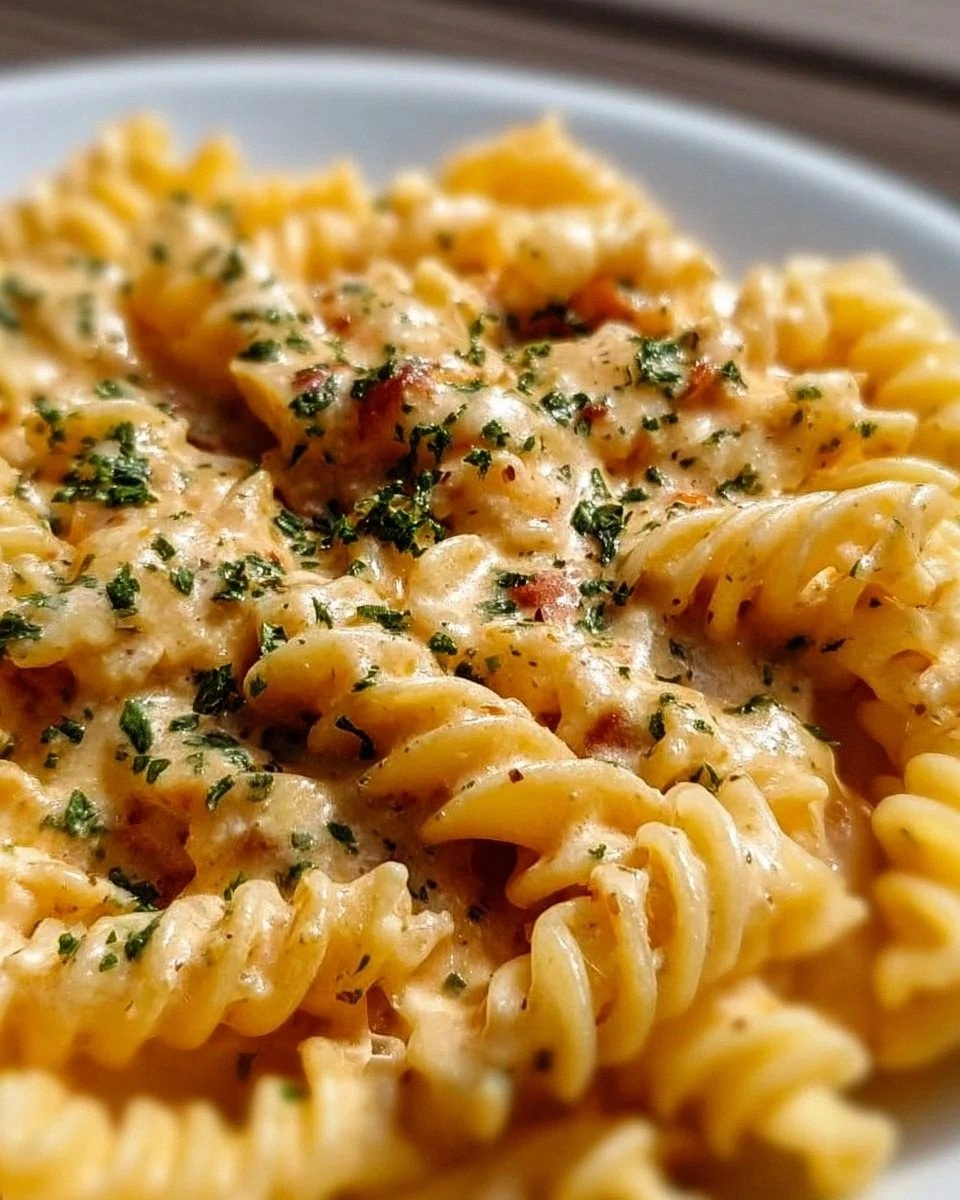
The moment I tossed the radiatore into boiling water, the kitchen filled with the gentle, bubbling chorus of a thousand tiny turbines working overtime. The scent of garlic hitting hot olive oil rose like an invitation, while the heavy cream began to thicken, turning the air buttery and luxurious. I could hear the faint crackle of the pan as the cheese melted, and my fingertips felt the heat radiating from the skillet, a comforting reminder that something magical was happening. The sauce clung to each radiator ridge like velvet, each groove soaking up the richness, and the fresh spinach wilted in a flash, turning the whole thing a vivid, emerald‑gold swirl.
Most pasta recipes either drown the noodles in a watery sauce or smother them in a cheese avalanche that feels like a dairy disaster. Not this one. This version balances the creamy decadence of heavy cream with the sharp bite of Parmesan, all while letting the spinach keep the dish bright and fresh. The secret? A quick flash‑sauté of garlic that releases a fragrant perfume, then a splash of olive oil that locks in flavor before the cream even thinks about bubbling. I’m daring you to taste this and not go back for seconds; it’s that good.
Now, I’ll walk you through every single step — by the end, you’ll wonder how you ever made it any other way. Okay, ready for the game‑changer? This isn’t just a recipe; it’s a confidence boost, a flavor revelation, and a story you’ll tell at every dinner party. Let’s dive in and make something that will have you bragging to anyone who asks, “What’s for dinner?”
What Makes This Version Stand Out
- Velvet Texture: The sauce coats each radiatore ridge like a silky blanket, hugging every nook and cranny for an indulgent bite that melts in your mouth.
- Bright Balance: Fresh spinach cuts through the richness, offering a pop of color and a subtle earthiness that prevents the dish from feeling heavy.
- Speedy Simplicity: From start to finish it takes under 45 minutes, perfect for busy weeknights when you still want to impress.
- Flavor Depth: Garlic, olive oil, and a pinch of red pepper flakes create layers that develop as you cook, delivering a taste that evolves with each forkful.
- Crowd‑Pleaser: I’ve served this at family gatherings and even the picky teenage cousin asked for seconds, which is practically a culinary miracle.
- Ingredient Integrity: Using high‑quality Parmesan and fresh spinach means the dish shines without needing a pantry full of exotic spices.
- One‑Pan Wonder: Minimal cleanup because the sauce and pasta finish together in the same skillet, keeping the kitchen chaos low.
- Make‑Ahead Friendly: You can prep the sauce in advance and simply toss it with freshly cooked pasta for a lightning‑fast dinner.
Inside the Ingredient List
The Flavor Base
Olive oil is the silent hero here, providing a buttery foundation that lets garlic release its aromatic oils without burning. If you skimp on the oil, the garlic can turn bitter, and the sauce loses that luxurious mouthfeel. A quality extra‑virgin olive oil adds a subtle peppery note that you’ll taste in every bite. For a lower‑fat version, you could swap half the oil for a splash of chicken broth, but you’ll miss that depth.
Garlic, the aromatic powerhouse, brings a pungent warmth that instantly awakens the palate. Fresh cloves crushed just before cooking release more allicin, the compound responsible for that signature bite. If you over‑cook the garlic, it becomes harsh and can dominate the sauce, so keep an eye on that golden hue. A fun alternative is roasted garlic for a sweeter, caramelized twist, but that adds an extra step.
The Texture Crew
Heavy cream is the silk that binds everything together, turning a simple butter‑and‑flour roux into a luxurious sauce that clings to the pasta. It adds richness without the graininess you’d get from milk alone. If you substitute half the cream with whole milk, you’ll lose some of that velvety mouthfeel, but the dish will be lighter.
Parmesan cheese brings a salty, nutty punch that deepens the flavor profile. Freshly grated Parmesan melts into the cream, creating a glossy finish that makes the sauce look restaurant‑ready. Using pre‑shredded cheese can lead to clumps and a gritty texture, so grate it yourself whenever possible.
The Unexpected Star
Fresh spinach may seem like a side note, but it adds a bright, slightly bitter contrast that balances the richness of the cream and cheese. It also boosts the nutritional value, sneaking in iron and vitamins without compromising taste. If you forget the spinach, the dish still works, but it won’t have that vibrant green pop that makes it visually appealing.
Crushed red pepper flakes are the subtle heat that whispers “I’m not just a comfort food.” A pinch is enough to add a gentle warmth that lingers on the tongue, while the rest of the flavors remain front and center. If you’re sensitive to spice, you can omit them or replace with a dash of smoked paprika for a smoky undertone.
The Final Flourish
Fresh parsley is the finishing touch, a herbaceous confetti that brightens the plate and adds a hint of earthiness. Sprinkle it just before serving to keep its color vivid and its flavor fresh. If you use dried parsley, you’ll lose that pop of green and the fresh aroma that lifts the whole dish.
Salt and black pepper are the silent conductors, guiding the flavor symphony. Salt enhances the cream’s natural sweetness, while black pepper adds a mild bite that keeps the palate engaged. Taste as you go; you’ll know when the balance is perfect.
Everything's prepped? Good. Let’s get into the real action…
The Method — Step by Step
Bring a large pot of salted water to a rolling boil. Add the radiatore pasta and cook until al dente, usually about 9‑11 minutes; you’ll know it’s perfect when the ridges are still firm but no longer gritty. Reserve a cup of pasta water before draining, then set the pasta aside. This starchy water is your secret weapon for binding the sauce later.
While the pasta cooks, heat the olive oil in a wide skillet over medium heat. As soon as the oil shimmers, add the minced garlic and sauté for 30 seconds, just until you hear that satisfying sizzle that signals the garlic is releasing its perfume. Be vigilant—garlic can go from golden to burnt in a heartbeat.
Now, pour in the heavy cream, stirring constantly. You’ll notice the pan filling with a fragrant, buttery aroma. Reduce the heat to low and let the cream simmer gently for about 4‑5 minutes, allowing it to thicken just enough to coat the back of a spoon. This is the moment of truth: the sauce should be glossy, not watery.
Stir in the grated Parmesan cheese, letting it melt into the cream. The sauce should become even richer, with a slight sheen that indicates the cheese has fully emulsified. At this point, taste and add a pinch of salt and freshly cracked black pepper; remember, you can always add more, but you can’t take it out.
Introduce the fresh spinach, tossing it into the skillet. It will wilt in a matter of seconds, turning a deep, glossy green. If the pan looks dry, add a splash more pasta water to help the spinach glide smoothly into the sauce.
Now, bring the cooked radiatore back into the skillet, gently folding it into the sauce. Use tongs to lift and turn the pasta, ensuring each ridge gets a generous coating. If the sauce seems too thick, add more reserved pasta water—one tablespoon at a time—until it reaches a silky consistency.
Finish with a generous sprinkle of crushed red pepper flakes and freshly chopped parsley. The flakes add a subtle heat that tingles the palate, while the parsley provides a fresh, herbaceous lift. Give the dish one last quick toss, then remove from heat.
Plate the pasta immediately, letting the steam rise and the aroma fill the room. Serve with an extra grating of Parmesan on top for those who love a cheesy finish. That sizzle when it hits the pan? Absolute perfection.
That's it — you did it. But hold on, I've got a few more tricks that'll take this to another level…
Insider Tricks for Flawless Results
The Temperature Rule Nobody Follows
Never cook the cream on high heat; a gentle simmer is the key to a smooth sauce. High heat causes the fat to separate, leaving you with a grainy texture that no amount of whisking can fix. Keep the flame low and watch the sauce thicken slowly—it’s worth the patience.
Why Your Nose Knows Best
Before you even taste, trust the aroma. When the garlic turns golden and the cream begins to bubble, you’ll know the flavor base is ready. If you can smell the nutty Parmesan melting, the sauce is on the right track.
The 5‑Minute Rest That Changes Everything
After you combine pasta and sauce, let the dish sit off the heat for five minutes. This rest allows the sauce to cling tighter to each radiatore ridge, creating that luxurious mouthfeel. Skipping this step can leave the sauce sliding off, which is a culinary tragedy.
Seasoning in Layers, Not All at Once
Instead of dumping all the salt and pepper at the end, add a pinch during each stage—water, oil, cream, and final plating. Layered seasoning builds depth, ensuring every bite is perfectly balanced.
Spinach Staging for Maximum Green
If you want the spinach to retain its vivid color, add it just before the pasta joins the sauce. This quick wilt preserves the chlorophyll, giving your plate a pop of garden‑fresh green that looks as good as it tastes.
Creative Twists and Variations
This recipe is a playground. Here are some of my favorite ways to switch things up:
Smoky Bacon Blast
Render 4 strips of thick‑cut bacon until crisp, crumble, and stir into the sauce before adding the pasta. The smoky fat adds depth and a crunchy texture that contrasts beautifully with the creamy base.
Sun‑Dried Tomato Delight
Chop a handful of sun‑dried tomatoes and toss them in with the spinach. Their concentrated sweetness and tang bring a Mediterranean flair that pairs wonderfully with the Parmesan.
Protein‑Power Upgrade
For a heartier meal, add grilled chicken breast cubes or sautéed shrimp during the final folding step. The protein turns this side dish into a main‑course contender without overwhelming the sauce.
Vegan Velvet
Swap the heavy cream for coconut cream and replace Parmesan with a nutritional yeast blend. Use olive oil and add a splash of soy sauce for umami; the dish stays creamy and satisfying.
Herbaceous Explosion
Mix in fresh basil, thyme, or oregano alongside parsley for an herb garden in a pan. Each herb adds its own aromatic layer, making the sauce more complex and fragrant.
Storing and Bringing It Back to Life
Fridge Storage
Transfer leftovers into an airtight container and refrigerate for up to three days. The sauce may thicken as it cools; simply reheat gently and stir in a splash of milk or water to restore silkiness.
Freezer Friendly
Portion the pasta into freezer‑safe bags, removing as much air as possible. Freeze for up to two months. When ready to eat, thaw overnight in the fridge, then reheat on the stove, adding a drizzle of olive oil to revive the gloss.
Best Reheating Method
Use a low‑heat skillet, adding a tablespoon of water or broth per cup of pasta. Cover and stir gently until the sauce loosens and coats the pasta again. This steam‑infused technique keeps the dish from drying out.