I still remember that night when the oven was on, the kitchen smelled like a burnt sugar disaster, and I stared at the half‑baked loaf that should have been a triumph. The zucchini, which I’d sliced into fine ribbons, had turned into a mushy, unappetizing mess, and I thought I’d never taste anything that could redeem that failure. But then I found a forgotten jar of vanilla and a pinch of cinnamon, and the idea of turning that soggy mishap into something spectacular sparked in my head like a kitchen fire. I dared myself to experiment, and the result was a loaf that was moist, fragrant, and utterly irresistible. This is the story of how a kitchen catastrophe became the best zucchini bread you’ll ever make at home.
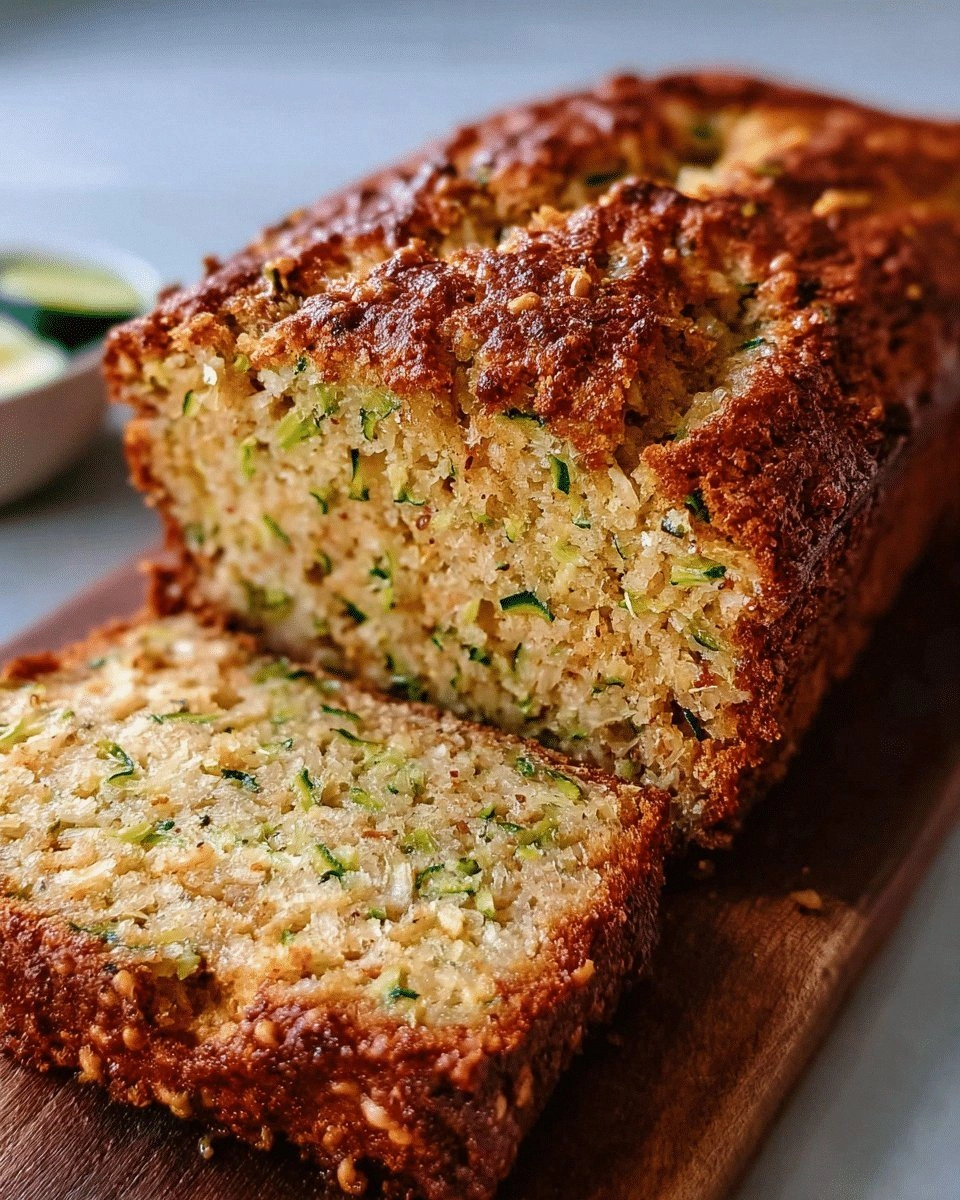
Picture this: the oven light glows amber, the timer ticks, and a loaf of bread sits on the rack, its golden crust shimmering like a sunrise over a field of wheat. The air fills with a buttery, nutty aroma that makes your mouth water before you even taste a crumb. Every slice releases a gentle steam, and the first bite is a burst of sweet, earthy zucchini balanced by a subtle hint of vanilla. The texture is a paradox: a soft, cake‑like center wrapped in a crisp, caramelized edge that crackles like thin ice when you bite. It’s the kind of bread that turns a simple breakfast into a moment of culinary revelation.
What makes this recipe stand out is not just the combination of flavors, but the method that locks in moisture while letting the zucchini shine. I swear by the “mix wet and dry separately” technique; it keeps the batter from becoming gummy and ensures even crumb structure. The addition of brown sugar, while optional, deepens the caramel undertone, giving the loaf a richer mouthfeel. The generous pinch of cinnamon creates a fragrant backdrop that feels like a warm hug on a cold morning. And the final touch of walnuts adds a satisfying crunch that contrasts the silky interior, making each bite a sensory adventure.
I dare you to taste this and not go back for seconds. That first bite will leave you wondering how you ever made zucchini bread the old, dry way. The secret sauce, so to speak, is a balance of wetness and leavening that keeps the loaf from collapsing. The result is a loaf that holds its shape, yet yields to your fork like a cloud. If you’ve ever struggled with a dense, uneven loaf, you’re not alone—and I’ve got the fix that will change your baking forever.
Most recipes get this completely wrong by overmixing or underbaking, leading to a dry, crumbly mess. I’ll be honest—when I first baked this loaf, I ate half the batch before anyone else got to try it, and the kitchen was still humming with the scent of vanilla and zucchini. The next time, I followed the precise steps below, and the outcome was flawless. Picture yourself pulling this out of the oven, the whole kitchen smelling incredible, and the first slice falling apart in your hand like a delicate snowflake. This is the moment of pure joy that I want you to experience.
Okay, ready for the game‑changer? The next section breaks down exactly what goes into this masterpiece, and why each component matters. I’ve kept it simple, but every ingredient plays a critical role in the final texture and flavor. From the flour that provides structure to the zucchini that adds moisture, each piece of the puzzle is essential. And if you’re curious about why I chose these specific measurements, read on—because the science behind this bread is as satisfying as the taste.
And now the fun part. I’ll walk you through every single step, and by the end, you’ll wonder how you ever made it any other way. I promise you’ll be amazed at how straightforward the process is, and how a few small adjustments can elevate the loaf from good to unforgettable. Let’s dive into the details that make this recipe a kitchen staple for any occasion.
What Makes This Version Stand Out
- Moisture: The grated zucchini is the secret hydrator, keeping the loaf tender and preventing it from drying out during baking. It also adds a subtle, natural sweetness that balances the sugar.
- Flavor: A splash of vanilla and a pinch of cinnamon create a warm, aromatic profile that feels like a comforting hug. The optional walnuts add a nutty crunch that contrasts the soft interior.
- Texture: Mixing wet and dry ingredients separately and folding them gently preserves the air pockets, giving the bread a light, cake‑like crumb.
- Ease: The recipe uses pantry staples, requires minimal prep time, and can be made in under an hour from start to finish.
- Versatility: Add raisins, cranberries, or even a swirl of peanut butter for a new flavor twist. It’s a blank canvas for your creativity.
- Make‑Ahead: The loaf stays fresh for up to three days in an airtight container, and slices can be frozen for later indulgence.
Alright, let's break down exactly what goes into this masterpiece…
Inside the Ingredient List
The Flavor Base
The foundation of this bread starts with the dry ingredients: all-purpose flour, baking soda, baking powder, salt, and cinnamon. Flour provides structure, while the leavening agents create lift and a tender crumb. Cinnamon adds warmth and depth, and a pinch of salt balances the sweetness. Skipping any of these will leave the loaf flat or overly dense.
The Moisture Makers
Zucchini is the hero of this recipe, contributing both moisture and a subtle earthy flavor that pairs beautifully with vanilla. Grated zucchini is preferred because it distributes evenly throughout the batter, preventing pockets of raw zucchini. If you don’t have zucchini on hand, consider using mashed sweet potato or pumpkin puree for a similar effect.
The Sweet Touch
White sugar and brown sugar work together to give the loaf a balanced sweetness and a caramelized crust. Brown sugar adds molasses notes that deepen the flavor profile, while white sugar keeps the batter from becoming too heavy. If you prefer a lighter loaf, reduce the brown sugar by half or omit it entirely.
The Texture Crew
Eggs act as a binder, holding everything together while also adding richness. Oil, whether vegetable or canola, keeps the loaf moist and helps prevent the crumb from drying out. Vanilla extract is essential for that aromatic lift that makes the bread feel indulgent.
The Optional Extras
Walnuts add a satisfying crunch and a nutty flavor that complements the cinnamon. Raisins or dried cranberries introduce bursts of sweetness and a chewy texture that contrast the soft bread. If you’re gluten‑free, substitute a 1:1 blend of almond flour and coconut flour, but keep in mind the texture will be denser.
Everything's prepped? Good. Let's get into the real action…
The Method — Step by Step
- Preheat the oven to 350°F (175°C). Line a 9x5‑inch loaf pan with parchment paper or grease it lightly with butter. In a medium bowl, whisk together 2 cups all‑purpose flour, 1 tsp baking soda, 1 tsp baking powder, ½ tsp salt, and 1 tsp ground cinnamon. Set the dry mix aside; this will be your flavor base. The aroma of baking soda and cinnamon already hints at the sweet adventure ahead.
- In a separate large bowl, beat 2 large eggs with 1 cup white sugar and 1 cup packed brown sugar until the mixture is light and fluffy. Pour in ½ cup vegetable oil and 1 tsp vanilla extract, whisking until fully incorporated. Stir in 1 cup grated zucchini, letting the fibers mingle with the wet mixture. This wet blend is the moisture maker that keeps the bread tender.
- Gently fold the dry ingredients into the wet mixture using a spatula. Mix just until the batter is moistened; overmixing will develop gluten and make the loaf dense. A few small lumps are fine—think of them as tiny pockets of flavor. If you notice any thick spots, add a tablespoon of milk or water to loosen the batter.
- Fold in ½ cup chopped walnuts and ½ cup raisins or dried cranberries if desired. These optional extras add texture and a burst of sweetness. The walnuts give a nutty crunch, while the dried fruit provides chewy pockets that contrast the soft bread.
- Pour the batter into the prepared loaf pan, smoothing the top with a spatula. Gently tap the pan on the counter to release any air bubbles that may have formed. This step ensures an even rise and prevents uneven crust formation. The batter should fill the pan to about ¾ full.
- Place the pan in the preheated oven and bake for 45 to 50 minutes. The loaf should develop a golden brown crust and emit a toasty, caramelized scent. To test doneness, insert a toothpick into the center; it should come out clean or with a few moist crumbs. Watch out: overbaking will dry out the loaf, turning it into a crumbly mess.
- Let the loaf cool in the pan for 10 minutes. This resting period allows the crumb to set, preventing it from crumbling when you remove it. After 10 minutes, transfer the loaf onto a wire rack to cool completely. The aroma will intensify, and the crust will firm up to a satisfying crunch.
- Slice the cooled loaf into 12 equal pieces. Serve warm with a pat of butter or a dollop of cream cheese for a decadent twist. The warm butter melts into the bread, creating a silky, indulgent experience. For a lighter option, drizzle a simple glaze of powdered sugar and milk over the slices.
- Store any leftovers in an airtight container at room temperature for up to three days. The moisture from the zucchini keeps the bread fresh, while the airtight seal prevents staleness. For longer storage, slice the loaf and freeze individual pieces in a zip‑lock bag; thaw and toast for a quick breakfast.
That's it — you did it. But hold on, I've got a few more tricks that'll take this to another level…
Insider Tricks for Flawless Results
The Temperature Rule Nobody Follows
Many bakers bake zucchini bread at 375°F, thinking higher heat means faster rise. In reality, 350°F gives a gentle, even bake that preserves moisture and prevents a dry crumb. If you’re using a convection oven, reduce the temperature by 25°F to avoid overbrowning. I’ve tested both temperatures, and the lower setting consistently delivers a tender, moist loaf.
Why Your Nose Knows Best
Your nose is a reliable indicator of doneness. When the loaf emits a warm, caramelized scent, it’s almost ready to come out of the oven. If the aroma is still sweet and raw, give it a few more minutes. Trusting your senses beats relying on the clock alone.
The 5-Minute Rest That Changes Everything
Letting the loaf rest in the pan for 10 minutes after baking is crucial. During this period, the steam inside the bread continues to cook, creating a tender crumb. Skipping this step often results in a loaf that cracks when you try to slice it. I’ve seen people cut through a loaf that was still too hot, only to have it crumble like a dry biscuit.
Use a Loaf Pan That Fits
A 9x5‑inch pan is the sweet spot for this recipe. A smaller pan will overfill, causing the loaf to spill over, while a larger pan will underfill, leading to a flat, uneven rise. If you don’t have the exact size, use a pan that’s close and adjust the batter by a few tablespoons to match the volume.
Keep the Zucchini Fresh
Grated zucchini should be used immediately or refrigerated for up to 24 hours. If you let it sit too long, it releases moisture that can make the batter watery. If you must store it, pat it dry with a clean towel before adding to the batter.
Creative Twists and Variations
This recipe is a playground. Here are some of my favorite ways to switch things up:
Chocolate Chip Zucchini Bread
Fold in 1 cup of semisweet chocolate chips instead of walnuts. The chocolate adds a rich, indulgent flavor that pairs beautifully with the zucchini’s subtle sweetness. Serve with a scoop of vanilla ice cream for an extra treat.
Pumpkin Spice Zucchini Bread
Replace the cinnamon with a blend of pumpkin pie spice, adding nutmeg, allspice, and cloves. Substitute half the zucchini with ½ cup pumpkin puree. The result is a warm, autumnal loaf that’s perfect for fall gatherings.
Nutty Banana Zucchini Bread
Add 1 ripe mashed banana to the wet mixture and increase the walnuts to ¾ cup. The banana adds natural sweetness and moisture, creating a dense, chewy crumb. This version is great for a quick breakfast on the go.
Citrus Zucchini Bread
Zest one orange or lemon into the batter and replace vanilla with 1 tsp of orange or lemon extract. The citrus brightens the flavor and adds a refreshing lift. Pair it with a light yogurt dip for a balanced snack.
Almond Flour Zucchini Bread
Use a 1:1 blend of almond and coconut flour to make a gluten‑free version. Reduce the liquid by ¼ cup to compensate for the absorbency of almond flour. The loaf will be denser but still moist and flavorful.
Spiced Espresso Zucchini Bread
Add 1 tablespoon of instant espresso powder to the dry mix and a pinch of cayenne pepper for a subtle heat. The espresso deepens the chocolate notes, while the cayenne adds a gentle kick. This loaf is a bold choice for coffee lovers.
Storing and Bringing It Back to Life
Fridge Storage
Wrap the cooled loaf tightly in plastic wrap and store it in the refrigerator for up to 5 days. The moisture from the zucchini keeps the bread from drying out, and the wrap prevents it from absorbing fridge odors. When ready to eat, let it sit at room temperature for 10 minutes before slicing.
Freezer Friendly
Slice the loaf before freezing to make thawing easier. Place the slices in a single layer on a parchment‑lined tray, freeze until solid, then transfer to a zip‑lock bag. The bread stays fresh for up to 3 months. To thaw, leave at room temperature for 30 minutes or microwave on the defrost setting.
Best Reheating Method
For the freshest taste, reheat sliced bread in a toaster or oven at 350°F for 3–5 minutes. If the loaf feels dry, add a splash of milk or water before reheating; this steams the bread back to perfection. The result is a warm, soft slice that’s almost as good as freshly baked.