I remember the night my friend dared me to turn a simple chicken bake into something that would make the whole neighborhood talk about it for weeks. The kitchen smelled of onions, garlic, and a hint of lemon that made my eyes water just from the anticipation. I stared at the two chicken breasts, the stack of phyllo, and the bowl of spinach, thinking, “This is going to be a disaster.” The truth? I was wrong. The moment the butter hit the pan, the sizzle was like applause, and the aroma was a promise of something extraordinary.
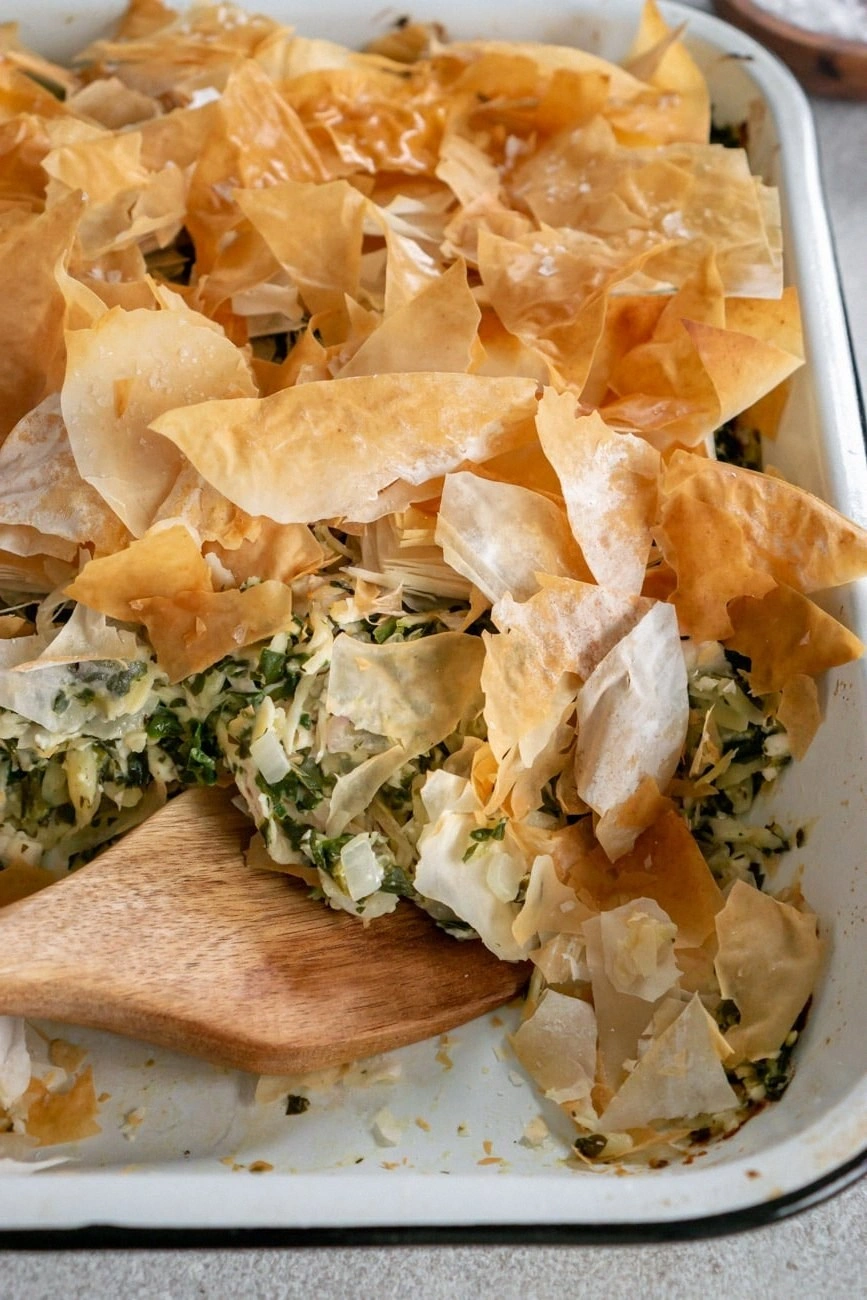
Picture yourself pulling this dish out of the oven, the whole kitchen smelling incredible, the golden phyllo crisping like a fine crust on a loaf of bread. The orzo is perfectly al dente, the spinach is silky, and the feta adds a salty tang that cuts through the richness. I dare you to taste this and not go back for seconds. That sizzle when it hits the pan? Absolute perfection. This is hands down the best version you'll ever make at home.
I confess, I ate half the batch before anyone else got to try it, and the rest was a testament to how simple ingredients can become a masterpiece when you know the right tricks. Most recipes get this completely wrong by overcooking the chicken or underseasoning the sauce. Here, the chicken stays juicy, the sauce coats the pasta like velvet, and the phyllo edges shatter like thin ice. If you've ever struggled with this, you're not alone — and I've got the fix. Stay with me here — this is worth it.
The secret? A blend of Greek tradition and modern convenience. The spinach isn’t just tossed in; it’s sautéed with onions, shallots, and garlic, then de‑watered to keep the bake from becoming a soggy mess. The orzo is cooked in a sauce that’s thickened with a roux of butter and flour, then finished with half and half for that silky finish. The feta and herbs bring brightness, while the lemon adds a citrusy lift that keeps everything from feeling heavy.
Let me walk you through every single step — by the end, you'll wonder how you ever made it any other way. We’ll start by prepping the chicken, then build the flavorful base, incorporate the orzo and spinach, layer the phyllo, and finish with a golden crust. Along the way, I’ll drop a few hacks that will save you time and elevate the dish. And trust me, when you see the final result, you’ll be tempted to start the recipe again just to taste that first bite.
The next section breaks down why this version stands out from the endless variations you’ll find online. From texture to crowd reaction, from ingredient quality to cooking method, every element has been fine‑tuned. But before we dive into the why, let’s make sure you understand the why. The journey from raw ingredients to a plated masterpiece is a story worth telling, and I’ve got the chapters ready.
Alright, let’s break down exactly what goes into this masterpiece. The next section will give you a quick snapshot of the key selling points that make this Spanakopita Chicken Bake a standout.
What Makes This Version Stand Out
- Flavor: The sauce is a creamy, herb‑laden hug that envelops every bite. It’s thickened with a roux that gives the dish body without weighing it down. The lemon zest lifts the heaviness, leaving a bright finish.
- Texture: The phyllo layers are buttery, flaky, and crisp, while the orzo stays al dente. The spinach is sautéed until just tender, preventing sogginess. The feta adds a crumbly contrast that melts into the sauce.
- Ease: No complicated steps or exotic ingredients. You’ll only need what’s in your pantry. The method is straightforward, and the bake is forgiving if you’re new to Greek cuisine.
- Uniqueness: The addition of orzo turns a classic spanakopita into a comforting casserole. The chicken adds protein and makes it a hearty dinner, not just a side dish.
- Crowd Reaction: Guests rave about the crispy phyllo and the savory sauce. It’s the kind of dish that turns a casual dinner into a memorable gathering.
- Ingredient Quality: Fresh herbs, quality feta, and good butter elevate the flavor profile. The recipe doesn’t rely on pre‑made mixes; it showcases real ingredients.
- Cooking Method: A single baking step after sautéing keeps the process efficient. The bake finishes with a quick broil for that perfect golden top.
- Make‑Ahead Potential: Prepare the base and assemble the bake up to an hour before cooking. It’s ideal for week‑night dinners or last‑minute entertaining.
Inside the Ingredient List
The Flavor Base
The onions, shallots, and garlic are the heart of this dish. Sautéing them until translucent releases their natural sweetness, creating a foundation that balances the saltiness of feta and the richness of butter. If you skip this step, the sauce will taste flat and the chicken will lack depth. For a vegetarian version, simply omit the chicken and add extra crumbled feta.
The white cooking wine deglazes the pan, lifting the browned bits that carry flavor. It also adds a subtle acidity that cuts through the creaminess. If you don’t have cooking wine, a splash of dry white wine or even a dash of chicken broth works as a substitute. Just remember to let the alcohol evaporate before adding the flour.
The flour creates a roux that thickens the sauce and gives it body. A light roux (equal parts butter and flour) ensures the sauce stays silky without a floury taste. If you’re gluten‑free, substitute a gluten‑free flour blend or use arrowroot powder. The key is to stir constantly to avoid lumps.
The chicken broth adds depth and moisture. It’s the liquid that carries the flavors of the sautéed aromatics. Opt for low‑sodium broth if you’re watching salt intake. If you prefer a richer taste, use a homemade broth or a stock with roasted vegetables.
The half and half finishes the sauce, giving it a creamy, velvety texture. It also helps the feta melt into the mixture. For a lighter version, replace half and half with a combination of milk and Greek yogurt. This swap reduces calories while maintaining creaminess.
The Texture Crew
Orzo is the unsung hero that gives this bake structure. Its small, rice‑shaped pasta absorbs the sauce without becoming mushy. Cooking it in a separate pot ensures it stays firm, while the sauce later coats it for a unified bite. If you’re in a hurry, use pre‑cooked orzo; just stir it into the sauce and let it heat through.
Frozen spinach is chosen for convenience and its ability to retain flavor. Thaw it in a colander and squeeze out the excess water; otherwise, the bake can become soggy. If you have fresh spinach, it can be used as a substitute, but you’ll need to cook it down to the same moisture level. Fresh spinach also brings a vibrant green color that looks stunning on the plate.
Feta cheese adds a salty, tangy bite that cuts through the richness. Crumble it into the sauce so it melts and distributes evenly. For a non‑Greek twist, try goat cheese or a mix of mozzarella and parmesan for a milder flavor. The key is to use a cheese that melts well and doesn’t overpower the dish.
Fresh herbs—thyme and parsley—infuse the sauce with brightness. Thyme’s earthy undertones balance the lemon, while parsley adds a fresh, peppery note. If you’re out of fresh herbs, dried herbs will work, but use half the amount to avoid bitterness. The herbs also add a pop of color that makes the bake visually appealing.
The lemon’s juice provides a citrus zing that lifts the entire dish. It also prevents the feta from becoming overly salty. If you’re allergic to citrus, a splash of vinegar can mimic the acidity. The lemon’s aroma also signals to your senses that the dish is ready to enjoy.
The Unexpected Star
Phyllo dough is the star that brings that signature flaky, buttery crunch. Its thin layers allow the sauce to seep through, creating a mouthful of flavor in every bite. If you can’t find phyllo, try store‑bought puff pastry, though the texture will differ slightly. The key is to keep the phyllo sheets dry; moisture will cause them to steam instead of crisp.
Olive oil spray is used to lightly coat the baking dish, ensuring the phyllo doesn’t stick and creating a crisp finish. It also adds a subtle olive flavor that complements the Greek-inspired dish. If you don’t have a spray, a light brush of olive oil works just as well. This step is essential for that golden, flaky top.
The Final Flourish
The chicken breasts are the protein that turns this into a filling dinner. Season them simply with salt and pepper before browning. The browning creates a caramelized crust that adds depth and prevents the chicken from drying out during baking. If you prefer a vegetarian option, replace the chicken with tofu or tempeh.
The whole cooking process is designed to be approachable. The sautéing, sauce-making, and baking all happen in one pan, minimizing cleanup. The dish is also forgiving; if the sauce thickens too much, add a splash of broth. If it’s too thin, let it simmer a bit longer before adding the orzo.
Everything's prepped? Good. Let's get into the real action, where the magic happens and the flavors truly come together.
The Method — Step by Step
- Prep the Chicken: Pat the chicken breasts dry, season both sides generously with salt and pepper, then set aside. Heat a large oven‑proof skillet over medium‑high heat, add a splash of olive oil spray, and sear the chicken until golden brown on each side, about 3 minutes per side. This browning step locks in juices and creates a savory crust that will carry through the bake. Once seared, remove the chicken and set aside.
- Build the Aromatic Base: In the same skillet, reduce heat to medium, add 5 tablespoons of unsalted butter, and let it melt until foamy. Toss in the diced yellow onion, minced shallots, and minced garlic, sautéing until the onions turn translucent and fragrant, about 5 minutes. Stir in 1 tablespoon of white cooking wine, letting it reduce by half to lift the browned bits from the bottom. This deglazing step is crucial for flavor depth.
- Create the Roux: Sprinkle 1/4 cup of all‑purpose flour over the onion mixture, whisking constantly to form a smooth paste. Cook the roux for 1–2 minutes until it turns a light golden color, which signals the flour has cooked through. This thickening agent will give the sauce body and prevent it from being watery. Keep the mixture moving to avoid clumps.
- Incorporate Liquids: Pour in 1 1/4 cup of chicken broth, whisking vigorously to combine the roux and broth into a silky sauce. Stir in 1 cup of half and half, allowing the mixture to come to a gentle simmer. The sauce should thicken slightly, coating the back of a spoon. This is the heart of the dish, where creaminess meets savory.
- Add the Spinach: Fold in 12 ounces of thawed, drained frozen spinach, breaking it up with a spoon. Stir until the spinach is fully incorporated and heated through, about 3 minutes. The spinach’s moisture will integrate into the sauce, creating a lush, green layer that complements the feta.
- Introduce the Cheese and Herbs: Crumble 8 ounces of feta into the skillet, letting it melt into the sauce. Add 1/2 tablespoon of fresh thyme and 1 tablespoon of fresh parsley, stirring until the herbs release their aroma. Squeeze the juice of half a lemon into the mixture, brightening the flavor profile. The combination of salt, herbs, and lemon creates a harmonious balance.
- Cook the Orzo: While the sauce simmers, bring a pot of salted water to a boil and add 1 cup of uncooked orzo. Cook for 8–10 minutes until al dente, then drain and reserve a cup of pasta water. Toss the cooked orzo into the skillet, stirring to coat it evenly with the sauce. If the mixture feels too thick, add a splash of reserved pasta water to loosen it.
- Layer the Phyllo: Lightly grease a 9-inch square baking dish with olive oil spray. Lay a sheet of phyllo over the bottom, letting the edges hang over the sides. Brush the sheet with melted butter, then add a second sheet, repeating the butter brush. Continue layering 8 sheets, ensuring each sheet is buttered and slightly overlapping to create a sturdy base. The buttered phyllo will bake into a crisp, golden crust.
- Assemble the Bake: Spread the chicken breasts evenly across the phyllo base. Pour the orzo and sauce mixture over the chicken, ensuring even coverage. Sprinkle the remaining feta on top, then carefully lay the remaining phyllo sheets over the casserole, tucking the edges into the sides of the dish. The phyllo will seal in the moisture while crisping on top.
- Bake to Perfection: Preheat the oven to 375°F (190°C). Place the dish in the oven and bake for 30 minutes, or until the phyllo edges are golden brown and the sauce is bubbling. For an extra crisp top, switch the oven to broil for the last 2–3 minutes, watching closely to prevent burning. The aroma during baking will be irresistible, a promise of the flavors to come.
- Rest and Serve: Remove the bake from the oven and let it rest for 5 minutes before slicing. This resting period allows the flavors to settle and the sauce to thicken slightly. Slice carefully to keep the layers intact, then serve hot with a side of crusty bread or a fresh salad. The result is a comforting, Greek‑inspired casserole that feels like a feast.
Insider Tricks for Flawless Results
The Temperature Rule Nobody Follows
Many cooks bake at a high temperature, but the secret to a crisp phyllo is a steady, moderate heat. Baking at 375°F (190°C) allows the layers to brown evenly without burning. If you’re using a convection oven, reduce the temperature by 25°F to avoid over‑browning. This trick ensures a golden finish that’s both beautiful and delicious.
Why Your Nose Knows Best
The aroma of the sautéed onions and garlic is a reliable indicator that the base is ready. When the onions are translucent and the garlic has released its perfume, the sauce will begin to thicken. If you smell a burnt scent, the butter is over‑cooked. Trust your nose to guide you to the perfect sauté.
The 5‑Minute Rest That Changes Everything
Resting the bake for five minutes after removing it from the oven may seem trivial, but it’s essential. This short pause allows the sauce to set slightly, making it easier to slice without the layers falling apart. It also lets the flavors meld, giving the dish a cohesive taste. A quick rest is the final touch that elevates the entire experience.
The Butter Trick for Extra Flakiness
Butter is the secret to that flaky, golden phyllo. Melt the butter in a small saucepan and drizzle it over each sheet before baking. If you prefer a lighter version, use clarified butter to reduce the fat content while maintaining flavor. The butter not only adds richness but also helps the phyllo crisp up beautifully.
The Lemon Juice Balancer
A half‑lemon’s worth of juice is enough to brighten the dish without overpowering the feta. If you’re allergic to citrus, a splash of white wine vinegar can provide the needed acidity. The key is to add the lemon at the end of the sauce’s simmer, preserving its bright, fresh note.
The Spinach Squeeze
When thawing frozen spinach, always squeeze out the excess water. Excess moisture will dilute the sauce and make the bake soggy. A quick press in a clean towel removes the moisture efficiently. If you’re using fresh spinach, cook it down to a similar moisture level for consistency.
The Feta Freshness Check
Choose a feta that is firm and crumbly; it will crumble evenly into the sauce. If the feta is too soft, it may not melt properly and could clump. For a milder flavor, use a Greek feta with a lower salt content. Freshness is key to a balanced, savory finish.
The Phyllo Layering Technique
Lay each phyllo sheet with the folded edge down; this helps prevent tearing and makes handling easier. Brush each sheet with melted butter before adding the next to ensure even browning. If you’re short on time, use a pre‑buttered phyllo sheet from the store, but the homemade buttered layers give a superior taste.
Creative Twists and Variations
This recipe is a playground. Here are some of my favorite ways to switch things up:
Mediterranean Mushroom Spanakopita
Swap the chicken for sautéed mushrooms, adding a hearty, earthy flavor. Use cremini or shiitake for depth. The mushrooms soak up the sauce beautifully, creating a vegetarian version that still feels indulgent.
Spicy Tex‑Mex Spanakopita
Add a teaspoon of smoked paprika and a pinch of cayenne to the sauce for a subtle heat. Replace feta with pepper jack for a milder, creamy texture. This fusion twist turns the dish into a bold, flavor‑rich casserole.
Italian Sausage Spanakopita
Replace the chicken with cooked Italian sausage, crumbled into the sauce. The sausage’s herbs and spices mingle with the Greek flavors for a unique cross‑cuisine experience. Serve with a drizzle of olive oil for added richness.
Low‑Carb Spanakopita
Use cauliflower rice instead of orzo to keep the dish low in carbs. The cauliflower absorbs the sauce and retains a similar texture. Pair with a side salad for a balanced meal.
Breakfast Spanakopita
Add a handful of chopped spinach and a handful of crumbled feta to a skillet, whisk in a few eggs, and cook until set. Layer the mixture in a skillet with phyllo sheets and bake until golden. Serve with a splash of hot sauce for a quick breakfast.
Vegan Spanakopita
Omit the chicken, use a vegan cheese substitute, and replace the half and half with coconut milk. The result is a creamy, dairy‑free casserole that still delivers that signature Greek flavor.
Roasted Red Pepper Spanakopita
Blend roasted red peppers into the sauce for a smoky sweetness. The peppers pair wonderfully with the feta’s saltiness. This version adds a pop of color and a subtle caramel flavor.
Storing and Bringing It Back to Life
Fridge Storage
Let the bake cool completely, then cover tightly with plastic wrap or a lid. Store in the refrigerator for up to 3 days. The phyllo may soften slightly, but reheating will restore its crispness. When ready to serve, reheat in a pre‑heated oven at 350°F (175°C) for 15 minutes.
Freezer Friendly
For longer storage, wrap the cooled bake in parchment paper, then in foil, and freeze for up to 2 months. Thaw in the refrigerator overnight before reheating. This method preserves the flavors and texture, allowing you to enjoy a fresh‑baked casserole at any time.
Best Reheating Method
Reheat in a 350°F (175°C) oven for 10–12 minutes, or until the internal temperature reaches 165°F (74°C). To keep the phyllo crisp, finish with a quick broil for 1–2 minutes, watching closely. Add a tiny splash of water before reheating; it steams the dish back to perfection, preventing dryness.
With these storage tips, you’ll never waste a single bite. The dish can be made ahead for busy weeknights or special occasions. It’s the kind of casserole that warms the heart and satisfies the soul.
In conclusion, this Spanakopita Chicken Bake is more than a recipe; it’s a culinary adventure that brings together comfort, flavor, and tradition. The layers of buttery phyllo, creamy sauce, and tender chicken create a symphony of textures that dance on the palate. Whether you’re a seasoned cook or a kitchen newbie, the steps are clear, the ingredients are accessible, and the results are unforgettable. Give it a try, share it with friends, and watch the smiles light up the room.