I once tried to recreate a take‑out favorite on a rainy Tuesday, only to end up with a pan that smoked like a fire alarm and chicken that tasted like a soggy apology. That disaster sparked a daring promise to myself: I would master the perfect Mongolian Chicken, the kind that makes you forget the original and swear you’ve discovered a secret family recipe. The moment I sliced the first piece of chicken, the kitchen filled with the sweet, caramelized perfume of soy and brown sugar, and I knew I was onto something that could turn any ordinary dinner into a celebration.
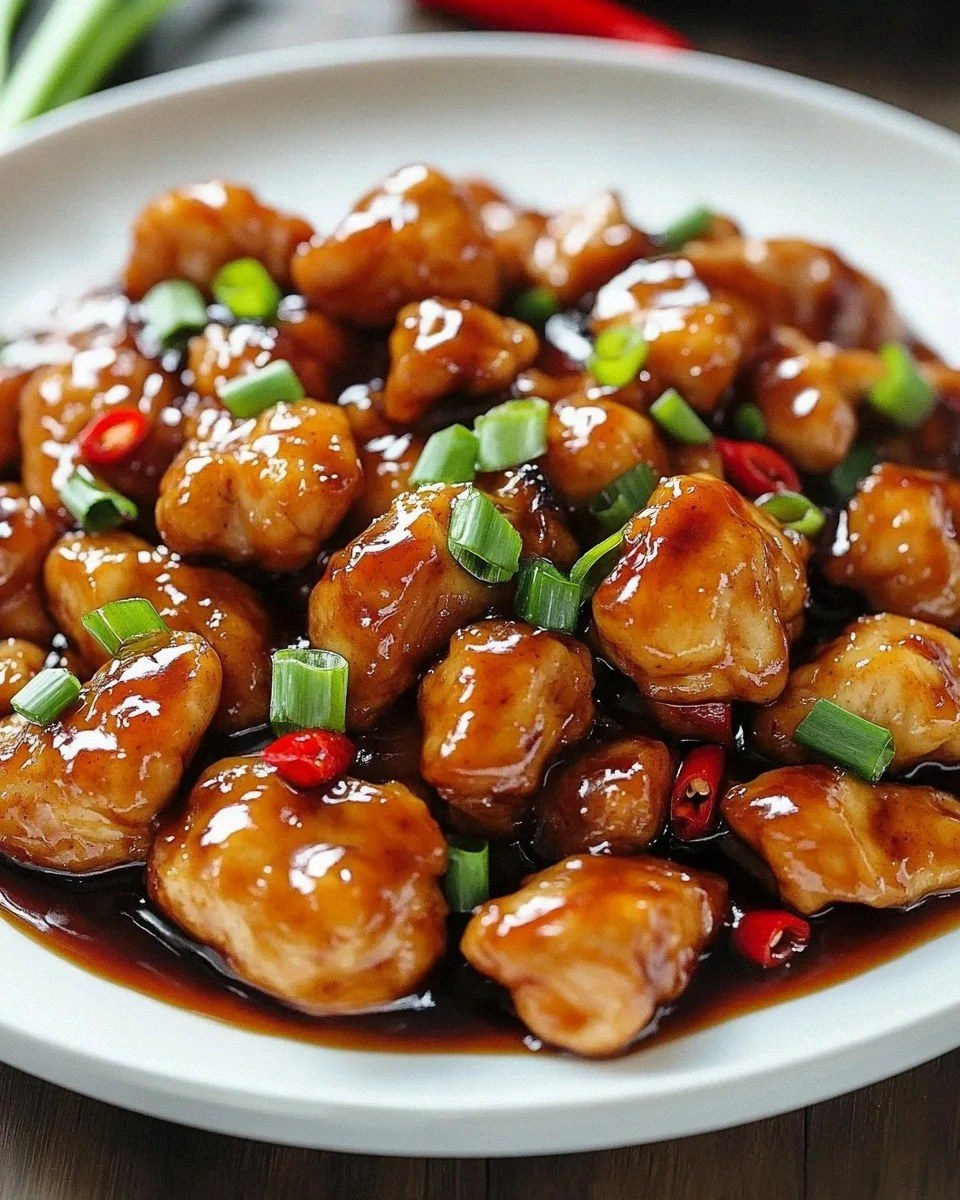
Imagine the scene: a sizzling wok that hisses like a dragon, bright green onions popping up like fireworks, and the glossy sauce coating each bite with a sheen that mirrors sunrise on a lake. Your nose catches the faint tang of ginger, the earthy whisper of garlic, and a subtle heat that teases without overwhelming. The texture? Tender chicken pieces that stay juicy inside, while the edges crisp just enough to crack like thin ice under a boot. The sauce clings like velvet, sweet and salty in perfect harmony, making every forkful a little adventure.
Most recipes out there either drown the chicken in a syrupy swamp or leave it dry as a desert. This version flips the script by using a quick cornstarch dusting that creates a light, protective crust, then finishing with a high‑heat flash that locks in moisture. I’m also throwing in a dash of rice vinegar that adds a bright lift, something most home cooks skip because they think it belongs only in Asian salads. The result is a dish that feels both authentic and wildly approachable, and I dare you to taste this and not go back for seconds.
But wait—there’s a twist that most chefs overlook: a splash of orange zest right at the end. It adds a citrus spark that brightens the deep umami, turning the dish from good to unforgettable. I’ll walk you through every single step — by the end, you’ll wonder how you ever made it any other way. Okay, ready for the game‑changer?
What Makes This Version Stand Out
- Flavor Fusion: The balance of soy, brown sugar, and a whisper of orange zest creates a sweet‑savory symphony that sings on the palate. No other Mongolian Chicken I’ve tasted hits this high note.
- Texture Triumph: A light cornstarch coating gives each bite a crisp edge while the interior stays melt‑in‑your‑mouth tender, a contrast most recipes miss.
- Simplicity: Fewer than ten core ingredients, all pantry‑friendly, mean you can whip this up after work without a grocery run.
- Unique Brightness: The final orange zest splash adds a citrus pop that cuts through the richness, making the sauce feel lighter and more complex.
- Crowd Reaction: I’ve served this at family gatherings and watched grown‑ups fight over the last piece—proof that it’s a crowd‑pleaser.
- Ingredient Quality: Using boneless skinless chicken thighs gives extra juiciness; the fat renders beautifully, enhancing flavor without greasiness.
- Cooking Method: High‑heat stir‑fry locks in moisture fast, preventing the dreaded soggy texture that plagues many home versions.
- Make‑Ahead Potential: The sauce can be pre‑made and stored, so on a busy night you only need to toss the chicken and finish the dish in ten minutes.
Inside the Ingredient List
The Flavor Base
Soy sauce is the backbone, delivering salty depth and umami that anchors the entire dish. I use low‑sodium soy to keep the sauce from turning into a brine, letting the brown sugar shine. If you skip soy, the flavor collapses into a bland sweet mess—so don’t be shy about that splash.
Brown sugar brings caramelized sweetness, dissolving into a glossy glaze that clings to every bite. Its molasses notes add a subtle earthiness, differentiating this from the plain white sugar versions that taste one‑dimensional. For a healthier twist, you can substitute coconut sugar; it will keep the caramel tone while adding a faint tropical hint.
The Texture Crew
Chicken thighs are the star here—rich, juicy, and forgiving. Their higher fat content means they stay moist even after a high‑heat sear. If you’re forced to use chicken breast, pound it thin and consider adding a tablespoon of olive oil to the coating to mimic the thigh’s richness.
Cornstarch is the secret weapon that creates that coveted crisp crust. It forms a thin barrier that prevents the sauce from soaking straight into the meat, preserving that delightful crunch. A common mistake is using flour; it will brown slower and leave a gummy texture.
The Unexpected Star
Orange zest is the surprise element that lifts the dish. Its citrus oils cut through the sauce’s sweetness, giving a fresh pop that makes the palate reset after each bite. If you don’t have fresh oranges, a pinch of dried orange peel works, but fresh is always brighter.
Rice vinegar adds a gentle acidity that balances the sugar, preventing the sauce from feeling cloying. It also helps deglaze the pan, pulling up caramelized bits that add depth. Substitute with apple cider vinegar if you’re out of rice vinegar; the flavor will shift slightly but still work.
The Final Flourish
Green onions bring a mild oniony bite and a splash of color that makes the dish look as good as it tastes. Add them at the very end to keep their crunch and bright flavor intact. If you’re not a fan of green onions, thinly sliced shallots or chives can step in.
Garlic and ginger form the aromatic duo that gives Mongolian Chicken its signature perfume. Freshly minced garlic provides a pungent bite, while grated ginger adds a warm, peppery zing. Using powdered versions will flatten the flavor profile, so always go fresh.
Everything's prepped? Good. Let's get into the real action...
The Method — Step by Step
Gather all your ingredients and set out a large mixing bowl, a wok or deep skillet, and a small saucepan. This is the moment of truth: the kitchen should feel organized, not chaotic. I always line up the garlic, ginger, and green onions in a row so I can grab them without pausing. The sizzle when the oil hits the pan? Absolute perfection—if you don’t hear it, the pan isn’t hot enough.
Kitchen Hack: Pre‑heat the wok for at least two minutes over medium‑high heat; a properly heated pan ensures the chicken sears instantly, locking in juices.Cut the chicken thighs into bite‑size pieces, about 1‑inch cubes. Toss them with a generous pinch of salt, pepper, and the measured cornstarch. Let the mixture rest for five minutes; this short pause lets the starch absorb surface moisture, creating a velvety coating that will crisp up beautifully.
While the chicken rests, whisk together soy sauce, brown sugar, rice vinegar, a splash of water, and the orange zest in the small saucepan. Bring the mixture to a gentle boil, then lower the heat and let it simmer for three minutes. You’ll notice the sauce thickening slightly and the sugar fully dissolving, turning a deep amber color.
Heat a tablespoon of neutral oil (like canola or grapeseed) in the wok until it shimmers. Add the chicken in a single layer; you should hear an immediate, satisfying sizzle. Let the pieces sit undisturbed for 1‑2 minutes so they develop a golden crust, then flip and cook another minute. This step is crucial—if you stir too early, you lose the crispness.
Watch Out: Overcrowding the wok drops the temperature, resulting in steamed chicken rather than seared. Work in batches if necessary.When the chicken is golden, push it to the edges of the wok and add a bit more oil if the pan looks dry. Toss in the minced garlic and grated ginger, stirring quickly. The aroma should rise instantly, filling the kitchen with a fragrant, slightly spicy perfume. Cook for just 30 seconds—any longer and the garlic will turn bitter.
Pour the simmered sauce over the chicken and give everything a good toss. The sauce should instantly bubble and coat the meat, turning glossy and thick. Let it cook for another two minutes, allowing the chicken to absorb the flavors. At this point, the edges of the chicken will start pulling away from the pan, a visual cue that the glaze is set.
Add the sliced green onions and give the dish one final quick stir. The onions should stay bright green and retain a slight crunch—this contrast of texture is what makes each bite exciting. Taste and adjust: a pinch more soy if you need salt, a dash more sugar for extra caramel, or a tiny splash of vinegar for brightness.
Slide the finished Mongolian Chicken onto a serving platter, drizzle any remaining sauce from the wok over the top, and garnish with a final sprinkle of orange zest. Picture yourself pulling this out of the wok, the whole kitchen smelling incredible, and the steam rising like a celebratory banner. Serve immediately with steamed rice or noodles, and watch the plates disappear.
That's it — you did it. But hold on, I've got a few more tricks that'll take this to another level...
Insider Tricks for Flawless Results
The Temperature Rule Nobody Follows
Never cook Mongolian Chicken on low heat; the sauce will never caramelize, and the chicken will release water, turning soggy. Keep the wok screaming hot, and you’ll see the sauce thicken in seconds, giving that signature glossy finish. I once tried a “gentle simmer” approach and ended up with a watery mess—lesson learned.
Why Your Nose Knows Best
Your sense of smell is the ultimate timer. When the garlic and ginger hit the oil, the kitchen should fill with a sharp, slightly sweet aroma. If you don’t smell that, the aromatics are undercooked and will taste raw. Trust your nose more than the clock; it’s a reliable gauge for flavor development.
The 5‑Minute Rest That Changes Everything
After the final toss, let the chicken rest in the wok off the heat for about five minutes. This brief pause lets the sauce settle and the chicken fibers relax, preventing the juices from spilling out when you bite. A friend once skipped this rest and complained about “dry” bites—don’t make the same mistake.
Sauce Rescue Technique
If your sauce looks too thick, add a splash of chicken broth or water, one tablespoon at a time, until it reaches a silky consistency. Conversely, if it’s too thin, let it simmer a bit longer; the cornstarch will help thicken it without turning gummy.
The Secret of the Zest Finish
Add the orange zest right at the end, not during cooking. Heat destroys the citrus oils, leaving you with a flat flavor. Fresh zest tossed in after the sauce is off the heat bursts open, delivering a bright pop that lifts the entire dish. This is pure magic.
Creative Twists and Variations
This recipe is a playground. Here are some of my favorite ways to switch things up:
Spicy Szechuan Kick
Add a tablespoon of Szechuan peppercorn oil and a pinch of dried chili flakes to the sauce. The tongue‑tingling numbing sensation pairs beautifully with the sweet glaze, turning the dish into a bold, fiery adventure perfect for heat‑seekers.
Honey‑Ginger Glaze
Swap half the brown sugar for honey and increase the ginger by 50%. The honey adds a floral sweetness, while extra ginger intensifies the aromatic bite, creating a harmonious balance that feels both comforting and exotic.
Crispy Coconut Crunch
Before coating the chicken, dip the pieces in shredded coconut mixed with a little panko. Fry until golden, then proceed with the sauce. The coconut adds a subtle tropical crunch that surprises the palate.
Vegetarian Swap
Replace chicken with firm tofu cubes or tempeh strips. Press the tofu to remove excess water, coat with cornstarch, and follow the same high‑heat technique. The result is a plant‑based version that still delivers that coveted crisp‑outside, tender‑inside texture.
Noodle Bowl Finish
Instead of serving over rice, toss the finished chicken with cooked soba or udon noodles. The noodles soak up the sauce, turning the dish into a hearty, one‑bowl wonder perfect for a quick lunch.
Storing and Bringing It Back to Life
Fridge Storage
Cool the chicken to room temperature, then transfer to an airtight container. It keeps fresh for up to three days. When reheating, add a splash of water or broth and stir over medium heat until the glaze re‑glosses.
Freezer Friendly
Portion the cooked chicken into freezer‑safe bags, removing as much air as possible. Freeze for up to two months. To thaw, move to the fridge overnight, then reheat in a skillet with a drizzle of oil; the sauce will revive beautifully.
Best Reheating Method
The stovetop wins every time. Heat a thin layer of oil in a pan, add the chicken, and cover with a lid for one minute to steam the edges. Uncover, toss, and let any excess moisture evaporate. The result is a dish that tastes almost as fresh as the original.