Picture this: it’s a sunny Saturday morning, the garden is buzzing with the clatter of brunch plates, and somewhere in the chaos you hear a glass shatter. Not the kind of shatter you dread, but the celebratory pop of a champagne bottle that’s been waiting for the perfect moment to unleash its bubbles. I was in the middle of a disastrous pancake flip—flour everywhere, a burnt edge that could have been used as a makeshift charcoal—when a friend dared me to create a drink station that could turn any brunch into a full‑blown Easter extravaganza. I accepted, because honestly, who can say no to a challenge that involves sparkling wine and pastel décor?
The kitchen quickly transformed into a sensory playground. The citrusy zing of freshly squeezed orange juice danced with the subtle sweetness of pineapple, while the faint perfume of blooming garden flowers seeped through the open windows. I could hear the soft fizz of champagne as it cascaded into crystal flutes, the clink of ice against glass, and the low hum of conversation that turned into laughter when someone discovered the strawberry‑blueberry swirl. My hands felt the cool glass, the sticky fruit puree, and the smooth, velvety ribbons of simple syrup that tied everything together. The whole scene smelled like a spring market—bright, hopeful, and a little bit intoxicating.
What made this version of a mimosa bar stand out from the countless Instagram‑worthy versions I’d seen? First, I refused to settle for the one‑dimensional orange‑only approach. Second, I introduced a “flavor‑layer” system that lets guests build their own cocktail masterpiece, moving from base to burst to garnish with the precision of a mixology lab. Most importantly, I added a secret weapon: a dash of elderflower liqueur that whispers floral notes without stealing the spotlight. The result? A drink that sings with every sip, a celebration in a glass that feels as festive as an Easter egg hunt.
And here’s the kicker: the technique I’m about to share involves a quick‑freeze method for fruit purees that locks in flavor like a vault, plus a simple garnish hack that makes each glass look like it was curated by a florist. I dare you to taste this and not go back for seconds. Let me walk you through every single step — by the end, you’ll wonder how you ever made it any other way.
What Makes This Version Stand Out
- Flavor Depth: By layering orange, pineapple, and berry purees, you get a multi‑dimensional taste that evolves with each sip, unlike the flat, one‑note mimosa most people settle for.
- Texture Play: The addition of chilled sparkling water creates a light, airy mouthfeel that balances the richness of champagne, giving you that perfect “kiss of bubbles” sensation.
- Simplicity Meets Sophistication: All components can be pre‑made the night before, yet the final assembly feels like a bespoke cocktail experience.
- Unique Ingredient: Elderflower liqueur adds an ethereal floral hint that most mimosa bars completely overlook, turning ordinary brunch into an unforgettable affair.
- Crowd Reaction: Guests love the interactive element—mixing their own drinks feels like a mini‑science experiment, and the Instagram‑ready presentation guarantees endless photo ops.
- Ingredient Quality: Using freshly squeezed juice and high‑quality sparkling wine ensures the flavors shine without any artificial aftertaste.
- Method Mastery: The quick‑freeze pureeing technique locks in freshness, preventing the dreaded watery texture that can ruin a mimosa.
- Make‑Ahead Potential: All purees and garnish trays can be assembled up to 24 hours ahead, freeing you to enjoy the party instead of being stuck in the kitchen.
Inside the Ingredient List
The Flavor Base
Freshly Squeezed Orange Juice (2 cups): This is the backbone of any mimosa, providing that bright citrus punch. If you skip it, you lose the classic mimosa identity and end up with a generic sparkling cocktail. For the best flavor, use Valencia oranges— their high sugar content gives a natural sweetness without needing extra syrup. Swap: Blood orange juice for a deeper color and richer taste.
Pineapple Juice (1 cup): Adds tropical sunshine and a subtle acidity that cuts through the champagne’s dryness. Skipping pineapple makes the drink overly sweet and one‑dimensional. Look for a brand with no added sugar, or better yet, blend fresh pineapple chunks. Buying tip: Choose pineapples that are heavy for their size; they’re juicier.
The Texture Crew
Strawberry Puree (½ cup): Gives a silky, ruby‑red swirl that looks gorgeous in a glass. If omitted, you lose that visual pop and a hint of natural sweetness. Blend frozen strawberries with a splash of water for a thick, pour‑able consistency. Swap: Raspberry puree for a tangier edge.
Blueberry Puree (½ cup): Provides a deep indigo contrast and a slightly tart undertone that balances the orange. Forgetting it results in a monotone drink. Freeze the blueberries first for a brighter color, then blitz. Tip: Add a pinch of lemon zest to brighten the flavor.
The Unexpected Star
Elderflower Liqueur (¼ cup, optional): This is the secret weapon that elevates the mimosa from ordinary to extraordinary. Without it, the drink can feel flat; with it, you get a whisper of floral perfume that lingers on the palate. Use a quality brand like St‑Germain for authenticity. Alternative: A splash of rose water for a non‑alcoholic floral note.
Simple Syrup (2 tbsp, optional): Balances the acidity of the juices, especially if you’re using very tart fruit. Skipping it can make the drink too sharp for some guests. Make it by dissolving equal parts sugar and water over low heat, then cool.
The Final Flourish
Brut Champagne or Sparkling Wine (2 bottles, 750 ml each): The star of the show. Choose a dry, well‑chilled bottle; the dryness lets the fruit flavors shine. Cheap, overly sweet sparkling wines will mask the nuance of the purees. Pro tip: Keep the bottles in a bucket of ice for at least 30 minutes before serving.
Fresh Mint Leaves, Edible Flowers, Citrus Slices, and Fruit Garnishes: These are the visual and aromatic accents that turn a simple drink into a celebration. If you skip garnish, you lose the festive vibe that makes Easter brunch Instagram‑gold. Pick mint that’s bright green and not wilted; choose edible flowers like violets or pansies for pastel charm.
Everything's prepped? Good. Let’s get into the real action…
The Method — Step by Step
Start by chilling your champagne. Fill a large bucket with ice and water, submerge the bottles, and let them sit for at least 30 minutes. You’ll hear the faint clink of ice against glass— that’s the sound of anticipation. The colder the wine, the slower it releases its bubbles, giving you more control when you pour.
While the champagne chills, squeeze the oranges. Use a handheld juicer for maximum extraction; you’ll get a bright, pulpy liquid that smells like sunshine. Strain the juice through a fine‑mesh sieve to remove pulp— we want a smooth base, not a chunky mess.
Kitchen Hack: After juicing, pour the orange juice into a shallow tray and freeze it for 20 minutes; this makes it easier to blend with other liquids later.Combine the pineapple juice with the orange base in a large pitcher. Give it a gentle stir; the aroma should be a tropical breeze with a citrus edge. Taste and decide if you need the optional simple syrup— remember, you can always add more later, but you can’t take it out.
Prepare the strawberry and blueberry purees. Toss the frozen berries into a blender, add a splash of water, and blend until silky. If the puree looks too thick, add a teaspoon of water at a time; you want it pour‑able but not watery.
Watch Out: Over‑blending can break down the fruit’s natural pectin, resulting in a runny puree that will dilute your mimosa.Transfer each puree into separate ice‑cube trays and freeze for at least 2 hours. This step is pure magic because the frozen cubes act as flavor bombs that melt slowly, keeping the drink chilled without watering it down.
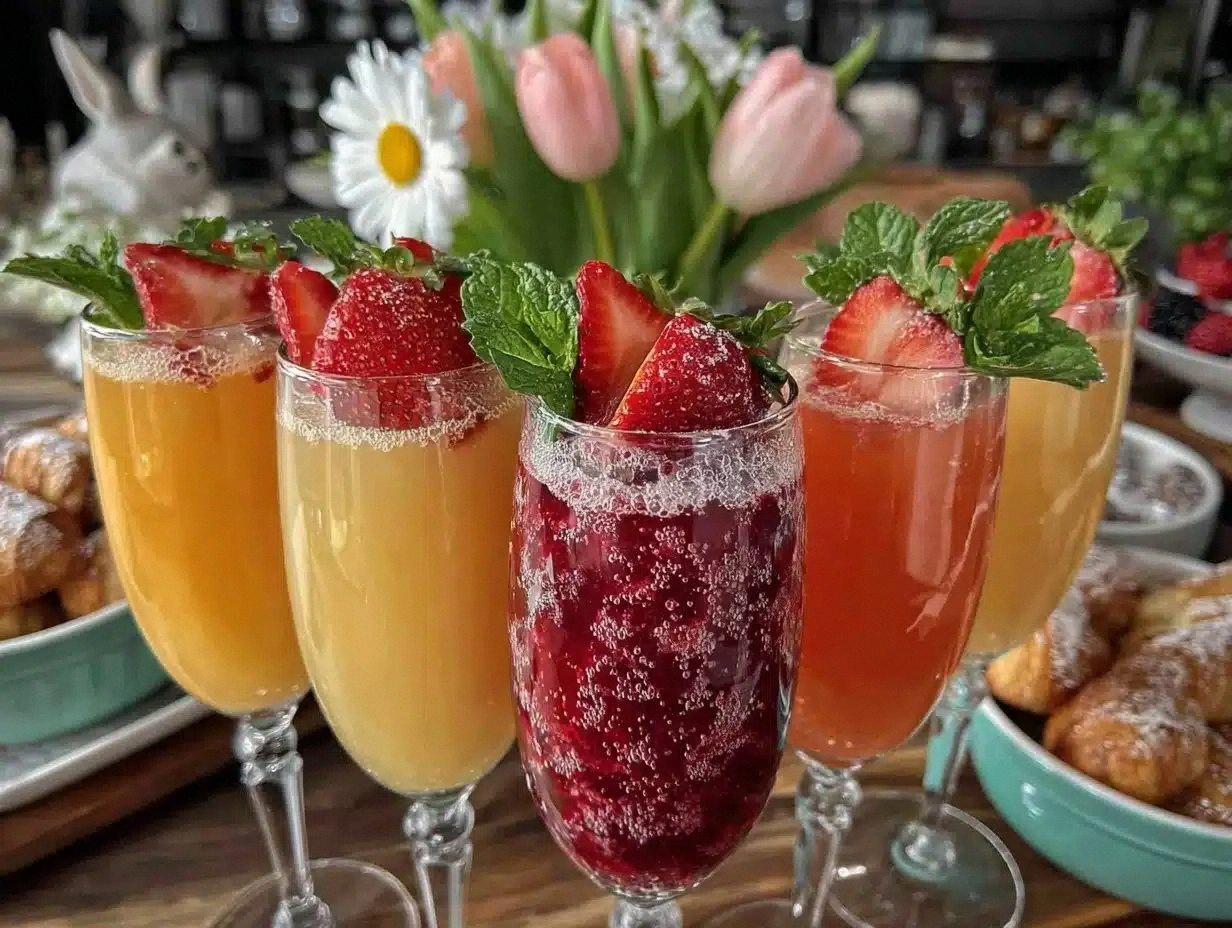
Set out your garnish station: arrange fresh mint sprigs, sliced citrus wheels, pineapple chunks, and edible flowers in shallow bowls. The visual appeal is crucial— guests will be drawn to the colors and will want to create their own masterpiece.
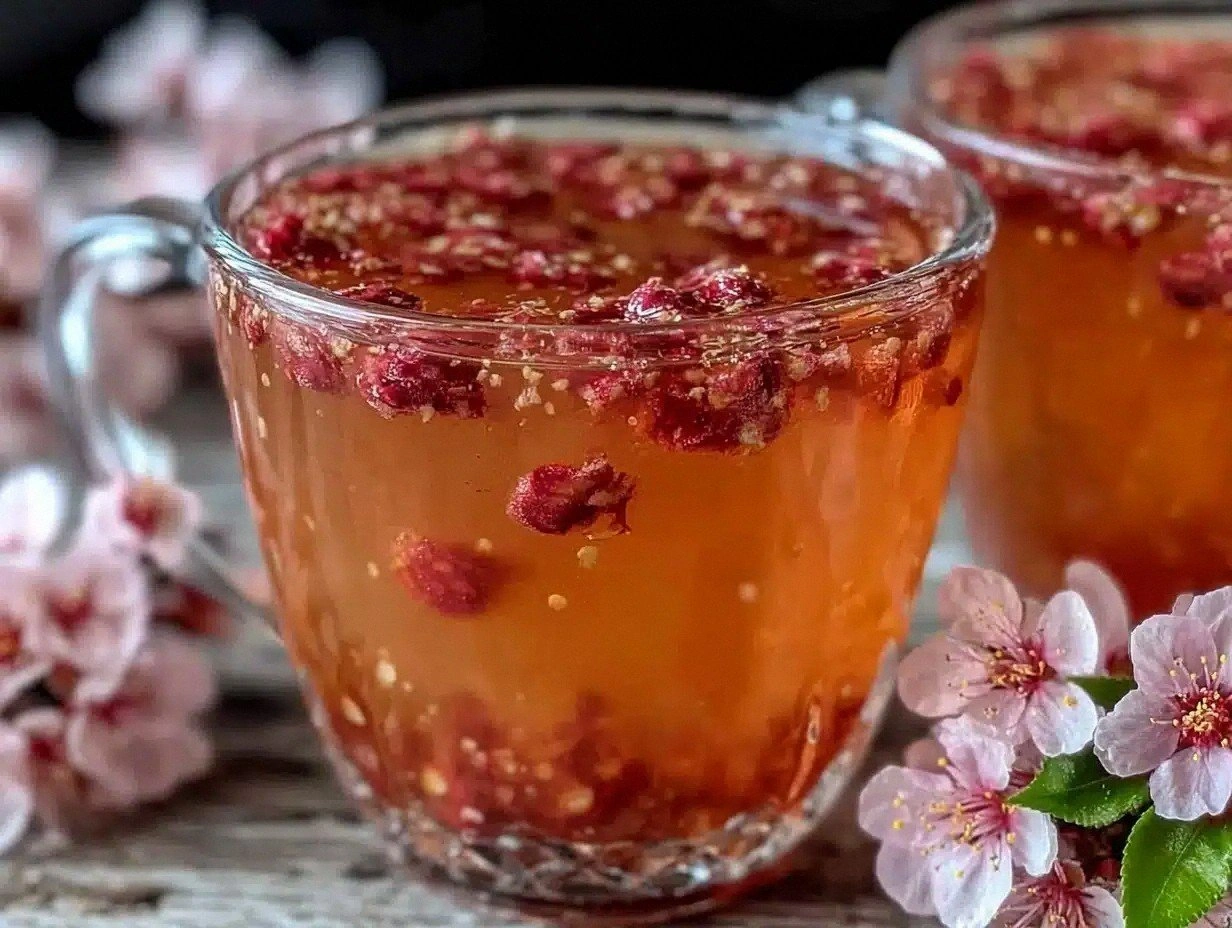
When it’s time to serve, fill each flute halfway with chilled champagne. Then, let guests add a splash of the orange‑pineapple base, followed by a dollop of their chosen berry puree. The bubbles will swirl around the puree, creating a marbled effect that looks like a sunrise over a spring meadow.
If you’re using elderflower liqueur, drizzle a teaspoon over the top now. The aroma will rise with the fizz, delivering a floral whisper that’s unmistakably Easter.
Finish each glass with a garnish of mint, a flower, and a citrus twist. Give the mint a quick slap between your hands to release its oils— that’s the secret that makes the scent pop.
That’s it — you did it. But hold on, I’ve got a few more tricks that'll take this to another level…
Insider Tricks for Flawless Results
The Temperature Rule Nobody Follows
Most home chefs think “cold” is enough, but the truth is a 45 °F base juice paired with 38 °F champagne creates the perfect temperature gradient. If the juice is too warm, the bubbles die faster; if it’s too cold, the flavors mute. Keep your juices in the fridge, not the freezer, and let the champagne sit out for five minutes before serving to achieve that sweet spot. I once served a mimosa with room‑temperature juice and the whole thing tasted flat— lesson learned.
Why Your Nose Knows Best
Before you pour, give the glass a quick sniff. If you detect any off‑notes— a sourness that feels like a lemon that’s gone bad, or a metallic hint— it’s a sign the juice has oxidized. Trust your nose more than the clock; fresh juice should smell like a sun‑kissed orchard, not a pantry. This little sensory check saved me from serving a batch that had sat out too long, and my guests never even knew the difference.
The 5‑Minute Rest That Changes Everything
After mixing the base juices, let the mixture rest for five minutes. This short pause allows the flavors to meld, creating a harmonious blend where the pineapple doesn’t dominate the orange. I used to pour immediately and ended up with a punchy, unbalanced drink. The rest period is the quiet hero that brings balance without any extra effort.
Garnish Geometry
Don’t just toss garnish in; think about placement. A mint leaf on the rim adds aroma with every sip, while a flower floated on top creates a visual “wow” factor. Arrange citrus wheels on a skewer so guests can dip the rim for an extra burst of zest. This attention to detail turns a simple mimosa into a conversation starter.
Batch‑Ready Bubbles
If you’re feeding a crowd, consider pre‑mixing a “mimosa pitcher” that’s 70 % champagne and 30 % juice. Keep it chilled and give it a gentle stir just before serving. The bubbles stay lively, and you avoid the frantic race to pour each glass individually. I tried this at a family reunion and it saved me from the dreaded “last glass is flat” complaint.
Creative Twists and Variations
This recipe is a playground. Here are some of my favorite ways to switch things up:
Lavender Dream
Swap the elderflower liqueur for a teaspoon of culinary lavender syrup and add a sprig of dried lavender to the garnish. The result is a perfumed, pastel‑purple drink that feels like a spring garden in a glass.
Spicy Sunrise
Introduce a dash of ginger‑infused simple syrup and a thin slice of jalapeño to the garnish. The subtle heat pairs beautifully with the citrus, creating a mimosa that wakes up the palate.
Tropical Tiki
Replace the orange juice with passion fruit puree, add a splash of coconut rum, and garnish with a tiny umbrella and toasted coconut flakes. This version transports you straight to a beachside brunch.
Berry‑Burst
Double the berry purees— add blackcurrant and pomegranate— for a deep, ruby‑red cocktail. The richer color makes the drink perfect for a sophisticated Easter dinner.
Non‑Alcoholic Blossom
Use sparkling water or a high‑quality non‑alcoholic brut in place of champagne, keep all the fruit bases, and add a splash of white grape juice for body. Kids and designated drivers will love it, and it still feels festive.
Storing and Bringing It Back to Life
Fridge Storage
Keep any leftover purees in airtight glass jars for up to three days. The cold environment preserves the bright colors and prevents oxidation. Before reusing, give each puree a quick stir— the fruit may settle at the bottom.
Freezer Friendly
Freeze extra purees in silicone ice‑cube trays for up to two months. When you’re ready to serve again, simply drop a cube into the glass; it will melt slowly, chilling the drink without watering it down.
Best Reheating Method
If you need to warm the orange‑pineapple base (perhaps for a warm brunch twist), do it over low heat on the stovetop, adding a tiny splash of water to keep it from scorching. The water creates a gentle steam that revives the flavors without turning the juice into a syrup.