I’m going to start with a confession: I once tried to make a “fancy” lemonade for a backyard BBQ and ended up with a bowl of sour, flat water that tasted like regret. I was about to give up on the whole idea of a refreshing summer drink when a friend dared me to “mix something that smells like a garden and tastes like a berry patch.” That dare sparked a late‑night experiment that turned into the most unforgettable sip of my life. I tossed in a handful of lavender buds, a splash of honey, and a cascade of fresh blueberries, and the result was nothing short of liquid sunshine. I dare you to taste this and not go back for seconds.
Picture this: the sun is low, the cicadas are humming, and you’re holding a glass that glitters with tiny violet specks and ruby‑red bubbles. The aroma hits you first – a gentle, floral perfume that reminds you of a lavender field at dawn, followed by the sweet, earthy scent of ripe blueberries. You hear the gentle clink of ice as you stir, and the first sip delivers a bright, citrusy punch that instantly cools your tongue, while the honey smooths the edge like silk. The texture is crisp, the flavor is layered, and the after‑taste lingers like a summer memory you can’t shake.
Most lemonade recipes get this completely wrong. They either drown the fruit in sugar or forget the herbaceous notes that make a drink unforgettable. This version stands out because it balances sweet, tart, and floral in perfect harmony, and it does so with just five straightforward steps. No fancy equipment, no complicated syrups – just a pot, a strainer, and a whole lot of love. The secret? Infusing the lavender directly into a simple syrup before it meets the lemon juice, which extracts the true essence of the herb without any bitterness.
I’m about to walk you through every single step – by the end, you’ll wonder how you ever made a lemonade any other way. Okay, ready for the game‑changer? Let’s dive in and turn your ordinary summer sips into a masterpiece that will have guests begging for the recipe.
What Makes This Version Stand Out
- Taste: The combination of tart lemon, sweet honey, and floral lavender creates a flavor profile that sings like a choir of summer birds.
- Texture: Fresh blueberries add a subtle, juicy burst that feels like tiny fireworks on the palate.
- Simplicity: Only five steps and seven ingredients – no fancy gadgets or hard‑to‑find items.
- Uniqueness: Lavender isn’t just a garnish; it’s the star that elevates the drink from ordinary to extraordinary.
- Crowd Reaction: People will ask, “What’s in this?” and you’ll get to brag about your garden‑fresh twist.
- Ingredient Quality: Using fresh, ripe blueberries and high‑quality culinary lavender ensures every sip bursts with natural flavor.
- Method: The gentle infusion technique extracts maximum aroma without bitterness.
- Make‑Ahead Potential: You can prep the lavender‑honey syrup a day ahead, saving you time on the day of the party.
Inside the Ingredient List
The Flavor Base
Fresh lemons are the backbone of any good lemonade. Their bright, acidic juice cuts through the sweetness and provides that unmistakable zing that makes your mouth water. If you skip the lemons, you’ll end up with a bland, sugary water that no one will touch. For the best result, roll each lemon on the countertop to loosen the juices, then cut and squeeze them using a handheld juicer. You’ll get roughly one cup of juice from four large lemons – that’s the sweet spot for balancing the honey.
The Texture Crew
Blueberries bring more than just color; they add a juicy pop that feels like a burst of sunshine with every sip. Ripe, plump berries will dissolve slightly in the cold liquid, releasing their natural sugars and a hint of tartness. If you use frozen berries, they’ll chill the drink faster but can water it down; fresh is always best. A quick tip: give them a gentle rinse and pat dry – any excess water will dilute the lemonade.
The Unexpected Star
Lavender buds are the surprise element that turns a simple lemonade into a conversation starter. Culinary lavender is essential – the ornamental kind can be overly perfumed and even slightly bitter. Dried buds work wonderfully because they’re concentrated; just one tablespoon is enough to infuse a full pot of syrup. If you can’t find dried lavender, use two tablespoons of fresh buds, but remember to strain them well to avoid any gritty texture.
The Final Flourish
Fresh herbs like thyme, mint, or basil add an extra layer of complexity that complements both the citrus and the floral notes. I prefer thyme because its subtle earthiness balances the lemon’s acidity without overpowering the lavender. A small handful – about four to five sprigs – is enough to infuse the syrup. If you’re a mint fan, add the leaves at the very end of the infusion for a refreshing kick.
Everything’s prepped? Good. Let’s get into the real action…
The Method — Step by Step
Start by making the lavender‑honey simple syrup. In a small saucepan, combine one cup of water with the dried lavender buds and the ¼ cup of honey (or agave syrup). Bring the mixture to a gentle simmer over medium heat, stirring until the honey fully dissolves. This is the moment of truth – you’ll know it’s right when you see a faint purple swirl and smell that sweet, floral perfume. Let it simmer for exactly three minutes; any longer and the lavender can turn bitter.
Kitchen Hack: Use a fine‑mesh strainer lined with cheesecloth to keep the tiny lavender hairs out of your syrup.While the syrup is simmering, roll the lemons on the counter to loosen the juices, then halve them and squeeze until you have about one cup of fresh lemon juice. Watch out: If you use a regular citrus press, you might end up with pulp and seeds floating in the juice, which can add unwanted bitterness. Strain the juice through a fine mesh to keep it crystal clear. The bright, tangy liquid should smell like sunshine on a citrus tree – that’s your cue to move on.
Now, combine the strained lemon juice with the warm lavender‑honey syrup in a large pitcher. Stir gently, letting the flavors marry. This is where the magic happens – the floral notes start to mingle with the citrus, creating a perfume that’s practically edible. Add the fresh herbs (thyme sprigs or mint leaves) at this stage and let them steep for about five minutes; they’ll release their subtle aromatics without turning the drink herbaceous.
Add the blueberries to the pitcher. Gently mash a handful with the back of a spoon just enough to release some juice but not so much that the entire batch turns purple. The berries will float like tiny jewels, providing bursts of flavor throughout the drink. Pour in the remaining chilled water (about three cups) and give everything a good stir. Taste the lemonade – if it feels a touch too tart, add a splash more honey; if it’s too sweet, a squeeze of extra lemon will bring it back into balance.
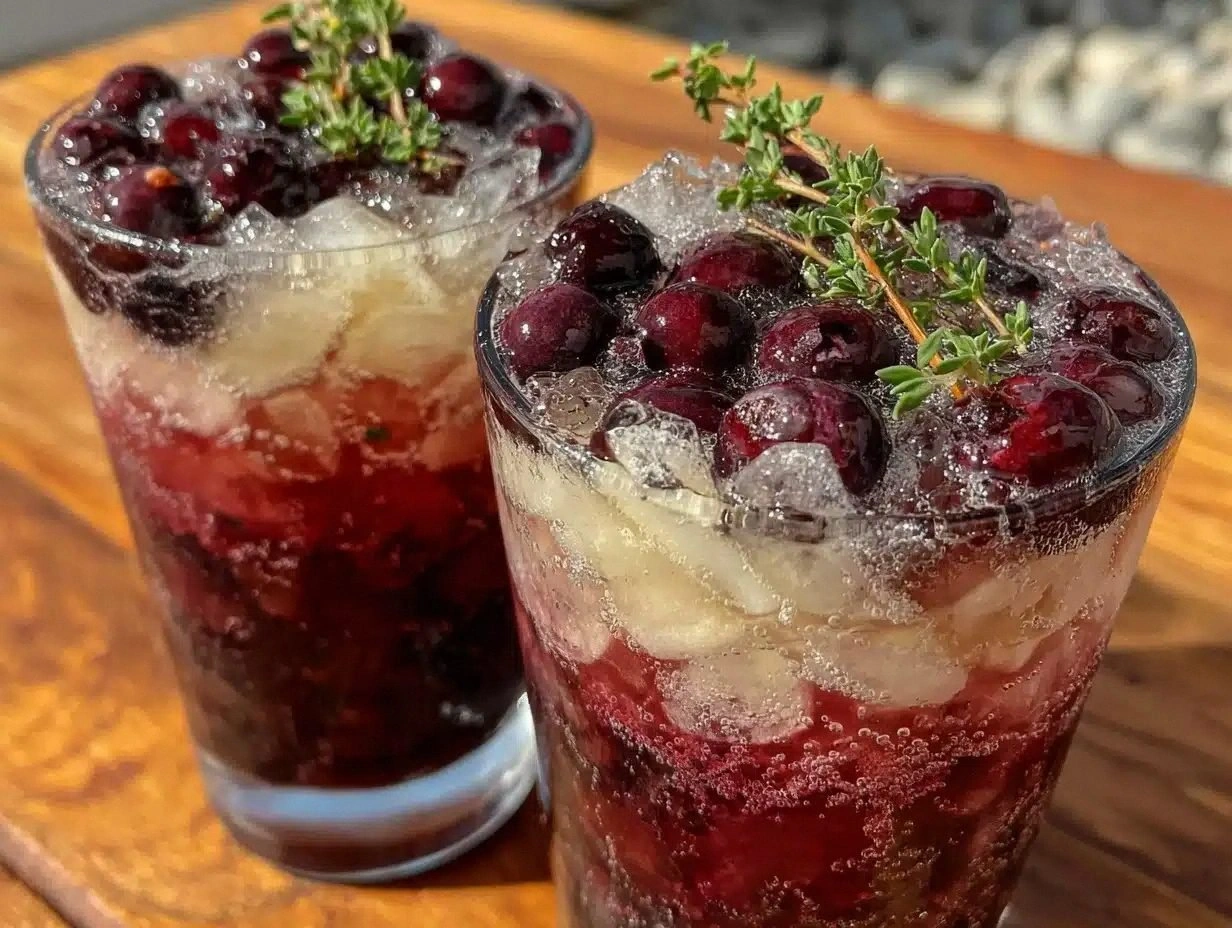
Finally, fill glasses with ice cubes, pour the lavender‑blueberry lemonade over the ice, and garnish each glass with a few whole blueberries, a sprig of fresh herb, and an optional lavender bud for visual flair. This next part? Pure magic. As the ice melts, it will slightly dilute the drink, mellowing the flavors into a perfectly balanced sip. Serve immediately and watch your guests’ faces light up – they’ll be asking for the recipe before the first glass is even finished.
If you’re planning ahead, store the lavender‑honey syrup in a sealed jar in the refrigerator for up to a week. When you’re ready to assemble the lemonade, simply re‑heat the syrup for 30 seconds in the microwave to bring it back to a pourable consistency. This trick saves you from re‑making the syrup each time you want a fresh batch.
For an extra visual pop, rim the glasses with a mixture of fine sugar and dried lavender. Dip the rim of each glass into a thin layer of honey, then roll it in the lavender‑sugar blend. The result is a sparkling, fragrant edge that adds a touch of elegance and an extra burst of flavor with every sip.
And now the fun part: let the drink sit for a minute or two after pouring. This short rest allows the flavors to fully integrate, creating a harmonious blend that tastes smoother than the sum of its parts. Serve with a straw, a smile, and a confident claim that this is hands down the best version you’ll ever make at home.
That’s it — you did it. But hold on, I’ve got a few more tricks that’ll take this to another level. Stay with me here — this is worth it.
Insider Tricks for Flawless Results
The Temperature Rule Nobody Follows
Never add cold lemon juice to hot syrup; the sudden temperature shock can cause the honey to crystallize, leaving a grainy texture. Let the syrup cool to room temperature before mixing, or better yet, chill it in the fridge for ten minutes. I once rushed this step and ended up with a gritty mess that took forever to dissolve. Trust me, a little patience now saves you a lot of stirring later.
Why Your Nose Knows Best
When you’re infusing herbs or lavender, rely on your sense of smell more than a timer. The fragrance will tell you when the flavors have fully extracted. If the aroma turns sharp or overly pungent, it’s time to strain. This sensory checkpoint is a game‑changer and prevents any bitter surprises.
The 5‑Minute Rest That Changes Everything
After you combine all the liquids, let the lemonade rest for five minutes before serving. This short pause lets the blueberry juices settle, the herbs mellow, and the acidity balance out. A friend tried skipping this rest once – the drink was harsh, and the blueberry bits floated wildly. The rest period is the secret that turns a good drink into a great one.
Ice Cube Alchemy
Use frozen blueberries as ice cubes for an extra burst of flavor as they melt. Simply fill an ice tray with fresh blueberries and a splash of water, freeze, and add them to your glasses. This not only keeps the drink cold longer but also intensifies the berry flavor without watering it down.
Herb Swap Strategy
If thyme isn’t your vibe, try basil for a sweet, slightly peppery twist, or mint for a cooling effect. Each herb changes the flavor profile subtly, allowing you to customize the lemonade for different occasions. I once served a mint‑lavender version at a garden party, and guests said it felt like a summer breeze in a glass.
Creative Twists and Variations
This recipe is a playground. Here are some of my favorite ways to switch things up:
Berry‑Boosted Lavender
Add a handful of raspberries or blackberries to the mix for a deeper, richer berry flavor. The extra tartness pairs beautifully with the lavender, creating a more complex palate.
Spicy Summer Splash
Drop a thin slice of fresh jalapeño into the pitcher during the herb steep. The subtle heat will contrast the sweet and floral notes, perfect for adventurous guests.
Citrus Medley
Swap half of the lemon juice for orange or grapefruit juice. The added citrus layers create a brighter, more rounded flavor profile that feels like a sunrise.
Alcoholic Upgrade
Add a splash of vodka, gin, or sparkling wine for an adult‑only version. The spirit amplifies the floral notes and makes the drink perfect for sunset cocktails.
Herbal Fusion
Combine lavender with a small amount of rosemary for an earthy, piney nuance. Use just one sprig of rosemary; too much can dominate the delicate lavender.
Storing and Bringing It Back to Life
Fridge Storage
Store the finished lemonade in a sealed pitcher or airtight bottle for up to three days. Keep it in the coldest part of your refrigerator to preserve the bright colors and prevent the lavender from turning mushy.
Freezer Friendly
Pour the lemonade into freezer‑safe containers, leaving an inch of headspace for expansion. It will keep for up to two months. When you’re ready to serve, thaw in the fridge overnight and give it a quick stir.
Best Reheating Method
If you need to warm the lemonade (perhaps for a hot toddy style drink), gently heat it on the stovetop over low heat, adding a splash of water to restore the original consistency. Avoid boiling – you’ll lose the fresh citrus zing and the delicate lavender aroma.