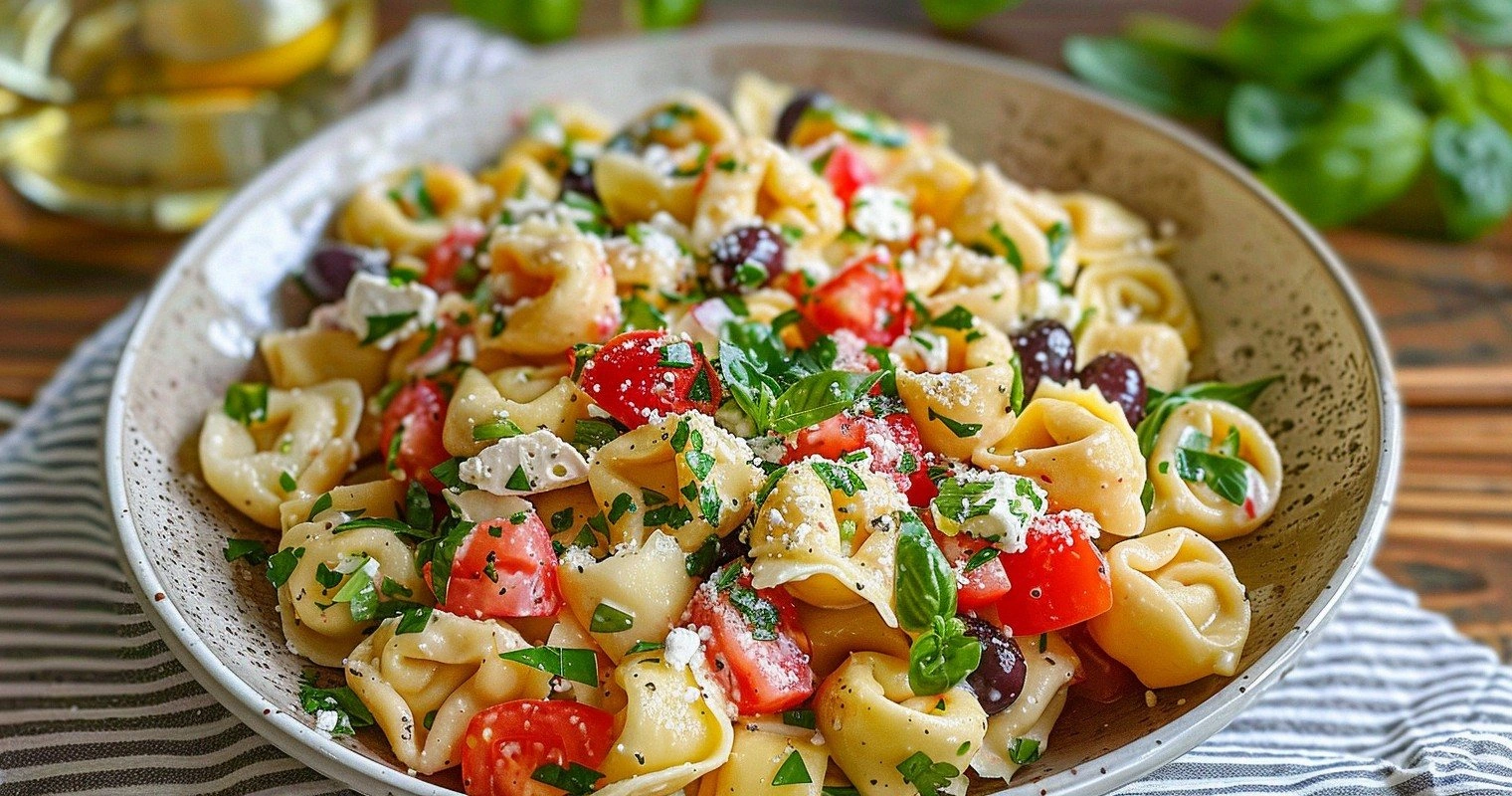
I'll confess something right now: I once tried to impress a dinner party with a sad grocery-store Greek salad and a separate bowl of plain tortellini, thinking I could just dump them together and call it fusion. The result? A watery, flavorless mess that tasted like disappointment with a side of shame. Fast forward through three months of obsessive testing, countless taste sessions (my neighbors started avoiding me), and one memorable incident involving a fire alarm and too much oregano, and I've finally cracked the code. This Greek Tortellini Salad isn't just another pasta salad — it's the love child of a sun-drenched Greek island and a cozy Italian nonna's kitchen, and it will ruin you for all other summer side dishes forever. Picture this: cheese-stuffed tortellini that burst like little flavor bombs, coated in a lemon-herb dressing that makes your taste buds do a happy dance, studded with vegetables so fresh they practically still have morning dew on them. The first time I served this at a backyard barbecue, people literally formed a line at the bowl — and I kid you not, someone tried to sneak the entire serving dish home in their tote bag. That sizzle when the garlic hits the olive oil in the dressing? Pure perfection. And here's the kicker — while everyone thinks this took you all day, you'll know it came together faster than deciding what to watch on Netflix. Let me walk you through every single step — by the end, you'll wonder how you ever made it any other way.
What Makes This Version Stand Out
Flavor Explosion: Most Greek salads taste like someone just threw some vegetables in a bowl and called it a day. This version builds layers — the warm tortellini soaks up the dressing like tiny edible sponges, while the vegetables stay crisp and bright. Every bite delivers a perfect balance of tangy, salty, fresh, and rich.
Texture Paradise: Where other pasta salads turn into a mushy disaster after an hour, this one maintains its integrity. The trick is in the timing — we'll cook the tortellini just past al dente, then shock it cold so it stays pleasantly chewy while the vegetables retain their snap. No sad, soggy pasta here.
Weeknight Simple: Despite tasting like something from a fancy Mediterranean bistro, this comes together in under 30 minutes. While the pasta boils, you're chopping vegetables and shaking up the dressing. By the time the tortellini's done, everything else is ready to party.
Make-Ahead Magic: This salad actually improves as it sits — the flavors meld and intensify. I dare you to taste this and not go back for seconds, even after it's been in the fridge overnight. It's the meal prep hero you didn't know you needed.
Crowd-Pleasing Power: I've served this to picky kids, health-conscious adults, and my Italian uncle who claims everything should be made his way. They all ask for the recipe. It's vegetarian but satisfying, fresh but filling, familiar but exciting.
Ingredient Flexibility: Once you know the method, you can swap in whatever looks good at the market. Got some gorgeous heirloom tomatoes? Use those. Only have cherry tomatoes? Still incredible. This recipe is a framework for deliciousness, not a rigid set of rules.
Inside the Ingredient List
The Flavor Foundation
Let's start with the tortellini — and yes, you absolutely want the cheese-filled kind, not the plain pasta. Those little cheese pockets are like secret treasure chests in every bite. When they mingle with the lemon-herb dressing, something magical happens. The filling absorbs just enough of the vinaigrette to become these tangy, creamy surprises. If you can only find meat-filled tortellini, save those for soup — they overpower the delicate Greek flavors we're building here.
The olive oil matters more than you think. This isn't the time for that fancy finishing oil you save for special occasions, but don't use the bargain basement stuff either. Look for a good everyday Greek or Italian olive oil — something with a fruity aroma that makes you want to drink it straight from the bottle. The oil carries all the other flavors, so using something that tastes like liquid sunshine is crucial. I've made this with bland oil before, and it's like listening to your favorite song through broken speakers — technically the same, but missing all the joy.
The Fresh Crew
Cucumbers aren't just cucumbers here — they're the refreshing counterpoint to all that richness. English cucumbers work best because they have fewer seeds and thinner skin, which means less water to dilute our perfect dressing. If you can only find regular cucumbers, just scoop out the seeds with a spoon — it takes thirty seconds and prevents watery salad syndrome. And here's a tip that changed my game: salt the cucumbers lightly and let them sit while you prep everything else. The salt draws out excess moisture, concentrating their flavor and keeping your salad crisp.
Cherry tomatoes bring that burst of summer sweetness that makes this salad sing. I like to use a mix of red and yellow for the visual appeal, but honestly, whatever looks freshest at your market is perfect. The key is cutting them in half so they can soak up some dressing while still holding their shape. Those little juice pockets burst in your mouth like vegetable caviar, adding bright acidity that cuts through the richness of the cheese. If you've only got large tomatoes, just dice them into bite-sized pieces — the salad police aren't going to arrest you.
The Unexpected Stars
Kalamata olives aren't optional, despite what some recipe rebels might tell you. Their briny, wine-soaked flavor is what makes this Greek instead of just "pasta salad with feta." Buy them pitted unless you enjoy dental adventures, but skip the canned ones floating in that weird juice — hit up the olive bar at a decent grocery store. The difference between mediocre olives and good ones is the difference between a flat soda and a perfectly mixed cocktail. One makes you happy to be alive, the other just makes you wish you'd ordered something else.
Feta cheese deserves better than those sad, dry crumbles most people buy. Look for feta packed in brine — it stays creamy and tangy instead of turning into chalky pebbles. Greek feta made from sheep's milk has this incredible depth that cow's milk versions just can't match. When you crumble it into the salad, leave some chunks bigger than others — those larger pieces stay creamy and become these little pockets of salty heaven throughout the dish. And whatever you do, don't buy pre-crumbled feta. It's coated in anti-caking agents that make it taste like you're eating tiny pieces of plastic.
The Flavor Amplifiers
Red onion brings that sharp bite that makes all the other flavors pop, but raw onion can be aggressive. The secret is soaking the sliced onion in ice water for ten minutes — it takes away that harsh edge while keeping the crunch. I learned this trick from a Greek grandmother who swore by it, and she was right. The onion becomes this mellow, almost sweet element that adds complexity without making you worry about your breath during conversation.
The lemon in the dressing isn't just for brightness — it's the bridge between all the Mediterranean flavors. Fresh lemon juice (never the bottled stuff, please) has these floral notes that complement the herbs and cut through the richness of the cheese. Zest some of the peel too — those essential oils contain concentrated lemon flavor that makes the bottled stuff taste like sadness. One good lemon is all you need, but pick a heavy one with thin, smooth skin — those have more juice than their thick-skinned cousins.
The Method — Step by Step
- Start by filling your largest pot with water — you want those tortellini to have room to dance around. Salt it like the sea, because this is your only chance to season the pasta itself. Once it's at a rolling boil, add the tortellini and give it a gentle stir so nothing sticks together. Here's the crucial part: cook it for exactly one minute less than the package suggests for al dente. The pasta will soak up dressing later, so if you overcook it now, you'll end up with mushy sadness. When you bite into a test piece, it should still have a tiny bit of resistance in the center — like a firm pillow rather than a squishy marshmallow.
- While the pasta works its magic, set up an ice bath in a large bowl — this is your pasta's spa treatment that stops the cooking cold. When the timer dings, fish out a piece to test, then drain the tortellini in a colander and immediately plunge it into the ice bath. This shocking step is what separates restaurant-quality pasta salad from the sad versions at potlucks. Stir gently with your hand or a spoon to make sure every piece gets cold — warm pasta will turn your vegetables limp and make the dressing separate. After about two minutes, when everything feels cold to the touch, drain thoroughly and spread on a clean kitchen towel to dry.
- Okay, ready for the game-changer? While everything's cooling, let's build the dressing that'll make people propose marriage. In a jar with a tight-fitting lid, combine the olive oil, lemon juice, red wine vinegar, minced garlic, oregano, and a generous pinch of salt and pepper. The jar method isn't just for cute Instagram photos — it creates an emulsion that coats every nook and cranny of the tortellini. Screw on the lid and shake like you're trying to win a cocktail competition. The dressing should come together in a creamy, unified sauce that looks like liquid gold. Taste it with a piece of lettuce — it should make your mouth water and punch you with flavor.
- Now comes the fun part where we build our Mediterranean masterpiece. In your largest bowl — seriously, use the biggest one you have because we're about to get mixing — combine the cooled tortellini with your prepped vegetables. Add the cucumbers that you've salted and patted dry, the halved tomatoes, the olives, and the drained red onion. Don't add the feta yet — we're saving that for the grand finale so it stays in those gorgeous creamy chunks. Everything should look vibrant and colorful, like a Greek flag exploded in the most delicious way possible.
- Here's where most recipes get it completely wrong — they just dump everything together and hope for the best. But we're building layers of flavor, so start by adding about three-quarters of your dressing to the pasta and vegetables. Use a gentle folding motion rather than stirring — you want to coat everything without crushing the tomatoes or breaking the tortellini. The pasta should glisten but not swim in dressing. Let this sit for five minutes — this is when the tortellini starts its flavor absorption process. Taste a piece — it should be well-seasoned but not drowning.
- Stay with me here — this next part is worth it. Take your beautiful feta and crumble it over the salad, but don't just dump it in a pile. Use your fingers to break it into different sizes — some tiny crumbs that'll dissolve into the dressing, some bigger chunks for creamy pockets, and a few large pieces for visual drama. The feta will start to soften slightly from the acid in the dressing, but those bigger pieces will stay distinct. Now add half of your fresh herbs and give everything one final, gentle fold. The herbs should be vibrant green and scattered throughout like confetti.
- Let the salad rest for at least 15 minutes before serving — this is when the magic happens. The flavors meld and intensify, the tortellini finishes absorbing the dressing, and everything becomes harmonious. If you're making this ahead, cover and refrigerate, but take it out 20 minutes before serving. Cold mutes flavors, so letting it come slightly toward room temperature makes everything sing. Right before serving, taste and adjust — maybe a squeeze of lemon, a crack of pepper, or the reserved dressing if it seems dry.
- The final flourish is all about texture and freshness. Just before bringing it to the table, scatter over your remaining herbs and maybe a few extra olives for visual appeal. A drizzle of your best olive oil around the edge of the bowl makes it look like something from a taverna in Santorini. Serve it with confidence — you've just created something that transports people to a Greek island, even if they're eating it in a backyard with paper plates and plastic forks.
That's it — you did it. But hold on, I've got a few more tricks that'll take this to another level...
Insider Tricks for Flawless Results
The Temperature Rule Nobody Follows
Here's the thing that separates amateur cooks from the pros: temperature awareness. Your tortellini should be cold before mixing, but your feta should be fridge-cold when you crumble it, and your vegetables should be room temperature. Cold vegetables taste flat and boring, but warm feta turns into a mushy mess. I keep my tomatoes and cucumbers on the counter, but chill the olives and feta. This creates a temperature contrast that makes each ingredient taste like the best version of itself. A friend tried making this with everything straight from the fridge once — the result was a salad that tasted like it had been sitting in a cafeteria for hours, even though she'd just made it.
Why Your Nose Knows Best
Before you even start cooking, smell everything — the olive oil should smell fruity and fresh, not rancid or flat. Your lemon should perfume the air when you zest it, your garlic should make you want to eat it raw (but don't). If any ingredient smells dull or off, your finished salad will taste equally uninspired. I learned this from a Greek chef who swore that cooking with your nose saves more dishes than any recipe. When your kitchen smells like a Mediterranean hillside while you're making this, you know you're on the right track.
The 5-Minute Rest That Changes Everything
After you dress the salad but before you add the feta, let everything sit for exactly five minutes. This isn't just kitchen busywork — it's when the tortellini absorbs the perfect amount of dressing while still leaving enough to coat everything else. Add the feta too early and it gets smushed and distributes unevenly. Too late and it sits on top like an afterthought. Those five minutes are also perfect for washing the few dishes you've created, pouring yourself a glass of wine, and getting ready to be showered with compliments.
The Salt Timing Secret
Season in layers, not all at once. Salt the pasta water generously — it should taste like the sea. Then salt the cucumbers to draw out moisture. Add a pinch to the dressing, then taste the finished salad and adjust. Each ingredient needs its own seasoning to taste like the best version of itself. Adding all the salt at the end just makes things taste salty instead of properly seasoned. I keep a small bowl of flaky sea salt by my cutting board and add tiny pinches throughout the process — it's like adjusting the brightness on a photo until everything pops.
Creative Twists and Variations
This recipe is a playground. Here are some of my favorite ways to switch things up:
Mediterranean Mezze Madness
Add a handful of chopped roasted red peppers and a spoonful of store-bought hummus to the dressing. The hummus makes it creamy and adds protein, while the roasted peppers bring smoky sweetness. Top with crispy chickpeas for crunch and you've got basically every Mediterranean flavor in one bowl. This version is so satisfying it works as a main dish for vegetarian friends.
Spicy Santorini Sunset
Throw in a diced fresh jalapeño and swap the red wine vinegar for sherry vinegar. The heat plays beautifully against the cool vegetables, and the sherry vinegar adds depth that makes people ask what your secret ingredient is. Add some fresh oregano flowers if you can find them — they're like little purple fireworks that taste like concentrated Greece.
Coastal California Dreaming
Add diced avocado right before serving and swap the feta for fresh goat cheese. The avocado adds richness while the goat cheese stays creamy and tangy. Throw in some toasted pine nuts for crunch and use Meyer lemon in the dressing. It's like your Greek salad went on vacation to Napa and came back with expensive taste.
Hearty Harvest Version
In fall, add roasted butternut squash cubes and toasted pumpkin seeds. Use a maple-lemon dressing instead of the honey version, and add some crispy sage leaves. The sweetness of the squash against the briny olives creates this incredible contrast that makes people think you're a culinary genius. I'll be honest — I ate half the batch of squash before it even made it into the salad.
Protein-Packed Powerhouse
Add a cup of cooked chickpeas and some grilled chicken strips to make this a complete meal. The chickpeas absorb the dressing beautifully while adding fiber and protein. Top with some crispy prosciutto for saltiness and you've got a salad that satisfies like a full meal but still feels light and fresh. My gym-going friends swear by this version for post-workout recovery.
Elegant Entertainer
For fancy dinner parties, use cheese tortellini filled with truffle, add some thinly sliced fennel for anise notes, and swap the red onion for thinly sliced shallots. Use champagne vinegar in the dressing and finish with edible flowers. It's the same basic recipe but elevated to black-tie status. People will think you went to culinary school when really you just know how to shop well.
Storing and Bringing It Back to Life
Fridge Storage
This salad keeps beautifully for up to three days in the refrigerator, but there's a trick to keeping it fresh. Store it in the widest, shallowest container you have — a deep bowl makes the weight of the ingredients crush each other. Press plastic wrap directly onto the surface to prevent the top from drying out, and always add fresh herbs right before serving. The flavors actually intensify overnight, which is why this is my go-to for meal prep. If you've ever struggled with sad, wilted meal prep salads, you're not alone — and I've got the fix.
Freezer Friendly
Here's something that might surprise you: you can freeze the dressed tortellini (minus the vegetables) for up to a month. Cook and cool the tortellini, toss it with the dressing, and freeze in portions. When you're ready, thaw overnight and fold in fresh vegetables. It's like having a Greek salad kit ready to go. The texture isn't quite the same as fresh, but it's miles better than most frozen meals and perfect for those weeks when you can't even.
Best Refreshing Method
If your leftover salad seems tired, don't despair. Add a splash of fresh lemon juice, a drizzle of olive oil, and some fresh herbs — it wakes everything up like splashing cold water on your face. For salads that have been in the fridge more than a day, I like to add a handful of fresh vegetables (some extra tomatoes or cucumber) to restore that just-made crunch. A tiny splash of red wine vinegar also brightens everything. Picture yourself pulling this refreshed salad out of the fridge, the lemon scent hitting your nose, and suddenly lunch feels like a Mediterranean vacation instead of leftovers.