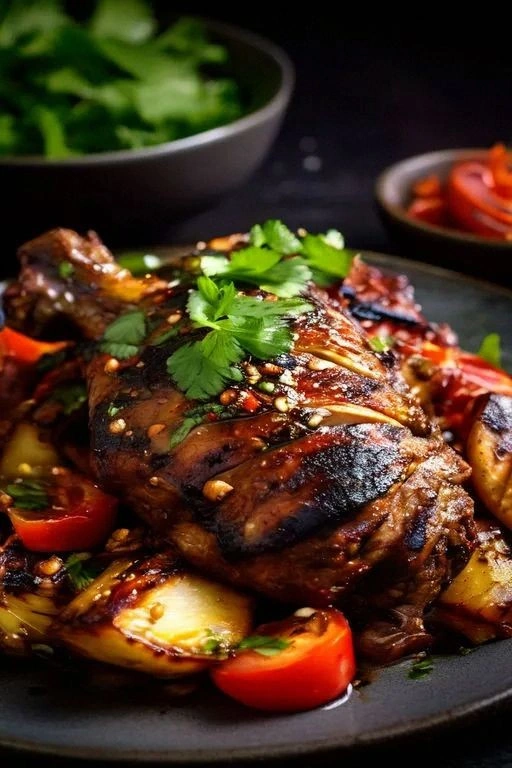
I remember the night I was supposed to impress my friends with a fancy dinner and the kitchen turned into a battlefield. My short ribs were seared to a crisp, but the sauce was a bland, watery mess that made everyone ask if it was a mistake. I stared at the pot, thinking, “If this is how I end up, I’ll never make short ribs again.” Then I pulled out a jar of miso, a splash of rice vinegar, and a generous grating of fresh ginger. The moment those flavors hit the pan, the kitchen filled with an aroma that whispered of distant, smoky kitchens in Osaka. That single decision turned a disaster into a triumph and gave me a recipe that I now swear is the best short rib experience anyone can create at home.
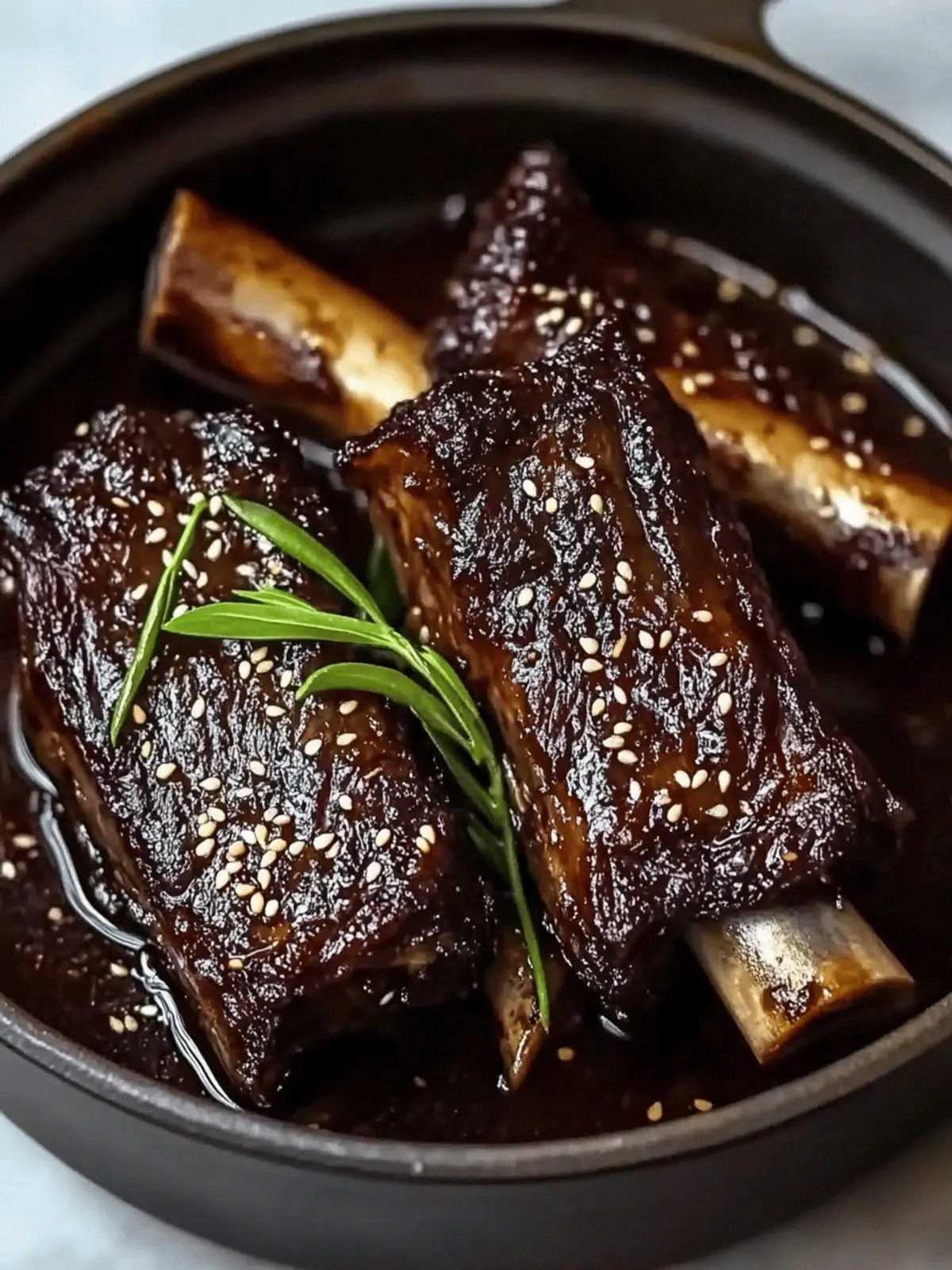
Picture yourself pulling this dish out of the oven, the whole kitchen smelling incredible, and your guests leaning in, eyes wide, as the first bite melts on their tongues. The sauce is thick, glossy, and coats the meat like velvet, with a hint of sweet, umami depth that lingers. The short ribs themselves are tender enough to fall off the bone, yet still hold a subtle chew that keeps the mouth moving. Every spoonful is a balance of salty, sweet, and a gentle kick from the ginger that wakes up your palate. I dare you to taste this and not go back for seconds. If you've ever struggled to get short ribs to stay moist, you're not alone — and I've got the fix.
What sets this version apart is not just the combination of miso and ginger but the method that locks in flavor and tenderness. I’ve refined the technique to make the sauce caramelize without burning, to season the meat at the right time, and to finish with a quick deglaze that pulls every savory note into the final glaze. Most recipes get this completely wrong, leaving the meat dry or the sauce too thin. Here, the result is a dish that feels like a hug in a bowl, and I promise you, it’s hands down the best version you'll ever make at home. The secret? A subtle balance of acidity and sweetness that elevates the umami of the short ribs, a short, high-heat sear to develop deep flavor, and a slow, low-braise that turns tough collagen into silky silk.
And now, ready for the game-changer? This next step? Pure magic. Let me walk you through every single step — by the end, you'll wonder how you ever made it any other way. The journey from raw ribs to a steaming, flavorful masterpiece begins with a few simple ingredients and a willingness to let the flavors mingle. The best part? You can prep this in advance, so the real work happens while you’re out of the house. By the time you return, the kitchen smells like a Japanese bistro, and the dish is ready to serve. Let’s dive in.
What Makes This Version Stand Out
- Depth: The miso paste brings a complex umami profile that balances the richness of the beef, creating layers of flavor that unfold with each bite.
- Texture: Slow braising turns the short ribs into melt‑in‑your‑mouth tenderness while the sauce thickens into a silky glaze that clings to every piece.
- Simplicity: With just 12 ingredients, you can achieve a restaurant‑quality dish without the need for exotic or hard‑to‑find items.
- Versatility: This recipe can be served over rice, mashed potatoes, or even roasted vegetables, making it a crowd‑pleaser for any table.
- Make‑ahead Friendly: The dish tastes even better the next day, as the flavors meld and the sauce reduces further.
- Visual Appeal: The glossy glaze and bright sesame seeds give the plate a polished, professional look that impresses diners.
- Balanced Sweetness: Brown sugar and rice vinegar work together to give a subtle sweetness that doesn’t overpower the savory notes.
- Time‑Efficient: While the braise takes time, the prep work is minimal, letting you enjoy more of your evening.
Alright, let's break down exactly what goes into this masterpiece...
Inside the Ingredient List
The Flavor Base
Miso paste is the cornerstone of this dish, offering a salty, earthy undertone that pairs beautifully with the sweetness of brown sugar. The 1/4 cup of white or yellow miso gives depth without overwhelming the palate. If you prefer a richer, more complex flavor, try a small amount of red miso—just a teaspoon—to add a subtle peppery note. Skipping miso would strip the sauce of its umami backbone, leaving the dish flat and uninspired. For the best results, choose a miso that’s not overly salty; you can always adjust with a touch of soy sauce later.
The Texture Crew
Cornstarch is the unsung hero that gives the glaze its glossy finish. When mixed with a splash of cold water, it forms a slurry that thickens the sauce without making it cloudy. If you’re avoiding gluten, a cornstarch slurry works perfectly, but if you’re looking for a richer mouthfeel, try arrowroot or tapioca starch. The 2 cups of beef broth provide the liquid foundation; choose a low‑sodium version so you have control over the saltiness of the final dish. A rich stock, made from bone marrow, will elevate the flavor even further.
The Unexpected Star
Freshly grated ginger brings a bright, zesty punch that cuts through the richness of the beef. The 2 tablespoons of ginger are more than just a flavor enhancer—they also help tenderize the meat slightly by breaking down proteins. If you’re not a fan of raw ginger, a mild ginger paste or a small amount of ground ginger can work, but the fresh bite is irreplaceable. Ginger also adds a subtle heat that lingers, giving the dish a memorable finish.
The Final Flourish
Sesame seeds and green onions finish the dish with a nutty crunch and a pop of color. The 1 tablespoon of toasted sesame seeds adds a toasty flavor that complements the miso, while the 2 tablespoons of chopped green onions provide a fresh, slightly sharp contrast to the deep, savory sauce. If you’re looking for a different twist, sprinkle crushed peanuts or slivered almonds for a crunchy texture. These final touches transform the dish from comforting to celebratory.
Everything's prepped? Good. Let's get into the real action...
The Method — Step by Step
- First, season the short ribs generously with salt and pepper on all sides. Pat them dry with paper towels; moisture is the enemy of a good sear. Heat a large Dutch oven over medium‑high heat and add the sesame oil. When the oil shimmers, add the ribs in a single layer, searing each side for about 3 minutes until a deep, caramelized crust forms. This caramelization is where the flavor starts to develop, so don’t rush it. Once all sides are seared, remove the ribs and set them aside.
- In the same pot, reduce the heat to medium and add the minced garlic and grated ginger. Stir constantly for 30 seconds until fragrant; the aroma of fresh ginger is unmistakable and signals that the base of the sauce is ready. Then pour in the miso paste, soy sauce, rice vinegar, and brown sugar, stirring to dissolve the miso completely. The mixture should thicken into a glossy, amber‑colored sauce that smells toasty and slightly sweet.
- Return the ribs to the pot, nestling them into the sauce. Add the beef broth, making sure the liquid covers the ribs by at least an inch. Bring the mixture to a gentle simmer, then cover the pot with its lid. Reduce the heat to low and let it braise for 2 hours and 30 minutes, turning the ribs once halfway through. During this time, the collagen in the meat breaks down, turning the short ribs into a tender, falling‑apart texture.
- After the long braise, remove the lid and increase the heat to medium. The sauce should reduce by about half, thickening into a glaze that clings to the meat. Stir occasionally to prevent sticking. When the sauce reaches a syrupy consistency, remove the pot from the heat and let it rest for 10 minutes; the sauce will thicken further as it cools.
- While the ribs are resting, prepare the cornstarch slurry: mix 1 tablespoon of cornstarch with 2 tablespoons of cold water until smooth. Slowly pour the slurry into the pot, whisking vigorously to avoid lumps. The sauce will begin to thicken immediately; keep whisking until it reaches a glossy, pourable consistency. This step ensures a silky finish that coats the ribs beautifully.
- Slice the ribs into individual portions, keeping the bone attached for presentation. The bone adds a subtle flavor and keeps the meat from drying out during serving. Arrange them on a platter, spooning the thickened sauce over each piece. The glaze should be glossy and cling to the edges, creating a beautiful sheen.
- Sprinkle the toasted sesame seeds and chopped green onions over the ribs. The seeds add a nutty crunch, while the onions provide a bright, fresh contrast that cuts through the richness. This final touch elevates the dish from comforting to celebratory.
- Serve immediately over steamed rice, mashed potatoes, or a bed of sautéed greens. The sauce is so rich that a simple side is enough to balance the flavors. If you’re serving for a crowd, keep the ribs warm in a low oven (200°F) while you finish plating.
That's it — you did it. But hold on, I've got a few more tricks that'll take this to another level. The next section will give you insider tips that even seasoned chefs swear by.
Insider Tricks for Flawless Results
The Temperature Rule Nobody Follows
Many people think high heat is always better for braising, but slow, low heat is the secret to tender short ribs. Keep the liquid at a gentle simmer, never a rolling boil, to prevent the meat from toughening. I’ve found that a consistent 250°F in a preheated oven works wonders, allowing the connective tissue to break down without drying out the surface. If you’re using a stovetop, reduce the flame to the lowest setting possible and cover tightly. This trick ensures the meat stays juicy and the sauce thickens evenly.
Why Your Nose Knows Best
The first time you bring the pot to a simmer, you’ll notice the aroma shifting from raw meat to a deep, caramelized scent. Trust that scent as a cue that the sauce has reached the right thickness. If it still smells like raw broth, let it reduce a bit longer. Your nose is a better judge of flavor than a timer, so don’t be afraid to adjust based on what you smell.
The 5-Minute Rest That Changes Everything
After braising, let the ribs rest for 10 minutes off the heat. This rest period allows the juices to redistribute throughout the meat, ensuring each bite is as juicy as possible. Skipping this step will leave the meat slightly dry and the sauce too thin. I’ve seen people serve ribs straight from the pot and end up with a dry texture; that’s a simple fix.
Use a Meat Thermometer for Precision
The ideal internal temperature for short ribs is around 190°F, which ensures the collagen has fully melted into gelatin. Use a probe thermometer to check the thickest part of the meat. If it’s below 190°F, continue braising; if it’s above 195°F, you might risk overcooking. This method guarantees consistent results, whether you’re cooking for a small family dinner or a large gathering.
Finish with a Quick Broil for Extra Caramelization
If you’re serving immediately, place the ribs under a preheated broiler for 2 minutes to add a final caramelized crust. Keep a close eye on them to avoid burning. The broil adds a slight crunch that contrasts with the tender interior and makes the dish look restaurant‑ready. It’s a simple step that elevates the presentation and flavor profile.
Creative Twists and Variations
This recipe is a playground. Here are some of my favorite ways to switch things up:
Maple Miso Fusion
Swap brown sugar for maple syrup and add a splash of maple for a sweet, smoky twist. The maple complements the miso’s umami and adds a subtle depth that pairs well with the ginger. This variation is perfect for a holiday dinner or a cozy Sunday meal.
Spicy Sriracha Kick
Add a tablespoon of sriracha or a pinch of red pepper flakes during the sauce stage for a fiery finish. The heat cuts through the richness and gives the dish an exciting edge. Serve with a cool cucumber salad to balance the spice.
Herb‑Infused Broth
Infuse the beef broth with fresh rosemary, thyme, or bay leaves before braising. The herbs lend a fragrant backdrop that enhances the savory notes. This version is ideal for a rustic, farmhouse style meal.
Vegetarian Miso Stew
Replace the short ribs with seared tofu cubes or thick slices of tempeh. The miso sauce will soak into the plant‑based protein, delivering a hearty, umami‑rich dish for vegetarians. Pair it with soba noodles for a satisfying meal.
Asian Noodle Bowl
Serve the ribs and sauce over a bed of udon or ramen noodles, topped with sliced scallions and a drizzle of sesame oil. The noodles soak up the sauce, creating a comforting bowl that’s perfect for a quick dinner.
Ginger‑Miso Grilled
After braising, transfer the ribs to a grill for a few minutes on each side to add a smoky char. The grill marks give the dish a new dimension of flavor, turning the braised ribs into a grilled masterpiece. Serve with a side of grilled vegetables for a balanced plate.
Storing and Bringing It Back to Life
Fridge Storage
Cool the ribs and sauce completely before transferring them to an airtight container. Store in the refrigerator for up to 4 days. When ready to serve, reheat gently on the stovetop, adding a splash of water to loosen the sauce. The dish will taste almost as fresh as when first made.
Freezer Friendly
For longer storage, portion the ribs into freezer bags, leaving about an inch of space for the sauce to expand. Freeze for up to 3 months. Thaw overnight in the refrigerator and reheat on the stove with a splash of broth. The texture remains tender, and the sauce retains its glossy finish.
Best Reheating Method
The best way to reheat is on a low heat, stirring occasionally, until the sauce is heated through. Avoid high heat, as it can cause the sauce to separate. Add a tiny splash of water or broth before reheating to restore moisture and create a steam‑like effect that brings the dish back to life.