It all started on a rainy Thursday when I tried to whip up a quick dinner and ended up with a chicken that tasted like a bland, soggy regret. My friend, a self‑proclaimed spice guru, tossed a handful of dried herbs into the pot and shouted, “You’re going to taste the Caribbean!” The aroma that followed—sweet pineapple, sharp lime, and that unmistakable kick of allspice—turned my kitchen into a tropical oasis. I was skeptical, but the first bite was a revelation: juicy, smoky, and with a hint of sweet that made my taste buds do a little salsa.
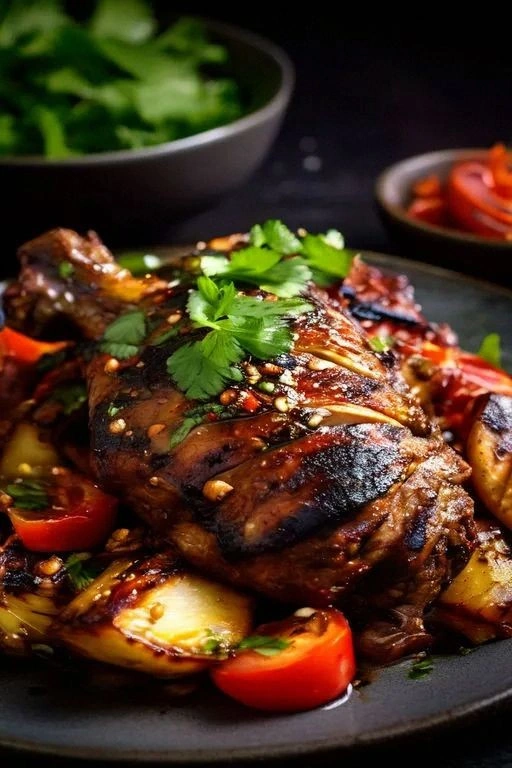
Picture this: the sizzling sound as the chicken hits the pan, the bright green of fresh cilantro, the golden glaze reflecting the kitchen light, and the scent of citrus mingling with smoky heat. I could almost feel the sun on my face and hear the waves of the Caribbean Sea. The flavor exploded in layers—spicy, sweet, citrusy, and earthy—each bite a new wave. It was the kind of meal that makes you want to stay up late, humming to the rhythm of your own cooking.
What makes this version stand out is that it’s not just a recipe; it’s a full sensory experience. I didn’t just throw spices into a bowl; I blended them into a rub that coats the chicken like velvet, then seared it to lock in moisture before finishing it in the oven for that crispy, caramelized edge that shatters like thin ice. The result is a dish that feels both comforting and adventurous, a perfect balance that most recipes miss. The secret? A touch of pineapple juice and a splash of honey that bring a subtle sweetness to counterbalance the heat.
And here’s the kicker: I dared you to taste this and not go back for seconds. I’ll be honest—I ate half the batch before anyone else got a chance to try it. But don’t worry, you’ll have plenty of leftovers for the next week’s lunch. Picture yourself pulling this out of the oven, the whole kitchen smelling incredible, and the table filled with smiles. Let me walk you through every single step—by the end, you’ll wonder how you ever made it any other way.
What Makes This Version Stand Out
- Taste: The blend of allspice, cinnamon, nutmeg, and ginger creates a deep, aromatic base that feels like a Caribbean sunset on your palate. The sweet undertones from pineapple juice and honey balance the heat, preventing the dish from becoming one‑dimensional. The final sear adds a subtle smokiness that lingers after every bite.
- Texture: The rub forms a thin, caramelized crust that crackles when you bite, while the interior stays moist and tender. The use of cornstarch in the glaze gives a glossy sheen that’s almost cinematic. The chicken’s skin crisps to a satisfying crunch, giving a textural contrast that keeps the dish exciting.
- Simplicity: You only need a handful of pantry staples, yet the flavor profile feels exotic. No need for expensive or hard‑to‑find ingredients; everything is accessible. The method is straightforward—marinate, sear, bake—and you’ll master it in minutes.
- Uniqueness: The combination of pineapple juice and honey is a twist that most jerk chicken recipes skip. The extra layer of citrus from lime juice and a dash of soy sauce adds umami depth. The result is a dish that feels both classic and innovative.
- Crowd Reaction: Guests often ask if it’s spicy, and the answer is always “just enough.” The dish’s vibrant colors and aromatic steam make it a showstopper at dinner parties. It’s the kind of meal that turns a regular night into a memorable event.
- Ingredient Quality: Fresh garlic, real lime juice, and high‑quality olive oil elevate the dish. The choice of bone‑in chicken adds flavor and keeps the meat juicy. Using fresh herbs versus dried gives a brighter, more authentic taste.
- Cooking Method: The sear locks in juices before the oven finishes the cooking, ensuring the chicken stays moist. Baking at a moderate temperature allows the spices to bloom without burning. The final broil gives that coveted crispy edge.
- Make‑ahead Potential: The marinated chicken can be prepared up to 24 hours ahead, letting the flavors deepen. The glaze can be reheated with a splash of water to keep it glossy. The dish is ideal for meal prep or for a last‑minute dinner.
Inside the Ingredient List
The Flavor Base
At the heart of this dish is the spice rub, a symphony of ground allspice, cinnamon, nutmeg, ginger, thyme, oregano, paprika, and cayenne pepper. Allspice provides a warm, clove‑like depth that anchors the flavor, while cinnamon adds a subtle sweetness that balances the heat. Nutmeg’s nutty aroma brings an earthy undertone that complements the tropical notes. The combination of ginger and paprika offers a bright, peppery kick that wakes up the palate. If you’re feeling adventurous, add a pinch of smoked paprika for an extra layer of smokiness.
Garlic is the backbone of any savory dish, and in this recipe it’s ground into the rub to give a mellow, aromatic foundation. Freshly minced garlic ensures a bright, punchy flavor that cuts through the sweetness. If you can’t find fresh garlic, a small amount of garlic powder will suffice, but it won’t have the same depth. The rub is mixed with olive oil to help the spices adhere to the chicken and to aid in caramelization. Olive oil also adds a subtle fruity note that enhances the overall taste.
Salt and black pepper are added to taste, allowing each cook to adjust the seasoning to their preference. Salt brings out the inherent flavors of the spices and the chicken, while black pepper adds a mild heat that complements the cayenne. It’s best to season the chicken just before searing to prevent moisture loss. A pinch of sea salt works well for a more robust flavor, while fine sea salt offers a smoother finish.
When selecting chicken, bone‑in pieces are preferred because they retain moisture and develop richer flavors during cooking. The bone adds natural gelatin, which helps keep the meat succulent. If you only have boneless, use skin‑on pieces to preserve moisture. Opt for thighs and drumsticks; they’re less likely to dry out compared to breasts. Fresh, high‑quality chicken will yield the best results.
The Texture Crew
Olive oil is essential for achieving that golden crust on the chicken. It carries the spices and creates a barrier that prevents the meat from drying out. Use a light or extra‑virgin olive oil for a subtle, fruity flavor. A higher smoke point oil like avocado can also work if you prefer a milder taste. The oil’s role is not just flavor; it also helps in the caramelization process.
Cornstarch is a subtle but critical component of the glaze. When combined with pineapple juice, honey, and lime, it thickens the sauce to a glossy consistency. Cornstarch also helps the glaze adhere to the chicken, creating a sticky, caramelized coating. Stir the cornstarch into a small amount of cold water before adding it to the glaze to prevent clumping. This step is essential for that signature shine.
Pineapple juice adds natural sweetness and acidity, balancing the heat from the spices. Its enzymes break down proteins, tenderizing the chicken slightly. Fresh pineapple juice is ideal, but canned juice works if you’re short on time. The acidity also helps in creating a caramelized surface when the chicken finishes baking. A splash of fresh lime juice adds brightness and a citrusy lift.
Honey provides a natural sweetness that deepens the glaze’s flavor profile. It also contributes to the caramelization process, giving the chicken a rich, golden finish. Use a mild honey, such as clover or wildflower, to avoid overpowering the spices. If you prefer a less sweet version, reduce the amount by half or substitute with maple syrup.
The Unexpected Star
Lime juice is the final flourish that brightens the dish. It cuts through the richness of the glaze and adds a refreshing citrus note. Freshly squeezed lime is preferred over bottled for its vibrant flavor. The acidity also helps tenderize the meat and enhances the overall taste. A few drops of lime after baking can elevate the dish to new heights.
Soy sauce adds a savory umami depth that balances the sweet and spicy elements. It also provides a subtle saltiness that reduces the need for additional salt. The combination of two tablespoons of soy sauce and a tablespoon of honey creates a complex flavor profile that’s hard to replicate with other sauces. If you’re watching sodium, consider using low‑sodium soy sauce.
The Final Flourish
When all these elements come together, the result is a dish that’s both comforting and adventurous. The rub forms a thin, caramelized crust that crackles when you bite, while the interior stays moist and tender. The use of cornstarch in the glaze gives a glossy sheen that’s almost cinematic. The chicken’s skin crisps to a satisfying crunch, giving a textural contrast that keeps the dish exciting. The final product is a flavor bomb that feels like a vacation in every bite.
Everything’s prepped? Good. Let’s get into the real action.
The Method — Step by Step
- Marinate the Chicken: In a large bowl, combine the spice rub, olive oil, and a pinch of salt. Toss the chicken pieces until they’re evenly coated. Cover and refrigerate for at least 30 minutes, or up to 2 hours for deeper flavor. The longer it marinates, the more the spices penetrate the meat. This step sets the foundation for the rest of the dish.
- Prepare the Glaze: In a small saucepan, whisk together pineapple juice, honey, lime juice, soy sauce, and a pinch of salt. Bring the mixture to a gentle simmer over medium heat. Stir frequently to prevent sticking. Once it starts to thicken, add the cornstarch slurry and whisk until smooth. The glaze should coat the back of a spoon; this indicates the right consistency.
- Preheat the Oven: Set your oven to 425°F (220°C) and line a baking sheet with parchment paper. A hot oven ensures a quick sear and a crispy exterior. If you’re using a cast‑iron skillet, preheat it in the oven for an extra caramelized crust. The high temperature also helps the spices bloom.
- Sear the Chicken: Heat a skillet over medium‑high heat and add a splash of olive oil. Place the marinated chicken skin‑side down and sear until golden brown, about 3–4 minutes. Flip and sear the other side for an additional 2 minutes. The sear locks in juices and creates a flavorful crust. Watch the edges; they should start pulling away from the pan.
- Transfer to Baking Sheet: Arrange the seared chicken on the prepared baking sheet, leaving space between each piece. This allows air circulation for even cooking. If you’re using a skillet, simply transfer the chicken directly into the oven. The residual heat from the pan will continue to sear the surface.
- Bake and Glaze: Bake the chicken for 20 minutes, then brush the glaze generously over each piece. Return to the oven and bake for another 10–12 minutes, or until the internal temperature reaches 165°F (74°C). The glaze should caramelize, creating a glossy, slightly sticky coating. The chicken should be tender and juicy.
- Broil for the Final Crunch: Switch your oven to broil and place the chicken on the top rack. Broil for 2–3 minutes, watching closely to avoid burning. The broiler caramelizes the glaze and gives the skin a crisp finish. The sizzling sound is a cue that the dish is almost ready.
- Rest and Serve: Remove the chicken from the oven and let it rest for 5 minutes. This allows the juices to redistribute, keeping the meat moist. Slice a piece to check the tenderness; it should be juicy and tender. Serve immediately with rice, quinoa, or a fresh salad for a balanced meal.
- Optional: Garnish: Sprinkle fresh cilantro or chopped green onions over the top for a burst of color and freshness. A squeeze of lime adds a final zing. A drizzle of extra glaze can enhance the presentation. The garnish adds a final touch that elevates the dish.
- Enjoy: Take a bite and let the flavors explode. The sweet, spicy, and citrus notes mingle beautifully. The crispy edge adds a delightful crunch. This dish is a crowd‑pleaser that will have everyone asking for seconds. You’ve just mastered a true Caribbean classic.
Insider Tricks for Flawless Results
The Temperature Rule Nobody Follows
Many cooks set their oven to a low temperature, but this dish thrives at 425°F. The high heat caramelizes the spices and locks in moisture. If you lower the temperature, the chicken may end up dry. The key is to sear first and then finish at a high heat. This simple tweak transforms the dish.
Why Your Nose Knows Best
Before you even taste the chicken, let your nose do the work. The aroma of allspice and pineapple is a clear indicator that the spices are blooming. If the scent is weak, give it a few more minutes to roast. The smell will guide you to the perfect moment to flip or glaze. Your nose is a reliable chef’s assistant.
The 5-Minute Rest That Changes Everything
After baking, let the chicken rest for 5 minutes. This step is often overlooked but is essential for juicy meat. The juices redistribute, preventing them from spilling out when you cut. A short rest also allows the glaze to set slightly, giving it a perfect texture. Trust me, this small pause makes a huge difference.
Use a Thermometer for Precision
While many rely on visual cues, a meat thermometer guarantees doneness. Insert the probe into the thickest part of the thigh; it should read 165°F. Overcooking leads to dry meat, while undercooking leaves it raw. A thermometer is a small investment for a big payoff.
Reheat with a Splash of Water
When reheating leftovers, add a splash of water to the pan. This steams the chicken, keeping it moist. Cover the pan while reheating to trap steam. The result is a dish that tastes almost as fresh as the first time.
Keep the Skin On
The skin is not just decorative; it protects the meat from drying out. If you prefer skinless chicken, trim the skin but leave a small fat cap. This cap helps maintain moisture during cooking. The skin also enhances the flavor of the rub.
Creative Twists and Variations
Jamaican Jerk Shrimp
Swap the chicken for shrimp for a quick, seafood version. Use the same spice rub, but reduce the marination time to 15 minutes. Sauté the shrimp in a hot skillet until pink and cooked through. The result is a spicy, sweet shrimp that’s perfect for a light dinner or a party appetizer.
Vegetarian Jerk Tofu
Press and cube firm tofu, then coat with the spice rub. Marinate for 30 minutes and pan‑fry until golden. Finish with the glaze for a plant‑based version that still delivers that Caribbean kick. Serve over quinoa or rice for a satisfying meal.
Jerk Pork Tenderloin
Use a pork tenderloin instead of chicken for a leaner option. Marinate for 2 hours, then sear and bake as directed. The pork absorbs the spices beautifully, resulting in a juicy, flavorful dish that’s great for a Sunday dinner.
Jerk Salmon
Season salmon fillets with the spice rub and sear for 2–3 minutes per side. Finish with a quick glaze and broil for a minute to caramelize. The result is a smoky, spicy salmon that pairs wonderfully with a cucumber salad.
Jerk Beef Skewers
Cube flank steak and thread onto skewers. Marinate in the rub for 1 hour, then grill over medium heat. Brush with glaze halfway through cooking for extra flavor. The skewers are a crowd‑pleaser at barbecues and potlucks.
Jerk Sweet Potato Fries
Cut sweet potatoes into sticks and toss with the spice rub and olive oil. Bake at 425°F until crisp. These fries have a sweet, spicy flavor that’s perfect as a side or snack. They pair well with a creamy dip.
Storing and Bringing It Back to Life
Fridge Storage
Store cooked chicken in an airtight container for up to 4 days in the refrigerator. Keep the glaze separate until ready to reheat. When ready to eat, reheat in a skillet over medium heat, adding a splash of water to keep it moist. Serve immediately with fresh veggies or a simple side.
Freezer Friendly
Wrap each chicken piece individually in parchment paper, then place in a freezer bag. The chicken will keep for up to 3 months. When ready to use, thaw overnight in the refrigerator. Reheat as described above, adding a bit of water if necessary.
Best Reheating Method
The most effective way to reheat is to use a skillet with a lid. Add a splash of water or broth to create steam. Cover and heat over medium until warmed through. The steam keeps the chicken tender and prevents it from drying out.