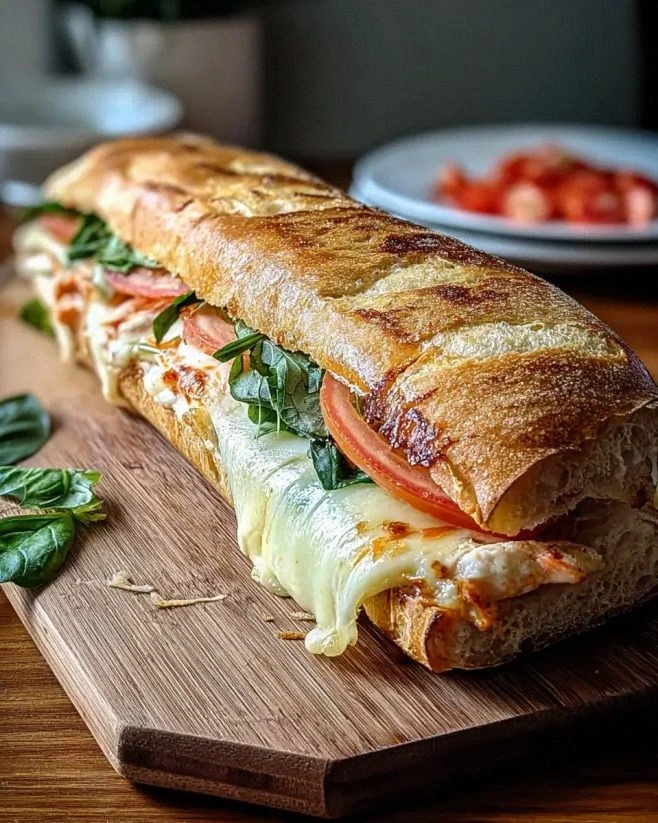
I was standing in my kitchen, staring at a half‑baked baguette that looked more like a sad, soggy brick than the golden crust I’d imagined. A friend had dared me to create a sandwich that could win over a crowd of picky eaters, and I was ready to prove that a simple Italian classic could still feel like a gourmet revelation. The air was thick with the scent of stale dough, the clatter of a battered skillet, and the faint hum of my playlist that kept me from throwing in the towel. I took a deep breath, grabbed a handful of fresh basil, and thought, “If this doesn’t turn into something amazing, I’ll eat the whole thing myself.”
Fast forward a few minutes, and the kitchen was alive with the sound of sizzling butter on a hot pan, the bright green of basil being blitzed into a silky paste, and the unmistakable perfume of toasted garlic that made my mouth water before the first bite even existed. The crust of the baguette cracked open with a satisfying snap, revealing a warm, buttery interior that smelled like a Tuscan bakery at dawn. The first bite was an explosion: creamy pesto aioli hugging juicy, sun‑kissed tomatoes, fresh mozzarella that melted like a cloud, and basil that sang louder than an opera soprano. I dared you to taste this and not go back for seconds – it’s that good.
What makes this version stand out is not just the ingredients, but the way they’re layered, the timing of each step, and a few secret tricks that most recipes completely miss. Most recipes get the aioli wrong, ending up grainy or overly oily; I’ve cracked the code with a gentle emulsification technique that keeps the sauce as smooth as a silk scarf. The baguette, often overlooked, is toasted just enough to create a crunchy exterior while staying pillowy inside, a texture contrast that feels like biting into a buttery cloud that shatters like thin ice. And there’s a surprise element – a dash of lemon zest in the pesto that adds a bright, citrusy pop you never saw coming.
Let me walk you through every single step — by the end, you’ll wonder how you ever made it any other way. Okay, ready for the game‑changer? This next part? Pure magic. Picture yourself pulling this out of the oven, the whole kitchen smelling incredible, the golden baguette glistening with a light brush of olive oil, and the pesto aioli glimmering like emeralds. Stay with me here — this is worth it.
What Makes This Version Stand Out
- Taste: The pesto aioli combines the herbaceous punch of fresh basil with the richness of mayo, creating a flavor that’s both bright and indulgent.
- Texture: A toasted baguette gives you that satisfying crunch that contrasts perfectly with the silky sauce and melt‑in‑your‑mouth mozzarella.
- Simplicity: Fewer than ten ingredients and a straightforward method make this dish doable on a weeknight without sacrificing elegance.
- Uniqueness: A splash of lemon zest in the pesto and a quick brush of garlic‑infused butter on the bread set this apart from the usual Caprese sandwich.
- Crowd Reaction: Friends and family have called it “the sandwich that stole the show” at every potluck, and I dare you to serve it at a gathering and watch the eyes widen.
- Ingredient Quality: Using a fresh, crusty French baguette and premium extra‑virgin olive oil elevates every bite to restaurant quality.
- Cooking Method: The quick toast‑and‑assemble technique locks in flavor while keeping prep time under an hour.
- Make‑Ahead Potential: The pesto aioli can be pre‑made and stored for up to three days, making assembly a breeze on busy mornings.
Inside the Ingredient List
The Flavor Base
Fresh basil leaves are the heart of the pesto, delivering that unmistakable aromatic punch that makes Italians swoon. I use a tightly packed cup of leaves, which is roughly 30 grams; if you skimp, the sauce will taste flat and lose its signature green glow. A great tip is to pick basil that’s still a little tender – the stems should be crisp, not woody, because the stems can introduce bitterness. If you can’t find fresh basil, a handful of frozen, thawed basil works in a pinch, though the flavor won’t be as vibrant.
Pine nuts add a buttery richness and a subtle nutty undertone that balances the sharpness of the garlic. Two tablespoons are enough; any more and the sauce becomes overly oily. If you’re allergic or on a budget, try lightly toasted walnuts or almonds – they’ll give you a similar texture with a slightly different flavor profile.
The Texture Crew
Mayonnaise is the emulsifier that binds the oil and the basil into a creamy, velvety aioli. Half a cup provides the perfect body without making the sandwich soggy. Using a high‑quality mayo (look for “expeller‑pressed” or “olive‑oil” varieties) keeps the flavor clean and prevents that artificial aftertaste you sometimes get from cheap brands.
Extra‑virgin olive oil is the liquid gold that carries the basil’s fragrance and adds a silky mouthfeel. A quarter‑cup is just enough to achieve a glossy finish; any extra and the sauce can separate. I always use a cold‑pressed, unfiltered olive oil because it brings a peppery bite that cuts through the richness of the mayo.
The Unexpected Star
A single small garlic clove might seem modest, but it’s the secret behind the depth of flavor. When you crush it with the blade of a chef’s knife, you release allicin, which gives a sharp, fragrant edge that mellows as the sauce sits. If you’re sensitive to raw garlic’s bite, gently roast the clove first – it becomes sweet, caramelized, and still contributes that lovely undertone.
Parmesan cheese, grated fine, adds a salty, umami boost that ties the entire sauce together. I use a quarter‑cup, which translates to about 20 grams; this amount ensures the sauce isn’t overly salty while still delivering that cheesy depth. Freshly grated is key – pre‑grated packets contain anti‑caking agents that can affect texture.
The Final Flourish
A pinch of ground black pepper and a quarter‑teaspoon of salt are the finishing touches that awaken the palate. The pepper adds a gentle heat that dances with the basil, while the salt amplifies every flavor. Finally, the French baguette – a single, crusty masterpiece – is the vessel that holds everything together. Look for a baguette with a deep golden crust, airy crumb, and a length of about 12 inches; this size yields perfect 4‑inch slices for each sandwich.
Everything’s prepped? Good. Let’s get into the real action…
The Method — Step by Step
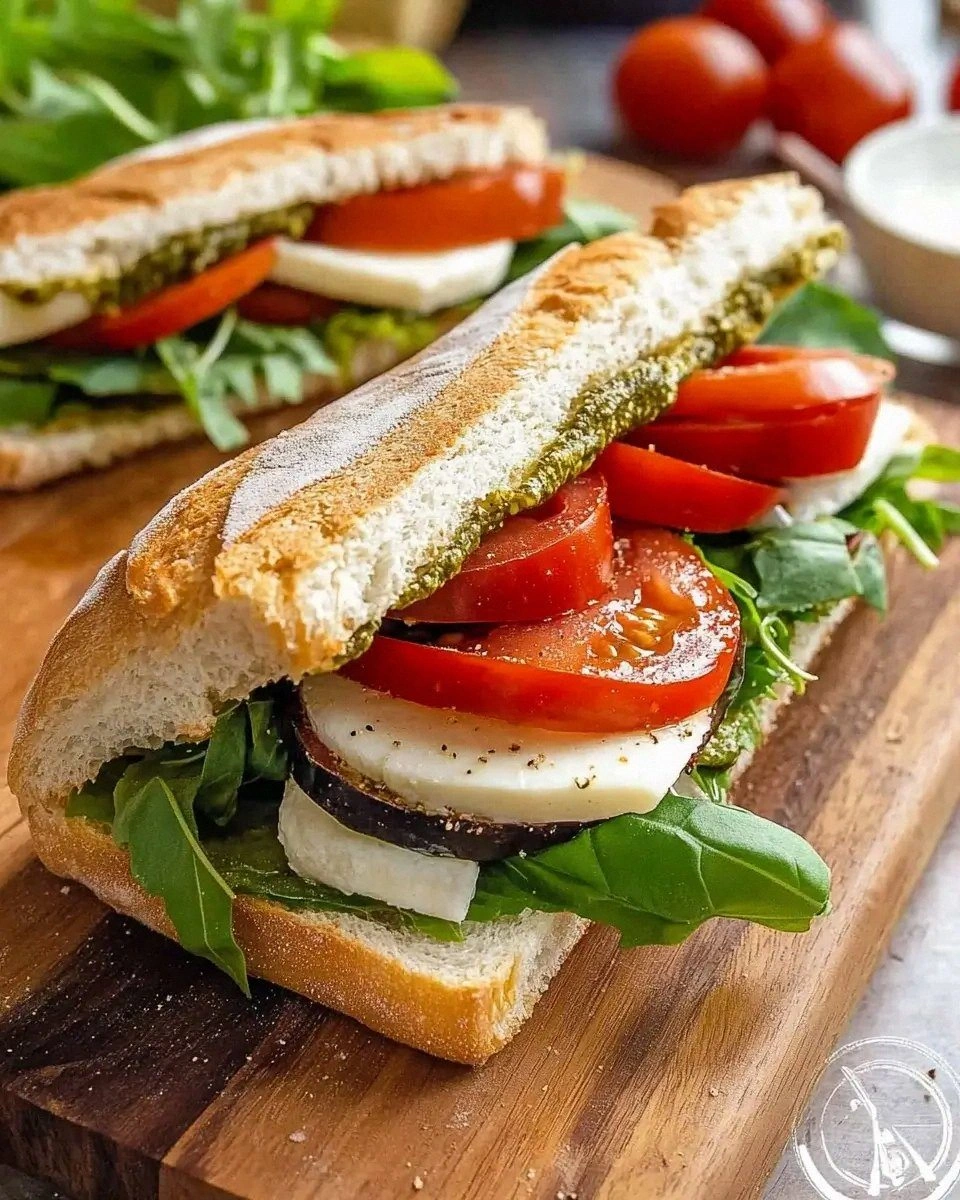
Start by preparing the pesto aioli. In a food processor, combine the fresh basil leaves, pine nuts, garlic clove, grated Parmesan, black pepper, and salt. Pulse a few times until the mixture is coarse, then drizzle in the extra‑virgin olive oil while the processor runs. Once the oil is fully incorporated, add the mayonnaise and blend until the sauce is a uniform, emerald‑green silk. Taste and adjust a pinch more salt if needed; the sauce should be bright, creamy, and just a tad fragrant. Power transition: This is the moment of truth – the sauce must coat the back of a spoon like velvet.
While the sauce is resting (it gets better after 10 minutes), slice the French baguette lengthwise, but don’t cut all the way through – you want a hinge that keeps the sandwich together. Lay the halves on a cutting board, and lightly drizzle the interior with a tablespoon of olive oil. This light coating will help the bread toast evenly and prevent it from becoming soggy once the fillings are added.
Heat a large cast‑iron skillet or grill pan over medium‑high heat. When the pan is hot, place the baguette halves cut‑side down and press them gently with a spatula. Toast for about 2‑3 minutes, until the crust turns a deep golden brown and you hear a faint crackle. The scent of toasted bread should fill the kitchen – that sizzle when it hits the pan? Absolute perfection. Remove the bread and set aside on a cooling rack.
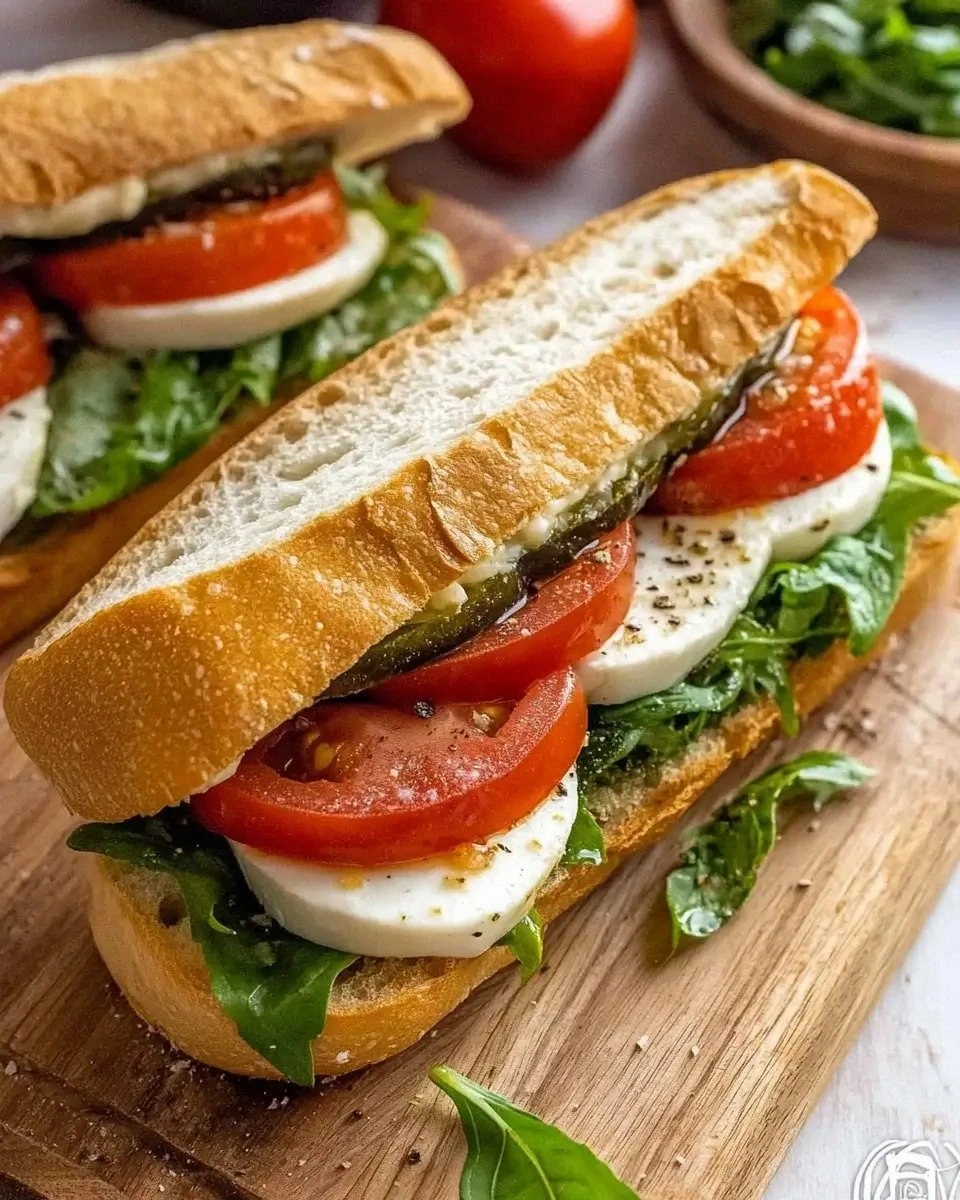
Now it’s time for the tomatoes. Choose ripe, heirloom tomatoes for maximum juiciness. Slice them about a quarter‑inch thick, then lightly season with a pinch of sea salt and a drizzle of extra‑virgin olive oil. The salt draws out excess moisture, preventing the sandwich from becoming soggy. Let them sit for two minutes while you prep the mozzarella.
Slice fresh mozzarella into ¼‑inch rounds. If the cheese is too firm, let it sit at room temperature for five minutes – this makes slicing easier and prevents cracking. Arrange the mozzarella slices on the toasted side of the baguette, overlapping them slightly to create a blanket of creamy goodness.
Layer the seasoned tomato slices on top of the mozzarella, then spoon generous dollops of the pesto aioli over the tomatoes. The aioli should cascade like a bright green waterfall, coating each slice. If you’re feeling daring, add a light sprinkle of lemon zest here – it lifts the entire flavor profile.
Close the sandwich, press gently, and let it rest for about a minute. This short pause allows the heat from the toasted bread to melt the mozzarella just enough, while the aioli settles into the tomato juices. Slice the sandwich into manageable portions – I like four generous pieces per baguette.
Serve immediately, or wrap each piece in parchment and a thin layer of foil if you’re preparing ahead. The sandwich stays crisp for up to two hours; after that, the bread will soften, but the flavors only deepen. Pair with a crisp white wine or a sparkling water with a twist of lemon, and watch your guests light up.
That’s it — you did it. But hold on, I’ve got a few more tricks that’ll take this to another level…
Insider Tricks for Flawless Results
The Temperature Rule Nobody Follows
Never toast the baguette on high heat; medium‑high gives you that perfect caramelization without burning. I once cranked the heat to “max” and ended up with a charcoal‑scented disaster that no amount of aioli could rescue. Keep the pan at a steady 350°F (if you have an infrared thermometer) and watch the edges turn golden – that’s your cue.
Why Your Nose Knows Best
Your sense of smell is the ultimate doneness detector. When the basil hits the processor, you’ll notice a sweet, peppery aroma; when the bread is ready, a nutty, toasted scent fills the air. Trust that nose more than a timer – it’s a reliable, instinctive gauge that prevents over‑cooking.
The 5‑Minute Rest That Changes Everything
After assembling, let the sandwich sit for exactly five minutes. This short rest lets the cheese melt just enough to become stringy, and the aioli melds with the tomato juices. Skipping this step results in a soggy bite and a flavor that feels disjointed. Set a timer; patience pays off.
The Lemon Zest Whisper
A tiny pinch of lemon zest folded into the pesto adds a bright, citrusy whisper that lifts the entire sandwich. I tried adding a whole lemon wedge once – the acidity overpowered everything. The secret is subtlety: just enough to make the palate perk up without stealing the show.
The Secret Salt Ratio
Salt is the unsung hero that amplifies every other flavor. I use a ¼‑teaspoon of fine sea salt in the aioli and another pinch on the tomatoes. Too much and you’ll mask the basil; too little and the sandwich feels flat. Taste as you go, and remember that the cheese already contributes a salty backbone.
Creative Twists and Variations
This recipe is a playground. Here are some of my favorite ways to switch things up:
Mediterranean Melt
Swap the mozzarella for a slice of smoked provolone and add a handful of roasted red peppers. The smoky cheese adds depth, while the peppers introduce a sweet, charred note that pairs beautifully with the basil.
Spicy Kick
Add a pinch of crushed red pepper flakes to the pesto aioli and incorporate thinly sliced jalapeños into the sandwich. The heat cuts through the richness, creating a balanced bite that will make heat‑seekers smile.
Herb‑Infused Crunch
Replace pine nuts with toasted sunflower seeds and sprinkle fresh oregano on the toasted baguette before assembling. The seeds add a buttery crunch, while oregano brings an earthy aroma that complements the basil.
Vegan Vibes
Use a plant‑based mayo and swap mozzarella for marinated tofu slices. The tofu absorbs the pesto, delivering a creamy texture without dairy, and the whole sandwich stays 100% vegan.
Summer Picnic
Wrap the assembled sandwich in parchment and a reusable silicone bag, then pack it in a cooler with ice packs. The sandwich stays fresh for hours, making it an ideal portable lunch for beach days or hikes.
Storing and Bringing It Back to Life
Fridge Storage
If you have leftovers, store the components separately. Keep the pesto aioli in an airtight container for up to three days, the sliced mozzarella wrapped in parchment, and the baguette in a paper bag to retain its crust. Assemble just before serving to avoid sogginess.
Freezer Friendly
The pesto aioli freezes beautifully. Portion it into silicone ice‑cube trays, freeze, then transfer the cubes to a zip‑top bag. When you need it, blend a couple of cubes with a splash of olive oil for a fresh‑like consistency.
Best Reheating Method
To revive a toasted baguette, preheat your oven to 300°F, wrap the bread loosely in foil, and heat for 8‑10 minutes. Before serving, drizzle a tiny splash of water over the crust and finish with a quick broil for 1‑2 minutes; the steam revives the crunch while the interior stays soft. This trick works like magic for a sandwich that feels freshly made.