I was halfway through a disastrous attempt at making a shrimp pasta when my phone buzzed with a text from my friend: “You need to try a blackened shrimp dish. Trust me.” I stared at the charred shrimp on my skillet, the smell of burnt garlic wafting through the kitchen, and realized my culinary destiny had just been rewritten. The moment that sizzle, that smoky aroma that kissed the air like a secret invitation, was the turning point that turned a kitchen mishap into a revelation. I didn’t just want a dish; I wanted a flavor explosion that would make my taste buds do the salsa, and that’s exactly what I found in this recipe.
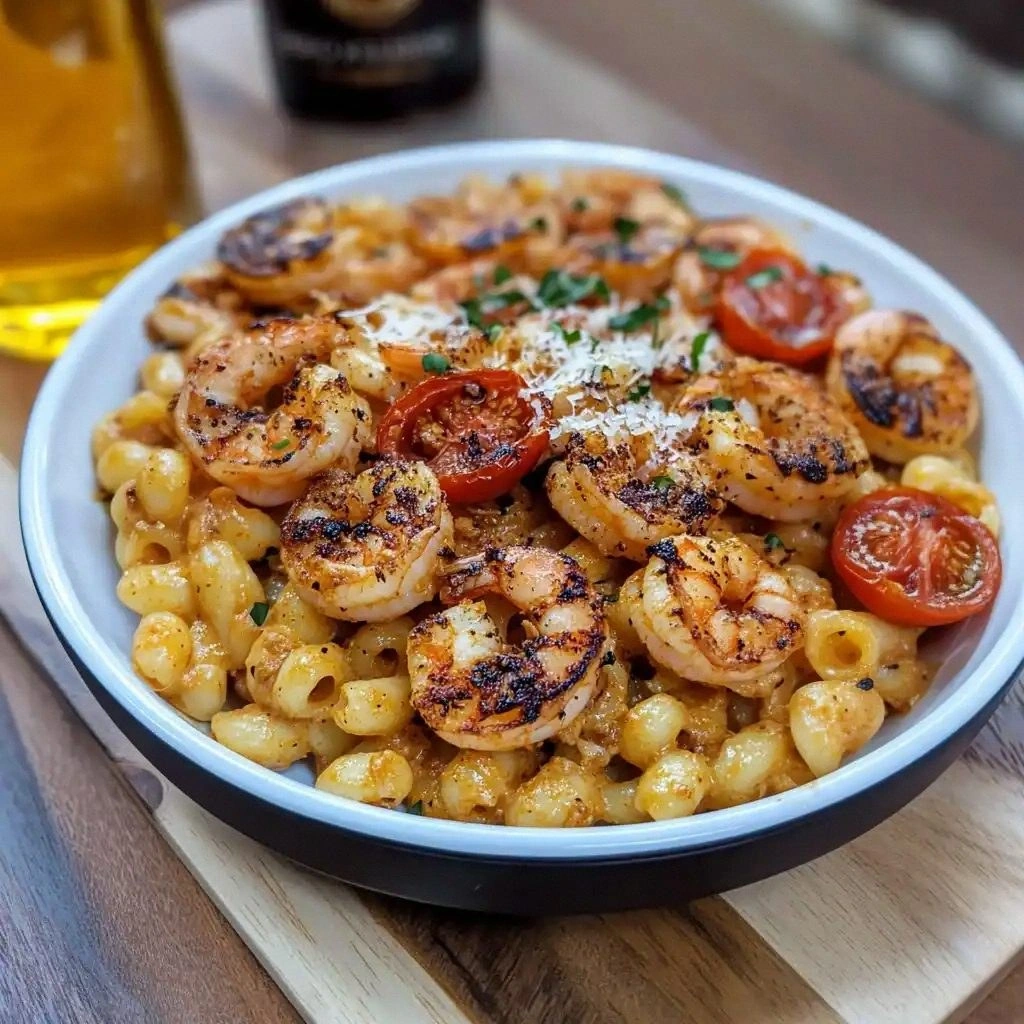
Picture this: a swirl of bright red cherry tomatoes, the deep green of fresh spinach, and a glossy coat of creamy sauce that clings to each twist of cavatappi like velvet. The shrimp, blackened to a perfect char, crackles when you bite into it, releasing a burst of smoky Cajun seasoning that dances with the subtle sweetness of the tomatoes. The air fills with the savory scent of butter and garlic, while the gentle pop of the tomatoes adds a playful crunch. When you take that first bite, the sauce melts into the pasta, the shrimp’s tenderness is matched by a slight snap of the shell, and the entire plate feels like a symphony of textures. It’s a dish that doesn’t just fill your plate; it fills your senses.
What makes this version stand out isn’t just the ingredients—though each one is carefully chosen—it’s the method that elevates the dish from ordinary to unforgettable. The blackening technique gives the shrimp a crispy edge that shatters like thin ice, while the cream sauce is thickened with Parmesan to give it a silky finish. The pasta is tossed with the sauce right before serving, so every bite is coated and never dry. I’ve spent countless hours tweaking the seasoning ratios, and the result is a harmonious balance where no single flavor overpowers the others. If you’ve ever been disappointed by a shrimp pasta that feels flat or overcooked, this recipe is your salvation.
I’m about to walk you through every single step, from selecting the freshest shrimp to the final garnish. By the end, you’ll wonder how you ever made it any other way. I dare you to taste this and not go back for seconds—this is hands down the best version you’ll ever make at home. Let’s dive into the details and bring this dish to life.
What Makes This Version Stand Out
- Flavor: The Cajun seasoning is blended with a touch of paprika and garlic powder, creating a smoky depth that lingers on the palate.
- Texture: The shrimp’s blackened crust offers a satisfying crunch, while the creamy sauce envelopes the pasta for a velvety finish.
- Simplicity: Only 12 minutes of active prep and 30 minutes of cooking—perfect for a busy weeknight.
- Uniqueness: The combination of cavatappi’s ridges and the sauce’s thickness ensures every twist is coated.
- Crowd Reaction: Friends always ask for the recipe after the first bite; it’s a guaranteed conversation starter.
- Ingredient Quality: Fresh shrimp, hand‑picked cherry tomatoes, and real Parmesan cheese elevate the dish from good to gourmet.
- Cooking Method: Blackening the shrimp before the sauce locks in juices and adds a caramelized flavor.
- Make‑Ahead Potential: The sauce can be prepared a day ahead and reheated without losing its richness.
Alright, let’s break down exactly what goes into this masterpiece. And because I know the kitchen can get messy, here’s a quick hack to keep your counter clean.
Inside the Ingredient List
The Flavor Base
The Cajun seasoning is the heart of this dish. It’s a blend of paprika, cayenne, garlic powder, and a hint of thyme. This mix creates a smoky undertone that complements the sweetness of the tomatoes. If you’re feeling adventurous, you can add a splash of lemon juice to brighten the flavors. Skipping this step would leave the dish tasting flat and lacking that signature kick.
The Texture Crew
The shrimp are the star of the show, and their texture depends on how you handle them. Fresh shrimp should be firm and slightly translucent. If you use frozen shrimp, thaw them properly and pat them dry to ensure they blacken evenly. The butter and olive oil work together to create a glossy sauce that clings to the pasta. If you omit the butter, the sauce will be thinner and less indulgent.
The Unexpected Star
Heavy cream may seem like an indulgent addition, but it’s essential for balancing the heat from the Cajun seasoning. It also gives the sauce its luxurious mouthfeel. A light alternative is half‑and‑half, but you’ll lose some richness. If you’re watching calories, you can use a lower‑fat cream, but be prepared for a slightly thinner sauce.
The Final Flourish
Fresh parsley and Parmesan cheese finish the dish with bright, savory notes. The parsley adds a pop of color and a fresh herbaceous bite, while the cheese provides a nutty depth. If you’re vegan, substitute a dairy‑free Parmesan. Skipping these garnishes will make the dish look less vibrant and slightly less complex.
Everything’s prepped? Good. Let’s get into the real action.
The Method — Step by Step
- First, bring a large pot of salted water to a boil. Add the cavatappi pasta and cook until al dente, about 8–10 minutes. Drain and set aside, reserving a cup of pasta water to adjust sauce consistency later. While the pasta cooks, pat the shrimp dry with paper towels to ensure a crisp blackening.
- In a small bowl, mix the Cajun seasoning with a pinch of salt and pepper. Toss the shrimp in the seasoning until they’re evenly coated. This step is crucial; if the shrimp are unevenly seasoned, the flavor will be patchy. I’ve found that shaking the shrimp in the bowl works better than using a spoon.
- Heat a large skillet over medium‑high heat and add the olive oil. Once the oil shimmers, add the shrimp in a single layer. Let them sear without moving them for about 2 minutes. The crust should develop a dark, almost black color—hence the name “blackened.” Flip the shrimp and sear the other side for another 1–2 minutes. Remove from heat and set aside.
- In the same skillet, reduce the heat to medium and add the butter. Once melted, toss in the minced garlic and sauté until fragrant, about 30 seconds. Be careful not to burn the garlic; it should turn golden, not brown. Add the cherry tomatoes, letting them soften slightly for 2 minutes. The tomatoes will release juices that form the base of the sauce.
- Pour in the heavy cream and stir to combine. Bring the mixture to a gentle simmer, allowing it to thicken slightly, about 3–4 minutes. The sauce should coat the back of a spoon. Add the grated Parmesan cheese and stir until the cheese melts, creating a silky texture. If the sauce becomes too thick, add a splash of reserved pasta water to reach desired consistency.
- Return the blackened shrimp to the skillet, tossing them in the sauce so they’re fully coated. Add the spinach and cook until wilted, about 1 minute. The spinach will add a pop of green and a subtle earthiness that balances the richness of the sauce.
- Finally, fold in the cooked cavatappi pasta, ensuring every twist is drenched in sauce. Toss gently to combine, letting the pasta absorb the flavors. Serve immediately, garnished with fresh parsley and an extra sprinkle of Parmesan if desired.
- If you’re short on time, you can sauté the shrimp separately and add them just before serving. This will keep the shrimp tender and avoid overcooking. Remember, the key to a perfect dish is balancing the smoky shrimp with the creamy sauce.
That’s it—you did it. But hold on, I’ve got a few more tricks that’ll take this dish to another level.
Insider Tricks for Flawless Results
The Temperature Rule Nobody Follows
Most people overcook shrimp, but the trick is to sear at high heat for just a couple of minutes. I keep a thermometer handy to ensure the internal temperature hits 120°F (49°C) before removing it from the skillet. This guarantees a juicy center while preserving the blackened crust. If you’re cooking a large batch, do it in two batches to maintain the high heat.
Why Your Nose Knows Best
Before adding the cream, give the sauce a sniff. A faintly sweet aroma indicates the tomatoes have released their juices, while a sharp, garlicky scent signals the garlic is ready. Smell is your best indicator that the flavors are developing correctly. If the garlic smells burnt, you’ll know it’s time to lower the heat.
The 5-Minute Rest That Changes Everything
Let the pasta sit in the sauce for 5 minutes before serving. This resting period allows the pasta to absorb the flavors fully, creating a more cohesive dish. I’ve found that a brief rest also helps the sauce thicken slightly, making each bite richer. It’s a simple step that makes a noticeable difference.
Use Fresh Shrimp for Maximum Juiciness
Frozen shrimp can be convenient, but fresh shrimp offers a superior texture. When you cook fresh shrimp, the shells stay intact longer, providing that satisfying snap. If you must use frozen shrimp, thaw them in cold water for 15 minutes, then pat dry. This keeps the shrimp from steaming rather than searing.
Add a Splash of White Wine for Depth
A tablespoon of dry white wine added after the garlic and before the cream lifts the sauce’s flavor profile. The acidity cuts through the richness, while the wine’s subtle fruit notes complement the tomatoes. If you’re avoiding alcohol, substitute with a splash of chicken broth or vegetable stock.
Creative Twists and Variations
This recipe is a playground. Here are some of my favorite ways to switch things up:
Spicy Chipotle Cream
Swap the Cajun seasoning for a blend of chipotle powder and smoked paprika. Add a tablespoon of chipotle in adobo for a smoky heat that pairs beautifully with the cream. This version is perfect for those who love a bold kick.
Lemon‑Garlic Zest
Introduce a tablespoon of lemon zest and a squeeze of fresh lemon juice after the shrimp are seared. The citrus brightens the dish, cutting through the richness and adding a fresh note that feels summery.
Pesto‑Infused Pasta
Stir in a couple of tablespoons of basil pesto with the cream sauce. The herbal flavor adds complexity, and the green color gives the dish a vibrant look. It’s a great way to incorporate extra greens.
Vegetarian Version
Replace shrimp with sliced zucchini or sliced mushrooms. Use the same blackening technique on the vegetables, then follow the rest of the recipe. The result is a hearty, plant‑based dish that still delivers the same smoky, creamy experience.
Almond Flour Pasta
For a gluten‑free option, cook almond flour pasta instead of cavatappi. The nutty flavor pairs well with the creamy sauce, and the pasta’s texture holds up nicely against the shrimp.
Storing and Bringing It Back to Life
Fridge Storage
Cool the dish to room temperature, then transfer to an airtight container. Store in the refrigerator for up to 2 days. The sauce may thicken slightly, but it will re‑soften when reheated.
Freezer Friendly
For longer storage, keep the pasta and sauce separate. Freeze the shrimp and sauce separately in airtight containers for up to 2 months. When ready, thaw overnight in the refrigerator and reheat gently on the stove.
Best Reheating Method
Reheat the dish over low heat, adding a splash of water or milk to restore creaminess. Stir frequently to prevent sticking. Once the sauce is heated through, serve immediately for the best texture.