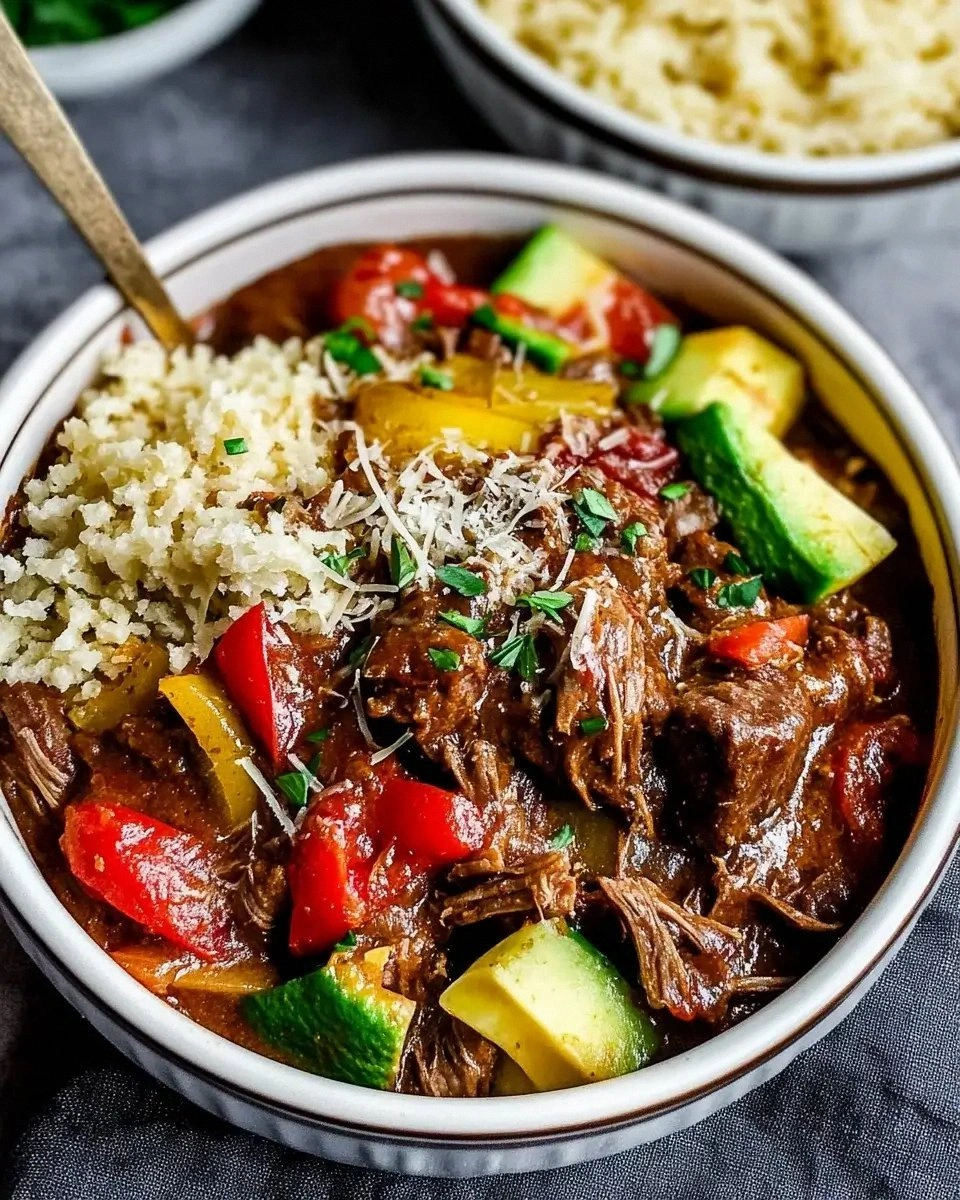
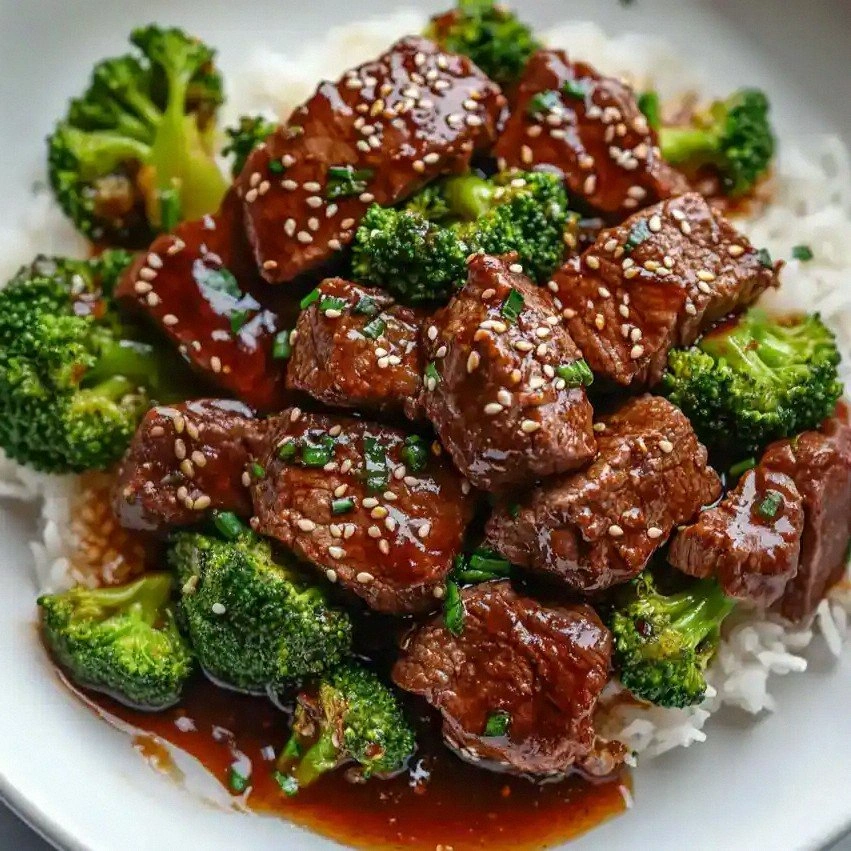
Picture this: I’m standing in a cramped apartment kitchen, a battered wok on the stove, a half‑cooked fish on a plate, and a friend’s voice echoing through the phone, “You’ve got to try the real Chinese steamed fish.” The next moment I’m in a frenzy, slicing, dicing, and whisking, all while the aroma of ginger and scallions starts to seep through the windows. I had never thought a simple fish could turn into a masterpiece, but that night, I discovered the secret sauce that makes steamed whole fish not just a dish, but a revelation. I’m talking about the exact blend of light soy, a splash of sugar, and the subtle heat of white pepper that lifts the delicate flesh into a silky, aromatic cloud. I dare you to taste this and not go back for seconds.
I’m not here to brag, but this is hands down the best version you’ll ever make at home. The texture is a whisper of tenderness that cracks open at the first bite, while the broth clings to every scale like a fine silk. The fish itself is the hero, but the sauce is the villain that steals the show—rich, savory, with a hint of sweetness that lingers. Most recipes get this completely wrong, relying on a bland water bath or overcooking the fish until it’s dry. Here, the steam preserves every drop of moisture, and the sauce is infused through the fish’s flesh, not just drizzled on top. If you’ve ever struggled with steaming fish that ends up mushy or bland, you’re not alone—and I’ve got the fix.
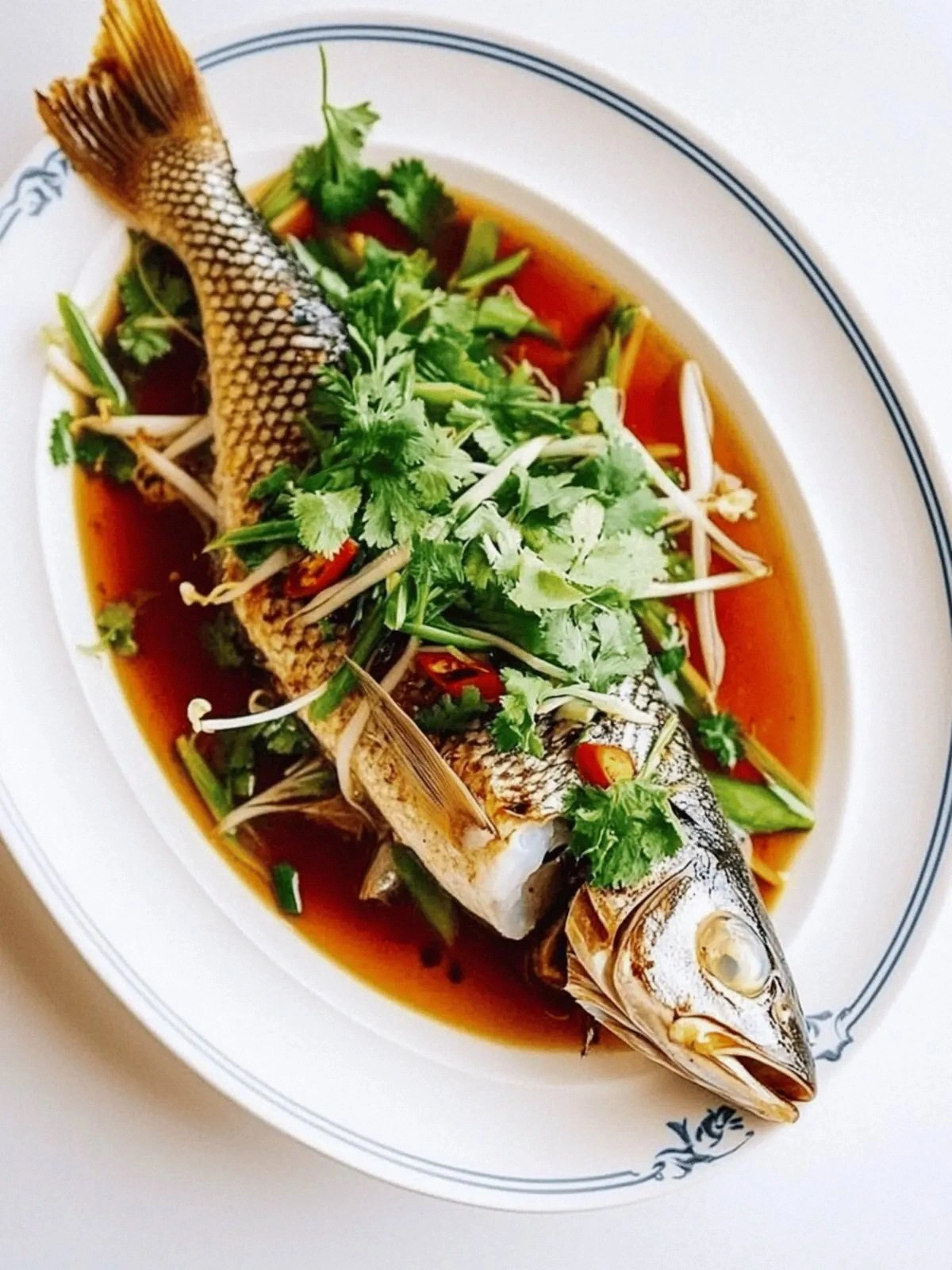
And now, picture yourself pulling this out of the steamer, the whole kitchen smelling incredible, steam curling like a cloud of fragrant mist, and the fish’s skin glistening like a polished jade. The anticipation is almost too much to bear—do I need to do a little dance? No, just a quick nod to the stove, a gentle lift of the lid, and the aroma will tell you everything is perfect. I’ve spent hours tweaking the ratios, testing different fish, and even trying a few variations, but the core of this recipe stays the same: clean ingredients, precise timing, and a love for the subtle flavors that Chinese cuisine celebrates. Stay with me here—this is worth it.
What Makes This Version Stand Out
- Flavor: The balanced combination of soy, sugar, and white pepper creates a savory-sweet profile that permeates the fish, unlike the plain water baths of most steams.
- Texture: The gentle steaming method locks in moisture, giving the flesh a melt‑in‑your‑mouth softness that feels almost buttery.
- Ingredient Quality: Using a fresh whole striped bass or sea bass ensures the fish’s natural sweetness, which the sauce highlights without overpowering.
- Speed: The entire process takes under 45 minutes from prep to plating, making it a quick yet impressive dinner.
- Visual Appeal: The vibrant green of cilantro and scallions against the pale fish creates a dish that looks as good as it tastes.
- Make‑Ahead Potential: The sauce can be pre‑made and refrigerated, saving time on busy nights without compromising flavor.
- Versatility: Swap the fish for tilapia or cod, and the method remains intact, making this recipe adaptable to whatever is on sale.
- Audience Reaction: Friends and family often leave the table asking for the recipe, proving its crowd‑pleasing power.
Alright, let’s break down exactly what goes into this masterpiece. Before we dive into the steps, let’s talk hacks that can elevate the dish even further.
Inside the Ingredient List
The Flavor Base
The sauce is where the magic begins. Light soy sauce provides the umami backbone, while the sugar balances the saltiness, creating a harmonious marriage that coats the fish like velvet. White pepper adds a subtle heat that’s far more nuanced than black pepper, letting the other flavors shine. If you’re watching sodium, you can reduce the soy sauce to 1½ tbsp and add a pinch more sugar to keep the balance.
I’ve swapped light soy for tamari in a gluten‑free version, and the result was just as luscious. The key is to taste as you go—if the sauce feels too salty, a splash of water can dilute without losing depth. Remember, the sauce is the star; don’t let it get lost in the steam.
The Texture Crew
The fish itself is the main structural element. A whole striped bass or sea bass, about 1.5 lbs, should be cleaned, gutted, and scaled. The fish’s own fat content keeps it moist during the steaming process. If you’re using a leaner fish like cod, add a splash of fish stock to the steaming water to maintain moisture.
The canola oil is a subtle yet critical component—it helps prevent the fish from sticking to the steamer basket and adds a glossy finish. A tablespoon of oil is enough to coat the fish lightly before you add the aromatics. If you’re vegan, a light drizzle of sesame oil gives an extra layer of flavor.
The Unexpected Star
Fresh ginger and scallions are the aromatic backbone. Ginger’s peppery bite cuts through the richness of the fish, while scallions add a bright, fresh note that lifts the entire dish. I always slice the ginger into thin rounds, which steam beautifully and release a subtle, almost citrusy aroma. The scallions are divided into white and green parts; the white part is added to the sauce, and the green part is tossed on top as a garnish.
If you’re not a fan of ginger, you can substitute a small amount of garlic for a different depth, but the dish will feel slightly different. The key is to keep the aromatics fresh—stale herbs can muddy the flavor profile.
The Final Flourish
Fresh cilantro provides a burst of herbal freshness that cuts through the savory sauce. It’s added at the end, just before serving, to preserve its bright green color and aroma. If cilantro is not to your taste, a sprinkle of chopped parsley or a squeeze of fresh lime can provide a similar fresh lift.
The steaming water, about 2 cups, is essential to create the moist environment that allows the fish to cook gently. If you’re using a bamboo steamer, line the basket with parchment paper to prevent sticking. The water should be just below boiling—too hot and you’ll overcook the fish.
Everything’s prepped? Good. Let’s get into the real action.
The Method — Step by Step
- Prepare the Fish: Rinse the 1.5‑lb whole fish under cold water and pat dry. Score the skin lightly with a sharp knife at 45‑degree angles. This not only helps steam penetrate but also gives a crisp edge when finished. I’ve found that a quick pat with a paper towel removes excess moisture, preventing steaming steam from becoming cloudy.
- Season the Fish: Rub the fish all over with 1 tsp of salt and 1 tsp of sugar, ensuring the seasoning penetrates the skin. Sprinkle 1/2 tsp of fresh ground white pepper evenly. This step is critical for flavor; skipping it results in a bland fish that will be hard to rescue later.
- Prepare the Aromatics: Slice 1 piece of fresh ginger into thin rounds. Chop 3 stalks of scallions, separating the white part from the green. Finely mince 1/4 cup of fresh cilantro, setting aside half for garnish and the rest for the sauce.
- Make the Sauce: In a small saucepan, combine 2 tbsp light soy sauce, 2 tbsp canola oil, 1 tsp of white pepper, and 1/2 tsp of sugar. Add the ginger and the white part of the scallions. Heat over medium heat until the sugar dissolves and the mixture becomes fragrant—about 1–2 minutes. Remove from heat and stir in the reserved cilantro.
- Set Up the Steamer: Fill the steamer pot with 2 cups of water, ensuring it does not touch the basket. Line a bamboo steamer or a heat‑proof plate with parchment paper to prevent sticking. Place the seasoned fish in the steamer, skin side up, and pour the sauce over the fish, ensuring it covers the sides.
- Steam: Bring the water to a gentle boil, then lower the heat so it stays at a steady steam. Cover and steam the fish for 12–15 minutes, depending on the thickness. The fish is done when the flesh turns opaque and flakes easily with a fork. Watch the steam—if it turns too thin, the water may be too hot.
- Finish with a Burst of Heat: While the fish is steaming, heat 1 tbsp of canola oil in a small pan over high heat until it starts to smoke. Drizzle this hot oil over the steamed fish for a quick sear that gives a slight crispness to the skin. This final touch is pure magic.
- Garnish and Serve: Sprinkle the remaining cilantro and the green part of the scallions over the fish. Serve immediately with steamed rice or a light salad. The steam will carry the aromatic oils, making every bite a sensory delight.
That’s it— you did it. But hold on, I’ve got a few more tricks that will take this to another level.
Insider Tricks for Flawless Results
The Temperature Rule Nobody Follows
Many cooks believe that a vigorous boil is best for steaming, but a gentle, steady steam is the secret. Too high a temperature causes the fish to cook too quickly on the outside, leaving the inside undercooked. Keep the water at a low simmer—just enough to create a steady hiss—and you’ll get even, tender results every time.
Why Your Nose Knows Best
As the fish steams, the aroma will evolve from sharp ginger to mellow soy. Trust that scent; when it smells sweet and slightly caramelized, that’s when you’re ready to finish. I’ve learned to pause at that exact moment, because the fish’s flavor profile peaks just before it’s fully cooked.
The 5‑Minute Rest That Changes Everything
After removing the fish from the steamer, let it rest for five minutes before slicing. This brief pause allows the juices to redistribute, preventing them from spilling out onto the plate. It also gives the sauce a chance to settle, making each bite uniformly flavorful.
The Quick Oil Sear
The hot oil drizzle at the end might sound counterintuitive for a steamed dish, but it creates a subtle crispness on the skin that contrasts beautifully with the tender flesh. If you’re watching calories, use a small amount of high‑smoke‑point oil like grapeseed or avocado.
The Freshness Check
Before you start, look for a fish with a bright, slightly translucent flesh and a mild sea scent—not a fishy odor. A fresh fish will hold its shape better during steaming and will absorb the sauce more effectively. If you’re uncertain, ask your fishmonger for the freshest catch of the day.
Creative Twists and Variations
This recipe is a playground. Here are some of my favorite ways to switch things up:
Citrus‑Infused Steamer
Add slices of lemon or lime to the steaming water. The citrus zest releases bright oils that pair beautifully with the soy‑ginger sauce, giving the fish a refreshing lift.
Spicy Szechuan Kick
Introduce a handful of dried red chilies or a splash of Szechuan peppercorn oil to the sauce. The heat adds depth, and the numbing peppercorns create a unique sensory experience.
Miso‑Marinated Fish
Replace the soy sauce with a mixture of white miso and a dash of rice vinegar. The miso gives a deeper umami flavor and a slightly sweeter finish.
Herb‑Rich Variation
Swap cilantro for Thai basil or mint. The different herbal notes will transform the dish into a more Southeast Asian profile.
Vegetable Companion
Add sliced carrots, bamboo shoots, or baby bok choy to the steamer basket. They’ll absorb the sauce and add texture and color to the plate.
Seafood Fusion
Combine the fish with shrimp or scallops in the steamer. The seafood will mingle flavors, creating a rich, oceanic experience.
Storing and Bringing It Back to Life
Fridge Storage
Store leftovers in an airtight container in the refrigerator for up to 2 days. The fish will remain moist, but the sauce may thicken slightly. Reheat gently in a steamer or microwave, adding a splash of water to re‑steam.
Freezer Friendly
Freeze the fish in a single layer on parchment paper, then transfer to a freezer bag. It can be stored for up to 3 months. Thaw overnight in the refrigerator and reheat as described above.
Best Reheating Method
Reheat in a steamer for 5–7 minutes, or use the microwave with a damp paper towel. A tiny splash of water before reheating will re‑steam the fish back to its original, succulent texture.