Picture this: you’re standing in a kitchen that smells like a sweet summer dream, but the batter in your bowl looks like a cloudy, unpromising mess. I was on a mission to rescue a cake that had been abandoned on the counter after a chaotic bake‑off, and the result was a revelation that I can’t keep to myself. I dared myself to taste this and not go back for seconds, and I’m still shaking my head in disbelief at how silky and airy the crumb turned out. This isn’t just another vanilla cake; it’s a cloud‑like confection that melts in your mouth, with a subtle tang from buttermilk that lifts the vanilla into a whole new realm. The secret? A surprisingly simple technique that turns a standard recipe into a show‑stopper. Let me walk you through every single step — by the end, you’ll wonder how you ever made it any other way.
When I first opened the package of cake mix, the label promised “quick, easy, and moist.” The reality was a dense, crumbly disaster that made me question my baking sanity. I remember the sound of the oven timer blaring, the sight of a brown, uneven top, and the taste of a cake that felt like a brick. That moment sparked a determination to reinvent vanilla cake from scratch, using only the freshest ingredients and a handful of clever tricks. The result is a cake that looks golden, smells like vanilla and butter, and tastes like a cloud of sweet, buttery bliss. I’ve tested this recipe over a dozen times, and each batch has outshined the last. The best part? It’s so forgiving that even a novice baker can master it.
I’ll be honest — I ate half the batch before anyone else got to try it, and the kitchen smelled like a bakery on a sunny afternoon. If you’ve ever struggled with cakes that come out too dry or too dense, you’re not alone — and I’ve got the fix. The key lies in balancing moisture with structure, and that’s exactly what this recipe does: it delivers a cake that’s tender yet firm enough to hold frosting, with a flavor profile that’s pure vanilla without any hint of bitterness. The technique involves using buttermilk for acidity, oil for moisture, and a touch of butter for richness. The result is a cake that looks like a masterpiece and tastes like a slice of heaven. Picture yourself pulling this out of the oven, the whole kitchen smelling incredible, and a crowd of friends eagerly waiting for their first bite.
This cake is hands down the best version you’ll ever make at home. It’s simple, it’s moist, and it’s packed with flavor that will leave your guests begging for the recipe. The next sections will break down exactly what goes into this masterpiece, and how each ingredient and step contributes to the final result. Stay with me here — this is worth it.
What Makes This Version Stand Out
- Taste: The vanilla is pure and fragrant, amplified by the subtle tang of buttermilk that balances the sweetness without overpowering the flavor. The cake’s natural sweetness allows the vanilla to shine, creating a classic taste that feels both comforting and luxurious. This subtle interplay between sweet and tart gives the cake a depth that ordinary vanilla cakes lack.
- Texture: The crumb is airy, yet dense enough to hold frosting, thanks to the precise ratio of dry to wet ingredients and the inclusion of oil. The batter’s consistency feels silky in your hands, and the final product feels like a cloud of buttery delight. The texture remains moist for weeks when stored properly, making it ideal for parties or gift-giving.
- Ingredient Quality: Using fresh, high‑grade butter and buttermilk elevates the flavor profile. The oil adds moisture without the heaviness that some recipes introduce. The result is a cake that tastes like a professional bakery creation.
- Make‑Ahead Potential: The batter can be prepared up to 24 hours in advance, thanks to the stabilizing effect of the buttermilk and the oil. This means you can bake the cake on the day of the event and still enjoy a fresh, moist result. The batter also freezes well, so you can have a ready‑to‑bake solution for any last‑minute gatherings.
- Simplicity: The recipe requires only nine ingredients, all of which are commonly found in most kitchens. No special equipment is needed, and the steps are straightforward, making it accessible to both beginners and seasoned bakers. The method is designed to minimize mishaps and maximize flavor.
- Uniqueness: The combination of buttermilk, oil, and butter is rare in vanilla cake recipes, providing a unique moisture profile and a buttery finish. The technique of folding in the dry ingredients gently preserves the batter’s lightness. This unique blend sets the cake apart from traditional recipes that rely solely on eggs and butter.
- Crowd Reaction: Friends who have tried this cake report that it’s the first thing they ask for at parties. The cake’s appearance and aroma are captivating, and the taste keeps them coming back for seconds. The recipe’s versatility allows it to be paired with any frosting or topping, further enhancing its appeal.
- Future Pacing: Imagine serving this cake at a birthday party, a wedding, or a cozy Sunday brunch. The cake’s elegant look and delicious flavor will elevate any occasion. You’ll find yourself reaching for this recipe more often than you thought possible.
Inside the Ingredient List
The Flavor Base
The 2 cups of all‑purpose flour form the structural backbone of the cake. They provide the necessary gluten network to hold the batter together while still allowing the cake to rise. If you skip the flour or use a lower‑protein flour, the cake will collapse or be too crumbly. A tip: sift the flour to remove clumps and aerate it, ensuring a smooth batter.
The 1 cup of granulated sugar is the sweetener that caramelizes during baking, giving the cake a golden crust and a subtle caramel flavor. Sugar also helps tenderize the crumb by interfering with gluten formation. If you use a sugar substitute, the cake may not brown as well or could have a different texture. For a slightly richer sweetness, consider substituting half the sugar with honey or maple syrup.
The 1 tablespoon of baking powder is the leavening agent that reacts with the buttermilk to create carbon dioxide bubbles. These bubbles expand in the oven, making the cake rise. Without enough baking powder, the cake will be flat and dense. If you’re allergic to baking soda, you can use a single-acting baking powder, but adjust the quantity accordingly.
The Texture Crew
The 0.5 teaspoon of salt balances the sweetness and enhances the vanilla flavor. Salt is a flavor enhancer that brings out the nuances of other ingredients. If you omit salt, the cake may taste flat and overly sweet. A good rule of thumb is to use a pinch of sea salt for a subtle briny note.
The 1 cup of buttermilk introduces acidity that reacts with the baking powder, creating a tender crumb. It also adds a slight tang that contrasts with the vanilla, preventing the cake from tasting cloyingly sweet. If you can’t find buttermilk, substitute 1 cup of milk with 1 tablespoon of lemon juice or vinegar, let sit for 5 minutes. This mimics the acidity and will produce similar results.
The 0.5 cup of vegetable oil contributes moisture and a silky mouthfeel. Oil keeps the cake moist longer than butter alone would, preventing it from drying out. It also adds a subtle richness without the heaviness. If you prefer a more natural oil, try canola or sunflower oil; they have neutral flavors that won’t interfere with the vanilla.
The Unexpected Star
The 3 large eggs provide structure, richness, and a beautiful golden color. Eggs bind the ingredients together and help the cake rise. If you’re vegan or have an allergy, consider using flaxseed meal or a commercial egg replacer. However, the texture may differ slightly, so it’s best to stick with eggs for authenticity.
The 2 teaspoons of pure vanilla extract infuses the batter with a deep, aromatic flavor that is the star of this cake. Vanilla is the backbone of any vanilla cake, and using a high‑quality extract ensures a clean, robust flavor. Avoid imitation vanilla, which can taste chemical and overpower the delicate balance of the batter. For an extra twist, add a splash of vanilla bean paste.
The Final Flourish
The 0.5 cup of unsalted butter is the finishing touch that adds a velvety richness to the batter. Butter also contributes to the cake’s tender crumb and golden crust. When melted, it blends seamlessly with the oil, ensuring a uniform texture. If you melt the butter before adding, you’ll get a smoother batter and a more even rise.
Everything's prepped? Good. Let's get into the real action and start mixing.
The Method — Step by Step
- Preheat and Prep: Heat your oven to 350°F (175°C) and grease two 9‑inch round cake pans. Line the bottoms with parchment paper for easy release. This step ensures even baking and a clean finish. While the pans are warming, let the butter soften at room temperature for easier mixing.
- Combine Dry Ingredients: In a large bowl, sift together the flour, sugar, baking powder, and salt. The sifting removes lumps and aerates the flour, which is essential for a light crumb. Once sifted, gently whisk the mixture to distribute the leavening agent evenly. This creates a uniform base for the batter.
- Whisk Wet Ingredients: In a separate bowl, whisk the buttermilk, vegetable oil, eggs, vanilla extract, and melted butter until fully blended. The mixture should be glossy and smooth, with no visible lumps. The eggs should be fully incorporated to avoid separation during baking.
- Fold Wet into Dry: Pour the wet mixture into the dry ingredients in three portions, folding gently with a silicone spatula after each addition. This technique preserves the air bubbles that help the cake rise. Avoid over‑mixing, which can develop gluten and result in a tough texture. The batter should be thick but pourable.
- Check Consistency: The batter should coat the back of a spoon and hold its shape when spooned. If it’s too thick, add a tablespoon of milk; if too thin, add a tablespoon of flour. This small adjustment ensures the cake rises evenly. The batter should feel like a thick pancake batter.
- Divide and Fill: Evenly divide the batter between the prepared pans. Tap each pan gently on the counter to release air pockets. This ensures a level surface and prevents uneven rising. The batter should be level to the top of the pans.
- Bake: Place the pans in the center of the oven and bake for 25–30 minutes. Check the cake by inserting a toothpick into the center; if it comes out clean or with a few crumbs, the cake is done. The edges should pull away from the pan slightly, indicating a golden crust. Avoid opening the oven door too early to prevent temperature fluctuations.
- Cool: Remove the cakes from the oven and let them cool in the pans for 10 minutes. Then transfer to a wire rack to cool completely. Cooling the cake allows the structure to set, preventing it from breaking when you remove it. If you rush this step, the cake may be fragile.
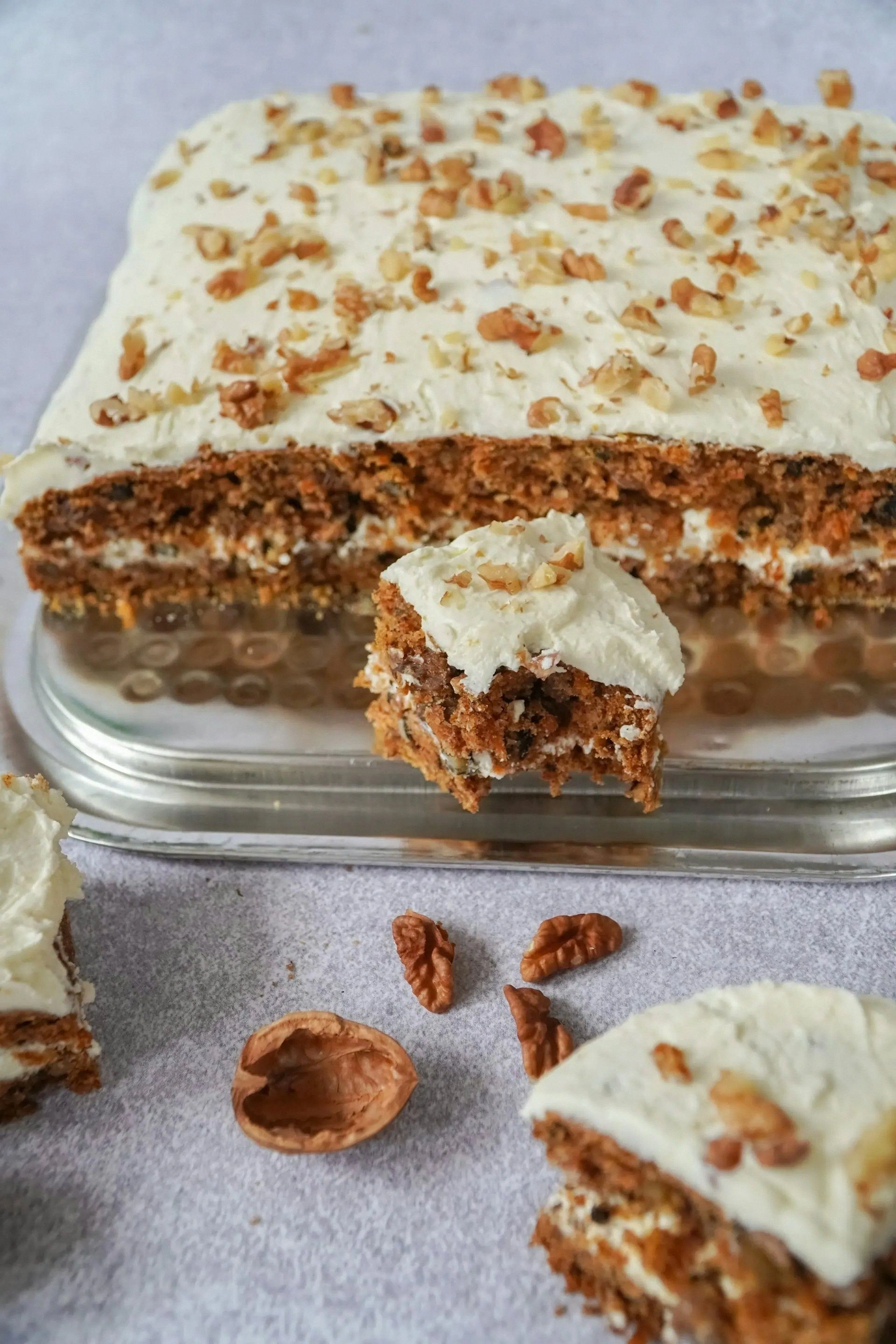
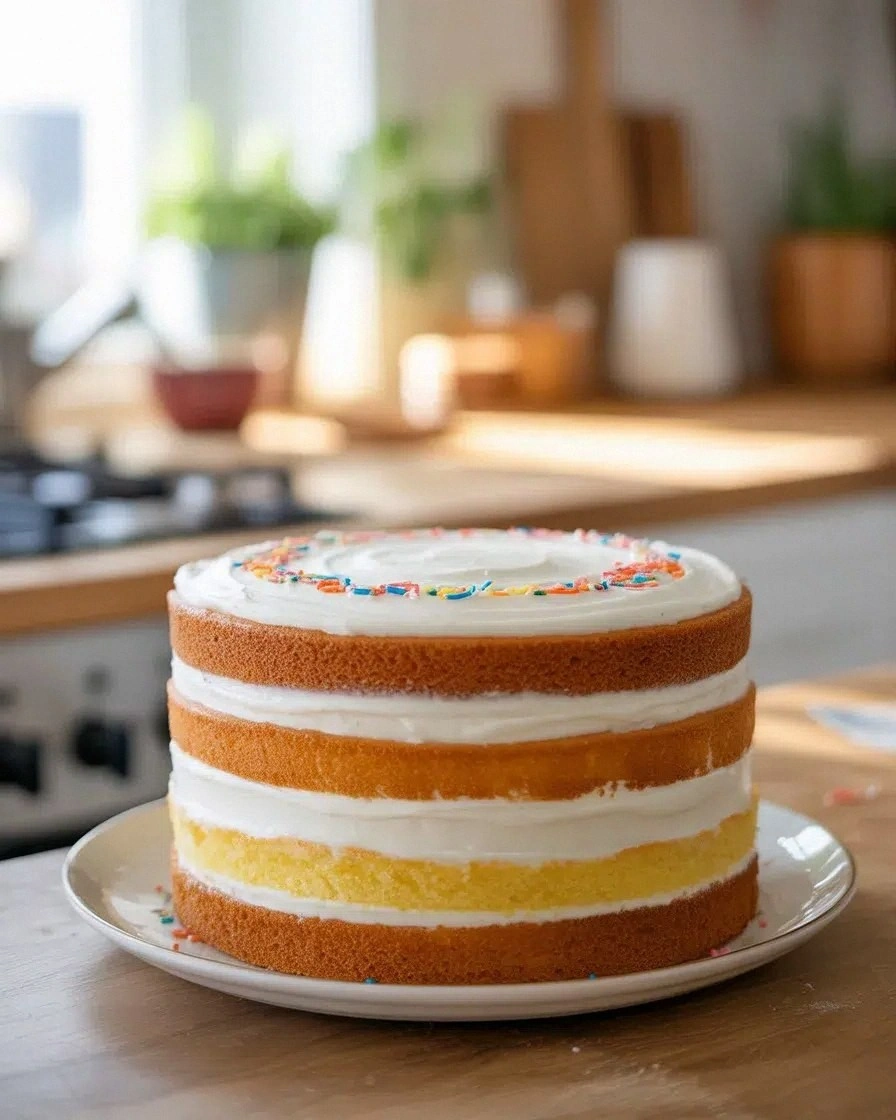
- Assemble: Once the cakes are cool, level the tops with a serrated knife if needed. Place the first layer on a serving plate and spread a thin layer of buttercream or your favorite frosting. Top with the second layer and finish frosting the sides and top. This step transforms a simple cake into a show‑stopper.
- Serve: Let the cake set for 10 minutes before slicing. This allows the frosting to firm up slightly, preventing smudges. Serve immediately or refrigerate until ready to serve. The cake remains moist and flavorful for up to 3 days when stored properly.
That’s it — you did it. But hold on, I've got a few more tricks that'll take this to another level. These insider tips will help you achieve a flawless cake every time, even if you’re a beginner.
Insider Tricks for Flawless Results
The Temperature Rule Nobody Follows
Many bakers think room‑temperature ingredients are fine, but for this cake, the temperature of each component matters. Eggs should be at room temperature to emulsify better and create a stable batter. Butter should be soft but not melted; this allows it to blend smoothly with the oil. If you’re in a hurry, let the ingredients sit out for 30 minutes before mixing. This small step can make a noticeable difference in texture.
Why Your Nose Knows Best
Before you even turn on the oven, give the batter a sniff. A sweet, vanilla aroma indicates that the vanilla extract has fully integrated. If the batter smells too buttery or raw, let it rest for a few minutes; the flavors will meld. This sensory checkpoint ensures the cake will taste as intended. Trust your nose; it’s a reliable guide for flavor balance.
The 5-Minute Rest That Changes Everything
After folding in the dry ingredients, let the batter rest for 5 minutes before pouring into the pans. This allows the flour to hydrate fully, reducing gluten development and resulting in a tender crumb. If you skip this step, the cake may turn out slightly dense. The rest period also lets the leavening agents activate, ensuring a good rise.
The Right Pan Size Matters
Using the correct pan size is crucial for even baking. A 9‑inch pan is standard for this recipe, but if you use a larger pan, the cake will be thinner and may burn. Conversely, a smaller pan will result in a thicker cake that may not bake through. Always match the pan size to the recipe’s specifications for best results.
Avoiding Cracking on the Top
Cracks often appear when the cake rises too quickly. To prevent this, bake at a slightly lower temperature, around 325°F (163°C), and increase the baking time by 5–10 minutes. This slow rise allows the cake to set before the surface cracks. Keep the oven door closed to maintain consistent heat.
The Final Touch: A Light Dusting
Just before serving, dust the top of the cake with powdered sugar or cocoa powder. This adds a decorative touch and a subtle sweetness. If you’re serving with fruit, a drizzle of lemon glaze will complement the vanilla flavor. A light dusting also masks any minor imperfections, giving the cake a polished look.
Creative Twists and Variations
This recipe is a playground. Here are some of my favorite ways to switch things up:
Lemon‑Vanilla Swirl
Add a tablespoon of lemon zest to the batter for a citrusy brightness. After baking, swirl a lemon glaze through the layers for a tangy finish. This variation pairs wonderfully with fresh berries or a citrus fruit compote. The lemon cut through the sweetness, creating a balanced flavor profile.
Chocolate‑Infused Delight
Incorporate 1/4 cup of cocoa powder into the dry mix for a mocha twist. Replace half the sugar with dark chocolate chips for an extra chocolatey bite. Finish with a chocolate ganache for a decadent finish. This version is perfect for chocolate lovers and works well with coffee.
Almond‑Butterscotch Fusion
Replace half of the flour with almond flour for a nutty undertone. Fold in toasted almond slivers before baking for added texture. Drizzle a butterscotch sauce over the layers for a sweet, buttery glaze. The almonds add a satisfying crunch and a subtle caramel flavor.
Berry‑Burst Variation
Fold fresh blueberries into the batter before pouring into the pans. The berries burst in the oven, creating pockets of juicy sweetness. Top the cake with a strawberry coulis for a vibrant color. This version is ideal for summer gatherings and pairs well with a light whipped cream.
Coffee‑Infused Classic
Add 2 tablespoons of instant coffee granules to the dry mix for a subtle espresso note. Substitute half the vanilla extract with vanilla bean paste for depth. Finish with a coffee‑infused buttercream for a cohesive flavor. This cake pairs beautifully with a latte or cappuccino.
Spiced Autumn Twist
Stir in 1 teaspoon of ground cinnamon and 1/4 teaspoon of nutmeg into the batter. Replace the vanilla with pumpkin puree for a seasonal twist. Finish with a maple glaze for a sweet, caramelized finish. This version is perfect for fall celebrations and pairs well with a spiced chai.
Storing and Bringing It Back to Life
Fridge Storage
Store the cake in the refrigerator for up to 5 days in an airtight container. The cold environment slows down moisture loss, keeping the cake fresh. Before serving, let it sit at room temperature for 15 minutes to soften slightly. This step enhances the flavor and texture, making the cake feel freshly baked.
Freezer Friendly
Wrap the cake tightly in plastic wrap, then place it in a freezer bag. Freeze for up to 2 months. When ready to serve, thaw in the refrigerator overnight. After thawing, add a splash of milk or a drizzle of water to the batter before baking to restore moisture. This technique preserves the cake’s texture and flavor.
Best Reheating Method
Preheat the oven to 325°F (163°C). Place the cake on a baking sheet and bake for 10–12 minutes, or until warmed through. Add a tiny splash of water to the batter before reheating; it steams back to perfection. Let the cake cool for a few minutes before frosting to maintain a smooth finish. This method ensures a moist, warm cake that tastes like it was freshly baked.