Picture this: I’m standing in my kitchen, the air thick with the scent of onions and garlic, when a neighbor calls me over, demanding a quick bite for a sudden dinner party. I pull out my trusty skillet, flip a handful of onions, and—boom—fire. The smoke alarm starts its symphonic wail, and the neighbors are already texting about my “chef skills.” That night, I was left with a smoky kitchen and an empty plate. I swore I’d never again be caught in a culinary crisis. Fast forward, I discovered a Korean treasure: Yachaejeon, a savory vegetable pancake that can turn any kitchen disaster into a triumph.
I’ve spent the last month perfecting a vegan version that’s buttery on the outside, tender on the inside, and so flavorful it could win a Michelin star. The moment the batter hits the hot pan, it sings a sizzle that feels like a small applause. The aroma of sautéed carrots, zucchini, and cabbage mingles with a hint of sesame oil, and you can’t help but crave the first bite. If you’ve ever struggled to keep a pancake from sticking or wanted a crowd‑pleaser that’s easy to make, you’re about to meet your new best friend.
What makes this version stand out? I’ve trimmed the recipe to the essentials, used plant‑based milk for a lighter texture, and added a secret seasoning blend that elevates every bite. The result is a pancake that’s crispy on the edges, soft in the middle, and bursting with umami. And the best part? It’s quick—under an hour from prep to plate. I dare you to taste this and not go back for seconds. If you’re ready to upgrade your snack game, let me walk you through every single step—by the end, you’ll wonder how you ever made it any other way.
Okay, now watch this part closely: I’ll show you how to achieve that perfect golden crust, how to fold in the veggies so they stay tender, and how to create a dipping sauce that’s both tangy and savory. This is hands down the best version you’ll ever make at home. I’ll share the hacks that saved me from a burnt pancake, the tweaks that made the batter silky, and the little tricks that make this dish unforgettable. If you’ve ever struggled with this, you’re not alone—and I’ve got the fix. Picture yourself pulling this out of the pan, the whole kitchen smelling incredible, and guests lining up for a bite. Stay with me here—this is worth it.
What Makes This Version Stand Out
- Flavor: The blend of gochugaru, sesame oil, and a splash of soy sauce creates a depth that’s both spicy and savory, turning a simple pancake into a flavor powerhouse.
- Texture: The batter’s ratio of flour to liquid gives it a light, airy core, while the high heat of the skillet ensures a crisp, caramelized crust.
- Vegetable Balance: Each vegetable is julienned to the same width, allowing them to cook evenly and release just enough moisture to keep the pancake moist.
- Ease of Prep: The recipe uses pantry staples and a single pan, making it ideal for quick weeknight meals or last‑minute gatherings.
- Vegan Integrity: By replacing dairy with soy milk and using plant‑based oil, the dish remains 100% vegan without sacrificing richness.
- Make‑Ahead Potential: The batter can be refrigerated for up to 24 hours, and the pancakes reheat beautifully, making this a perfect batch‑cook option.
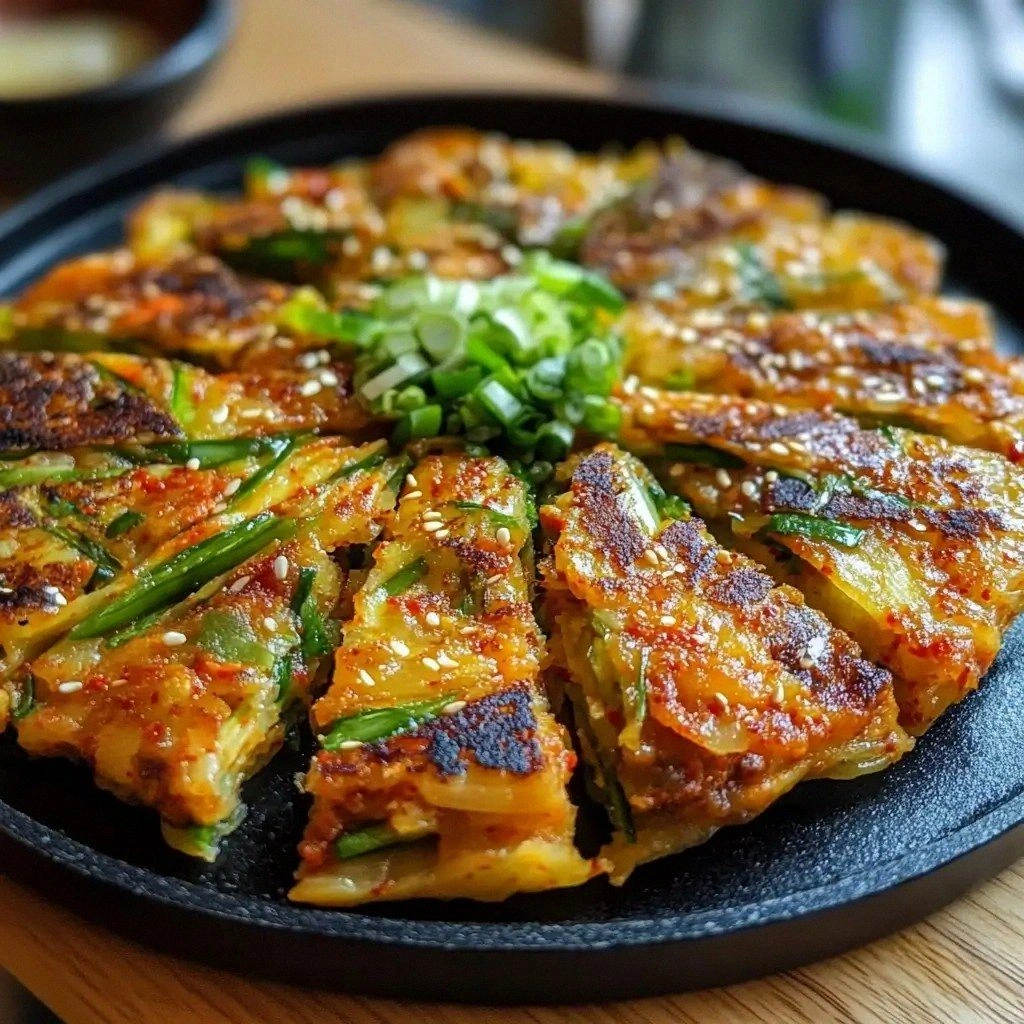
- Visual Appeal: The colorful mix of carrots, zucchini, cabbage, and scallions turns the pancake into a vibrant plate that looks as good as it tastes.
Alright, let’s break down exactly what goes into this masterpiece…
Inside the Ingredient List
The Flour Foundation
The backbone of any pancake is its flour. I use all‑purpose flour for its neutral flavor and ability to absorb liquids without becoming gummy. If you’re aiming for a gluten‑free version, swap in a 1:1 blend of rice flour and tapioca starch. Skipping flour will result in a batter that clumps and won’t hold together.
The Liquid Balance
Water is the simplest liquid, but adding 1/4 cup of unsweetened soy milk gives the batter a subtle richness and helps create a tender crumb. If you prefer a dairy‑free option, oat milk works too, but it can make the batter slightly sweeter. Avoid using too much liquid; it will make the batter runny and prevent a crisp exterior.
The Vegetable Ensemble
The vegetables are the star of the show. I julienne carrots and zucchini to 1/8‑inch thickness, shred napa cabbage finely, and slice scallions into 1‑inch rings. This uniformity ensures even cooking. If you’re adventurous, add a handful of sliced shiitake mushrooms for an earthy note or a cup of bean sprouts for crunch.
The Secret Seasoning
A dash of gochugaru brings subtle heat, while a tablespoon of soy sauce adds depth. The sesame oil is the final touch, providing a nutty aroma that lingers. If you’re sensitive to sodium, reduce the soy sauce to one tablespoon and add a splash of low‑sodium broth instead. The seasoning is what turns a bland batter into a culinary delight.
Everything’s prepped? Good. Let’s get into the real action…
The Method — Step by Step
- Prepare the Batter: In a large bowl, whisk together 2 cups of all‑purpose flour, 1 teaspoon of salt, and 1/2 teaspoon of black pepper. In a separate container, combine 1 1/2 cups of water with 1/4 cup of soy milk. Pour the liquid mixture into the dry ingredients, whisking until smooth. The batter should have the consistency of heavy cream; if it’s too thick, add a tablespoon of water. Let it rest for 10 minutes to allow the flour to hydrate fully.
- Cook the Vegetables: Heat 2 tablespoons of vegetable oil in a non‑stick skillet over medium heat. Add the julienned carrots and zucchini first, sautéing for 2 minutes. Toss in the shredded cabbage, scallions, and mushrooms, cooking until the vegetables soften but still retain a slight crunch, about 3–4 minutes. Sprinkle in 1 teaspoon of gochugaru, stir, and set aside. The vegetables should be fragrant and bright, not soggy.
- Combine: Return the skillet to low heat and pour the rested batter into it, swirling to coat the bottom evenly. Cook for 2 minutes until the edges lift, then sprinkle the sautéed vegetables evenly over the batter. Cover the pan with a lid and let it steam for 5 minutes. The steam helps the vegetables meld with the batter, creating a cohesive pancake.
- Flip the Pancake: Carefully slide a spatula under the pancake and flip it. Cook the second side for 3–4 minutes until golden brown and crisp. The surface should crackle slightly, indicating a perfect caramelization. If the pancake sticks, give it an extra minute of cooking before flipping again.
- Repeat: Once the first pancake is done, repeat steps 2–4 with the remaining batter and vegetables. If you’re short on time, you can cook multiple pancakes at once, but make sure to keep the pan from overcrowding to avoid steaming instead of searing.
- Prepare the Dipping Sauce: In a small bowl, whisk together 2 tablespoons of soy sauce, 1 tablespoon of rice vinegar, 1 teaspoon of sesame oil, and a pinch of sugar if desired. The sauce should be tangy yet balanced, with a hint of sweetness to offset the savory pancake.
- Serve: Slice each pancake into wedges or bite‑sized pieces. Sprinkle with toasted sesame seeds and a drizzle of the dipping sauce. Plate them on a warm platter to keep the edges crisp.
- Enjoy: Serve immediately while the pancakes are still warm and crispy. Pair with a light salad or a bowl of miso soup for a complete Korean-inspired meal.
That’s it— you did it. But hold on, I’ve got a few more tricks that will take this to another level. The next section will reveal insider techniques that ensure every bite is a masterpiece.
Insider Tricks for Flawless Results
The Temperature Rule Nobody Follows
Many people think any medium heat will do, but the secret lies in a two‑stage temperature approach. Start the batter on low heat to allow the interior to set without burning the exterior. Once the edges lift, increase the heat to medium‑high for that coveted golden crust. If you skip the low‑heat stage, the pancake will steam rather than sear, resulting in a soggy center.
Why Your Nose Knows Best
Before adding the vegetables, give the batter a quick sniff. It should smell like a mild, neutral batter. If you notice a metallic or overly floury scent, it’s a sign the batter is too dry. Adding a splash of water or a tablespoon of soy milk can correct this, bringing the batter to the ideal consistency.
The 5‑Minute Rest That Changes Everything
Letting the batter rest for 10 minutes isn’t just a formality; it allows the flour to fully absorb the liquid, reducing the risk of a gritty texture. If you’re in a hurry, a 5‑minute rest still gives you enough time to whisk the batter smoothly, but a longer rest yields a silkier result.
The Right Pan Matters
A heavy‑bottomed skillet distributes heat evenly, preventing hot spots that can burn the edges. If you only have a non‑stick pan, preheat it for a few minutes before adding oil. This step ensures the oil doesn’t cling to the batter and helps achieve a crisp finish.
The Final Flip Technique
When flipping, use a wide spatula and slide it under the pancake gently. A quick, decisive flip will keep the batter intact. If the pancake breaks, it’s a sign the batter was too thin or the pan was too hot. Adjust the heat or add a bit more flour next time.
Creative Twists and Variations
This recipe is a playground. Here are some of my favorite ways to switch things up:
Kimchi Crunchy Yachaejeon
Add 1/2 cup of finely chopped kimchi to the batter. The fermented tang adds depth, and the kimchi’s moisture creates a delightful bite. This variation is perfect for those who love a spicy kick.
Sweet Potato & Spinach Delight
Replace half of the carrots with diced sweet potato, and stir in a handful of chopped spinach. The sweet potato’s natural sugars caramelize beautifully, creating a sweet‑savory harmony that’s irresistible.
Mushroom & Tofu Fusion
Add crumbled silken tofu and sliced shiitake mushrooms. The tofu adds protein and a silky texture, while the mushrooms bring an earthy umami flavor. This version is a great protein boost for vegetarians.
Szechuan Peppercorn Surprise
Sprinkle 1/2 teaspoon of Szechuan peppercorns into the batter. The numbing spice creates a subtle, intriguing contrast to the sweet vegetables. Serve with a light soy‑ginger dipping sauce.
Herb‑Infused Yachaejeon
Add a handful of fresh basil or cilantro to the batter. The herbs infuse the pancake with a fresh, aromatic quality, turning it into a bright, summery dish.
Storing and Bringing It Back to Life
Fridge Storage
Cool the pancakes completely, then stack them with parchment paper between each slice. Store in an airtight container in the refrigerator for up to 3 days. This prevents them from drying out and keeps the edges crisp.
Freezer Friendly
Place the cooled pancakes on a baking sheet lined with parchment paper, freeze until solid, then transfer to a freezer bag. They’ll stay fresh for up to 2 months. When you’re ready, reheat in the oven at 350°F for 10 minutes.
Best Reheating Method
The secret to reviving a frozen pancake is to add a splash of water to the skillet before reheating. The water creates steam that softens the interior while the pan crisps the exterior. Finish with a quick drizzle of sesame oil for that final glossy finish.