Picture this: it’s a rainy Tuesday, the kitchen smells like wet cardboard, and you’re staring at a bowl of sourdough discard that’s been sitting in the fridge since last week. You’ve already tried the classic “just add flour” trick and ended up with a rubbery, flavorless loaf that even the dog refused to lick. I’m talking about the kind of disaster that forces you to get creative—or else the discard goes to waste. That’s when I decided to turn that soggy sourdough into something that would make my friends gasp, “Whoa, this is amazing!”
I grabbed my trusty skillet, poured in a splash of olive oil, and let the discard sing. The sizzle was like a tiny orchestra, the aroma a warm hug from the oven. As the batter thickened, I could taste the subtle tang of the starter, the buttery undertones of olive oil, and the faint sweetness of a touch of sugar. The texture started to look promising—light, airy, but with a hint of chewiness that made me wonder if I’d just invented a new bread class.
Why does this version stand out? Because it’s not just about tossing leftover starter into a pan. It’s about layering flavors, using the discard’s natural leavening to create a crumb that’s both crisp on the outside and chewy on the inside. It’s about making a dish that feels indulgent but is actually a clever way to reduce waste. And the best part? You can pull this out of the oven, and the kitchen will smell like a bakery on a sunny morning—no fancy equipment needed.
I’m not going to give you a generic recipe. I’ll walk you through each step, the exact temperatures, the little tricks that make the dough rise just right, and the secret ingredient that gives the focaccia its signature buttery, herbaceous bite. By the end, you’ll wonder how you ever made it any other way. Let’s dive in and turn that discard into a masterpiece.
What Makes This Version Stand Out
- Flavor: The combination of sourdough discard, olive oil, and fresh herbs creates a complex, savory profile that feels both rustic and gourmet.
- Texture: Crispy edges meet a soft, airy interior—a contrast that satisfies every palate.
- Ease: No need for a proofing box or fancy dough handling—just mix, bake, and enjoy.
- Versatility: Add sun‑dried tomatoes, olives, or cheese for endless variations.
- Waste‑Free: Uses leftover starter that would otherwise be tossed, turning a kitchen chore into a culinary triumph.
- Speed: From start to finish, it takes less than an hour—perfect for a quick dinner or snack.
- Scalability: The recipe scales easily, making it ideal for a small family or a large gathering.
- Make‑ahead Friendly: You can bake the focaccia ahead of time, reheat, and still taste freshly baked.
Alright, let's break down exactly what goes into this masterpiece...
Inside the Ingredient List
The Flavor Base
At the heart of this focaccia is the sourdough discard itself. It’s the star that brings that tangy depth you crave in a good bread. The discard’s natural acidity reacts with the baking powder to produce a light, airy crumb. If you skip the discard, you lose that unique flavor profile and the dough becomes more like a typical flatbread.
The olive oil is the liquid gold that gives the focaccia its buttery sheen and helps create that coveted golden crust. Use extra‑virgin olive oil for the best flavor, but you can also experiment with avocado oil if you’re looking for a milder taste.
The Texture Crew
All‑purpose flour provides the structure, but feel free to swap in bread flour for a chewier bite. The baking powder is the secret leavening agent that keeps the focaccia from collapsing, especially since we’re not relying on yeast. A pinch of sugar is added to feed the microbes in the discard and to balance the acidity.
Warm water (about 110°F) hydrates the flour and activates the baking powder. It also helps the discard dissolve into a smooth batter. If you find the batter too runny, add a splash more flour—just enough to reach a thick, pourable consistency.
The Unexpected Star
Dried oregano and rosemary bring a herbal brightness that cuts through the richness of the oil and the tang of the starter. These herbs also provide a subtle aroma that makes the focaccia smell like a Mediterranean garden. If you’re a fan of spicy, swap oregano for a pinch of red pepper flakes.
Grated Parmesan cheese is the umami booster that makes the crust extra flavorful. It also melts into the edges, creating a slightly crisp, cheesy crust that’s impossible to resist.
The Final Flourish
Sun‑dried tomatoes and olives are the optional toppings that add bursts of color and flavor. They provide a sweet‑savory contrast that pairs wonderfully with the herbaceous base. If you’re craving a vegetarian option, add thinly sliced onions or caramelized mushrooms.
A splash of fresh rosemary on top before baking gives the focaccia a fragrant, aromatic finish. The final result is a loaf that looks as good as it tastes, with a golden crust and a soft, airy interior.
Everything's prepped? Good. Let's get into the real action...
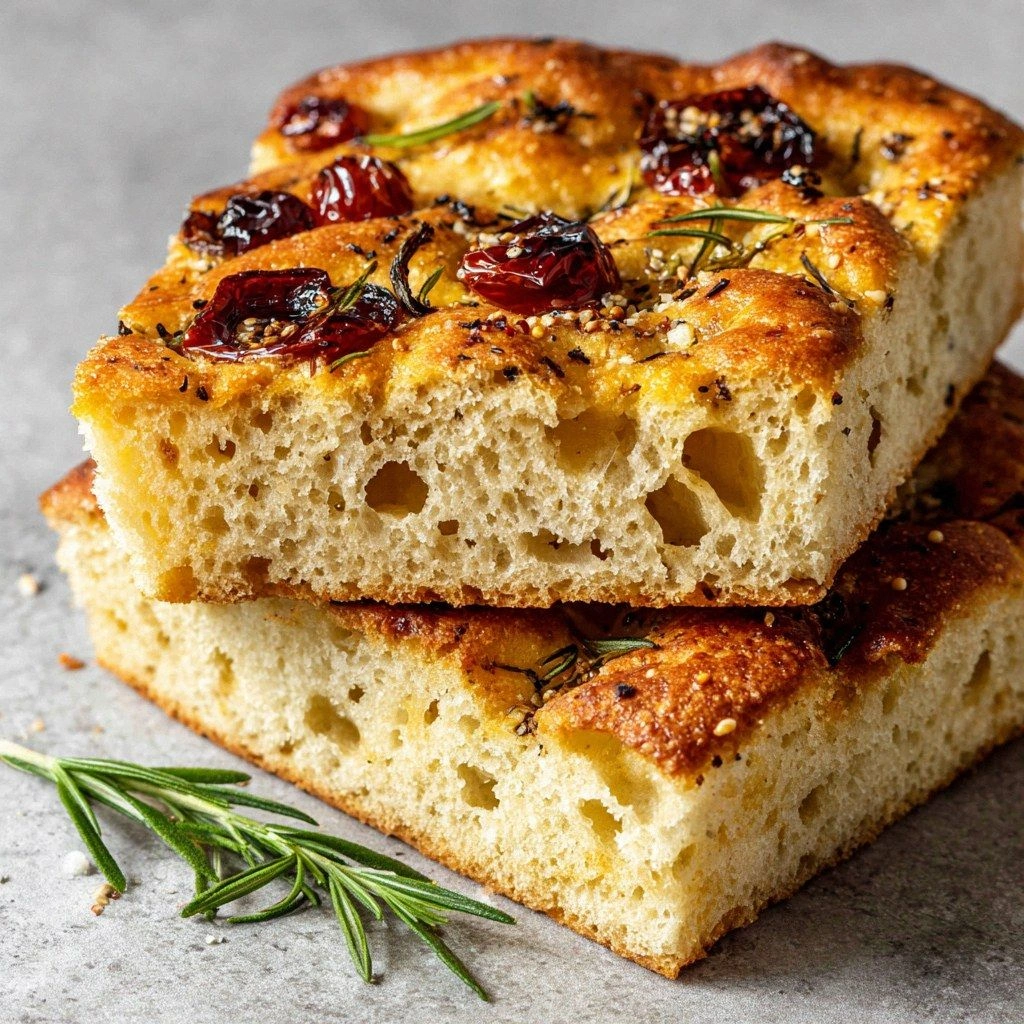
The Method — Step by Step
- Preheat your oven to 425°F (220°C). While the oven warms, lightly coat a 9‑by‑13 inch baking sheet with olive oil using a paper towel. This oil layer will keep the focaccia from sticking and create a crispy base. The heat should feel like a gentle hug, not a scorching blaze.
- In a large mixing bowl, combine the sourdough discard, warm water, and a tablespoon of olive oil. Whisk until the discard is fully dissolved and the mixture is smooth. This is the moment where the batter should look like a thick, glossy sauce—no lumps allowed.
- Add the flour, baking powder, sugar, and salt to the wet mixture. Stir with a wooden spoon until the dough comes together. It should be thick but still pourable—think of a thick pancake batter. If it feels too sticky, sprinkle in a few more tablespoons of flour.
- Fold in the dried oregano, rosemary, and a pinch of red pepper flakes. The herbs should be evenly distributed, giving the batter a fragrant aroma even before it hits the oven.
- Pour the batter onto the prepared baking sheet, spreading it out with a spatula. The batter should reach the edges of the pan, creating a thin, even layer that will crisp beautifully.
- Sprinkle the grated Parmesan, sun‑dried tomatoes, and olives evenly over the batter. The cheese will melt into the edges, creating a golden crust, while the toppings will add pops of color and flavor.
- Finish with a drizzle of olive oil and a final sprinkle of fresh rosemary. This step locks in moisture and adds a fragrant finish that will make your nose do a happy dance.
- Slide the pan into the oven and bake for 18–20 minutes. The focaccia should puff slightly and develop a deep golden color. If you open the oven early, the edges will be crisp, the center will still be slightly gooey—just right.
- When the timer goes off, remove the focaccia and let it cool on a wire rack for 5 minutes. This short rest allows the crumb to set, making it easier to slice without tearing.
- Serve warm, optionally with a drizzle of extra‑virgin olive oil and a pinch of sea salt. The combination of textures—crispy edges, chewy center, and buttery flavor—will make your guests ask for seconds.
That's it— you did it. But hold on, I've got a few more tricks that'll take this to another level...
Insider Tricks for Flawless Results
The Temperature Rule Nobody Follows
Many bakers think the oven temperature is the only variable that matters. In reality, the batter’s starting temperature is crucial. Warm the discard to about 110°F (43°C) before mixing. This activates the enzymes and helps the dough rise evenly. If the discard is too cold, the batter will be dense and the crust won’t crisp.
Why Your Nose Knows Best
During the first 10 minutes of baking, pay close attention to the aroma. A sweet, nutty scent indicates the sugars are caramelizing. If you smell a sharp, sour note, it means the discard is still too acidic and needs more time. Trust your nose; it’s the ultimate judge of doneness.
The 5‑Minute Rest That Changes Everything
After removing the focaccia from the oven, let it rest for exactly 5 minutes. This short pause allows the steam to redistribute, preventing a dry center. It also makes the crumb more tender, giving you that melt‑in‑your‑mouth feel.
Keep the Edge Crisp
If you like a crispier edge, lightly brush the batter with a mixture of olive oil and a teaspoon of honey before baking. The honey will caramelize, giving the edges a beautiful, golden finish that’s impossible to resist.
Make‑Ahead Magic
Bake the focaccia and let it cool completely. Then wrap it tightly in foil and store it in the refrigerator for up to 3 days. When you’re ready to serve, reheat in a preheated oven at 350°F (175°C) for 10 minutes. The bread will regain its crispness and aroma.
Creative Twists and Variations
This recipe is a playground. Here are some of my favorite ways to switch things up:
Sun‑Dried Tomato & Basil Focaccia
Replace the oregano with fresh basil and add more sun‑dried tomatoes. The basil’s sweet, peppery flavor pairs beautifully with the tangy discard, creating a Mediterranean vibe.
Cheesy Jalapeño Crunch
Stir in shredded cheddar and diced jalapeños for a spicy, melty version. The cheese melts into the edges, while the jalapeños add a kick that makes each bite exciting.
Rosemary & Sea Salt Delight
Increase the fresh rosemary to a tablespoon and finish with a generous sprinkle of flaky sea salt. The rosemary’s piney aroma elevates the bread into a gourmet experience.
Caramelized Onion & Mushroom Focaccia
Sauté sliced onions and mushrooms in olive oil until caramelized, then fold them into the batter. The sweet, earthy flavors deepen the overall taste profile.
Herbed Garlic Bread
Add minced garlic and a handful of chopped parsley to the batter. The garlic infuses the dough with a bold, aromatic punch that makes this focaccia a perfect side for pasta.
Blue Cheese & Walnut Crunch
Crumble blue cheese into the batter and sprinkle chopped walnuts on top before baking. The sharp cheese and nutty crunch create a sophisticated flavor contrast.
Storing and Bringing It Back to Life
Fridge Storage
Wrap the cooled focaccia tightly in plastic wrap or place it in an airtight container. Store in the refrigerator for up to 3 days. The bread stays moist and fresh, ready to be sliced and enjoyed any time.
Freezer Friendly
Slice the focaccia before freezing for convenience. Place the slices in a freezer bag, removing as much air as possible. It can be frozen for up to 3 months. Reheat slices in a toaster oven for a crisp finish.
Best Reheating Method
To revive a cold focaccia, preheat your oven to 350°F (175°C). Lightly mist the bread with water, wrap in foil, and heat for 10 minutes. The water steams the bread, restoring its airy interior and crisp crust.