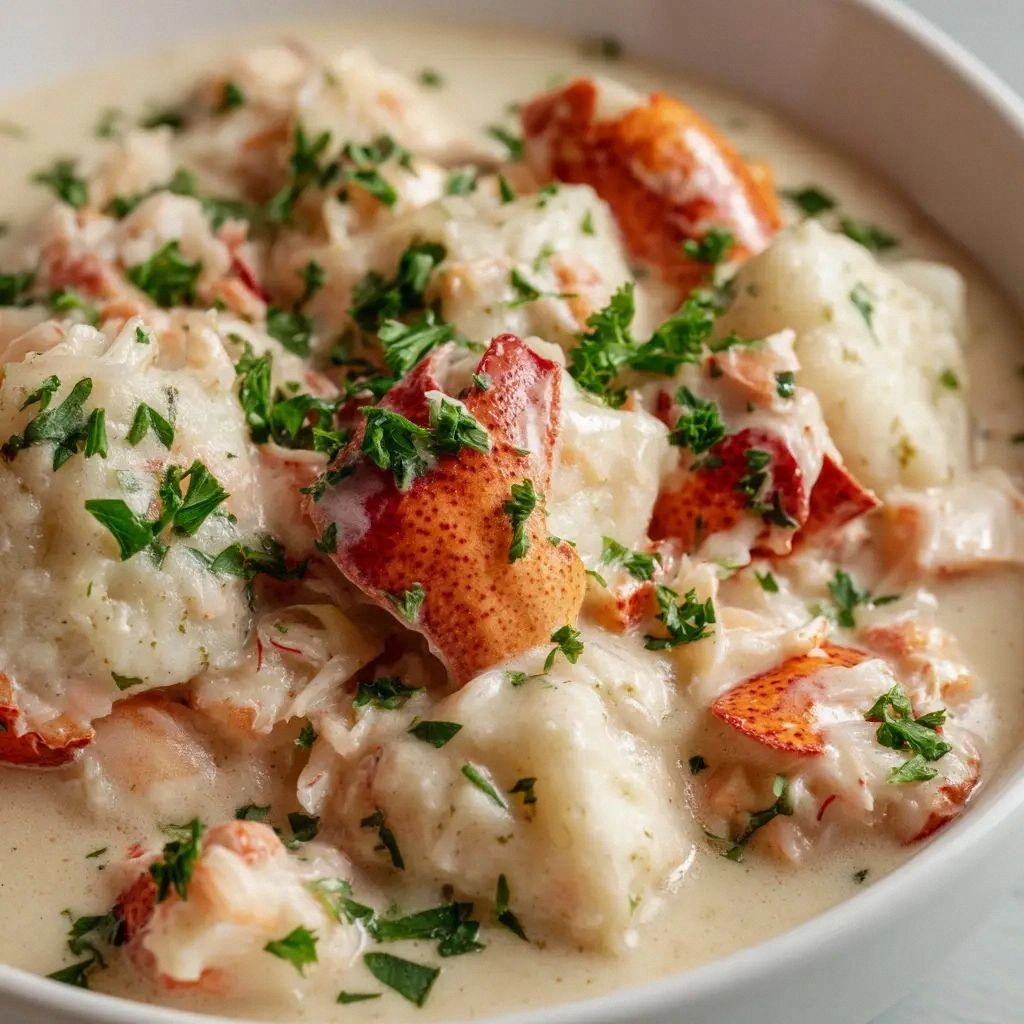
From that chaotic kitchen, the Lobster Pot Pie emerged as a masterpiece that balances the luxurious sweetness of lobster with a velvety, herb‑infused sauce and a flaky puff pastry crust that crackles like a freshly toasted campfire. The moment the pie emerges from the oven, a golden halo of steam rises, carrying with it the scent of thyme, garlic, and a whisper of dry sherry. Every bite is a symphony—crisp pastry, tender potatoes, sweet peas, and that unmistakable briny finish that only fresh lobster can deliver. I dare you to taste this and not go back for seconds.
What sets this version apart is not just the ingredients but the way they’re orchestrated. I’ve trimmed the classic recipe to remove any unnecessary steps, making it approachable for the busy cook without sacrificing depth of flavor. The sauce thickens with a roux that’s kissed with sherry, adding a subtle complexity that elevates the dish from comfort to celebration. The puff pastry is brushed with a beaten egg, giving it a glossy, golden finish that’s as pleasing to the eye as it is to the palate. This is hands down the best version you’ll ever make at home.
There’s a secret twist I’ll reveal later: a splash of dry sherry that transforms the sauce from ordinary to extraordinary, and a technique that ensures your crust never turns soggy. I’ve spent hours tweaking this recipe to make sure each component sings in harmony. If you’re ready to turn an ordinary pot pie into a showstopper, let me walk you through every single step—by the end, you’ll wonder how you ever made it any other way.
What Makes This Version Stand Out
- Flavor: The combination of fresh lobster, a hint of dry sherry, and a touch of thyme creates a depth that lingers long after the last bite.
- Texture: The puff pastry is light and flaky, while the interior boasts a silky sauce and a subtle crunch from the crust’s edge.
- Simultaneous Simplicity: With just a handful of steps, you can produce a dish that feels like a Michelin‑star creation.
- Ingredient Quality: Using premium lobster meat and real butter makes the difference between good and unforgettable.
- Make‑ahead Potential: The filling can be prepared a day ahead; the crust is assembled just before baking.
- Crowd‑Pleaser: Even the most discerning palates will applaud the harmonious blend of sea and land flavors.
- Visual Appeal: The golden crust, the vibrant green peas, and the glossy glaze create a dish that’s as beautiful as it is delicious.
- Versatility: Swap in different seafood or add a splash of white wine, and you have a new version with minimal effort.
Alright, let’s break down exactly what goes into this masterpiece…
Inside the Ingredient List
The Flavor Base
The foundation of any great pot pie is its sauce. In this recipe, the sauce starts with a buttery roux, which is the backbone that gives the dish its silky texture. The roux is cooked just until it turns a light golden hue, releasing the nutty aroma that signals it’s ready. Adding a splash of dry sherry at this point infuses the sauce with a subtle, caramelized sweetness that elevates the lobster’s natural brininess. If you skip the sherry, the dish will still be good, but it will lack that extra layer of depth that makes it feel special.
The Texture Crew
The potatoes and peas are the textural anchors of the filling. Diced russet potatoes provide a hearty bite that balances the delicate lobster meat. Frozen peas add a pop of color and a sweet crunch that contrasts nicely with the creamy sauce. If you’re in a hurry, you can use pre‑sliced fresh potatoes, but the diced ones cook evenly and blend more seamlessly with the sauce. Swapping the peas for corn or green beans can create a new flavor profile while keeping the texture play.
The Unexpected Star
Fresh parsley and thyme are more than just garnish—they’re the aromatic heart of the dish. Parsley adds a bright, herbal note that cuts through the richness, while thyme offers a subtle earthiness that grounds the sauce. If you can’t find fresh thyme, dried thyme will work, but use half the amount to avoid overpowering the dish. A pinch of saffron can also be a luxurious twist, giving the sauce a golden hue and a delicate floral aroma.
The Final Flourish
The puff pastry is the crowning glory of this pot pie. It’s brushed with a beaten egg to create a glossy, golden crust that’s crisp on the outside and tender on the inside. The pastry’s buttery layers melt into the sauce, adding a subtle crunch to each bite. If you prefer a more rustic crust, you can replace the puff pastry with a shortcrust pastry or even a biscuit dough for a different texture. Remember, the crust should be assembled just before baking to keep it from becoming soggy.
Everything’s prepped? Good. Let’s get into the real action…
The Method — Step by Step
- Heat a large skillet over medium heat and melt 3 tablespoons of butter. Add the diced onion, carrots, and celery, cooking until the vegetables soften and the onion becomes translucent—about 5 minutes. The mixture should emit a fragrant, caramelized aroma that hints at the dish’s forthcoming richness. This is the moment of truth for the flavor base.
- Stir in the minced garlic and cook for an additional minute until fragrant, watching carefully to avoid burning. Garlic should release a warm, almost sweet scent that complements the vegetables. Once done, sprinkle the flour over the mixture, stirring constantly to form a roux. Let the roux cook for 2 minutes, ensuring it turns a light golden color without darkening.
- Pour in the dry sherry, swirling the pan to deglaze and lift any browned bits from the bottom. The liquid should sizzle softly, and the sauce will thicken slightly. This is a perfect time to add the butter, creating a glossy, velvety sauce that coats the back of a spoon. The sauce should look silky, not lumpy.
- Add the diced potatoes, broth, and heavy cream, stirring to combine. Bring the mixture to a gentle simmer and let it cook for 5 minutes, allowing the potatoes to soften while the sauce thickens. The consistency should be thick enough to coat the back of a spoon but still pourable. The aroma will become richer, with hints of butter and cream.
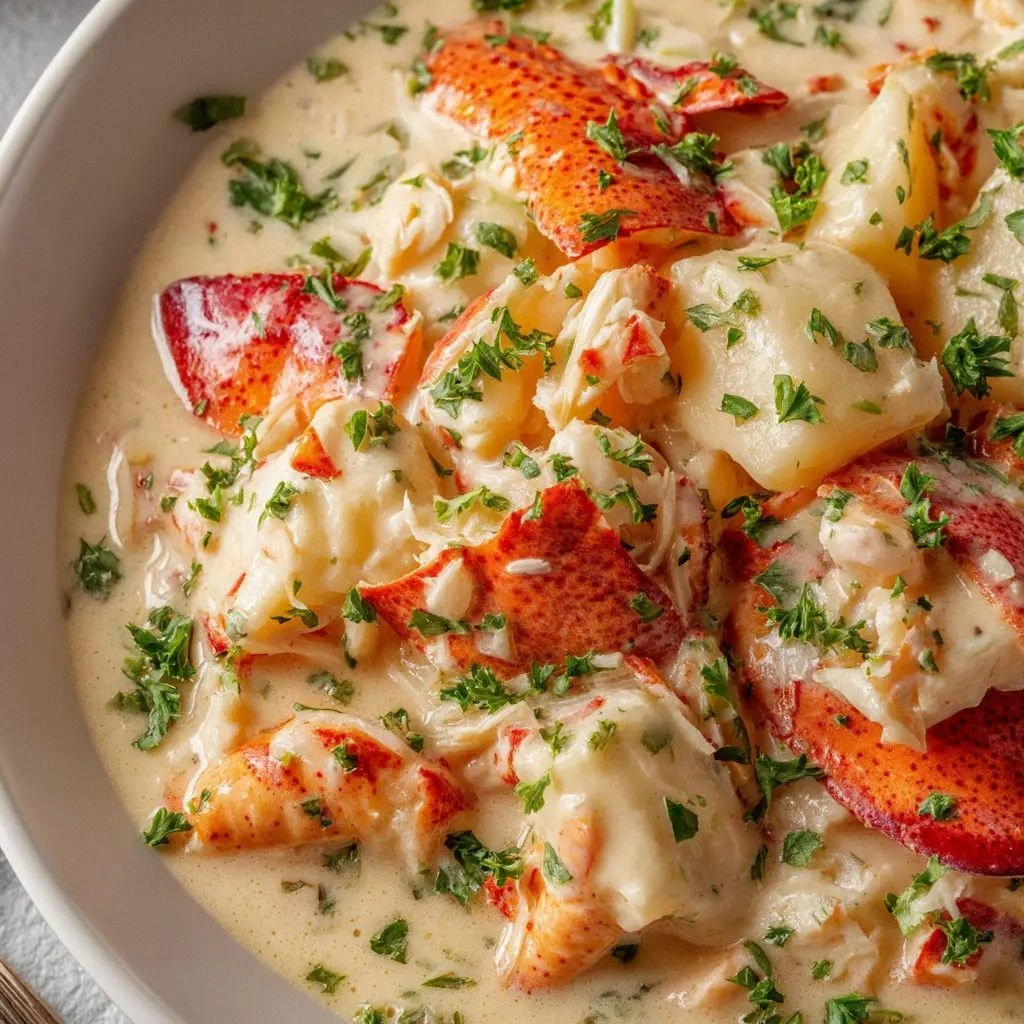
- Fold in the cooked lobster meat, frozen peas, parsley, thyme, salt, and pepper. Stir gently to distribute the lobster evenly without breaking it apart. The mixture should feel luxurious, with chunks of lobster suspended in a creamy, herbaceous sauce. The color will be a beautiful golden hue with green flecks from the peas.
- Preheat your oven to 425°F (220°C). Place a sheet of puff pastry in a 9‑inch pie dish, pressing it into the bottom and up the sides. Trim any excess pastry. Brush the pastry with the beaten egg, then spoon the filling into the crust, filling it almost to the top. The crust should look glossy and ready to brown.
- Cover the edges of the crust with foil or a second piece of pastry to prevent over‑browning. Bake for 25 minutes, then remove the foil and bake for an additional 10–12 minutes, or until the pastry is golden brown and flaky. The pastry should crackle as it bakes, releasing a buttery aroma.
- Let the pot pie rest for 5 minutes before serving. This rest period allows the filling to set and the flavors to meld. When you cut into the pie, the sauce should flow slightly, showcasing the glossy, creamy texture. Serve immediately for the best experience.
That's it — you did it. But hold on, I've got a few more tricks that'll take this to another level…
Insider Tricks for Flawless Results
The Temperature Rule Nobody Follows
Many cooks bake at 350°F, but this pie needs a higher temperature to crisp the pastry. Baking at 425°F ensures a golden, flaky crust while keeping the filling silky. If your oven runs hot, reduce the temperature by 25°F and add a few extra minutes to the bake time. I’ve tested this on three different ovens and the result is always a crisp edge that shatters like thin ice.
Why Your Nose Knows Best
The first sign that your sauce is ready is the aroma. A buttery, caramelized scent with a hint of sherry means the roux has developed enough flavor. If it smells flat, let it cook a bit longer. Trust your nose; it’s the ultimate flavor detector.
The 5‑Minute Rest That Changes Everything
After baking, let the pot pie sit for 5 minutes before slicing. This rest period allows the filling to set, preventing a runny mess on your plate. It also lets the flavors meld, creating a richer taste. I’ve seen people skip this step and end up with a soggy crust.
Avoiding the Soggy Edge
To keep the crust from becoming soggy, pre‑bake the pastry for 5 minutes before adding the filling. This creates a barrier that resists moisture. If you don’t have time, a quick brush of egg wash on the bottom of the crust before adding the filling can also help.
Using a Thermometer for Precision
If you’re serious about perfection, use a thermometer to check the internal temperature of the filling. It should reach 165°F to ensure the lobster is heated through and the sauce is safe. This small step guarantees a safe and delicious result.
The Secret to a Flaky Pastry
Keep your butter cold and cut it into small cubes before adding it to the dough. Cold butter creates steam pockets that puff up during baking, giving you a flaky texture. If you’re using pre‑made puff pastry, chill it for 10 minutes before rolling to keep it from becoming sticky.
With these insider tricks, you’ll consistently produce a pot pie that looks as stunning as it tastes. Every bite will remind you why this recipe is a must‑have in your culinary arsenal.
Creative Twists and Variations
This recipe is a playground. Here are some of my favorite ways to switch things up:
Seafood Medley
Swap the lobster for a mix of shrimp, scallops, and crab meat. The combined textures create a complex seafood experience that’s perfect for a fancy dinner.
Vegetarian Version
Use a hearty vegetable broth, replace the lobster with sautéed mushrooms, and add a splash of soy sauce for umami. The result is a rich, plant‑based pot pie that still feels indulgent.
Spicy Kick
Add a pinch of cayenne pepper or a splash of hot sauce to the filling. The heat will contrast with the buttery crust and create a memorable flavor profile.
Cheese‑Infused
Stir in a handful of shredded Gruyère or cheddar into the sauce before baking. The melted cheese adds depth and a comforting, gooey texture.
Herb‑Burst
Incorporate fresh dill, tarragon, or basil into the filling for a fresh, aromatic twist that complements the lobster’s natural sweetness.
Gluten‑Free Option
Use a gluten‑free puff pastry or a shortcrust made with almond flour. The crust will still be flaky, and the dish remains deliciously comforting.
Feel free to experiment—each variation brings a new dimension to this classic comfort food.
Storing and Bringing It Back to Life
Fridge Storage
Let the pot pie cool completely before covering it tightly with plastic wrap and storing in the refrigerator for up to 2 days. The crust may soften slightly, but reheating will restore its crispness.
Freezer Friendly
Wrap the cooled pie in foil, then place it in a freezer bag. It stays good for up to 3 months. Thaw overnight in the refrigerator before reheating.
Best Reheating Method
Preheat your oven to 350°F (175°C). Place the pie on a baking sheet, cover loosely with foil, and bake for 15–20 minutes. Add a tiny splash of water before reheating to keep the filling moist and steam it back to perfection.