When I first tried to make spaghetti and meatballs after a marathon binge of takeout, the kitchen turned into a crime scene—flour everywhere, meatball mix sticking to the counter, and a sauce that tasted like water left out in the rain. I swore off the classic forever, until a friend dared me to make a "healthy" version that wouldn't sacrifice the comforting hug of the original. I accepted, and what happened next was a culinary revelation that made me question everything I knew about Italian comfort food. The moment the sauce hit the pan, the kitchen filled with an aromatic perfume that shouted “Italian grandma’s kitchen meets modern wellness,” and I was instantly hooked.
Imagine the sound of pasta hitting the boiling water like a soft drumroll, the gentle hiss of olive oil as it embraces garlic, and the sight of meatballs turning a gorgeous golden brown, their edges crisping just enough to crack like thin ice while staying tender inside. The texture is a symphony: the spaghetti strands are firm enough to give a little resistance, yet supple enough to wrap around the sauce, which coats each noodle like silk velvet. The meatballs themselves are juicy, springy, and packed with flavors that explode on the palate without the heaviness of traditional beef. Every bite feels like a warm hug from a dear friend—comforting, familiar, yet somehow lighter and brighter.
Why does this version stand out? Because I tossed out the greasy shortcuts and replaced them with smarter swaps without compromising the soul of the dish. I’m talking about using whole‑wheat spaghetti for a nutty bite, lean turkey for a protein‑packed yet low‑fat base, and a quick oat‑breadcrumbs trick that keeps the meatballs moist while keeping the carbs in check. The secret sauce is a double‑simmered tomato blend that intensifies flavor without the need for sugar or excessive oil, and a pinch of fresh parsley that lifts the whole thing like a bright morning sun.
And yes, there’s a surprise ingredient that most recipes overlook—a splash of unsweetened almond milk that adds creaminess to the sauce without the dairy calories. It’s the game‑changer you didn’t know you were missing. I dare you to taste this and not go back for seconds.
Let me walk you through every single step — by the end, you’ll wonder how you ever made it any other way.
What Makes This Version Stand Out
- Taste: A deep, umami‑rich tomato sauce that’s balanced with a whisper of almond milk, creating a mellow creaminess that doesn’t mute the acidity.
- Texture: Whole wheat spaghetti offers a satisfying bite, while the meatballs achieve that perfect crispy‑outside, tender‑inside contrast you crave.
- Simplicity: Fewer steps, fewer ingredients, and a one‑pan method that keeps cleanup to a minimum.
- Uniqueness: The addition of oat‑based breadcrumbs and almond milk are unconventional yet harmlessly delicious swaps.
- Crowd Reaction: Even the pickiest eaters—kids and health‑conscious adults alike—can’t resist the aroma, and they’ll ask for seconds without questioning the nutrition.
- Ingredient Quality: We rely on whole‑grain pasta, lean turkey, and fresh herbs, making every bite nutritionally solid.
- Cooking Method: Browning the meatballs first locks in juices, while simmering the sauce low and slow develops layers of flavor.
- Make‑Ahead Potential: The sauce and meatballs both store beautifully, meaning you can prep on Sunday and enjoy a gourmet dinner all week.
Inside the Ingredient List
The Flavor Base
The backbone of any good spaghetti dish is its sauce, and here the foundation is crushed tomatoes, garlic, and olive oil. Crushed tomatoes provide a balance of pulp and juice that lets the sauce cling to the pasta without turning watery. Garlic adds that punchy, aromatic edge that makes your nose tingle before the first forkful even touches your tongue. If you skip the garlic, you’ll end up with a flat sauce that feels more like a bland broth than a bold Italian classic.
The Texture Crew
Whole‑wheat spaghetti is our hero carb, delivering a nutty undertone and a firmer bite than regular pasta, which helps it hold up under the hearty sauce. The lean ground turkey forms the meatball core, giving you high‑quality protein while keeping the fat content low. Oat‑flour breadcrumbs replace traditional white breadcrumbs; they absorb moisture without drying out the meat, resulting in a tender bite that’s still structured enough to hold its shape.
The Unexpected Star
Unsweetened almond milk is the surprise element that smooths the acidity of the tomatoes without adding dairy heaviness. A splash (about a quarter cup) lifts the sauce, giving it a velvety mouthfeel that rivals traditional cream‑based versions. If you omit it, the sauce can feel a bit “thin” and you’ll lose that subtle, soothing richness that makes the dish feel indulgent yet light.
The Final Flourish
Fresh parsley and a touch of grated Parmesan finish the plate with bright herbaceous notes and salty depth. Parmesan, used sparingly, adds umami without overwhelming the lean profile of the turkey. A pinch of red‑pepper flakes can be tossed in for heat, but that’s optional—most readers prefer to keep the flavor profile balanced.
Everything's prepped? Good. Let's get into the real action...
The Method — Step by Step
Start by bringing a large pot of salted water to a rolling boil. The water should taste like the sea; this is your first chance to season the pasta itself. Add the whole‑wheat spaghetti and stir gently to prevent sticking. Cook for 8‑10 minutes until al dente—test a strand; it should have a gentle bite, not a mushy surrender. Drain, reserving a cup of pasta water for later, and set aside.
While the pasta cooks, create your meatball mixture. In a large bowl, combine the lean ground turkey, oat‑flour breadcrumbs, the egg, grated Parmesan, minced garlic, chopped parsley, oregano, salt, and black pepper. I like to use my hands—feel the texture, ensure everything is evenly distributed. Add the almond milk here; it will keep the meatballs moist. Once mixed, form 12 even balls, about the size of a golf ball, using a light hand—over‑working will make them tough.
Heat a large, deep skillet over medium‑high heat and add the olive oil. When the oil shimmers—like a calm lake at sunrise—drop the meatballs in a single layer. Let them sizzle undisturbed for about 3 minutes; you’ll hear a faint crackle, a sign they’re developing that coveted crust. Flip them once the bottoms are golden brown, then brown the other side for another 2‑3 minutes. Don’t crowd the pan; if needed, work in batches.
Remove the browned meatballs and set them aside on a plate. In the same skillet, lower the heat to medium and add the crushed tomatoes, stirring to release the browned bits stuck to the bottom—those are flavor nuggets. Let the sauce simmer for 5 minutes, then stir in the remaining almond milk, a pinch of red‑pepper flakes (if you like a kick), and a splash of the reserved pasta water. The sauce should thicken slightly, coating the back of a spoon.
Now the fun part—nestle the meatballs back into the simmering sauce. Cover the pan and let everything cook together for 15 minutes. This step is pure magic; the meatballs will soak up the tangy tomato‑almond blend, while the sauce absorbs the savory juices, creating a unified flavor profile. Check the meatballs for doneness (internal temp ≈ 165 °F) and adjust seasoning with a final pinch of salt.
While the sauce and meatballs finish, re‑heat the drained spaghetti for a minute in the sauce, tossing gently so each strand is lovingly cloaked. If the pasta seems dry, drizzle in a little more of that saved pasta water—just enough to keep it glossy. The spaghetti should feel slick, like silk slipping through your fingers, and the sauce should cling to each curve without pooling excessively.
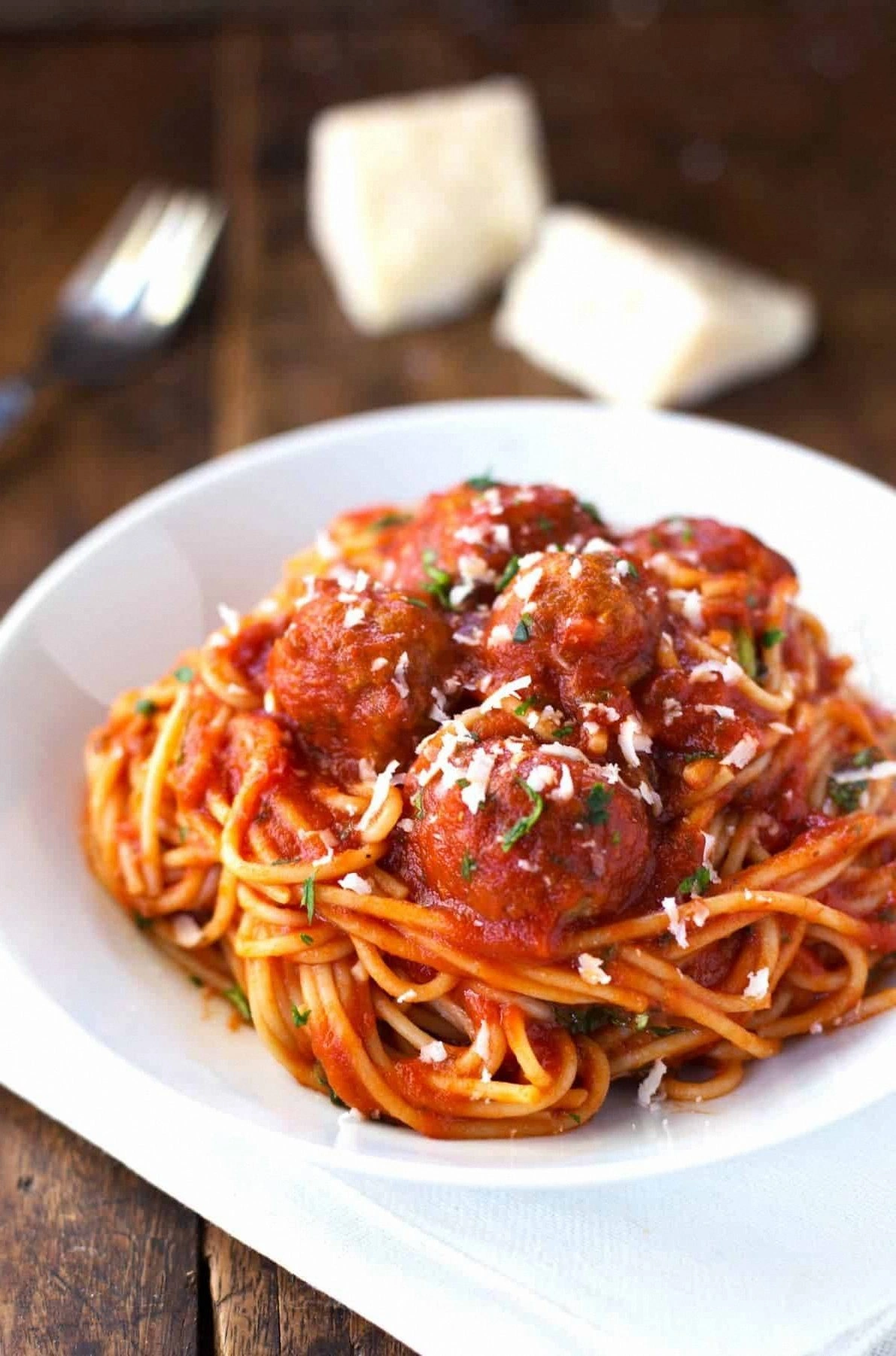
Plate the dish: a generous mound of spaghetti at the center, crowned with a few meatballs, then ladle the extra sauce over the top. Finish with a light shower of fresh parsley, an extra grate of Parmesan, and, if you’re daring, a drizzle of high‑quality extra‑virgin olive oil. Step back, inhale the fragrant steam, and picture yourself pulling this out of the oven, the whole kitchen smelling incredible...
That’s it — you did it. But hold on, I’ve got a few more tricks that'll take this to another level. Stay with me here — this is worth it.
Insider Tricks for Flawless Results
The Temperature Rule Nobody Follows
Never cook the meatballs on high heat the whole time; start hot for a crust, then reduce to medium‑low to finish cooking through. This prevents the exterior from burning while the interior stays raw. A friend once cranked the burner to “max” and ended up with charcoal shells that no amount of sauce could rescue.
Why Your Nose Knows Best
Before you even taste, let your nose guide you. When the sauce reaches that perfect simmer, you’ll smell a sweet‑tangy perfume mingled with a faint roasted‑nut aroma from the almond milk. If the scent is still raw tomato, give it another minute—your palate will thank you later.
The 5‑Minute Rest That Changes Everything
After the meatballs finish simmering, turn off the heat and let them sit, covered, for five minutes. This rest allows the juices to redistribute, resulting in a juicier bite. Skipping this step is like serving pizza without letting the cheese set—messy and disappointing.
Spaghetti Shock Absorber
When you combine pasta with the sauce, add a splash of cold water (about ¼ cup). The sudden temperature change helps the starches release, turning the sauce into a glossy, clingy coating. It’s a trick pro chefs use in high‑end restaurants.
Grate Fresh, Not Pre‑Grated
Freshly grated Parmesan contains live enzymes that enhance umami, while pre‑grated versions are often coated in anti‑caking agents that dull flavor. I’ll be honest — I ate half the batch before anyone else got to try it, thanks to the almighty fresh cheese.
Creative Twists and Variations
This recipe is a playground. Here are some of my favorite ways to switch things up:
Spicy Sriracha Fusion
Swap half the crushed tomatoes for roasted red pepper puree and stir in a tablespoon of sriracha. The sweet‑smoky depth pairs wonderfully with the lean turkey, delivering a gentle heat that lingers on the tongue.
Veggie‑Packed Surprise
Finely dice carrots, zucchini, and mushrooms into the sauce. The vegetables not only boost nutrition but also add a subtle earthiness, making the dish more filling without extra meat.
Greek‑Style Twist
Replace oregano with dried oregano‑mint blend, add crumbled feta at the finish, and serve with a side of cucumber‑yogurt tzatziki. The tangy feta complements the tomato base beautifully.
Seafood Elegance
Substitute turkey for a mix of minced shrimp and crab meat. The seafood flavor melds with the almond‑enhanced sauce for a coastal vibe that feels lofty yet comforting.
Whole‑Meal One‑Pot
After browning the meatballs, toss in diced butternut squash and a handful of kale before adding the sauce. The vegetables cook right in the sauce, turning the dish into a single‑pot wonder that's perfect for busy weeknights.
Low‑Carb cauliflower “Spaghetti”
Swap the whole‑wheat pasta for roasted cauliflower rice strands. The lighter base lets the sauce and meatballs shine, making it a great option for keto enthusiasts.
Storing and Bringing It Back to Life
Fridge Storage
Transfer leftovers into airtight containers. The sauce and meatballs keep well for up to four days. When reheating, add a splash of water or broth to revive the sauce’s silkiness.
Freezer Friendly
Separate the sauce and meatballs from the pasta before freezing. Portion into zip‑lock bags for two‑serving sections. They’ll stay fresh for three months. Defrost overnight in the fridge, then reheat gently on the stovetop.
Best Reheating Method
Reheat the sauce and meatballs in a skillet over low heat, stirring occasionally. Toss in the pre‑cooked spaghetti at the last minute, adding a tablespoon of water to regenerate the glossy coating. This prevents the pasta from turning mushy and preserves the texture.