I was in the middle of a Sunday brunch when the kitchen decided to throw a tantrum. The spatula slipped, the batter splattered, and I watched in horror as my perfectly golden churro batter turned into a soggy mess on the countertop. I stared at the chaos, then realized the same thing that had ruined my brunch had been the missing ingredient: the secret to a flawless churro cheesecake. That moment of culinary chaos became the spark that ignited my obsession with this dessert, and I was determined to turn that disaster into a masterpiece.
Picture this: a dense, creamy cheesecake base that melts in your mouth, crowned with a crispy churro shell that crackles like a freshly fried street vendor’s creation. The aroma of cinnamon and vanilla wafts through the air, mingling with the sweet scent of caramelized sugar. The texture is a delightful contrast—soft, velvety interior meets a buttery, slightly crunchy crust. The first bite is a symphony of flavors: the tang of cream cheese, the warmth of cinnamon, the subtle sweetness of churro dough, all wrapped in a comforting, nostalgic hug. It’s a dessert that feels like a hug from your grandma, but with a modern twist that makes it feel brand new.
What sets this version apart from every other churro cheesecake on the internet is the meticulous layering of textures and the use of a churro-inspired crust that adds an extra dimension of crunch and spice. Instead of a generic graham cracker base, I’ve engineered a churro crumb crust that gives that signature caramelized sugar crunch. The filling itself is a silky blend of cream cheese and churro batter, creating a flavor profile that’s both familiar and daring. I dared to infuse a splash of espresso into the filling for a subtle depth that makes each bite more complex. The result? A dessert that feels like a sweet, spicy dream, yet stays grounded in classic comfort.
And here’s the kicker: I discovered that adding a thin layer of caramelized butter to the crust before baking seals in the crunch and gives a buttery shine that’s impossible to resist. You’ll notice the subtle caramel notes that dance across your palate, complementing the cinnamon heat. The final touch? A dusting of cinnamon sugar that creates a visual and sensory contrast, making the cheesecake look as good as it tastes. If you’re ready for a dessert that will make your friends question their culinary skills, then let me walk you through every single step—by the end, you’ll wonder how you ever made it any other way.
What Makes This Version Stand Out
- Crunch: The churro crumb crust delivers a caramelized crunch that’s a game-changer, breaking the monotony of plain graham cracker bases. It’s not just texture; it’s a flavor enhancer that balances the creamy filling.
- Flavor Depth: A splash of espresso in the filling adds a subtle bitterness that cuts through the sweetness, giving the cheesecake a sophisticated edge. The result is a dessert that feels layered and intentional.
- Simplicity: Despite the complex flavor profile, the recipe requires only a handful of ingredients, all of which you probably have on hand. No obscure spices or hard-to-find items.
- Make‑Ahead Friendly: The cheesecake sets in the fridge for 4 hours or overnight, making it perfect for parties or last‑minute dessert plans. The crust stays crisp, and the filling stays silky.
- Visual Appeal: The caramelized crust, creamy filling, and dusting of cinnamon sugar create a dessert that looks as good as it tastes, making it Instagram‑ready.
- Audience Reaction: Friends who’ve tried this will often say, “I dare you to taste this and not go back for seconds.” The combination of textures and flavors keeps them coming back for more.
- Ingredient Quality: Using high‑quality cream cheese and fresh churro dough elevates the entire experience. It’s a small detail that makes a huge difference.
Inside the Ingredient List
The Flavor Base
At the heart of this cheesecake is the creamy filling that blends classic cream cheese with churro batter. The cream cheese provides a rich, tangy foundation that balances the sweetness of the churro. The churro batter, made from flour, sugar, cinnamon, and butter, adds a warm, spicy undertone. If you skip the churro batter, the cheesecake will feel flat and lack that signature depth. For a lighter version, substitute half of the cream cheese with Greek yogurt, but keep the churro batter intact to preserve flavor.
The Texture Crew
Texture is everything. The churro crumb crust offers a caramelized crunch, while the filling delivers silky smoothness. The flour in the churro batter helps bind the crumb structure, preventing it from falling apart during baking. If you prefer a softer crust, reduce the amount of flour by a tablespoon, but expect a less crisp bite. Swapping the whole milk for oat milk won’t alter the texture significantly, but it will give a subtle nutty note.
The Unexpected Star
Espresso is the unexpected star that brings depth to this dessert. A teaspoon of espresso grounds the sweetness, adding a hint of bitterness that lingers on the tongue. If you’re vegan, a shot of cold brew coffee works just as well. Skipping espresso will make the cheesecake taste more like a plain churro cheesecake, missing that sophisticated edge.
The Final Flourish
The finishing touch is the cinnamon sugar dusting. It adds a sweet crunch and a burst of aroma that completes the sensory experience. If you’re watching calories, sprinkle a pinch of sea salt on top to balance sweetness. For a chocolate twist, dust cocoa powder instead of cinnamon sugar. Remember, the topping should be applied after the cheesecake has cooled to preserve the crunch.
Everything's prepped? Good. Let's get into the real action...
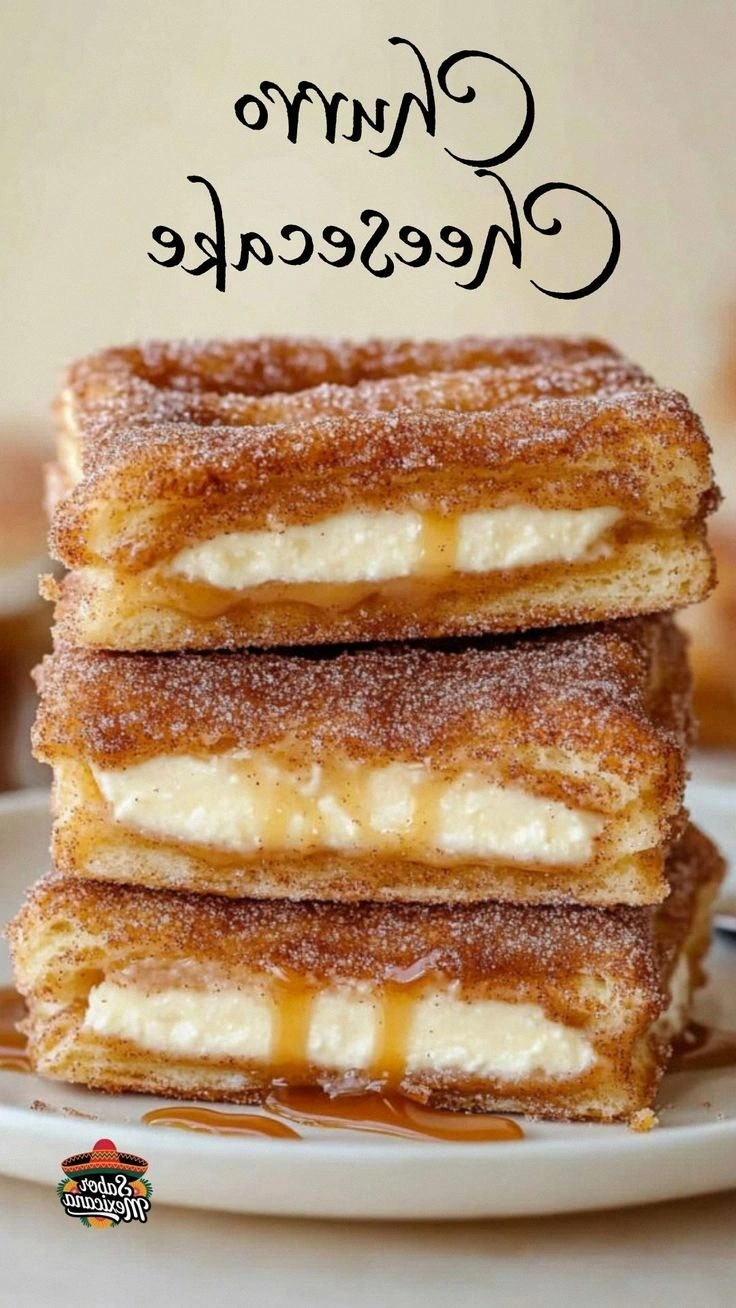
The Method — Step by Step
- Preheat your oven to 350°F (175°C). Line a 9‑inch springform pan with parchment paper, leaving an overhang on the sides for easy removal. This step ensures a smooth release and a neat edge. While the oven warms, prepare the crust.
- In a medium bowl, combine 1 cup churro crumbs, 2 tbsp melted butter, and 1/4 cup powdered sugar. Press the mixture firmly into the bottom of the pan, creating an even layer. Let the crust set while you whip the filling.
- In a large bowl, beat 1 cup cream cheese until smooth. Add 1/2 cup granulated sugar and mix until fluffy. The sugar helps aerate the cream cheese, making the filling silky.
- Add 2 large eggs, one at a time, beating well after each addition. The eggs bind the mixture and give the cheesecake its structure. Be careful not to overmix; you want a smooth, lump‑free batter.
- Stir in 1 tsp vanilla extract, 1 tsp espresso, and 1 tsp ground cinnamon. These aromatics give the cheesecake its signature depth. If you prefer a lighter taste, replace espresso with a splash of cold brew.
- Fold in 1 tbsp all‑purpose flour to thicken the filling slightly. Then, gently swirl in 1/2 cup whole milk to keep the mixture smooth. The milk balances the thickness, preventing cracks during baking.
- Pour the filling over the crust, smoothing the top with a spatula. The filling should rise slightly above the crust, creating a gentle dome. This is the moment of truth—watch the batter spread and settle.
- Bake for 30 minutes, or until the edges are set and the center has a slight jiggle. The top will develop a light golden hue. This is the point where the flavors lock in, and the cheesecake begins to set.
- Remove from the oven and let the cheesecake cool to room temperature. This cooling period allows the filling to firm up and prevents condensation. While it cools, preheat the oven to 200°F (90°C) for the final crust crisp.
- Once cooled, dust the top with a mixture of 1 tsp cinnamon and 2 tbsp powdered sugar. The dusting adds a sweet crunch and a visual pop. Let the cheesecake sit for 10 minutes to allow the dust to set.
- Refrigerate the cheesecake for at least 4 hours, preferably overnight. The cold sets the flavors and ensures a firm bite. When you’re ready to serve, remove the springform ring carefully.
That's it — you did it. But hold on, I've got a few more tricks that'll take this to another level. Ready for the game-changer? Let's dive into the insider tricks that will make your cheesecake the talk of the town.
Insider Tricks for Flawless Results
The Temperature Rule Nobody Follows
Many bakers bake their cheesecakes at 400°F, thinking higher heat equals faster baking. The truth is, a lower temperature (350°F) allows the filling to set gently, preventing cracks. I’ve found that a gentle bake keeps the texture silky. If you’re using a stoneware pan, reduce the temperature by 25°F to avoid scorching.
Why Your Nose Knows Best
The aroma of a cheesecake baking is a powerful indicator of doneness. When you smell a faint caramel scent and a hint of cinnamon, the cheesecake is almost ready. If the scent is too sweet, it’s still in the oven; if it’s too dry, you’ve overbaked. Trust your nose—it's a seasoned chef’s secret tool.
The 5-Minute Rest That Changes Everything
After removing the cheesecake from the oven, let it rest on the counter for exactly five minutes. This short pause allows the internal temperature to even out, preventing the center from cracking when it cools. Many people skip this step, resulting in a cracked surface. I’ve seen a difference in texture when I follow this rule.
The Secret of the Dusting
The dusting of cinnamon sugar should be applied while the cheesecake is still slightly warm. This ensures the sugar adheres and creates a crisp layer. If you wait until the cheesecake is fully cooled, the sugar will dissolve into the filling, losing its crunch. A quick, even sprinkle makes a world of difference.
The Chill Trick
Refrigerate the cheesecake in a sealed container with a paper towel over the top. The paper towel absorbs excess moisture, keeping the surface from becoming soggy. If you’re planning to serve the cheesecake the next day, this trick preserves the crisp crust for a full day.
Creative Twists and Variations
This recipe is a playground. Here are some of my favorite ways to switch things up:
Chocolate Churro Cheesecake
Swap the espresso with 2 tbsp cocoa powder and add 1/4 cup chocolate chips to the filling. The chocolate pairs wonderfully with the cinnamon, giving a rich, indulgent flavor. Serve with a drizzle of dark chocolate ganache.
Caramelized Banana Version
Fold in 1 cup mashed ripe bananas into the filling. The banana adds natural sweetness and a silky texture. Top with caramel sauce and a sprinkle of sea salt for a sweet‑savory finish.
Nutty Crunch Variation
Add 1/2 cup chopped pecans or walnuts to the crust for an extra crunch. The nuts complement the cinnamon and add a buttery depth. Toast the nuts first to bring out their flavor.
Lemon Zest Twist
Replace the vanilla extract with 1 tsp lemon zest and add 2 tbsp fresh lemon juice to the filling. The citrus brightens the dessert, cutting through the richness. Finish with a dusting of powdered sugar and a lemon twist garnish.
Spiced Pumpkin Variation
Use 1/2 cup pumpkin puree in place of milk, and add 1 tsp pumpkin pie spice. The pumpkin adds a subtle sweetness and a festive vibe. This variation is perfect for autumn gatherings.
Vegan Edition
Replace cream cheese with coconut cream, use agave syrup instead of sugar, and swap whole milk for oat milk. The texture may be slightly firmer, but the flavor remains decadent. The crust can be made with vegan butter.
Storing and Bringing It Back to Life
Fridge Storage
Store the cheesecake in the refrigerator for up to 5 days in an airtight container. The cool temperature keeps the filling firm and the crust crisp. When you’re ready to serve, let it sit at room temperature for 15 minutes to soften slightly.
Freezer Friendly
Wrap the cheesecake tightly in plastic wrap and place it in a freezer bag. It can be frozen for up to 3 months. Thaw overnight in the refrigerator before serving. The texture remains smooth, and the crust stays intact.
Best Reheating Method
To reheat a frozen cheesecake, preheat the oven to 300°F (150°C). Place the cheesecake on a baking sheet and bake for 25 minutes, or until warmed through. Add a splash of milk before baking to keep the filling moist. Let it rest for 10 minutes before serving.