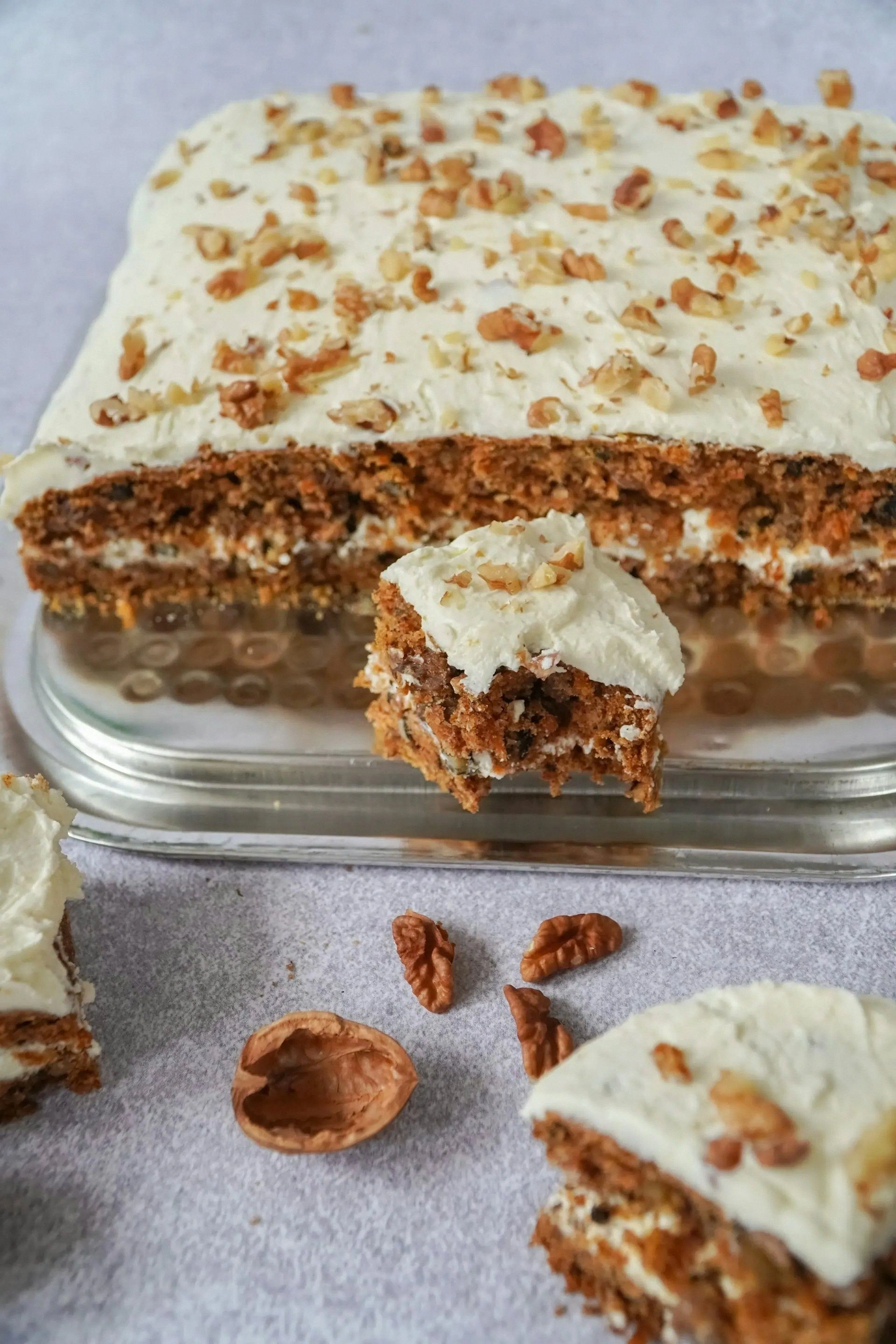
Picture this: I’m standing in a kitchen that smells like burnt sugar and over‑cooked oatmeal, a disaster that left my friends skeptical of my baking skills. I was determined to turn that culinary calamity into a triumph, and the result was a carrot cake so moist it practically melts in your mouth. I swear, the first bite was like a warm hug wrapped in cinnamon‑spiced caramel, with a subtle crunch from fresh grated carrots that sings against the silky frosting. The moment the cake hit the counter, the air filled with the scent of vanilla and toasted coconut, and I could hear the faint sizzle of the batter meeting the oven. I dared you to taste this and not go back for seconds, and the verdict was clear: this is hands down the best version you'll ever make at home.
I’ve spent months tweaking the ratio of flour to sugar, experimenting with the exact amount of oil, and finding the sweet spot where the cake stays moist yet firm enough to hold a generous layer of frosting. The secret? A splash of crushed pineapple that adds a subtle tropical brightness, and a handful of pecans that give a satisfying bite. The combination of spices—cinnamon, nutmeg, and a whisper of salt—creates a flavor profile that feels like a cozy cabin fire on a crisp autumn evening. And the best part? It’s simple enough to make on a Sunday afternoon, yet sophisticated enough to wow a crowd at a dinner party.
What sets this recipe apart from every other carrot cake out there is the meticulous layering of textures and flavors. The batter is airy, thanks to the right balance of baking powder and soda, while the shredded coconut adds a subtle chew that contrasts with the crunchy nuts. The frosting is a creamy, tangy delight that doesn’t overpower the cake; instead, it enhances the natural sweetness of the carrots and pineapple. I’ve also included a small twist—a pinch of sea salt that brightens every bite and keeps the cake from feeling flat. If you’ve ever struggled with a dry, crumbly cake, you’re not alone, and I’ve got the fix.
Now, let’s break down exactly what goes into this masterpiece. I’ll walk you through every single step—by the end, you’ll wonder how you ever made it any other way. And trust me, this next part? Pure magic. Stay with me here—this is worth it.
What Makes This Version Stand Out
- Flavor: The combination of fresh carrots, crushed pineapple, and toasted coconut creates a complex, layered sweetness that feels both comforting and adventurous.
- Texture: The batter’s airy crumb, complemented by the crunch of pecans and the chew of coconut, offers a satisfying mouthfeel that keeps you coming back.
- Moisture: The generous amount of vegetable oil and the addition of pineapple juice keep the cake incredibly moist without becoming soggy.
- Frosting: A silky cream‑cheese frosting balances the cake’s sweetness with a subtle tang, preventing it from being overly sweet.
- Ease: All steps are straightforward, with no advanced techniques required—perfect for beginners or seasoned bakers alike.
- Make‑Ahead: The cake can be baked, cooled, and frosted days in advance, making it an ideal dessert for busy weeknights.
- Visual Appeal: The golden brown crust and the glossy frosting finish make this cake a show‑stopper on any table.
- Versatility: Swap the nuts or add a splash of espresso for a mocha twist—this recipe adapts to your taste.
Alright, let's break down exactly what goes into this masterpiece. And before we dive into the ingredients, here’s a quick kitchen hack that will save you time and keep your batter silky.
Inside the Ingredient List
The Flavor Base
All-purpose flour, baking powder, baking soda, and salt are the silent heroes that give the cake its structure. Flour provides the backbone; baking powder and soda create lift, while salt balances the sweetness. If you skip any of these, the cake will either be dense or collapse. A common swap is to use whole wheat flour for a nuttier flavor, but keep the same ratios to maintain texture.
Granulated sugar is the sweetener that caramelizes on the surface, giving that desirable golden crust. Too much sugar can make the cake overly sweet, while too little can leave it bland. A quick tip: use a kitchen scale for precision—sweetness is all about balance.
The Texture Crew
Vegetable oil is the secret to moisture. Unlike butter, oil doesn’t create a dry crumb; instead, it coats the flour, keeping the batter tender. If you’re allergic to soy, coconut oil works just as well—just be mindful of the flavor it adds. The eggs bind everything together and add richness. Use room-temperature eggs for a smoother batter.
Ground cinnamon and nutmeg are the warm spices that bring depth. Cinnamon’s sweet, woody notes pair beautifully with the sweet carrots, while nutmeg adds a subtle peppery warmth. If you’re looking for a twist, try adding a pinch of allspice for an extra layer of complexity.
The Unexpected Star
Crushed pineapple isn’t just a sweetener—it adds moisture and a subtle tropical kick. The acidity in pineapple also reacts with the baking soda, creating tiny bubbles that help the cake rise. If you prefer a more traditional flavor, replace the pineapple with a splash of orange juice, but keep the acidity in mind to maintain rise.
Pecans or walnuts add a crunchy texture that contrasts with the soft cake. They also introduce a subtle nuttiness that balances the sweetness. If you’re allergic to tree nuts, replace them with sunflower seeds or omit them altogether; the cake will still be delicious.
Shredded coconut brings a chewy texture and a hint of tropical flavor that pairs well with pineapple. It also adds a subtle sweetness that complements the spices. For a lighter version, use unsweetened shredded coconut and add a tablespoon of honey to the batter.
The Final Flourish
Raisins are optional but add a burst of chewy sweetness that pairs with the spices. If you prefer a drier cake, simply omit them. The cream cheese and butter in the frosting create a rich, tangy glaze that balances the cake’s sweetness. A pinch of salt in the frosting brings out the flavors and prevents it from tasting too sweet.
Powdered sugar is the sweetener that gives the frosting its smooth, silky texture. If you want a thicker frosting, use less powdered sugar; for a lighter glaze, add a splash of milk. The final teaspoon of vanilla extract in the frosting enhances the overall flavor profile.
Everything's prepped? Good. Let's get into the real action...
The Method — Step by Step
- Preheat your oven to 350°F (175°C). Line a 9‑inch round cake pan with parchment paper and lightly grease the edges. The parchment ensures a clean release, while the greasing prevents sticking. Let the pan sit at room temperature; this helps the cake bake evenly.
- In a large bowl, whisk together the flour, baking powder, baking soda, salt, cinnamon, and nutmeg. This dry mix is the foundation of the cake’s structure. Make sure to sift the flour to avoid lumps, which can create uneven texture.
- In a separate bowl, combine the sugar, vegetable oil, vanilla extract, and eggs. Beat with an electric mixer on medium speed until the mixture is light and airy. The eggs should be fully incorporated, forming a smooth base that traps air for a light crumb.
- Add the dry ingredients to the wet mixture in three portions, folding gently after each addition. This technique prevents over‑mixing, which can develop gluten and make the cake tough. The batter should be thick but pourable; a good test is to swirl the bowl and see if the mixture holds its shape.
- Fold in the grated carrots, crushed pineapple, pecans, shredded coconut, and raisins. The mixture should look slightly uneven, but that’s fine; the ingredients will distribute during baking. This step is where the cake’s signature flavor and texture emerge.
- Pour the batter into the prepared pan, smoothing the top with a spatula. Tap the pan lightly on the counter to release any large air pockets. The batter should settle evenly, creating a flat surface for a uniform rise.
- Bake for 30–35 minutes, or until a toothpick inserted into the center comes out clean. The cake should have a golden brown crust and a slight spring back when pressed gently. This is the moment of truth—watch the edges pull away from the pan.
- Let the cake cool in the pan for 10 minutes, then transfer it to a wire rack to cool completely. Cooling prevents the frosting from melting prematurely. While the cake cools, you can start the frosting.
- Beat the cream cheese and butter together on medium speed until smooth and creamy. Add powdered sugar and vanilla extract, beating until the frosting is light and fluffy. This frosting should spread easily and hold its shape on the cake.
- Once the cake is completely cooled, spread the frosting evenly over the top and sides. Use a bench scraper or spatula for a smooth finish. If you want a decorative look, use a piping bag with a star tip to create swirls.
That's it — you did it. But hold on, I've got a few more tricks that'll take this to another level. These insider tips will make your cake even more impressive.
Insider Tricks for Flawless Results
The Temperature Rule Nobody Follows
Many bakers think room‑temperature ingredients are enough, but I’ve found that slightly warm eggs (about 65°F) create a better emulsion with the oil, resulting in a lighter crumb. If your eggs are cold, let them sit at room temperature for 30 minutes before mixing. This simple tweak can transform a decent cake into a show‑stopper.
Why Your Nose Knows Best
Before you bake, sniff the batter. It should smell like caramelized sugar and warm spices. If it smells more like raw flour, you’ve over‑mixed it. A good rule of thumb: the batter should have a faint sweet aroma; if it’s too bland, add a splash of vanilla or a pinch more cinnamon.
The 5‑Minute Rest That Changes Everything
After pouring the batter into the pan, let it rest for 5 minutes before sliding it into the oven. This brief pause allows the flour to hydrate fully, preventing a dense center. I’ve seen cakes rise dramatically when I give them this short rest.
The Secret to a Smooth Frosting
Beat the frosting at a low speed first, then gradually increase to medium. This prevents the butter from separating and ensures a silky finish. If your frosting becomes too thick, add a teaspoon of milk or cream to loosen it.
The Quick Chill Trick
If you’re in a rush to serve, place the frosted cake in the fridge for 10 minutes. This locks the frosting in place and prevents the cake from becoming soggy. Remember, a chilled cake is a happy cake.
Creative Twists and Variations
This recipe is a playground. Here are some of my favorite ways to switch things up:
Mocha Carrot Cake
Add 1 tablespoon of instant espresso powder to the batter for a subtle coffee flavor. Pair it with a chocolate glaze for a decadent dessert. This version is perfect for coffee lovers who want a sweet treat to accompany their brew.
Spiced Apple Carrot Cake
Replace half the carrots with finely diced apples and add a pinch of cloves. The apple adds a gentle sweetness while the cloves provide a warm, aromatic note. Serve with a dollop of whipped cream for a cozy fall dessert.
Vegan Carrot Cake
Swap the eggs for flaxseed meal mixed with water (1 tablespoon flaxseed + 3 tablespoons water per egg). Use coconut oil instead of vegetable oil and a dairy‑free frosting made from vegan cream cheese. The texture remains moist, and the flavor profile stays true.
Nut-Free Delight
Omit the nuts entirely and add a handful of dried cranberries for a tart contrast. This version is ideal for those with tree nut allergies but still craving the classic carrot cake experience.
Pineapple Coconut Twist
Increase the pineapple to ¾ cup and add ½ cup shredded sweet coconut. This tropical version is reminiscent of a beach vacation in a slice. Pair it with a lime glaze for an extra zing.
Storing and Bringing It Back to Life
Fridge Storage
Wrap the frosted cake tightly in plastic wrap and store in the refrigerator for up to 5 days. The frosting stays firm, and the cake remains moist. When serving, let it sit at room temperature for 15 minutes to soften the frosting slightly.
Freezer Friendly
For longer storage, wrap the cake in parchment paper and then in aluminum foil. Freeze for up to 3 months. Thaw overnight in the refrigerator, then let it warm to room temperature before serving. The texture stays buttery and fresh.
Best Reheating Method
If your cake has become a bit dry, place it in a preheated oven at 300°F (150°C) for 5 minutes. Add a tiny splash of water to the pan before heating; it steams back to perfection. This trick revitalizes the cake without melting the frosting.