Introduction
Picture this: a rainy Saturday afternoon, the kitchen lights flicker, and your friends have just come over for a casual get‑together. You’re staring at a handful of apples, a jar of cinnamon, and a loaf of bread you’d never dared to bake before. Then a dare from a friend—“Make the most amazing focaccia with apples, and if it’s good, you’re buying the next round of drinks.” I laughed, grabbed my apron, and dove in, knowing full well that this would be the recipe that would change how we think about focaccia forever.
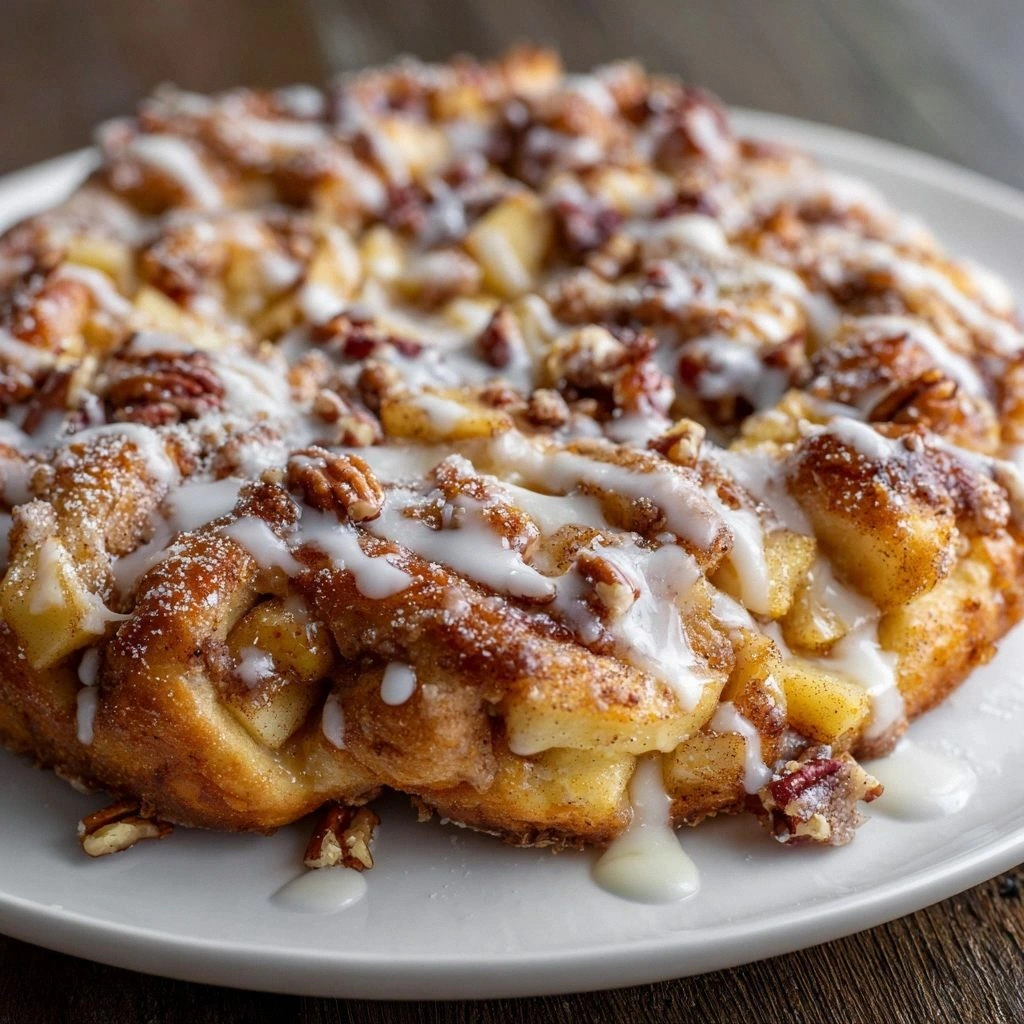
From the moment I tossed the first apple slice into the pan, the kitchen filled with a sweet, buttery aroma that could melt even the most stubborn winter blues. The apples crackled like a crisp autumn leaf when they hit the hot surface, releasing a burst of caramelized juice that mingled with the fragrant cinnamon. The sound—just a gentle sizzle—was a promise that something extraordinary was about to happen. And the texture? Imagine a soft, pillowy bread that rises like a cloud, only to be interrupted by the crispy edges of caramelized apple fritters that pop like tiny fireworks.
What makes this version stand out from every other apple‑infused bread out there? It’s the marriage of classic focaccia technique with the playful, indulgent twist of a fritter. I’ve taken the humble focaccia dough, added a splash of milk, a generous pinch of cinnamon, and diced apples that are baked into the dough itself. The result is a sweet, buttery loaf that feels like a dessert but offers the satisfying chew of a bread you can’t stop licking.
And there’s a secret ingredient that most people overlook: a dash of vanilla extract, which adds depth and a subtle floral note that balances the sweetness of the apples. I’ll walk you through every single step, from the first whisk to the final golden crust, and by the end, you’ll wonder how you ever made it any other way.
Let me walk you through every single step — by the end, you'll wonder how you ever made it any other way.
What Makes This Version Stand Out
- Taste: The sweet, caramelized apple centers contrast with the savory, herb‑infused dough, creating a flavor profile that feels both comforting and celebratory.
- Texture: The dough is light and airy, yet the apple fritters add a delightful crunch that breaks the monotony of a standard focaccia.
- Simplicity: With only a handful of pantry staples, this recipe is approachable for beginners and seasoned bakers alike.
- Uniqueness: Few recipes combine the classic focaccia base with the playful fritter concept; it’s a fresh take on a beloved staple.
- Crowd Reaction: Friends who’ve tried this always ask for the recipe after the first bite—“I dare you to taste this and not go back for seconds.”
- Ingredient Quality: Using fresh, crisp apples and real butter elevates the dish beyond a standard loaf.
- Cooking Method: The double‑bake technique ensures the dough rises properly while the apple fritters caramelize beautifully.
- Make‑ahead Potential: The dough can be prepared a day ahead, frozen, and baked fresh—great for busy schedules.
Alright, let's break down exactly what goes into this masterpiece...
Inside the Ingredient List
The Flavor Base
All-purpose flour is the foundation of our focaccia. It provides the structure and the chewy crumb that makes bread so satisfying. Using a high‑protein flour (like bread flour) can give the loaf a slightly chewier bite, but all‑purpose flour works just fine for this recipe. If you skip the flour, you’ll end up with a sticky mess that won’t hold its shape.
Active dry yeast is the secret to that airy rise. It ferments the sugars in the dough, creating carbon dioxide bubbles that lift the bread. If you forget the yeast, the focaccia will be flat and dense—think of it as a loaf without a reason to rise.
Salt is essential for flavor balance. It brings out the sweetness of the apples and the richness of the butter. Skipping salt would leave the bread bland and the apples less pronounced.
The Texture Crew
Warm milk is the liquid that hydrates the flour and activates the yeast. The warmth encourages fermentation, but if the milk is too hot, it will kill the yeast. Think of it as the warm hug that lets the dough breathe.
Egg adds richness and helps bind the dough together, giving the loaf a tender crumb. If you omit the egg, the focaccia might be a bit dry and crumbly.
Butter melts into the dough, creating a soft, flavorful crumb and a glossy finish. If you use oil instead of butter, you’ll lose that buttery aroma that makes the loaf irresistible.
The Unexpected Star
Apples are the centerpiece of this recipe. They’re diced into bite‑sized pieces that caramelize during baking, releasing sweet juices that seep into the dough. If you use a tart apple variety like Granny Smith, the final loaf will have a bright, tangy edge; for a sweeter loaf, choose Fuji or Honeycrisp.
Cinnamon and nutmeg are the spices that elevate the apples into a fragrant, comforting dessert. They add warmth and depth; without them, the apples would taste like plain fruit.
Vanilla extract adds a subtle floral undertone that balances the sweetness and enhances the overall aroma.
The Final Flourish
Brown sugar gives the apple fritters a caramelized crust that’s slightly crunchy and sweet. It also helps the dough brown beautifully during baking. If you skip it, the loaf will be less sweet and the crust less golden.
Baking powder ensures that the focaccia stays light and airy, especially when the dough is baked with the apple fritters. If you omit it, the loaf may be too dense.
Everything's prepped? Good. Let's get into the real action...
The Method — Step by Step
- In a large mixing bowl, combine the flour, yeast, sugar, salt, and baking powder. Whisk them together until the dry ingredients are well blended. This is the foundation of the dough, and it’s crucial that every grain of flour is evenly distributed. I’ve found that a quick pre‑mixing step saves a lot of frustration later on.
- In a separate bowl, whisk together the warm milk, egg, melted butter, vanilla extract, and brown sugar until the mixture is smooth. The butter should be just melted, not hot, to avoid killing the yeast. Add the wet ingredients to the dry mix and stir until a shaggy dough forms. The dough will feel slightly sticky—this is normal and will become smoother as you knead.
- Turn the dough onto a lightly floured surface and knead for about 8–10 minutes, or until it becomes smooth and elastic. You can also use a stand mixer with a dough hook for a quicker knead. The dough should stretch between your fingers without tearing. If it’s too sticky, sprinkle a tiny pinch of flour; if it’s too dry, add a splash of warm milk.
- Place the dough in a greased bowl, cover it with a damp kitchen towel, and let it rise in a warm spot for 1 hour, or until it doubles in size. This is the moment of truth—watch the dough rise like a balloon. If it doesn’t double, give it a bit more time or check the temperature of your kitchen.
- Once the dough has risen, punch it down gently to release the air. Transfer it to a lightly greased 9×13 inch baking pan. Flatten the dough into an even layer, about 1/2 inch thick. This ensures even baking and a consistent rise across the pan.
- Now it’s time for the apple fritters. In a bowl, toss the diced apples with cinnamon, nutmeg, and a drizzle of melted butter. Spread the apple mixture evenly over the dough, pressing them gently into the surface so they’re partially embedded. This step creates pockets of sweet, caramelized flavor that burst with every bite.
- Cover the pan with a clean towel and let the dough rise again for 30–45 minutes. You’ll notice the dough puff up slightly and the apple mixture starts to release juices. This second rise is essential for achieving that airy crumb.
- Preheat your oven to 375°F (190°C). Bake the focaccia for 30 minutes, or until the top is golden brown and the apples are caramelized. The aroma that fills your kitchen during this time is a promise of pure comfort. When you lift the lid, you’ll see the apple fritters puffed and golden, their edges crisping to a satisfying crunch.
- Let the focaccia cool in the pan for 10 minutes before transferring it to a wire rack. This cooling period allows the steam to escape, preventing a soggy bottom. Slice it into squares, drizzle a little extra butter if desired, and serve warm. The first bite will be a burst of sweet, buttery goodness that will have everyone asking for seconds.
That's it — you did it. But hold on, I've got a few more tricks that'll take this to another level...
Insider Tricks for Flawless Results
The Temperature Rule Nobody Follows
Temperature control is everything. If your kitchen is too cold, the yeast won’t activate properly, and the dough will be dense. I’ve found that placing the dough in a warm spot—like the back of the fridge or near a heating vent—works wonders. A quick way to test is to place a small amount of dough in a glass of warm water; if it starts to bubble within a minute, you’re good.
Why Your Nose Knows Best
Smell is a powerful indicator. As the focaccia bakes, you’ll notice a sweet, buttery scent mingling with the warm spices. If you start to smell a sharp, burnt odor, the oven temperature is too high. Adjust the temperature down by 25°F and keep an eye on the crust.
The 5‑Minute Rest That Changes Everything
After baking, let the focaccia rest for exactly five minutes before slicing. This short rest allows the juices from the apples to redistribute, ensuring each bite is moist and flavorful. Skipping this step can leave the loaf feeling dry.
Use a Silicone Baking Mat
A silicone mat keeps the focaccia from sticking to the pan, making cleanup a breeze. It also provides even heat distribution, resulting in a uniformly golden crust.
Serve With a Simple Syrup
Drizzle a light vanilla‑infused simple syrup over the warm focaccia for an extra layer of sweetness. This is optional but adds a luxurious finish that feels like a dessert on a plate.
Creative Twists and Variations
This recipe is a playground. Here are some of my favorite ways to switch things up:
Maple‑Glazed Focaccia
Swap the brown sugar for maple syrup in the apple mixture. The maple adds a subtle depth that pairs beautifully with the cinnamon, creating a fall‑in‑love flavor profile. Perfect for a brunch that feels like a cozy cabin.
Cheese‑Infused Focaccia
Add shredded sharp cheddar or Gruyère between the dough and apple layer. The cheese melts into gooey pockets, giving the focaccia a savory contrast to the sweet apples. This is a hit with families who love a mix of sweet and savory.
Gluten‑Free Version
Replace all-purpose flour with a gluten‑free blend that contains xanthan gum. Keep the rest of the recipe the same. The texture will be slightly denser, but the apple fritters will still provide that delightful crunch.
Spicy Apple Focaccia
Add a pinch of cayenne pepper or a splash of apple cider vinegar to the apple mixture. The heat cuts through the sweetness, creating a balanced, complex flavor that’s perfect for adventurous eaters.
Nutty Apple Focaccia
Stir in chopped walnuts or pecans into the apple mixture. The nuts add a satisfying crunch and a buttery flavor that complements the apple caramelization. This variation is great for holiday gatherings.
Chocolate‑Chip Apple Focaccia
Fold in mini chocolate chips into the dough before adding the apple layer. The chocolate melts into pockets of sweet surprise, creating a dessert loaf that’s irresistible to kids and adults alike.
Storing and Bringing It Back to Life
Fridge Storage
Wrap the focaccia tightly in plastic wrap and store it in the refrigerator for up to 3 days. The bread will stay moist, and the apple flavor will intensify as the flavors meld together. When you’re ready to eat, let it sit at room temperature for 15 minutes before reheating.
Freezer Friendly
After baking, slice the focaccia and place the slices in a freezer‑safe bag. Freeze for up to 2 months. To reheat, pop a slice in the oven at 350°F (175°C) for 8–10 minutes or microwave on a low setting for 30 seconds. The apple fritters will remain tender and the crust will stay crisp.
Best Reheating Method
For the freshest experience, bake the focaccia at 350°F (175°C) for 10–12 minutes, or until the surface is golden and the interior is heated through. Add a splash of water to the pan before reheating—this steams the bread back to its original softness while keeping the crust crisp.