Picture this: the kitchen is a battlefield, pots are scattered like artillery shells, and your fridge is a barren desert. I was chasing a craving for something that could turn an ordinary Sunday into a triumphant feast, and the moment I cracked open the pantry, a revelation hit me like a thunderclap—balsamic, slow‑cooked, beefy comfort that could outshine any restaurant dish. I’ve tried the classic slow‑cooker roast, the instant‑pot version, even the stovetop braise, but none of them carried that deep, almost syrupy richness that makes you feel like you’ve discovered a culinary secret. That’s why I’m thrilled to share the version that has become my go‑to for family dinners and special occasions alike.
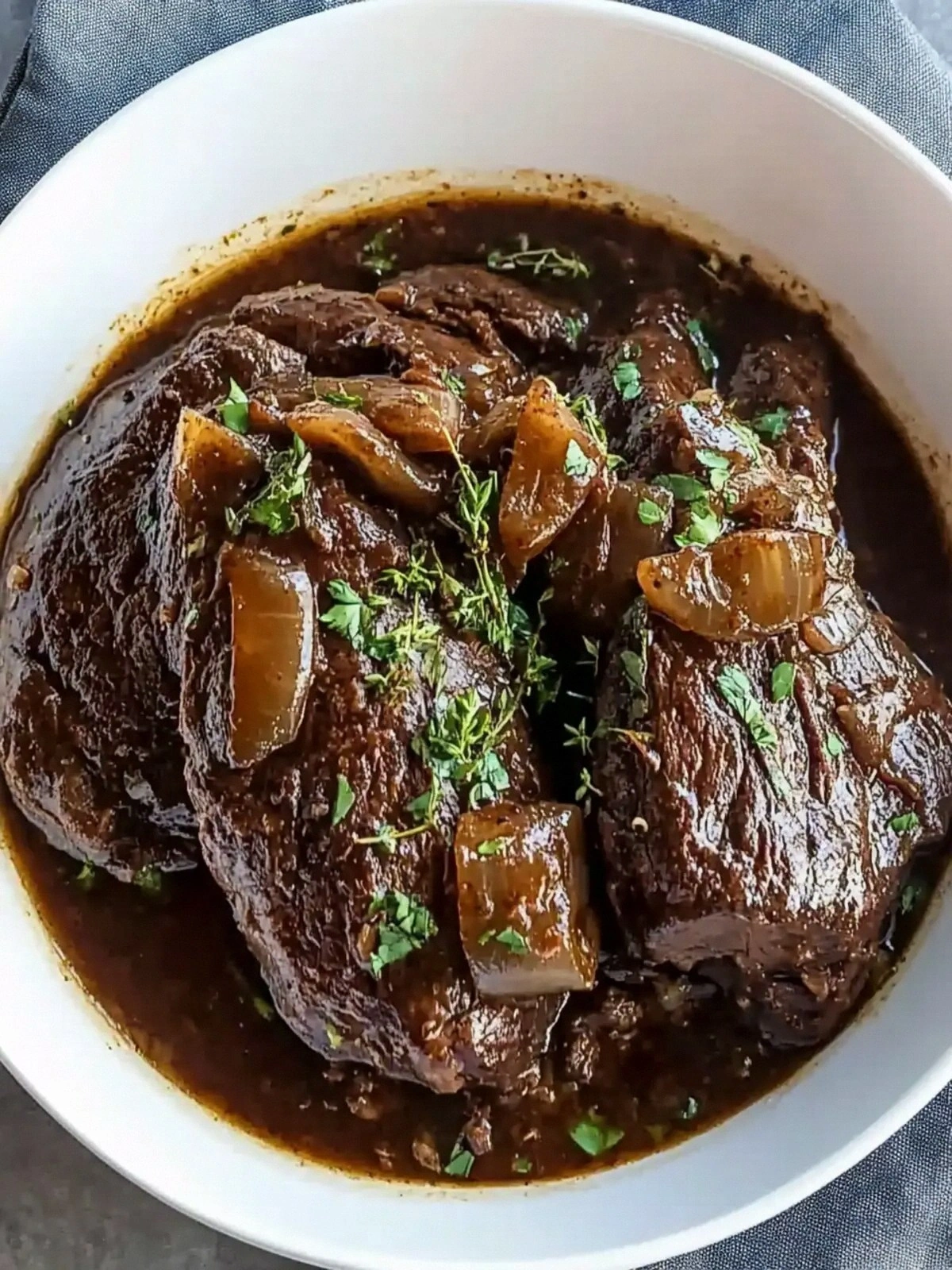
Let me paint you the scene: a generous chuck roast, the kind that’s been marinated in a swirl of balsamic vinegar and tomato sauce, rests in a heavy‑bottomed pot. The air fills with the sweet, caramelized aroma of garlic and onions as they sizzle in a splash of olive oil. The slow cooker hums softly, promising a transformation that will take hours to reach that perfect melt‑away tenderness. When you finally open the lid, the meat shivers in a glossy sauce, its edges caramelized like a sunrise over a quiet lake. It’s a dish that doesn’t just fill a plate—it fills a room with anticipation.
Most recipes get this completely wrong. They either over‑season the meat, under‑cook the vegetables, or use a bland sauce that’s just a thin drizzle. What sets this version apart is the meticulous layering of flavors, the intentional caramelization of the onions, and the subtle sweetness of balsamic that cuts through the richness of beef. It’s hands down the best version you’ll ever make at home because it balances savory depth with a touch of acidity that wakes up the palate. If you’ve ever struggled to keep a slow‑cooker roast from turning into mush, you’re not alone—this is the fix you’ve been waiting for.
I dare you to taste this and not go back for seconds. Picture yourself pulling this out of the slow cooker, the whole kitchen smelling incredible, and watching your family’s eyes light up as they take that first bite. That moment is pure magic, and it’s the culmination of a recipe that I’ve tweaked, tested, and perfected. Let me walk you through every single step—by the end, you’ll wonder how you ever made it any other way.
What Makes This Version Stand Out
- Taste: The balsamic and tomato sauce blend creates a sauce that coats the meat like velvet, delivering a sweet‑savory punch that lingers on the tongue. The subtle acidity cuts through the fat, leaving a clean finish.
- Texture: Slow‑cooking at low heat breaks down collagen into gelatin, giving the roast a silky, melt‑in‑your‑mouth consistency. The vegetables stay tender yet retain a slight bite that adds contrast.
- Simplicity: Only ten ingredients, all you need is a slow cooker and a splash of patience. No fancy gadgets, no complex techniques—just trust the process.
- Uniqueness: The addition of Worcestershire sauce and thyme elevates the umami profile, while the balsamic provides a natural sweetness that sets this dish apart from standard braises.
- Crowd Reaction: Whether you’re feeding a family of four or a group of friends, the sauce’s glossy sheen and robust flavor command attention. I’ve had guests ask for the recipe after just one bite.
- Ingredient Quality: Using a high‑quality chuck roast and fresh vegetables maximizes flavor. The balsamic vinegar should be a good quality, not the cheap supermarket variety, to avoid bitterness.
- Cooking Method: Slow‑cooking ensures even heat distribution, preventing scorching and preserving moisture. It’s a fool‑proof method that even novice cooks can master.
- Make‑Ahead Potential: The dish is ideal for meal prep. Cook it ahead of time, refrigerate or freeze, and reheat for a quick dinner that still tastes freshly made.
Alright, let's break down exactly what goes into this masterpiece...
Inside the Ingredient List
The Flavor Base
The foundation of this dish is the beef broth and balsamic vinegar combo. The broth provides the savory backbone, while balsamic adds a sweet, tangy depth that caramelizes during slow cooking. Skipping either will leave the sauce thin and bland. If you’re short on broth, substitute with beef stock or a splash of red wine for added complexity.
The Texture Crew
Vegetables such as carrots, celery, and potatoes form the texture crew, soaking up the sauce and offering contrast to the tender meat. They also absorb the flavors, becoming sweet and aromatic. If you prefer a lighter dish, reduce the vegetable quantity or omit the potatoes entirely.
The Unexpected Star
Worcestershire sauce is the unexpected star that elevates the umami profile. It’s a secret ingredient that most people overlook but adds a savory depth that makes the sauce richer. A pinch of smoked paprika can replace Worcestershire for a smoky twist.
The Final Flourish
The sliced red onion is not just a garnish; it caramelizes over the slow‑cooking time, releasing natural sugars that sweeten the sauce. If you’re sensitive to onion, you can use shallots for a milder flavor. A handful of fresh thyme sprigs added at the end brightens the dish with herbal freshness.
Everything's prepped? Good. Let's get into the real action...
The Method — Step by Step
- Season the chuck roast generously with salt and pepper. Let it sit at room temperature for 15 minutes to absorb the seasoning. This step ensures even flavor distribution and helps the meat brown beautifully.
- Heat a cast‑iron skillet over high heat. Sear the roast on all sides until a deep brown crust forms—about 3 minutes per side. This caramelization locks in juices and creates a flavor base that the slow cooker will build upon.
- Transfer the roast to the slow cooker. Add the sliced red onion, carrots, celery, and potatoes around the meat. The vegetables act as a natural rack, keeping the roast elevated and allowing the sauce to circulate evenly.
- In a bowl, whisk together beef broth, balsamic vinegar, tomato sauce, Worcestershire sauce, minced garlic, dried thyme, and black pepper. Pour this mixture over the roast and vegetables, ensuring everything is submerged. The liquid will steam and tenderize the meat.
- Cover and cook on low for 8–10 hours or on high for 4–5 hours. The low‑heat method is ideal for a more tender, gelatinous texture, while the high heat speeds up the process without sacrificing flavor.
- Halfway through cooking, stir gently to redistribute the vegetables and prevent sticking. This also helps the sauce thicken slightly as the liquid evaporates.
- When the roast is tender and the vegetables are fork‑tender, remove the lid and let the sauce reduce on the stove for 10 minutes if you desire a thicker consistency. This step concentrates the flavors and gives the sauce a glossy sheen.
- Slice the roast against the grain into thick, juicy slices. Serve the meat over a bed of the cooked vegetables, spooning the luscious sauce over everything. The final touch is a sprinkle of fresh thyme for brightness.
That's it— you did it. But hold on, I've got a few more tricks that'll take this to another level...
Insider Tricks for Flawless Results
The Temperature Rule Nobody Follows
Many people set their slow cooker to high by default, but low heat actually produces a more tender, flavorful roast. The slow, steady heat allows the connective tissues to break down into gelatin, creating a silky sauce. I’ve found that even on a busy weekday, cooking on low for 8 hours still delivers a restaurant‑grade result.
Why Your Nose Knows Best
When the sauce starts to thicken, the aroma will shift from sweet to caramelized. Trust that scent— it signals the sauce is ready to reduce. If you’re unsure, give the pot a quick stir and check for a slightly syrupy consistency.
The 5‑Minute Rest That Changes Everything
After removing the roast from the slow cooker, let it rest for 5 minutes before slicing. This allows the juices to redistribute, preventing dry bites. It’s a small pause that makes a huge difference in mouthfeel.
The Secret Ingredient Swap
If you’re a fan of a slightly smoky flavor, replace the red onions with caramelized shallots. The shallots provide a subtle sweetness that pairs beautifully with the balsamic and tomato base.
The Finish with Fresh Herbs
Just before serving, sprinkle fresh thyme or parsley over the dish. The herbs add a pop of color and a burst of freshness that lifts the rich sauce. A squeeze of lemon juice can also brighten the overall flavor profile.
The Quick Sauce Thickener
If you prefer a thicker sauce, whisk in a tablespoon of cornstarch mixed with a splash of water in the last 10 minutes of cooking. Stir vigorously until the sauce reaches your desired consistency. This is especially useful if you’re serving over mashed potatoes.
Creative Twists and Variations
This recipe is a playground. Here are some of my favorite ways to switch things up:
Mediterranean Twist
Add a handful of Kalamata olives and capers to the sauce. Replace the tomato sauce with a Greek yogurt base for a creamy texture. This variation brings a salty, tangy Mediterranean flavor that pairs well with couscous.
Spicy Kick
Stir in a pinch of red pepper flakes and a splash of hot sauce during the last hour of cooking. The heat balances the sweetness of the balsamic, creating a complex, layered taste that excites the palate.
Herb‑Infused Delight
Swap the dried thyme for fresh rosemary and sage. Add a sprig of rosemary to the slow cooker for an aromatic finish. The herbs infuse the meat with a fragrant, earthy note.
Vegetarian Adaptation
Replace the chuck roast with a hearty cut of seitan or a thick slice of portobello mushroom. Use vegetable broth instead of beef broth and keep the balsamic and tomato sauce. This version delivers a similar depth of flavor while remaining plant‑based.
Breakfast‑Style Breakfast
Serve the roast over a bed of fluffy scrambled eggs and roasted sweet potatoes. The savory sauce complements the eggs, making for a hearty breakfast that feels like a brunch indulgence.
Storing and Bringing It Back to Life
Fridge Storage
Cool the dish to room temperature, then transfer to airtight containers. Store in the refrigerator for up to 4 days. The sauce will thicken slightly, but reheat gently on the stove or microwave, adding a splash of water if needed.
Freezer Friendly
Divide the roast and vegetables into freezer‑safe portions. Wrap tightly with parchment and foil before placing in the freezer. The dish stays good for up to 3 months. Thaw overnight in the fridge before reheating.
Best Reheating Method
Reheat on low heat in a saucepan, stirring occasionally, until the sauce is hot. Add a tiny splash of water or broth to restore moisture. This technique preserves the tender texture and rich flavor.