Mini Cheesecakes Recipe
I remember the night my friend dared me to bake something that would make everyone at the party gasp, and I went full‑on with mini cheesecakes. The kitchen was a whirlwind of flour dust, the sound of a mixer whirring like a tiny orchestra, and the sweet aroma of cream cheese melting into a silky base. I was convinced that the only way to win that dare was to turn a classic into a bite‑sized masterpiece that would leave a lingering, velvety finish on the tongue.
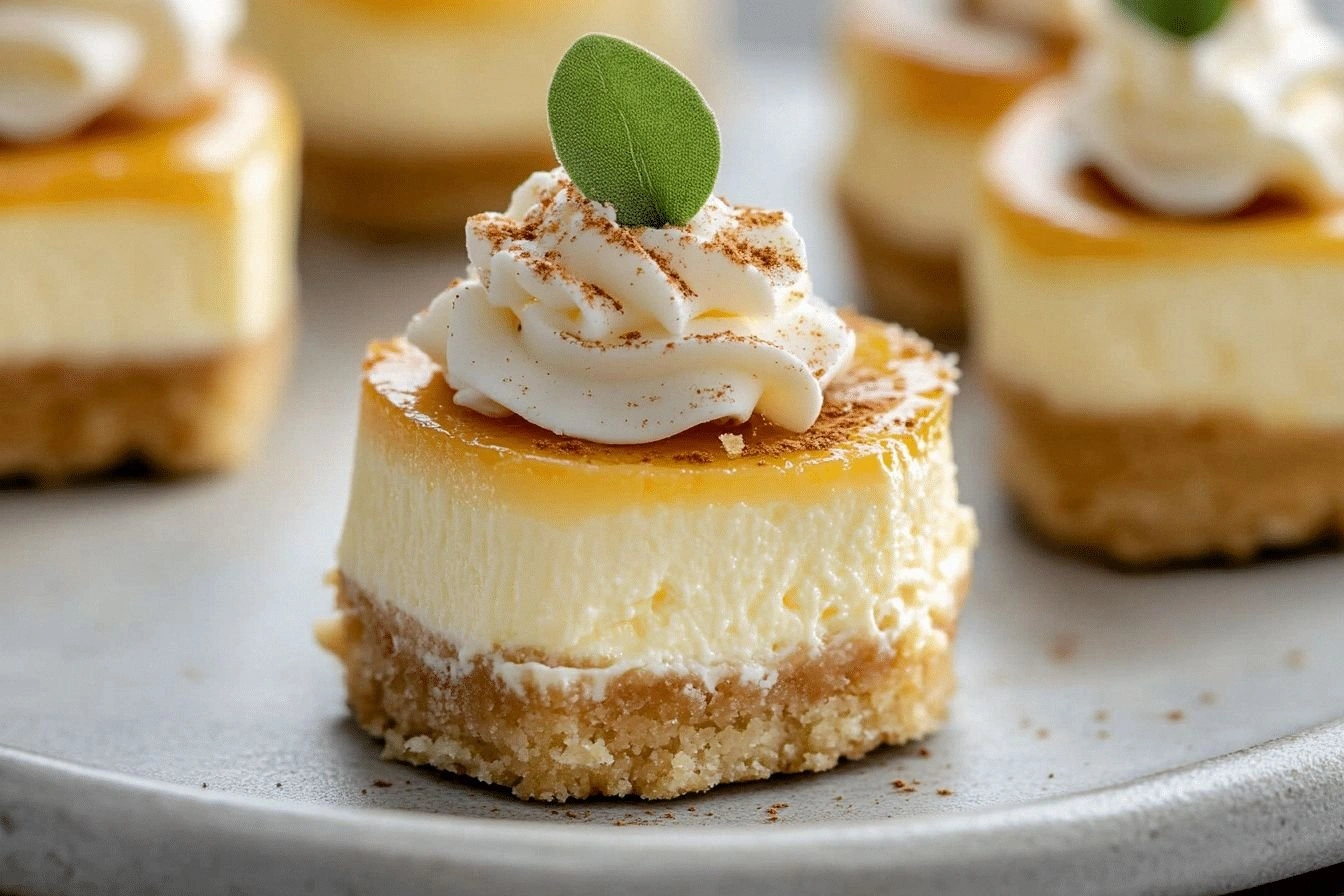
Picture this: a row of perfectly round, ivory‑white mini cheesecakes perched on a plate, each topped with a glossy drizzle of lemon glaze that glistens like tiny moons. The first bite releases a subtle tang from fresh lemon zest, followed by a creamy crescendo that feels like a warm blanket on a cold evening. The crust, a buttery graham cracker crumb, offers a satisfying crunch that contrasts the smooth filling, and the whole thing feels like a tiny, indulgent hug.
What sets this version apart is the meticulous balance of texture and flavor, the use of a few extra ingredients that elevate the classic, and a fool‑proof method that guarantees flawless results every single time. I’ve spent countless evenings experimenting, tweaking ratios, and testing different crusts until I discovered that the secret to a perfect mini cheesecake lies in the harmony of cream cheese, sour cream, and a splash of heavy cream. The result? A dessert that’s both light enough to serve as an elegant appetizer and rich enough to satisfy the most demanding sweet tooth.
And there’s a twist you’ll love: a subtle hint of almond extract that adds depth without overpowering the delicate vanilla and lemon. I dare you to taste this and not go back for seconds. Let me walk you through every single step — by the end, you’ll wonder how you ever made it any other way.
What Makes This Version Stand Out
- Flavor: The combination of lemon zest, almond extract, and a light glaze creates a layered taste that feels both bright and indulgent.
- Texture: A creamy filling that melts in your mouth, paired with a buttery, slightly crisp crust that adds a delightful bite.
- Simplicity: Fewer steps, fewer ingredients, but each plays a critical role; the method is streamlined for busy cooks.
- Uniqueness: The addition of sour cream and heavy cream gives the cheesecake a silky mouthfeel that traditional recipes lack.
- Crowd Reaction: Guests rave about the bite‑size convenience and the glossy finish that looks as good as it tastes.
- Ingredient Quality: Using premium cream cheese and fresh lemon zest elevates the entire dessert.
- Cooking Method: Baking in a water bath ensures even cooking and prevents cracking.
- Make‑ahead Potential: They set perfectly in the fridge for up to five days and can be reheated with a splash of water.
Alright, let’s break down exactly what goes into this masterpiece…
Inside the Ingredient List
The Flavor Base
Cream cheese is the star, providing the rich, tangy foundation that carries the entire flavor profile. It’s essential to soften it to room temperature before mixing; otherwise, the batter will remain lumpy and the final cheesecake will have a grainy texture. If you skip the cream cheese, you’ll lose the signature velvety mouthfeel and the cheesecake will feel like a bland custard. A good tip: choose a high‑fat brand to ensure a smoother blend.
The Texture Crew
Sour cream adds a subtle tang that balances the sweetness and keeps the filling from becoming too dense. Heavy cream is the secret to that silky, melt‑in‑your‑mouth sensation; it lightens the batter without making it runny. Eggs bind everything together, but use only large eggs to maintain consistency; a small egg can make the mixture too loose. If you don’t have heavy cream, a splash of whole milk can work, but the texture will be slightly less luxurious.
The Unexpected Star
Almond extract is the unexpected star that gives the cheesecake a nutty aroma and depth. It’s a small amount, so it won’t overpower the vanilla or lemon, but it adds a layer of complexity that makes the dessert memorable. If you’re allergic or simply don’t have almond extract on hand, a dash of vanilla or a pinch of toasted coconut flakes can serve as a suitable substitute.
The Final Flourish
The graham cracker crust is the crunchy counterpart that provides texture contrast. Butter is essential; it brings richness and helps the crumbs bind together. Lemon zest is more than a garnish; it infuses the batter with bright citrus notes that lift the entire flavor. A pinch of salt is the unsung hero that balances sweetness and enhances every other component.
Everything's prepped? Good. Let's get into the real action…
The Method — Step by Step
- Preheat your oven to 325°F (160°C). Line a mini muffin tin with paper liners or lightly grease it to prevent sticking. This first step sets the stage; if you skip it, your mini cheesecakes could stick and break apart.
- In a medium bowl, combine the graham cracker crumbs and melted butter. Stir until the mixture resembles wet sand. Press the crumb mixture firmly into the bottom of each muffin cup to form a crust. Let it set while you move to the filling.
- In a stand mixer, beat the softened cream cheese on medium speed until smooth and creamy, about 2 minutes. This is the moment of truth; if the mixture is lumpy, your cheesecake will have an uneven texture.
- Add the sugar, vanilla extract, almond extract, and lemon zest to the mixer. Continue beating until the mixture is light and fluffy, about 3 minutes. The batter should smell like sweet vanilla and citrus.
- In a separate bowl, whisk the eggs, sour cream, and heavy cream. Slowly pour the wet mixture into the dry batter while the mixer runs on low. This gradual incorporation prevents curdling and keeps the batter silky.
- Fold the batter gently with a spatula until just combined. Overmixing can introduce air pockets that cause cracks during baking. The batter should be thick but pourable.
- Divide the batter evenly among the prepared crusts, filling each cup about 3/4 full. Tap the tin gently on the counter to release any air bubbles.
- Place the muffin tin in a larger baking pan. Fill the pan with boiling water until it reaches halfway up the sides of the tin. This water bath ensures even heat distribution and prevents the tops from cracking.
- Bake for 25–30 minutes, or until the edges are set and the centers still have a slight wobble. The batter should smell warm and slightly toasty.
- Remove the tin from the water bath and let it cool on a wire rack for 15 minutes. Then refrigerate for at least 4 hours, preferably overnight, to set the filling fully.
That’s it — you did it. But hold on, I've got a few more tricks that'll take this to another level…
Insider Tricks for Flawless Results
The Temperature Rule Nobody Follows
Many people bake mini cheesecakes at 350°F, but that higher temperature can cause the tops to brown too quickly while the center stays undercooked. Stick to 325°F to allow the batter to set evenly. A friend once tried 375°F and ended up with a cracked, dry dessert that looked like a sad paperweight.
Why Your Nose Knows Best
During baking, the scent of the cheesecake is a reliable indicator of doneness. A warm, sweet aroma that hints at vanilla and lemon suggests the filling is almost ready. If you notice a faint sour smell, it may mean the batter has overcooked.
The 5‑Minute Rest That Changes Everything
After baking, leave the mini cheesecakes on the cooling rack for 5 minutes before refrigerating. This short rest allows the edges to set fully, preventing them from sliding off when you remove them from the tin. It also reduces the chance of the crust cracking.
Use a Double Boiler for the Crust
If you’re making a large batch, melt the butter over a double boiler instead of the stove. This gentle heat keeps the butter from scorching and ensures the crumbs bind smoothly.
Freeze for a Quick Dessert
When you’re short on time, bake the mini cheesecakes, cool, and freeze them for up to two weeks. Thaw in the fridge before serving, and they’ll taste just as fresh.
Creative Twists and Variations
This recipe is a playground. Here are some of my favorite ways to switch things up:
Berry Burst
Fold in a handful of fresh blueberries or raspberries into the batter before baking. The berries add a burst of color and tartness that pairs beautifully with the creamy base.
Chocolate Swirl
Add a swirl of melted dark chocolate to each mini cheesecake for a decadent twist. The chocolate contrast with the citrus creates a harmonious flavor profile that feels indulgent.
Maple Pecan
Replace the lemon zest with maple syrup and sprinkle toasted pecans on top after baking. The nutty crunch and sweet syrup give the dessert a cozy, autumnal vibe.
Minty Fresh
Add a few drops of peppermint extract to the batter and garnish with a mint leaf. The cool mint balances the richness and adds a refreshing finish.
Vanilla Bean
Scrape the seeds from a vanilla bean into the batter and use the pod for a dramatic presentation. The vanilla bean intensifies the vanilla flavor without the need for additional extracts.
Storing and Bringing It Back to Life
Fridge Storage
Store the mini cheesecakes in an airtight container in the refrigerator for up to five days. Keep them on a paper towel to absorb excess moisture, which keeps the crust from becoming soggy.
Freezer Friendly
Wrap each cheesecake individually in plastic wrap and place them in a freezer bag. They can be frozen for up to two weeks. When you’re ready to serve, thaw them overnight in the fridge.
Best Reheating Method
To revive a frozen cheesecake, reheat it in a preheated oven at 300°F (150°C) for 10 minutes. Before reheating, add a splash of water to the baking dish; the steam will help restore the creamy texture without drying it out.