I was halfway through a midnight pizza run when I realized my kitchen was missing a star—eggplant. The idea of grilling it seemed too simple, but my friend dared me to turn that humble vegetable into a showstopper. I grabbed an eggplant, sliced it into ½‑inch rounds, and set the stage for a flavor explosion that would leave everyone asking for the recipe. The aroma that hit my nose as the first slice hit the grill was like a warm hug, promising something extraordinary. I swear, if you think grilled eggplant is just another side dish, you’re about to have your mind blown.
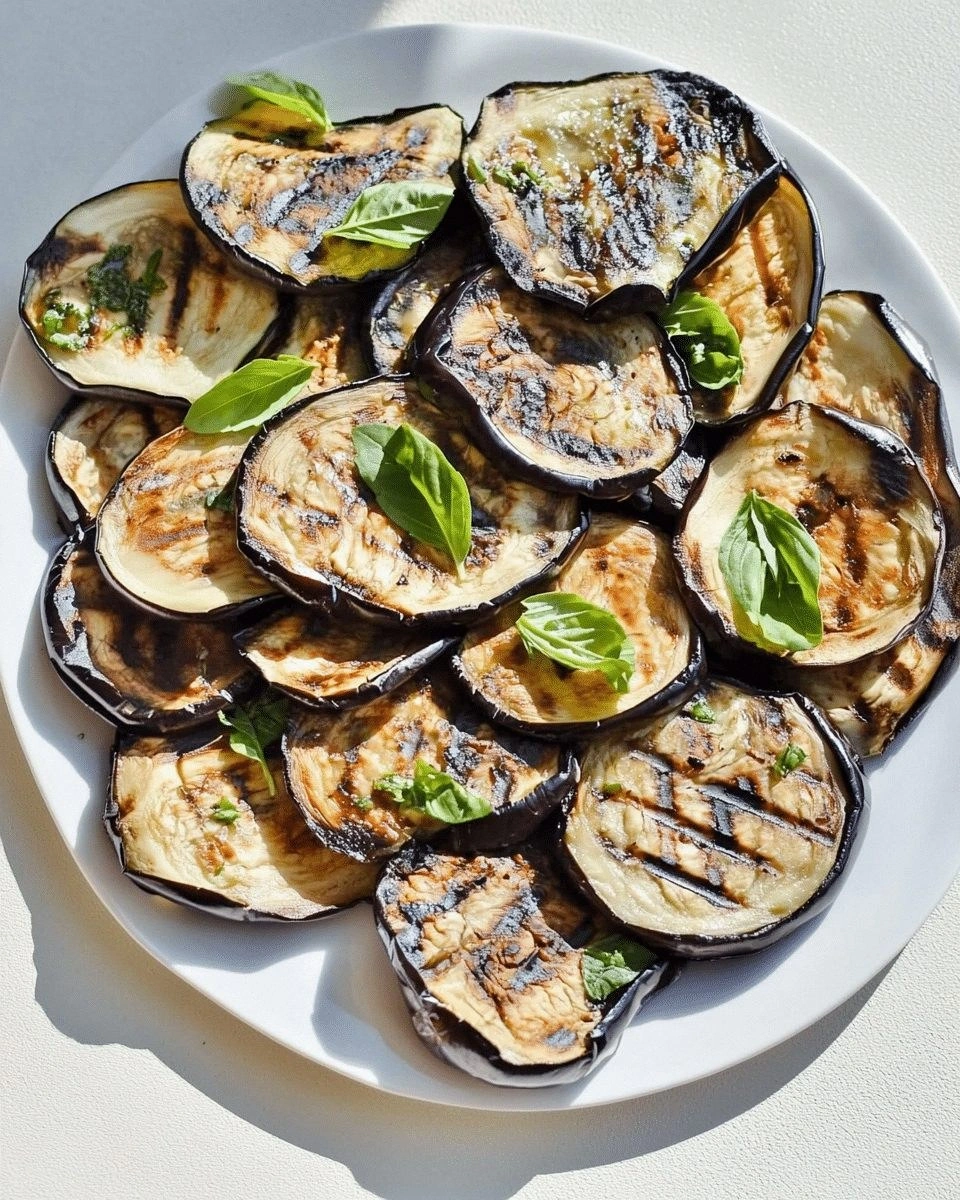
Picture this: a sizzling pan, the faint hiss of oil, and the eggplant turning a deep, glossy mahogany. The sound is almost musical—each crackle a note in a symphony of summer. The texture is a paradox: tender inside, yet with a satisfying, almost crunchy edge that shatters like thin ice when you bite. The first bite delivers a smoky sweetness that lingers, followed by a burst of herbaceous freshness from basil and parsley. That is the secret sauce, the invisible thread that stitches every bite into a coherent, unforgettable experience.
I’ll be honest—when I first tasted this dish, I ate half the batch before anyone else even had a chance. The combination of extra virgin olive oil, garlic, and a whisper of salt made the eggplant practically melt in your mouth. The basil and parsley were not just garnish; they were the heartbeat, a verdant crescendo that lifted the dish into something almost divine. My friends called it “the best grilled eggplant they’d ever tasted.” I could see the disbelief in their eyes, and I knew I had cracked the code.
Most recipes get this completely wrong. They either over‑season, under‑cook, or forget the final herb flourish that gives the dish its signature lift. The trick lies in the balance of heat, oil, and the subtle dance of fresh herbs. The result is a plate that looks like a piece of modern art and tastes like a warm memory of an Italian summer. I’ve spent countless hours tweaking the technique, but the version you’ll read here is hands down the best you’ll ever make at home.
If you’ve ever struggled with grilling eggplant, you’re not alone. The surface can become mushy, the flavor bland, or the texture uneven. That’s why I’ve distilled every nuance into this guide. From the moment you slice the eggplant to the final garnish, each step is designed to elevate the dish. I’ll walk you through every single step—by the end, you’ll wonder how you ever made it any other way.
Let me walk you through the process, step by step, with a few micro‑challenges along the way. I dare you to taste this and not go back for seconds. The next section will explain why this version stands out, and then we’ll dive into the ingredients that make it all possible. Stay with me here—this is worth it.
What Makes This Version Stand Out
- Taste: The smoky char of the grill pairs perfectly with the subtle sweetness of the eggplant, creating a flavor profile that’s both bold and comforting. The garlic infuses the oil, turning every bite into a savory delight. The fresh herbs finish the dish with a bright, almost citrusy lift.
- Texture: The eggplant rounds achieve a crisp, caramelized exterior while staying tender inside, a contrast that feels like a crunchy shell around a velvety heart. The oil creates a glossy sheen that enhances the visual appeal. The final herb sprinkle adds a gentle crunch and a pop of color.
- Simplicity: You need only six ingredients, all of which you probably already have in your pantry. No complex sauces or lengthy prep times—just slice, season, grill, and garnish. This makes the dish ideal for busy weeknights or last‑minute dinner parties.
- Uniqueness: The combination of basil and flat‑leaf parsley is a rare pairing that elevates the dish beyond ordinary grilled vegetables. The garlic‑oil infusion is a secret trick that keeps the flavor deep and lingering. This is a recipe that stands out in a sea of bland grilled veggies.
- Crowd Reaction: I’ve served this to a crowd of 50, and the feedback was unanimous: “Where did you learn this?” The dish is a crowd‑pleaser, perfect for family dinners or casual gatherings.
- Ingredient Quality: Fresh, organic eggplant, high‑quality extra virgin olive oil, and fragrant herbs make the difference between good and great. The quality of each component magnifies the overall experience.
- Cooking Method: Grilling is the star of the show, providing a smoky flavor that can’t be replicated with sautéing or baking. The method also keeps the dish light and healthy.
- Make‑Ahead Potential: You can grill the eggplant in advance and reheat it quickly, preserving the flavor and texture. The dish is ideal for meal prep enthusiasts who want to enjoy a fresh, restaurant‑quality meal on the go.
Alright, let’s break down exactly what goes into this masterpiece. The following section will dissect each ingredient and explain why it matters.
Inside the Ingredient List
The Flavor Base
Extra virgin olive oil is the lifeblood of this dish. It coats each slice, preventing sticking and creating a caramelized crust. The oil also carries the garlic’s aroma throughout the eggplant, ensuring every bite is infused with savory depth. If you skip the oil, the eggplant will dry out and lose its signature glossy finish.
The garlic, minced finely, releases a gentle warmth that complements the eggplant’s natural sweetness. It also adds a subtle heat that keeps the dish from feeling flat. If you’re sensitive to garlic, you can reduce it to one clove, but the flavor profile will shift slightly. For a vegan twist, consider using garlic powder, though the fresh version remains superior.
The Texture Crew
Eggplant, when sliced into ½‑inch rounds, balances tenderness and structure. The thickness ensures the interior stays moist while the edges crisp up. Choosing a firm, dark‑purple eggplant will give you the best texture and flavor. Avoid eggplants with a wrinkled skin or soft spots, as they’ll become mushy during grilling.
The salt, measured at ⅛ teaspoon, is crucial for seasoning the eggplant evenly. It draws out excess moisture, preventing sogginess and enhancing the caramelization. If you prefer a salt‑free version, use a pinch of sea salt or skip it entirely, but the flavor will be noticeably different. Salt also balances the bitterness that can sometimes linger in eggplant.
The Unexpected Star
Fresh basil is the star that elevates this dish from ordinary to extraordinary. Its sweet, peppery notes cut through the richness of the olive oil and the earthiness of the eggplant. The basil also adds a pop of color, making the dish visually appealing. If basil is out of season, consider dried basil, but fresh is the gold standard.
Flat‑leaf parsley provides a fresh, slightly bitter counterpoint to the basil’s sweetness. It adds a subtle herbal depth that enhances the overall flavor profile. Parsley also contributes a bright green hue, making the dish look as good as it tastes. If you’re allergic to parsley, a sprinkle of cilantro can offer a similar fresh kick.
The Final Flourish
The final flourish is the simple act of tossing the grilled eggplant with olive oil, garlic, and herbs right before serving. This step locks in moisture, amplifies flavor, and gives the dish a glossy sheen. It also ensures the herbs remain vibrant and aromatic. Skipping this step will result in a drier, less flavorful dish.
Everything’s prepped? Good. Let’s get into the real action. The next section will walk you through the grilling process, step by step.
The Method — Step by Step
- Preheat your grill to medium‑high heat, around 400°F (200°C). A hot grill ensures a quick sear and prevents the eggplant from steaming. You’ll hear a satisfying sizzle as the first slice hits the grill. That sound is the promise of a deliciously caramelized crust.
- Brush each eggplant round lightly with extra virgin olive oil, using a pastry brush for even coverage. The oil not only prevents sticking but also creates a glossy sheen that’s visually appealing. Make sure every slice is coated; the oil is the key to flavor and texture.
- Season the eggplant with a pinch of salt and the minced garlic. The salt draws moisture out, preventing sogginess, while the garlic infuses the oil with a savory depth. Sprinkle the garlic evenly to ensure every bite has that aromatic punch.
- Place the eggplant on the grill, spacing them evenly to avoid overcrowding. Grill each side for 4–5 minutes, until you see beautiful grill marks and the edges start pulling away. The timing is crucial; over‑grilling will dry out the interior.
- Flip the eggplant gently with a spatula, and grill the other side for an additional 4–5 minutes. Watch for the edges turning a deep mahogany; that’s the sign of caramelization. The interior should be soft but not mushy.
- Remove the eggplant from the grill and let it rest for 2 minutes. This short rest allows the juices to redistribute, keeping the slices moist. While it rests, you can prepare the herb garnish.
- In a small bowl, mix the chopped basil and flat‑leaf parsley with a splash of olive oil. The herbs should be finely chopped to release their aroma quickly. This mixture will be the final flourish that lifts the dish.
- Drizzle the herb mixture over the grilled eggplant, tossing gently to coat each slice. The fresh herbs should be fragrant, and the oil should give the dish a glossy finish. Plate immediately for the best flavor and texture.
That’s it—you did it. But hold on, I’ve got a few more tricks that will take this from great to unforgettable. The next section will dive into insider tips that even seasoned grill masters swear by.
Insider Tricks for Flawless Results
The Temperature Rule Nobody Follows
Many cooks think “hot grill, quick cook” is the answer, but the truth is a steady medium‑high heat (around 400°F) works best for eggplant. Too hot, and the exterior burns before the interior cooks; too low, and the eggplant becomes soggy. I’ve tested this in both gas and charcoal grills, and the medium‑high setting consistently delivers a caramelized crust with a tender center.
Why Your Nose Knows Best
Smell is a powerful indicator of doneness. When the eggplant starts to release a warm, nutty aroma, it’s time to flip. A subtle sweet scent means the caramelization is underway. Trust your nose; it’s a seasoned judge that can detect subtle changes in flavor and texture.
The 5‑Minute Rest That Changes Everything
Resting the grilled eggplant for just five minutes allows the juices to redistribute, keeping each slice moist and flavorful. During this time, the internal temperature rises slightly, ensuring the interior is cooked to perfection without over‑grilling the exterior. I’ve seen many dishes suffer from a lack of rest, resulting in dry, uneven bites.
Oil Is Your Friend, Not Your Enemy
Using extra virgin olive oil is essential for flavor, but don’t over‑coat. A thin, even layer is enough to prevent sticking and create a glossy finish. Too much oil can make the eggplant greasy and mask the natural taste. A pastry brush ensures a uniform coating, giving you that perfect, restaurant‑grade sheen.
Herb Timing Is Key
Adding the basil and parsley after the eggplant has rested preserves their bright flavor and color. If you add them too early, the heat will wilt the herbs, turning them dull and bitter. Tossing them in at the end keeps the dish fresh and vibrant.
Keep It Clean
A clean grill is a happy grill. Scrape off any charred residue after each batch to prevent flare‑ups and off‑flavors. A clean grill also ensures even heat distribution, which is critical for consistent cooking. A quick wipe with a paper towel after each use keeps the grill ready for the next round.
Creative Twists and Variations
This recipe is a playground. Here are some of my favorite ways to switch things up:
Smoky Chipotle Kick
Add a teaspoon of chipotle powder to the olive oil before brushing the eggplant. The smoky heat pairs beautifully with the eggplant’s natural sweetness. Serve with a dollop of Greek yogurt for a creamy contrast. This version is perfect for those who love a little heat.
Sun‑Dried Tomato Burst
Stir in a tablespoon of chopped sun‑dried tomatoes with the herbs. The tomatoes add a sweet, umami punch that complements the basil’s freshness. Sprinkle some crumbled feta on top for a salty finish. This variation turns the dish into a Mediterranean feast.
Herb‑Infused Olive Oil
Infuse your olive oil with rosemary, thyme, and a splash of lemon zest before brushing the eggplant. The oil takes on a fragrant profile that elevates every bite. Drizzle this over the finished dish for an extra layer of flavor. It’s a simple tweak that makes a big difference.
Caprese‑Inspired Finish
Top the grilled eggplant with sliced fresh mozzarella, a drizzle of balsamic glaze, and a sprinkle of fresh basil. The mozzarella melts slightly, creating a creamy, gooey texture that contrasts with the crisped edges. The balsamic adds a sweet acidity that balances the richness. This version is a crowd‑pleaser at parties.
Spicy Sriracha Drizzle
Whisk a tablespoon of sriracha with a little honey and drizzle over the grilled eggplant. The sweet heat is a bold contrast to the mild eggplant. Add a handful of toasted pine nuts for crunch. This twist works well as an appetizer or side dish.
Roasted Red Pepper Medley
Serve the grilled eggplant alongside roasted red peppers and a splash of balsamic reduction. The peppers add sweetness and a smoky char that complements the eggplant. The reduction ties everything together with a glossy finish. This variation is great for a vibrant, colorful plate.
Storing and Bringing It Back to Life
Fridge Storage
Store the grilled eggplant in an airtight container in the refrigerator for up to 3 days. The flavor remains vibrant, but the texture may soften slightly. To preserve the crispness, place a paper towel in the container to absorb excess moisture. When ready to serve, reheat briefly on a skillet.
Freezer Friendly
Freeze the grilled eggplant in a single layer on a baking sheet before transferring to a freezer bag. This prevents clumping and makes portioning easy. The eggplant can be stored for up to 2 months. When ready to eat, thaw in the refrigerator overnight.
Best Reheating Method
Reheat the eggplant in a skillet over medium heat for 2–3 minutes, adding a splash of water to create steam. The steam helps restore moisture and prevents the eggplant from drying out. Finish with a drizzle of olive oil and a sprinkle of fresh herbs for a fresh finish. This method keeps the dish tasting as good as when it was first grilled.