It was a rainy Tuesday night, the kind that makes your kitchen feel like a refuge from the storm outside. I had just finished a disastrous attempt at a quick weeknight dinner, and the only thing left was a half‑cooked pork shoulder that had turned out dry and flavorless. I stared at it, thinking, “What if I could turn this into something that smells like a Mexican fiesta and tastes like a hug?” That thought sparked a midnight culinary experiment, and the result is a carne adovada that has become my go‑to comfort food. I was determined to create a version that’s bold, balanced, and absolutely unforgettable.
Picture the moment you crack open the jar of adobo sauce: the aroma of dried chilies, garlic, and oregano hits you like a warm blanket. The sizzling sound as the pork hits the hot pan is music to any cook’s ears, and the first bite delivers a burst of smoky heat, a subtle tang, and a silky sauce that clings to the meat like velvet. I’ve tried countless versions of this dish, from the overly sweet to the bland, but this one hits every sweet spot. It’s the kind of dish that makes you say, “I dare you to taste this and not go back for seconds.”
What sets this version apart is my secret blend of spices and the way I let the pork marinate in the adobo for hours. I use a mix of guajillo, ancho, and chipotle chilies for depth, and I add a splash of orange juice that gives the sauce a bright, citrusy lift. The pork is cooked low and slow, so it melts in your mouth and keeps the sauce from drying out. The result? A dish that’s rich, complex, and incredibly comforting. I’ve been told it’s “hands down the best version you’ll ever make at home.”
If you’ve ever struggled to get the right balance of heat and flavor in a carne adovada, you’re not alone. Most recipes get this completely wrong, either by over‑seasoning or by missing the subtle sweetness that makes the sauce sing. I’ll be honest— I ate half the batch before anyone else got to try it, and the rest was just waiting to be devoured. The technique I’ll share today will transform your kitchen into a little Mexican kitchen, and you’ll wonder how you ever made it any other way. Let me walk you through every single step — by the end, you’ll wonder how you ever made it any other way.
What Makes This Version Stand Out
- Flavor Depth: The combination of guajillo, ancho, and chipotle chilies creates a layered heat that’s both smoky and slightly sweet. The adobo sauce’s acidity cuts through the richness of the pork, leaving a bright finish that lingers on the palate.
- Texture Perfection: Slow cooking at a low temperature ensures the pork stays juicy and tender, while the sauce thickens to a silky consistency that coats each bite. The result is a mouth‑watering contrast between melt‑in‑your‑mouth meat and velvety sauce.
- Simplicity of Prep: With just a handful of pantry staples and a few fresh ingredients, you can assemble this dish in under 15 minutes of prep. No special equipment or exotic ingredients required.
- Uniqueness: The addition of orange juice and a dash of apple cider vinegar gives the sauce a bright, citrusy edge that sets this recipe apart from the usual dry, thick adobo dishes.
- Crowd Reaction: Friends and family rave about the sauce’s balance of heat, sweetness, and tang. It’s a conversation starter at dinner tables and a crowd‑pleaser at gatherings.
- Ingredient Quality: Using high‑quality pork shoulder and fresh chilies maximizes flavor while keeping the dish affordable and accessible.
- Make‑Ahead Potential: The sauce can be made ahead and stored, allowing you to assemble the dish in minutes on busy nights.
Inside the Ingredient List
The Flavor Base
Adobo sauce is the heart of this dish. It’s a blend of dried chilies, garlic, oregano, cumin, and a splash of vinegar that provides a smoky, tangy foundation. If you skip the adobo, the pork loses its signature depth and the sauce becomes a simple gravy.
Pork shoulder is the star meat. Its marbling keeps the meat juicy and tender during the long, low‑heat cooking process. Using a fattier cut ensures the sauce doesn’t dry out and that each bite is succulent.
A pinch of salt is essential to bring all the flavors together. Salt elevates the sweetness of the chilies and the acidity of the vinegar, creating a harmonious balance that’s crucial to the dish’s success.
The Texture Crew
Diced onion adds a subtle sweetness and a gentle crunch when sautéed. The onions caramelize, contributing a caramelized layer that enriches the sauce’s body. If you omit onions, the sauce will be flat and lack that sweet undertone.
Garlic cloves provide a robust, aromatic base that underpins the chilies’ heat. Crushing the garlic before adding it releases its essential oils, giving the dish an unmistakable depth. Skipping garlic will leave the sauce feeling thin.
Bay leaves add a subtle herbal note that complements the oregano and cumin. They’re a classic addition to any slow‑cooked dish. Removing them may result in a slightly off‑balance flavor profile.
The Unexpected Star
Orange juice is the secret to this recipe’s brightness. It adds a citrusy sweetness that counterbalances the chilies’ heat and the vinegar’s tang. Without it, the sauce would feel more like a traditional adobo and less like a vibrant, layered sauce.
Apple cider vinegar brings a mild, fruity acidity that brightens the sauce and helps tenderize the pork. It also balances the richness of the meat, preventing the dish from feeling too heavy. Skipping the vinegar can result in a sauce that’s too sweet.
The Final Flourish
Fresh cilantro and lime juice finish the dish with a burst of green freshness. The cilantro adds herbal brightness, while the lime juice injects a bright, acidic punch that cuts through the richness. If you omit these, the dish will feel a bit flat and less vibrant.
Everything’s prepped? Good. Let’s get into the real action…
The Method — Step by Step
- Begin by heating a large cast‑iron skillet over medium‑high heat. Once the pan is shimmering, add the olive oil and let it swirl around the surface. This step is crucial because a hot pan ensures a beautiful sear on the pork, locking in juices. You’ll hear the first sizzling sound that signals the start of flavor building.
- Season the pork shoulder pieces with salt, pepper, cumin, and oregano. Pat them dry with a paper towel before adding to the skillet. This dry seasoning step creates a crust that enhances the sauce’s depth. Watch for the pork to develop a golden brown edge.
- Sear the pork on all sides until it’s nicely browned. Don’t rush this; a good sear takes about 2–3 minutes per side. The Maillard reaction here is what gives the meat its savory base. After searing, remove the pork and set it aside.
- Add the diced onion and minced garlic to the skillet. Sauté until the onion turns translucent and the garlic releases its aroma, about 3–4 minutes. This is the moment of truth where the base of the sauce begins to develop. Keep the heat moderate to avoid burning the garlic.
- Return the pork to the pan and pour in the adobo sauce. Stir to coat each piece evenly. Let the mixture come to a gentle boil, then reduce the heat to low and cover the skillet. The sauce should bubble lightly, not a full boil, to preserve its subtle flavors.
- Cover and let the pork cook for 45 minutes, turning occasionally. The pork should become fork‑tender and the sauce should thicken into a luscious glaze. The slow cooking process allows the chilies to mellow and the flavors to meld beautifully.
- In the last 15 minutes, stir in the orange juice and a splash of apple cider vinegar. This addition brightens the sauce and adds a subtle citrus note. The sauce should now have a glossy, slightly glossy sheen.
- Remove the skillet from heat and let the pork rest for 5 minutes. Resting allows the juices to redistribute, ensuring each bite stays juicy. While the pork rests, finish the sauce by adding lime juice and chopped cilantro.
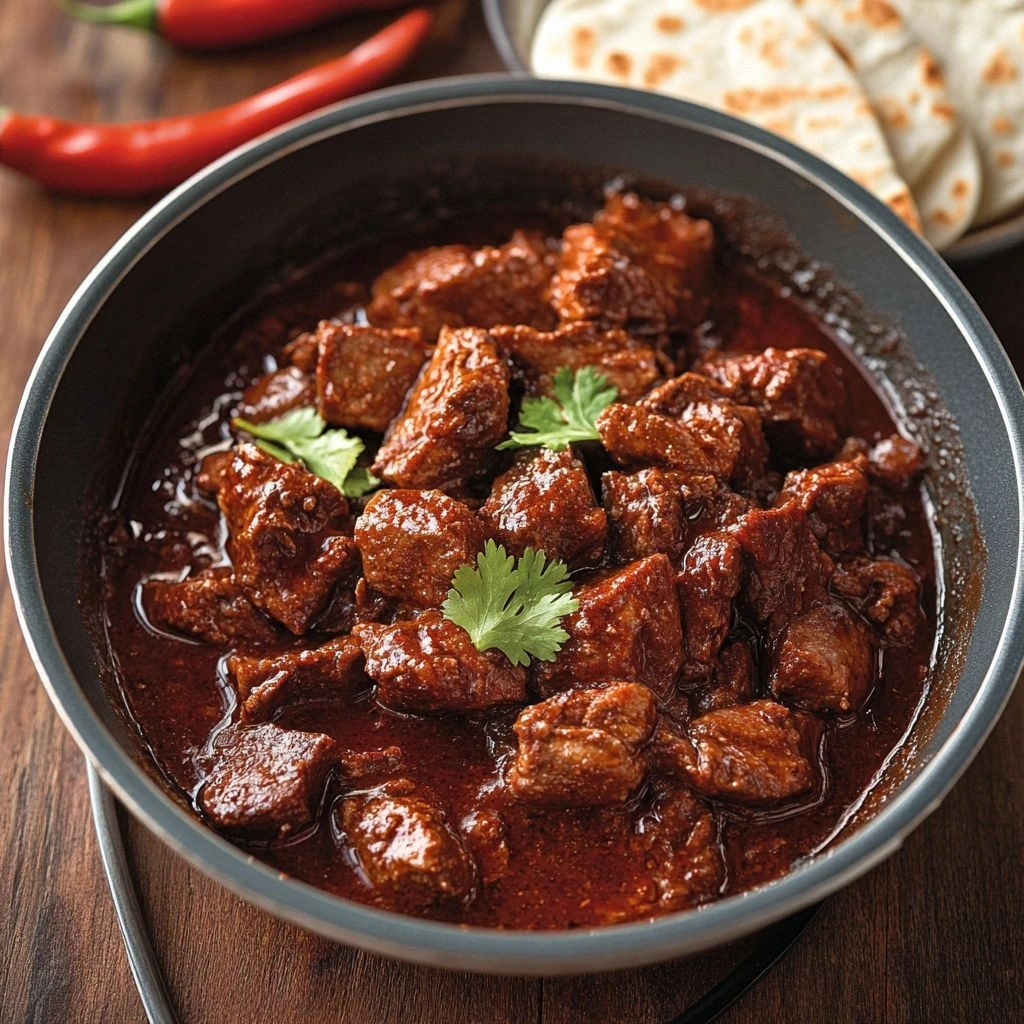
- Serve the pork over warm tortillas, rice, or mashed potatoes, spooning the rich sauce over the top. Garnish with fresh cilantro for a burst of green freshness. The dish should smell like a Mexican kitchen and taste like comfort.
That’s it — you did it. But hold on, I’ve got a few more tricks that will take this to another level.
Insider Tricks for Flawless Results
The Temperature Rule Nobody Follows
Many cooks keep the stove too hot, causing the sauce to reduce too quickly. Keep the heat low and let the pork cook gently. This ensures the meat stays moist and the sauce thickens evenly.
Why Your Nose Knows Best
Smell the sauce as it simmers. If it starts to smell overly sharp or burnt, reduce the heat immediately. Your nose is a reliable guide to prevent over‑cooking.
The 5‑Minute Rest That Changes Everything
Letting the pork rest after cooking allows the juices to redistribute. This small pause makes the meat far more tender. I’ve seen people skip this step, and the result is dry, uneven meat.
The Right Pan Matters
Use a heavy‑bottomed skillet or a Dutch oven to distribute heat evenly. A thin pan can cause hot spots that burn the sauce. A good pan is the unsung hero of a perfect carne adovada.
Don’t Forget the Oil
A splash of olive oil or avocado oil before searing adds a silky finish to the sauce. It also helps the spices adhere to the meat. Skipping the oil can make the sauce feel flat.
The Citrus Finale
Add lime juice and cilantro at the very end to preserve their bright flavors. If you add them too early, the heat can dull their freshness. This final burst of green keeps the dish lively.
Creative Twists and Variations
This recipe is a playground. Here are some of my favorite ways to switch things up:
Smoky Chipotle Kick
Swap the adobo for a chipotle‑in‑adobo sauce and add a splash of smoked paprika. The result is a dish with a deeper, smoky heat that pairs beautifully with corn tortillas.
Sweet Pineapple Fusion
Add diced pineapple to the sauce in the last 10 minutes. The natural sweetness of pineapple complements the chilies and adds a tropical twist that’s perfect for summer gatherings.
Vegetarian Adovada
Replace the pork with sliced portobello mushrooms and use vegetable broth instead of pork stock. The mushrooms absorb the sauce’s flavors, creating a hearty, plant‑based alternative.
Creamy Coconut Twist
Stir in a splash of coconut milk during the final simmer. The coconut adds a creamy richness that balances the heat and gives the dish a silky texture.
Spicy Jalapeño Burst
Dice fresh jalapeños and sauté them with the onions. This addition gives the sauce an immediate, fresh heat that’s ideal for spice lovers.
Herb‑Infused Finale
Finish the dish with a handful of fresh mint or basil instead of cilantro. The herbal notes provide a unique flavor profile that pairs well with grilled chicken or fish.
Storing and Bringing It Back to Life
Fridge Storage
Store the cooked carne adovada in an airtight container in the refrigerator for up to 4 days. The sauce will thicken slightly as it cools, but it remains delicious. When reheating, add a splash of water or broth to loosen the sauce.
Freezer Friendly
You can freeze the dish for up to 3 months. Portion into freezer bags or containers, leaving a little headspace. Thaw in the refrigerator overnight before reheating.
Best Reheating Method
Reheat the carne adovada in a skillet over low heat, stirring occasionally. Add a teaspoon of water or broth to keep the sauce from drying out. Reheat until hot, about 5–7 minutes.