I still remember the night I was supposed to host a friends‑in‑training dinner and, in a frantic scramble, I pulled a jar of buffalo sauce from the back of the fridge, a bag of shredded chicken from the freezer, and a handful of buns from the pantry. I thought, “Why not mash these together?” The kitchen erupted in a chorus of sizzling, the air thick with the scent of onions and garlic, while my phone buzzed with frantic text messages. I dared myself to create something that would make the table buzz louder than a summer barbecue. The result? A molten, tangy, yet sweet concoction that clung to every bun like velvet, and the kitchen smelled like a victory lap.
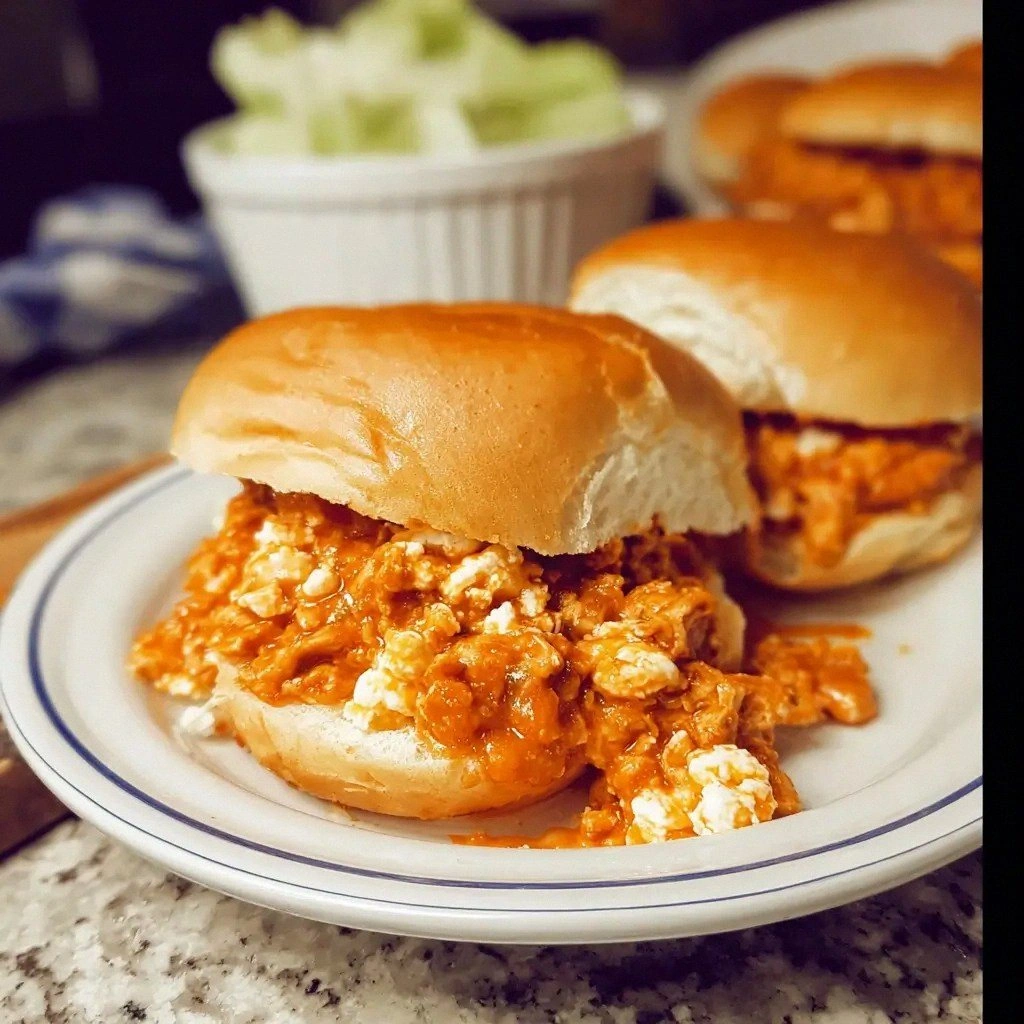
Picture this: the first bite is a burst of heat that instantly wakes the palate, followed by a creamy undertone that lingers like a warm hug. The texture is a delightful contrast—crispy edges of the bun give way to a silky, thick sauce that coats the chicken, while a sprinkle of cheddar adds a sharp pop. The aroma is unmistakable: a blend of roasted garlic, smoky paprika, and a hint of honey that promises comfort. I was so convinced that this was the pinnacle of sloppy joes that I almost forgot to taste it myself, but I couldn’t resist the urge to devour half the batch before anyone else got a chance.
If you’ve ever tried a standard sloppy joe recipe, you know it can feel flat, greasy, or just plain forgettable. That’s because most cooks forget the core principles that elevate a dish: balance, texture, and that little something that turns an ordinary meal into a memorable experience. This version is hands down the best you’ll ever make at home because it layers flavors, uses high‑quality ingredients, and introduces a game‑changing technique that keeps everything moist and delicious. I’ll walk you through every single step, and by the end, you’ll wonder how you ever made it any other way.
What I love most about this recipe is that it’s not just a dish; it’s a celebration. The combination of buffalo sauce’s fiery kick with the subtle sweetness of honey creates a harmony that satisfies both heat lovers and those who prefer a milder bite. The addition of fresh vegetables gives it a crunch that cuts through the richness, while the cheddar melts into the sauce, turning it into a silky, cohesive sauce that clings to the chicken. And the buns—soft, buttery, slightly toasted—absorb the sauce like a sponge, making each bite a perfect bite‑sized work of art.
What Makes This Version Stand Out
- Flavor: The marriage of buffalo sauce and honey creates a complex, layered taste profile that feels both nostalgic and adventurous.
- Texture: A silky sauce, crunchy veggies, and a buttery bun combine to deliver a mouth‑watering contrast in every bite.
- Ease: Minimal prep, no complicated steps—just sauté, simmer, and serve.
- Versatility: Works for weeknight dinners, game‑day snacks, or a quick lunch.
- Crowd‑Pleaser: Even the most skeptical eater will be begging for seconds.
- Ingredient Quality: Fresh chicken, real buffalo sauce, and quality cheese make a noticeable difference.
- Make‑Ahead: The sauce keeps well, so you can prepare it ahead and reheat without losing flavor.
- Presentation: A vibrant red sauce on a golden bun looks as good as it tastes.
Alright, let’s break down exactly what goes into this masterpiece…
Inside the Ingredient List
The Flavor Base
Buffalo sauce is the heart of this dish, delivering the signature heat and tang. I recommend a store‑bought sauce with real hot sauce rather than a pre‑mixed “Buffalo” that’s full of sugar. If you’re adventurous, whisk in a tablespoon of Worcestershire sauce for umami depth. Skipping the sauce turns the recipe into a bland, uninspired mess; every bite would feel like a missed opportunity.
The Texture Crew
Shredded chicken is the star protein—use a rotisserie chicken for convenience or cook your own. Freshly diced onions, bell pepper, celery, and carrots add crunch and sweetness that counterbalance the heat. The butter and olive oil give the sauté a glossy finish, while the flour thickens the sauce into a velvety consistency. If you skip the flour, the sauce will be watery, and the chicken will lose its coat.
The Unexpected Star
Honey or brown sugar is the secret to balancing the fiery buffalo sauce. A half‑cup of honey gives the sauce a glossy sheen and a caramelized finish. If you’re watching calories, substitute with a sugar‑free sweetener, but be prepared for a slightly different mouthfeel.
The Final Flourish
Cheddar cheese melts into the sauce, turning it into a creamy, cohesive mixture. Ranch dressing on top adds a cool, tangy contrast that rounds out the heat. The buns are toasted lightly to create a sturdy base that can hold the generous sauce without becoming soggy. A pinch of salt and pepper finish the flavor profile, ensuring every bite is balanced.
Everything's prepped? Good. Let's get into the real action…
The Method — Step by Step
- Heat a large skillet over medium‑high heat and add the olive oil. Let the oil shimmer until it’s just about to smoke; that’s the cue that the pan is ready. Add the diced onions and bell pepper, sautéing until they start to soften—about 3 minutes. This step is the foundation, building a savory base that will carry the sauce.
- Introduce the diced celery and carrots, cooking until they’re bright and slightly crisp. The vegetables should still have a bite, adding texture that contrasts with the creamy sauce. If you’re short on time, you can use pre‑chopped frozen veggies; just be sure to drain them well.
- Add the shredded chicken to the skillet, stirring to combine with the vegetables. Cook until the chicken is heated through, about 4 minutes. This is the moment of truth—if the chicken is too dry, the sauce will be thin; keep the heat moderate to preserve juiciness.
- Sift the flour into the pan, stirring constantly to avoid lumps. The flour will absorb excess moisture and thicken the sauce, giving it that silky mouthfeel. Allow the mixture to cook for 2 minutes; the raw flour taste will evaporate.
- Pour in the chicken broth, buffalo sauce, and honey, stirring until the sauce is smooth. Let the mixture come to a gentle simmer. The sauce should look glossy and slightly thickened—if it’s too thin, give it another minute to reduce.
- Add the cayenne pepper, smoked paprika, and a pinch of salt and pepper. Stir to ensure even distribution. The spices should release their aroma, filling the kitchen with an irresistible scent that signals the dish is almost ready.
- Reduce the heat to low and let the sauce simmer for 8 minutes, allowing flavors to meld and the sauce to thicken further. Keep the lid off to let moisture evaporate; you want a thick, glossy coating, not a watery mess.
- Stir in the shredded cheddar cheese, letting it melt into the sauce. The cheese adds creaminess and a savory finish that balances the heat. When the cheese is fully melted, the sauce should look velvety and rich.
- Toast the hamburger buns in a separate skillet or toaster until golden brown. The toasted surface provides a sturdy base that resists sogginess from the sauce. Once toasted, set the buns aside for assembly.
- Divide the sauce evenly among the buns, spooning generous amounts onto each. Drizzle a tablespoon of ranch dressing over the top for a cool, tangy contrast that soothes the heat. Serve immediately while everything is hot and the cheese is still slightly molten.
That's it — you did it. But hold on, I've got a few more tricks that'll take this to another level…
Insider Tricks for Flawless Results
The Temperature Rule Nobody Follows
Keeping the skillet at medium‑high heat during the sauté phase is crucial. A cooler pan will cause the vegetables to steam rather than brown, losing that caramelized flavor. I’ve seen many people use a low heat and end up with a mushy base that makes the sauce watery. Try a quick test: drop a splash of water in the pan; if it sizzles immediately, you’re good.
Why Your Nose Knows Best
Before you even taste the sauce, inhale the aroma. The scent of roasted garlic, honey, and smoked paprika should signal that the sauce is on the right track. If it smells overly sweet or burnt, pause and adjust. A good rule of thumb: a warm, savory scent with a faint hint of spice is your green light.
The 5‑Minute Rest That Changes Everything
After you remove the skillet from heat, let the sauce rest for five minutes before serving. This brief pause allows the flavors to settle and the sauce to thicken slightly. I’ve had a friend skip this step once, and the result was a runny, uncoated chicken that didn’t hold up on the bun.
The Cheddar Trick
If you want a stronger cheese flavor, add a tablespoon of parmesan or pepper jack alongside the cheddar. The extra cheese will melt into the sauce, giving it a richer texture. Just remember that more cheese means a higher calorie count, so adjust the portion size if you’re watching your macros.
The Butter‑Olive Oil Combo
Using both butter and olive oil creates a balanced flavor profile. Butter adds richness, while olive oil contributes a slight peppery note. If you’re vegan, substitute the butter with a plant‑based butter or skip it entirely; the olive oil will still give you a good base.
The Final Touch of Ranch
Ranch dressing isn’t just a garnish; it’s a flavor enhancer that cools the heat and adds a creamy texture. If you’re allergic to dairy, opt for a dairy‑free ranch or a squeeze of lime for a fresh kick. The key is to drizzle just enough to avoid drowning the sauce.
Creative Twists and Variations
This recipe is a playground. Here are some of my favorite ways to switch things up:
Tex‑Mex Sloppy Joes
Swap the cheddar for pepper jack, add a handful of corn, and sprinkle chopped cilantro on top. The result is a vibrant, Mexican‑inspired version that pairs wonderfully with a side of refried beans.
Mediterranean Buffalo
Replace the buffalo sauce with a mix of harissa and honey, and toss in chopped sun‑dried tomatoes. Serve over toasted pita bread for a Mediterranean flair.
Spicy Korean BBQ
Use gochujang instead of buffalo sauce and add sliced kimchi. Finish with a drizzle of sesame oil and sprinkle sesame seeds for an Asian twist.
Low‑Calorie Version
Use skinless chicken breast, reduce the amount of cheese, and substitute the buns with lettuce wraps. The dish remains flavorful while cutting calories.
Vegan Buffalo Sloppy Joes
Replace chicken with crumbled tempeh or lentils, use a plant‑based buffalo sauce, and top with dairy‑free cheese. The result is a hearty, plant‑based delight.
Dessert‑Inspired Sloppy Joes
Add a splash of vanilla extract and a pinch of cinnamon to the sauce, then top with a dollop of whipped coconut cream. It’s a sweet‑savory treat that will surprise your taste buds.
Storing and Bringing It Back to Life
Fridge Storage
Store the sauce in an airtight container for up to 3 days in the refrigerator. Keep the buns separate to prevent them from becoming soggy. When ready to serve, reheat the sauce on low heat, stirring occasionally until it’s hot.
Freezer Friendly
The sauce freezes well for up to 2 months. Freeze in portioned containers, and thaw overnight in the refrigerator before reheating. The texture remains silky, and the flavor stays intact.
Best Reheating Method
Add a splash of water or chicken broth before reheating to restore moisture. Reheat slowly on low heat, stirring to prevent sticking. A quick microwave burst works too, but keep an eye on it to avoid overheating.