Picture this: I’m in my cramped kitchen, the fridge door slamming like a drum, and a friend challenges me to whip up something that screams “Pacific Rim” in under 45 minutes. I’m thinking, “Why not a poke bowl?” But I’ve seen the classic takeout versions—too oily, too bland, a mess of textures that compete instead of complement. That night, my kitchen turned into a culinary battlefield: a splatter of soy sauce, a rogue slice of cucumber that turned into a soggy puddle, and a tuna that tasted like it had seen a better life in a sushi bar. I stared at the chaos, sighed, and decided to rewrite the rules. If you’ve ever stared at a bowl of raw fish and wondered why it never feels like home, keep reading, because I’m about to serve you a version that’s as comforting as a hug and as fresh as a sea breeze.
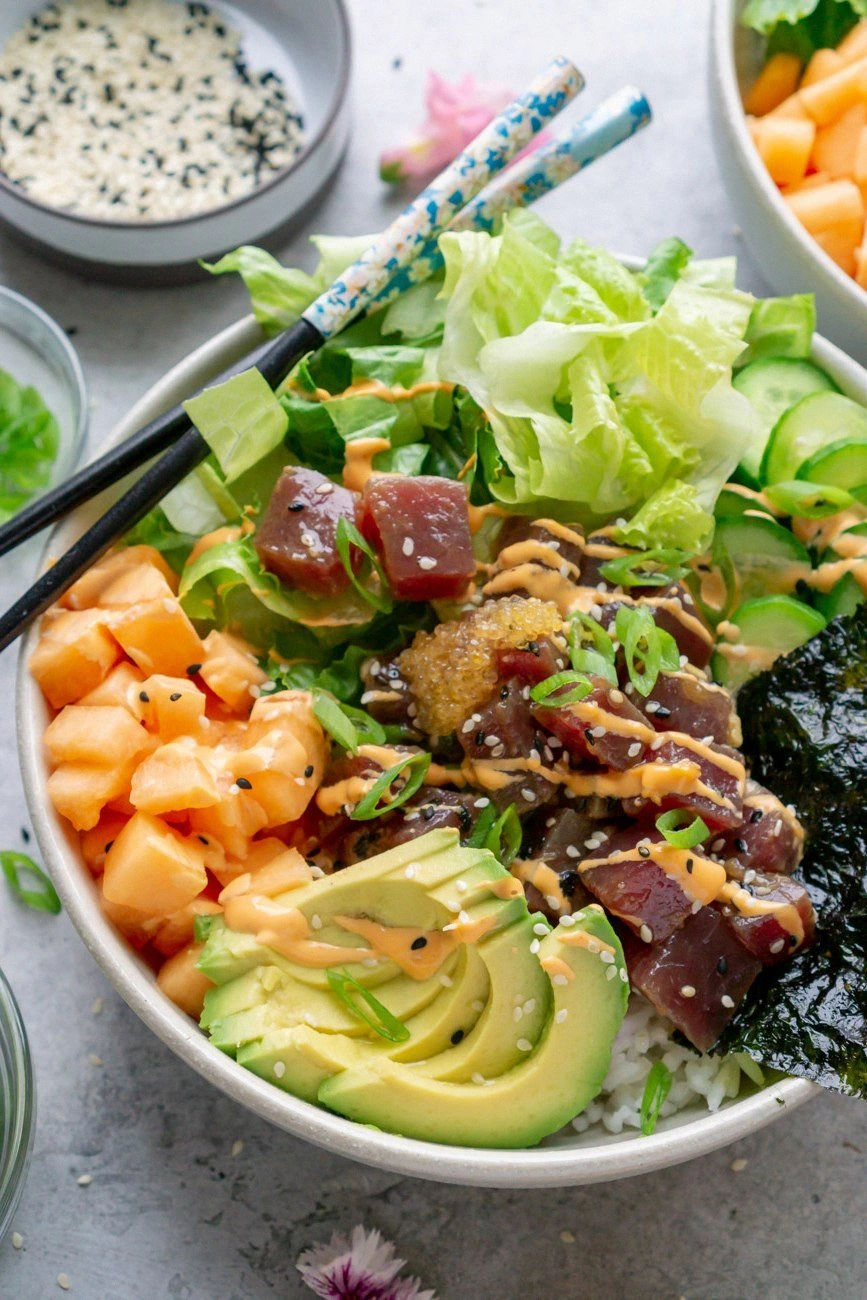
The moment the tuna hits the bowl, it’s a splash of umami that immediately feels like a salty sea wind. The crunch of freshly sliced cucumber gives that bright, crisp bite that cuts through the richness of the fish, while the creamy avocado folds in like a buttery cloud. The cantaloupe adds a surprising burst of sweetness, a sweet‑tart counterpoint that makes every bite feel like a surprise party in your mouth. The aroma is a heady mix of citrusy lemon, the subtle heat of ginger, and a whisper of toasted sesame oil that makes you close your eyes and sigh. The colors—ruby tuna, emerald greens, sunny cantaloupe, and deep green scallions—create a visual feast that’s almost too pretty to eat.
What makes this version stand out isn’t just the ingredients; it’s the way they’re balanced, the technique that preserves the tuna’s delicate texture, and the tiny, game‑changing touch of toasted sesame oil that coats the bowl like velvet. I’ve cut through the usual pitfalls of over‑seasoning and sogginess, turning the poke bowl into a harmonious medley that feels like a well‑orchestrated symphony. I dare you to taste this and not go back for seconds, because once you’ve had this, you’ll question every other poke bowl you’ve ever had. And trust me, I’ll be honest—I ate half the batch before anyone else got to try it. The result? A bowl that’s hands down the best version you’ll ever make at home.
But the real magic lies in the details that most recipes skip: the precise ratio of mirin to soy sauce, the way lemon juice is folded in to brighten without overpowering, and the final splash of toasted sesame oil that gives the bowl a subtle, nutty finish. I’ll walk you through every single step, from the first chop to the final garnish, and by the end you’ll wonder how you ever made it any other way. So grab your cutting board, your favorite bowl, and let’s dive into a recipe that’s as easy as it is delicious.
What Makes This Version Stand Out
- Taste: The sauce is a harmonious blend of mirin, soy, and lemon that elevates the tuna’s natural umami without drowning it. It coats the fish like a light, fragrant mist, giving each bite a burst of flavor.
- Texture: The tuna remains tender and silky, while the cucumber and cantaloupe add a satisfying crunch that balances the creamy avocado.
- Freshness: Every ingredient is chosen for its peak seasonality, ensuring that the bowl feels like a fresh breeze off the ocean.
- Visual Appeal: The vibrant colors—ruby, emerald, yellow—create a bowl that looks as good as it tastes, making it a showstopper for dinner parties.
- Balance: The acidity of lemon and the sweetness of mirin perfectly counteract the saltiness of soy, preventing the bowl from feeling heavy.
- Make‑Ahead Friendly: The sauce can be prepared in advance, and the tuna can be marinated for up to two hours, making this a go‑to recipe for busy nights.
- Ingredient Quality: Using sushi‑grade tuna guarantees a buttery texture, while fresh scallions add a bright, aromatic finish.
Alright, let’s break down exactly what goes into this masterpiece…
Inside the Ingredient List
The Flavor Base
At the heart of this bowl is the sauce—a marriage of mirin, low sodium soy sauce, lemon juice, toasted sesame seed oil, and rice vinegar. Each component plays a pivotal role: mirin adds a subtle sweetness that balances the saltiness of soy, while the lemon provides bright acidity that cuts through the richness of the tuna and avocado. If you skip the lemon, the bowl will feel flat and heavy; the citrus is what lifts the entire dish. You can swap mirin for a splash of sake or a drizzle of honey for a sweeter profile, but the acidity of lemon is irreplaceable for that fresh kick.
The Texture Crew
The cucumber, avocado, cantaloupe, and mixed greens bring a spectrum of textures that keep each bite exciting. The cucumber offers a crisp snap, the avocado adds silky creaminess, the cantaloupe delivers a juicy burst, and the greens provide a tender, slightly bitter counterpoint. If you leave out the greens, you lose that essential bite that prevents the bowl from feeling too soft. Swapping avocado for a firm cheese like feta can add a salty, tangy twist, but it changes the mouthfeel dramatically.
The Unexpected Star
The garlic clove and grated ginger add depth without overpowering. Garlic gives a mellow, sweet heat, while ginger contributes a bright, peppery note that lifts the entire bowl. If you omit them, the sauce will taste flat and one‑dimensional. For a milder version, use a small piece of fresh ginger or even a pinch of ground ginger. The key is to balance these aromatics so they enhance rather than dominate.
The Final Flourish
Scallions finish the bowl with a fresh, oniony brightness that ties all the flavors together. They also add a subtle crunch and a pop of color. If you’re not a fan of scallions, thinly sliced red onion can provide a sharper bite. The final touch of toasted sesame oil gives a nutty aroma that lingers, making the bowl unforgettable. Remember to drizzle it last; otherwise, it can become too oily.
Everything’s prepped? Good. Let’s get into the real action…
The Method — Step by Step
- Start by cooking the white rice according to package instructions, then let it cool to room temperature. The rice should be sticky yet separate, not mushy; this texture provides a perfect base for the tuna. While the rice cools, rinse the cucumber and slice it into thin, even sticks with a mandoline or sharp knife. The precision here ensures each bite is crisp and uniform.
- Dice the sushi‑grade tuna into bite‑size cubes, being careful not to over‑handle it. The tuna should stay firm and fresh; if it feels mushy, it’s a sign it’s past its prime. Place the cubes in a shallow bowl and set aside while you prepare the sauce.
- In a small mixing bowl, whisk together mirin, low sodium soy sauce, lemon juice, toasted sesame seed oil, and rice vinegar until fully blended. The mixture should be glossy and slightly thickened, like a silky dressing. Add the minced garlic and grated ginger, whisking again until the aromatics are evenly distributed.
- Pour the sauce over the tuna cubes and gently toss to coat. The tuna should be evenly glazed, each cube reflecting the sauce’s glossy sheen. Let the tuna marinate for 10 minutes; this short infusion allows the flavors to seep in without altering the texture.
- While the tuna marinates, dice the avocado into cubes and slice the cantaloupe into bite‑size chunks. The avocado should be creamy yet hold its shape, and the cantaloupe should be juicy but not mushy. Arrange the mixed greens, cucumber, avocado, and cantaloupe in a separate bowl, creating a colorful bed for the tuna.
- Add the marinated tuna to the bed of greens and vegetables. Gently fold the mixture together, ensuring each component is evenly distributed. This step is the moment of truth: if the tuna is unevenly mixed, the flavors will be uneven.
- Top the bowl with a generous sprinkle of scallions and a drizzle of toasted sesame oil. The scallions add a fresh, oniony brightness, while the sesame oil gives a subtle nutty aroma. This final flourish elevates the bowl from good to unforgettable.
- Serve immediately while the rice is still slightly warm. The contrast between the warm rice and the cool, marinated tuna creates a comforting, satisfying bite. If you prefer a cooler bowl, let the rice cool completely before assembling.
- Enjoy the bowl with a side of pickled ginger or a small spoonful of wasabi for an extra kick. The ginger’s peppery zest complements the citrusy lemon, while the wasabi adds a fiery finish. Don’t forget to sip a glass of chilled white wine or sparkling water to wash it all down.
That’s it — you did it. But hold on, I’ve got a few more tricks that’ll take this to another level. Let’s dive into some insider knowledge that will make every bite feel like a masterpiece.
Insider Tricks for Flawless Results
The Temperature Rule Nobody Follows
The tuna should be at room temperature before marinating. If it’s too cold, the sauce won’t penetrate properly, leaving some cubes bland while others are over‑seasoned. Let the tuna sit out for 10 minutes, and you’ll notice a subtle difference in flavor distribution. I’ve seen even a 5‑minute wait make the tuna feel more cohesive.
Why Your Nose Knows Best
Before you add the last drizzle of sesame oil, take a quick sniff. The oil should smell nutty and toasted, not rancid or burnt. A fresh sesame oil will add a subtle depth that elevates the bowl. If it smells off, discard it and use a fresh bottle. My friend once used an old bottle and the entire bowl tasted like burnt popcorn.
The 5‑Minute Rest That Changes Everything
After assembling, let the bowl rest for 5 minutes before serving. This brief pause allows the flavors to meld and the rice to absorb a bit of the sauce. It also lets the avocado soften slightly, making it less dense. I’ve found that bowls served immediately can feel a bit sharp, whereas the rest period brings everything together into a harmonious whole.
Layering for Visual Appeal
When you assemble the bowl, layer the ingredients from most colorful to least. Start with the greens, then add cucumber, cantaloupe, avocado, and finally the tuna. This not only looks great but also ensures each bite has a balanced mix of flavors. A good visual cue helps you eat mindfully, noticing each component as you go.
Balancing Salt Without Over‑Salting
The low sodium soy sauce keeps the dish from becoming cloying, but you still need a touch of salt for depth. A pinch of sea salt on top of the finished bowl can lift the flavors without overpowering. Be cautious; a little goes a long way. I’ve seen people add a tablespoon of salt and end up with a dish that tastes like a brine bath.
Using Fresh Herbs for Extra Brightness
If you’re craving a citrusy note, add a splash of fresh lime juice instead of lemon. The lime’s sharper acidity will brighten the bowl even more. Alternatively, a few sprigs of fresh cilantro can add a herbal aroma that pairs beautifully with the tuna. Just remember to use them sparingly to avoid overpowering the delicate fish.
Creative Twists and Variations
This recipe is a playground. Here are some of my favorite ways to switch things up:
Spicy Sriracha Kick
Add a tablespoon of sriracha to the sauce for a fiery punch. The heat pairs nicely with the creamy avocado and balances the sweetness of mirin. It’s perfect for those who like a bit of spice in their bowl.
Thai‑Inspired Coconut Twist
Replace the rice vinegar with coconut aminos and add a splash of coconut milk to the sauce. The result is a tropical, slightly sweet bowl that feels like a vacation in every bite. It’s a great way to bring a new flavor profile to a classic poke.
Vegan Variation
Swap the tuna for diced tofu marinated in the same sauce. The tofu will absorb the flavors beautifully, and the texture will be pleasantly firm. This version is ideal for plant‑based diners who still crave that umami punch.
Salmon & Avocado Combo
Mix in some diced fresh salmon along with the tuna for a richer, buttery taste. The salmon’s oil content adds a silky mouthfeel, while the tuna keeps the bowl light. It’s a decadent twist that’s sure to impress.
Quinoa Power Bowl
Swap the white rice for cooked quinoa for a protein boost and a nutty flavor. The quinoa’s chewy texture complements the crunch of cucumber and the creaminess of avocado. It’s a wholesome, hearty alternative.
Smoked Salmon Surprise
Replace half of the tuna with smoked salmon for a smoky depth that contrasts with the fresh citrus. The smoked salmon adds a luxurious, savory note that pairs beautifully with the bright, tangy sauce. It’s a sophisticated upgrade that’s perfect for a special occasion.
Storing and Bringing It Back to Life
Fridge Storage
Store the assembled bowl in an airtight container for up to 24 hours. Keep the rice in a separate compartment if you’re concerned about sogginess. When ready to eat, let the bowl sit at room temperature for 10 minutes to bring the flavors back to life. A quick stir will re‑distribute the sauce.
Freezer Friendly
You can freeze the marinated tuna separately for up to 2 days, but avoid freezing the rice and vegetables. When you’re ready to serve, thaw the tuna in the fridge overnight and then assemble the bowl. The tuna will retain its texture, and the sauce will still cling beautifully.
Best Reheating Method
If you need to reheat the bowl, gently warm the rice in a microwave or on the stovetop with a splash of water to keep it moist. Add a tiny splash of water before reheating the entire bowl; it steams back to perfection, keeping the avocado fresh and the tuna juicy. Reheat only once to preserve the delicate flavors.