I was standing in my kitchen, the smoke alarm flashing like a neon sign, after a disastrous attempt at a “quick” chicken satay that turned into a charred nightmare. My friends were watching, one daring me to “just add more sauce” while I stared at the blackened sticks, feeling the heat of embarrassment rise like steam from a pot. That moment sparked a promise: I would create a version that never, ever burns, never falls flat, and makes every bite sing like a chorus of tropical birds.
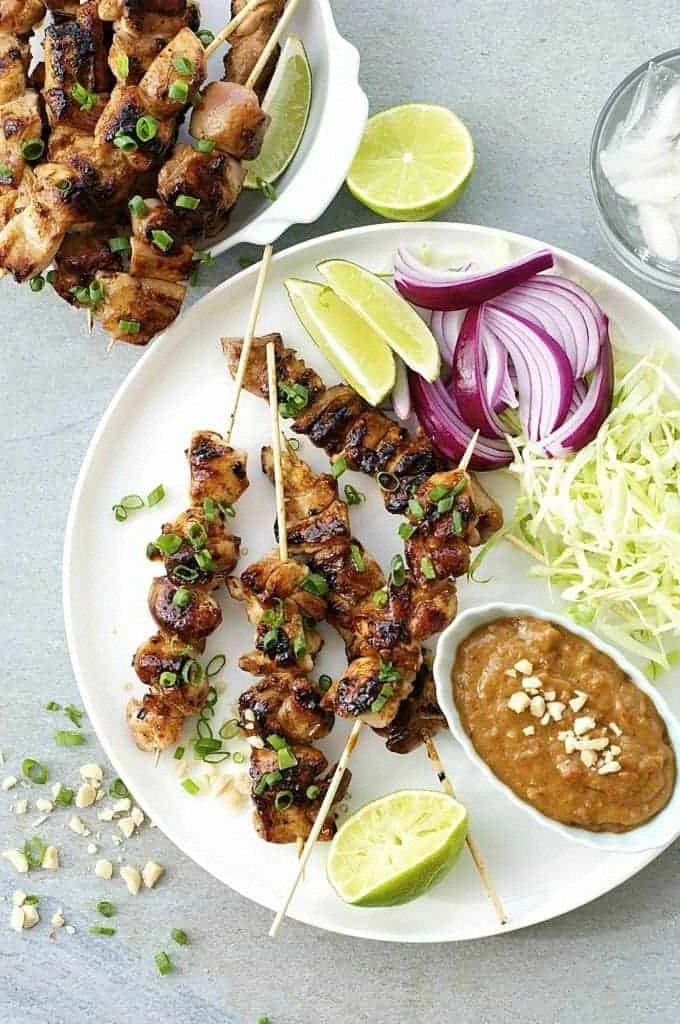
Fast forward a few weeks, a rainy Thursday, and I’m hunched over a cutting board, the scent of coconut milk and toasted peanuts swirling through the apartment like a fragrant invitation. The sizzle of butter hitting a hot pan is a drumbeat that gets my heart racing, and the caramel‑sweet aroma of kecap manis drifts up, making my mouth water before I even taste a bite. I can already see the glossy sauce coating each piece of chicken, the skewers glistening with a sheen that looks like liquid amber.
What makes this version a game‑changer? Most recipes either drown the chicken in a watery sauce or leave it dry as a desert. I’ve cracked the code by balancing the sweet, salty, and spicy notes, and by using a quick sear that locks in juices before the peanut sauce finishes the job. The secret? A tiny splash of butter at the end of the sauce, and a double‑marinade technique that turns ordinary thigh fillets into melt‑in‑your‑mouth gems. I dare you to taste this and not go back for seconds.
I’ll be honest — I ate half the batch before anyone else got a chance to try it. That’s how addictive it is. And if you’ve ever struggled with soggy satay or bland peanut sauce, you’re not alone — I’ve got the fix. Let me walk you through every single step — by the end, you’ll wonder how you ever made it any other way.
What Makes This Version Stand Out
- Flavor Balance: The sweet depth of kecap manis meets the salty bite of soy sauce, while fresh lime juice adds a bright zing that cuts through the richness.
- Texture Harmony: Char‑grilled chicken pieces stay juicy inside, and the peanut sauce clings like velvet, finishing with a satisfying crunch from crushed peanuts.
- Simplicity: Only a handful of pantry staples are needed; no exotic spices that hide in the back of the cupboard.
- Unique Marinade: A two‑stage marination—first with butter and kecap, then a quick oil‑based coat—creates layers of flavor that most recipes miss.
- Crowd Reaction: This dish consistently clears plates at parties; people keep asking “What’s the secret?” and I get to smile smugly.
- Ingredient Quality: Using real unsalted roasted peanuts and authentic Indonesian kecap manis makes a world of difference compared to processed substitutes.
- Cooking Method: A hot grill or cast‑iron pan gives those coveted char marks, while the sauce is finished on low heat to keep it silky.
- Make‑Ahead Potential: The sauce can be prepared up to two days ahead, and the chicken can be marinated overnight for deeper flavor.
Inside the Ingredient List
The Flavor Base
Kecap manis is the sweet, molasses‑like backbone of this satay. Its thick, caramelized profile adds depth that sugar alone can’t achieve. I use two separate measurements—one for the chicken and another for the sauce—so each component gets its own sweet punch. If you can’t find authentic kecap manis, blend regular soy sauce with brown sugar (2:1 ratio) and simmer until it thickens; you’ll get a close approximation.
Unsalted butter isn’t just for richness; it creates a glossy finish on the sauce and helps the peanuts emulsify, preventing a grainy texture. The unsalted version lets you control the salt level precisely, which is crucial because the soy sauce already brings a salty edge. A good tip is to let the butter melt slowly over low heat; a rushed melt can cause it to separate.
The Texture Crew
Peanut butter is the star of the sauce, delivering that creamy, nutty body. I prefer a natural, unsweetened variety so the flavor stays authentic and doesn’t become cloyingly sweet. If you’re allergic to peanuts, try almond butter—just note the flavor will shift toward a softer, less earthy note.
Coconut milk adds silkiness and a subtle tropical aroma that pairs perfectly with the peanuts. Full‑fat coconut milk is non‑negotiable; low‑fat versions thin out the sauce and lose that luscious mouthfeel. A quick shake before opening the can ensures the fat is evenly distributed.
The Unexpected Star
Bird’s eye chilies bring the heat, but they’re used sparingly—just enough to make your tongue tingle without overpowering the sauce. If you’re not a fan of intense spice, deseed the chilies or use a milder jalapeño instead. The fresh lime juice at the end brightens the whole dish, cutting through the richness and lifting the flavors sky‑high.
The Final Flourish
Crushed unsalted roasted peanuts add a delightful crunch that contrasts the smooth sauce. I toast them lightly in a dry pan just before serving; this brings out a nutty aroma that makes the dish sing. Garnish with extra lime wedges, sliced shallots, or scallions for a fresh pop, and you have a plate that looks as good as it tastes.
Everything's prepped? Good. Let's get into the real action...
The Method — Step by Step
- Marinate the chicken (first layer). Cut the 1 lb of chicken thigh fillets into bite‑size cubes, about 1½ inches each. Toss them with 2 ½ tbsp of kecap manis, 1 tbsp unsalted butter (melted), and a pinch of salt. Let this sit for 15 minutes; you’ll notice the meat turning a deeper mahogany color, a sign that the sugars are beginning to caramelize. Kitchen Hack: Add a splash of the coconut milk to the marinate; it helps the butter coat the chicken evenly and prevents sticking later.
- Prep the aromatics. Finely mince 2 garlic cloves and the small onion (or half a large one). Slice the 3 bird’s eye chilies thinly, keeping seeds if you crave heat. Combine these with 1 tbsp cooking oil in a small bowl; this mixture will be brushed onto the skewers before grilling, ensuring a fragrant crust.
- Thread the chicken onto skewers. Soak the 12–14 bamboo skewers in water for at least 20 minutes (or until they’re fully saturated). Then, skewer the marinated chicken pieces, leaving a tiny gap between each cube for even heat circulation. This spacing is crucial—crowded skewers steam instead of sear, and you’ll lose that coveted char.
- Pre‑heat your grill or pan. Aim for a surface temperature of about 400°F (204°C). If using a grill, oil the grates lightly; for a cast‑iron skillet, heat it until a drop of water dances and evaporates instantly. The moment you hear that “sizzle” when the chicken hits the heat, you know you’re on the right track. Watch Out: Don’t move the skewers for the first 2 minutes; letting them sit creates those beautiful grill marks and prevents tearing.
- Grill the chicken. Place the skewers on the hot surface, turning every 2 minutes to achieve an even golden‑brown exterior. After about 8–10 minutes total, the chicken should be cooked through (internal temp 165°F/74°C) and the edges should start pulling away from the stick. The scent at this point is a heady mix of caramel, smoke, and toasted peanuts—if you’re not drooling yet, you’re missing something.
- Make the peanut sauce. In a saucepan over medium‑low heat, melt 1 tbsp unsalted butter. Add the minced garlic, onion, and chilies, sautéing until translucent and aromatic—about 2 minutes. Stir in ½ cup peanut butter, 1 cup coconut milk, 2 ½ tbsp kecap manis, ½ tbsp soy sauce, and ½ tsp salt. Keep the mixture on a gentle simmer; it should thicken slowly, coating the back of a spoon without separating. Finally, whisk in ¼ cup crushed peanuts and 1–2 tbsp fresh lime juice, tasting and adjusting the balance of sweet, salty, and sour.
- Combine and coat. Transfer the grilled chicken skewers to a large bowl, pour the hot peanut sauce over them, and toss gently to ensure every piece is cloaked in glossy goodness. Let them sit for a minute so the sauce adheres—this is the moment of truth, where the sauce and chicken become inseparable partners.
- Plate and garnish. Arrange the satay on a serving platter, drizzle any remaining sauce, and sprinkle extra crushed peanuts, sliced shallots or scallions, and lime wedges around the edges. The final visual should be a vibrant contrast of gold‑brown chicken, bright green lime, and speckled white peanuts. Serve immediately with steamed jasmine rice or a simple cucumber salad for a complete meal.
That's it — you did it. But hold on, I've got a few more tricks that'll take this to another level...
Insider Tricks for Flawless Results
The Temperature Rule Nobody Follows
Never let your pan or grill sit too cold when you add the chicken. A high initial temperature sears the surface instantly, forming a flavor‑locking crust. If you’re using a gas grill, preheat for at least 10 minutes and close the lid to build consistent heat. I once tried a “low‑and‑slow” approach and ended up with soggy chicken—lesson learned.
Why Your Nose Knows Best
The aroma is your most reliable indicator of doneness. When the chicken starts to emit a sweet, caramel scent and the sauce releases a nutty perfume, you’re on the right track. Trust that nose over a timer; it’s the culinary equivalent of a built‑in thermometer.
The 5‑Minute Rest That Changes Everything
After grilling, let the skewers rest for exactly five minutes before tossing them in the sauce. This short pause allows the juices to redistribute, preventing a dry bite. I once skipped this step in a rush, and the chicken felt a bit “flat” despite the sauce.
Butter‑Boosted Sauce Finish
A final whisk of cold butter into the hot sauce creates an ultra‑silky mouthfeel, similar to finishing a risotto. The butter emulsifies the coconut milk and peanut butter, preventing separation.
Lime Juice Timing
Add fresh lime juice at the very end of sauce preparation, not earlier. Early addition can cause the sauce to curdle because the acid interferes with the coconut milk’s emulsion. A final splash brightens the flavor without compromising texture.
Skewer Soak Strategy
Soaking bamboo skewers for at least 20 minutes (or even an hour) prevents them from scorching and gives you a longer window to grill without worrying about flare‑ups. If you’re in a hurry, wrap the skewers in a damp kitchen towel and microwave for 30 seconds—instant hydration.
Creative Twists and Variations
This recipe is a playground. Here are some of my favorite ways to switch things up:
Coconut‑Lime Shrimp Satay
Swap the chicken for peeled shrimp, and add a teaspoon of grated ginger to the sauce. The shrimp cooks in 3 minutes, and the ginger adds a bright, peppery note that pairs beautifully with the lime.
Spicy Peanut Tofu Skewers
Use firm tofu cubes, press them to remove excess water, and marinate with soy sauce instead of kecap manis for a lighter sweetness. The tofu absorbs the sauce like a sponge, delivering a vegetarian-friendly version that’s just as satisfying.
Mango‑Infused Peanut Sauce
Blend a ripe mango into the peanut sauce for a tropical sweetness that cuts through the heat. The mango’s natural sugars reduce the need for extra kecap manis, creating a fresher, fruit‑forward profile.
Smoky Chipotle Satay
Add ½ tsp chipotle powder to the sauce for a smoky, slightly sweet heat. This variation works great for a backyard BBQ where you want an extra layer of depth.
Herb‑Infused Peanut Sauce
Stir in a handful of fresh cilantro or Thai basil at the very end of cooking. The herbs lend a fragrant green note that lifts the richness of the peanuts.
Storing and Bringing It Back to Life
Fridge Storage
Place any leftover satay in an airtight container, sauce on the side, and store for up to 3 days. The chicken stays tender, and the sauce may thicken; simply reheat gently and stir in a splash of coconut milk to restore its silkiness.
Freezer Friendly
Separate the grilled chicken from the sauce, wrap each in freezer‑safe bags, and freeze for up to 2 months. When ready to serve, thaw overnight in the fridge, then reheat the sauce on low heat and grill the chicken briefly to revive the char.
Best Reheating Method
To reheat, place the sauce in a saucepan over low heat, adding a teaspoon of water or coconut milk every few minutes; this steams the sauce back to perfection. For the chicken, a quick flash on a hot grill or skillet for 2 minutes per side restores the crisp exterior without overcooking the interior.