It started with a kitchen catastrophe that would later become my secret sauce: I was juggling a pan of caramelized onions, a sheet of chicken, and a splash of wine when the heat got too high and the onions exploded like tiny fireworks. The aroma that filled the room was a bittersweet blend of sweet onion, garlic, and a hint of caramel that made my taste buds dance even before I tasted the dish. That moment of chaos turned into a revelation—what if the onion’s natural sweetness could be coaxed into a savory, melty masterpiece that feels like a hug in every bite? I was determined to create a dish that would make even the most skeptical foodie sigh in delight.
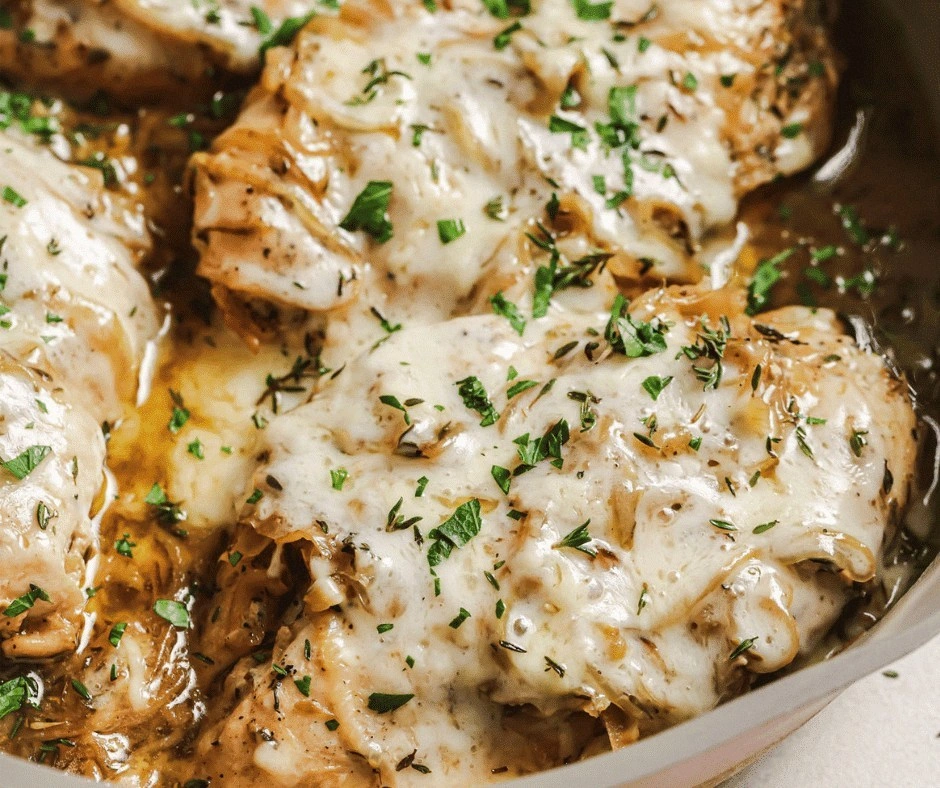
Picture this: a golden crust on the chicken that cracks like brittle toast, a layer of melted provolone and gruyère that oozes into every crevice, and a sauce that’s as silky as a French silk scarf draped over a plate. The sound of the onions sizzling against the pan is a low, comforting rumble that signals the beginning of something extraordinary. The first bite is a symphony of sweet, umami, and a hint of herbaceous thyme that lingers long after the last crumb. If you’ve ever struggled with balancing sweet and savory, you’ll find this dish a masterclass in harmony.
I dare you to taste this and not go back for seconds—though I’m pretty sure you’ll want a third plate. The secret? A careful layering of flavors that starts with a slow caramelization of onions, followed by a deglazing with white wine that brings a bright, acidic lift, and a final flourish of fresh herbs that keep the dish bright. The result is a dish that feels both comforting and sophisticated, like a cozy blanket wrapped around a gourmet dinner. This is hands down the best version you’ll ever make at home, and it’s built around a few simple, high-impact techniques that I’ll reveal step by step.
I’ll be honest—when I first tried this, I ate half the batch before anyone else got a taste. The rest of the family called it “the best chicken I’ve ever had,” and I was like, “Wait until you try the sauce!” The confidence that comes from mastering a dish that balances sweet, savory, and herbaceous notes is like a culinary high. If you’ve ever struggled with chicken that ends up dry or onions that turn bitter, you’re not alone—this recipe solves both problems with a single, elegant approach.
Now let’s dive into the details. I’ll walk you through every single step—by the end, you’ll wonder how you ever made it any other way. The technique is simple, the ingredients are pantry staples, and the flavor profile is unmistakably French with a playful, modern twist. Let’s get started, and trust me, the kitchen will thank you for the extra time you’ll spend savoring this masterpiece.
What Makes This Version Stand Out
- Flavor: The caramelized onions create a natural sweetness that balances the savory chicken, while the white wine deglazes the pan to lift the entire dish with a bright acidity. The combination of gruyère and provolone gives a creamy, melty texture that feels luxurious without being heavy. This layering of flavors is what turns an ordinary chicken dinner into a memorable experience.
- Texture: The chicken develops a crispy exterior that snaps like a well‑timed crunch, while the interior stays moist and tender. The cheese melts into silky ribbons that coat each bite, and the sauce coats the chicken like velvet, ensuring every mouthful is satisfying. The contrast between the crisp crust and the creamy interior is a key sensory highlight.
- Simplicity: Only a handful of pantry staples are required, and the cooking method can be completed in under an hour. No fancy equipment or hard-to-find ingredients are needed, which makes this recipe approachable for cooks of all levels. The simplicity does not compromise flavor, which is the hallmark of a great dish.
- Uniqueness: While French onion soup is a classic, this version transforms the concept into a one‑pan chicken dish that’s both comforting and elegant. The use of fresh thyme, oregano, and a splash of Worcestershire sauce adds depth and complexity that sets it apart from typical chicken recipes. The result is a dish that feels both familiar and adventurous.
- Crowd Reaction: Friends and family often comment on how the dish feels like a warm hug, and many ask for the recipe after tasting it. The combination of sweet onions, savory chicken, and melty cheese makes it a crowd‑pleaser that works for both casual dinners and special occasions. The dish’s versatility ensures it’s a hit every time.
- Ingredient Quality: Using fresh thyme and high‑quality cheese elevates the flavor profile. The choice of a good chicken stock and a crisp white wine adds depth without overpowering the dish. Paying attention to ingredient quality is the difference between good and great.
- Cooking Method: The method relies on a single pan for everything—caramelizing onions, searing chicken, deglazing, and finishing with cheese. This one‑pan approach saves cleanup time and creates a cohesive flavor experience. The technique is easy to master, yet it delivers a dish that feels like it took hours.
- Make‑Ahead Potential: The dish can be prepared ahead of time and reheated without losing flavor or texture. The cheese can be added just before serving to maintain its meltiness. This makes it a practical option for busy weeknights or when entertaining guests.
Inside the Ingredient List
The Flavor Base
The onions are the heart of this dish; their natural sugars caramelize to produce a deep, sweet foundation that balances the savory elements. Slicing them thinly ensures they cook evenly and release their sugars slowly, preventing bitterness. If you skip onions, the dish loses its signature depth and becomes a plain chicken and cheese combo.
The Texture Crew
The chicken cutlets provide the protein backbone and a firm texture that contrasts with the creamy cheese. Butter and olive oil work together to create a crisp exterior while keeping the interior juicy. A pinch of salt and pepper enhances the meat’s natural flavors without masking them.
The Unexpected Star
The Worcestershire sauce adds an umami kick that elevates the dish beyond ordinary chicken recipes. It also contributes a subtle tang that balances the sweetness of the onions. If you’re vegan or allergic, a splash of soy sauce or a dash of fish sauce can mimic the depth it provides.
The Final Flourish
Gruyère and provolone cheeses bring a meltable, nutty flavor that coats the chicken and onions like a warm blanket. Fresh thyme and parsley add a burst of herbal freshness that brightens the dish. A splash of white wine deglazes the pan, creating a sauce that pulls all the flavors together into a silky, glossy finish.
Everything’s Prepped? Good.
With the ingredients measured, the onions sliced, and the chicken seasoned, you’re ready to dive into the real action. The next steps will guide you through a rhythm of searing, deglazing, and finishing that ensures every component shines. Remember, timing is key—each action builds upon the last to create the dish’s signature harmony.
The Method — Step by Step
- Heat a large cast‑iron skillet over medium heat and add 2 tbsp of unsalted butter. Once the butter foams, pour in the sliced onions and a pinch of salt. Sauté for 10–12 minutes, stirring frequently, until the onions turn a deep amber color and release a sweet aroma that fills the kitchen. This caramelization step is essential; it creates the base flavor that carries through the entire dish. Watch the onions as they brown—if they start to burn, lower the heat slightly.
- While the onions finish, pat the chicken breast cutlets dry with paper towels and season both sides with kosher salt and black pepper. The drier the surface, the better the sear will form. Set the skillet aside once the onions are done, leaving the butter and onion drippings behind. The pan’s residual heat will be perfect for the next step.
- Increase the heat to medium‑high and add 2 tbsp of olive oil to the same skillet. Place the chicken cutlets into the hot pan, skin‑side down if they have skin, and sear for 3–4 minutes per side. The goal is a golden crust that locks in juices; you should hear a satisfying sizzle as the meat hits the pan. Flip the chicken only once to avoid tearing the surface.
- After searing, remove the chicken and set it aside on a plate. In the same skillet, pour in 1 cup of chicken stock, 1/2 cup of white wine, and stir to deglaze, scraping up any browned bits from the bottom. The liquid should reduce by about a third, concentrating the flavors. This step creates the sauce that will coat the chicken and onions.
- Add 1 tbsp of Worcestershire sauce, 1 tbsp of fresh thyme, 1 tsp of fresh thyme, and 1/2 tsp of dried oregano to the pan. Stir to combine and let the mixture simmer for 3 minutes. The herbs infuse the sauce with bright, aromatic notes that complement the onions. The Worcestershire sauce adds depth without overwhelming the dish.
- Return the chicken to the skillet, nestling it among the onions. Spoon the sauce over the chicken, ensuring each piece is coated. Reduce the heat to low and cover the skillet with a lid. Allow the chicken to steam for 7–8 minutes, or until it reaches an internal temperature of 165°F (74°C). This gentle cooking keeps the meat moist.
- Once the chicken is cooked, remove the lid and sprinkle 1/3 cup of shredded gruyère and 4 slices of provolone over the top. Return the skillet to the stove, turn the heat to high, and let the cheese melt until it bubbles and forms a golden crust. The cheese will create a velvety layer that ties the dish together.
- Finish with a sprinkle of 1 tsp fresh parsley for a burst of color and freshness. Taste the sauce and adjust seasoning with additional salt or pepper if needed. The final dish should have a balanced sweetness from the onions, a savory depth from the chicken and cheese, and a bright herbaceous finish.
- Serve immediately, letting the cheese pull and the onions mingle with the chicken. Pair with a side of crusty bread or a simple green salad to soak up the rich sauce. The aroma alone will draw guests in, and the first bite will confirm that this dish is a culinary triumph.
That’s it—your French Onion Chicken is ready to conquer taste buds. But hold on, I’ve got a few more tricks that will elevate this dish from great to unforgettable. These insider secrets will help you master the nuances of flavor, texture, and presentation, ensuring every bite is a revelation.
Insider Tricks for Flawless Results
The Temperature Rule Nobody Follows
Many cooks assume a single heat level is sufficient, but the key to perfect caramelization is a steady medium heat that allows sugars to brown slowly. Too high, and the onions will burn; too low, and they’ll remain raw. By monitoring the pan’s temperature and adjusting as needed, you’ll achieve a golden, caramelized finish that’s both sweet and savory.
Why Your Nose Knows Best
The scent of onions as they brown is a reliable indicator of progress—when you smell a sweet, nutty aroma, the onions are ready. Your nose is a powerful tool that can save you from overcooking or undercooking. Trust that scent; it’s the secret to a consistently great result.
The 5‑Minute Rest That Changes Everything
After searing the chicken, let it rest for 5 minutes before adding it to the sauce. This brief pause allows the juices to redistribute, ensuring the meat stays moist and tender. Skipping this step often leads to dry, unevenly cooked chicken.
Cheese Selection Matters
Using a blend of gruyère and provolone gives the dish a complex, melty texture that’s harder to achieve with a single cheese. Gruyère adds a nutty depth, while provolone offers a smooth melt. If you’re unable to find these cheeses, a combination of mozzarella and cheddar can serve as a suitable substitute.
Herb Freshness is Key
Fresh thyme and parsley bring bright, clean flavors that canned or dried herbs can’t match. If you’re out of fresh herbs, use dried thyme sparingly—about half the amount—and add it earlier in the cooking process to avoid bitterness.
Stirring Technique
Stirring the onions occasionally helps them caramelize evenly, but too much stirring can release moisture and slow down browning. Aim for a gentle, occasional stir every few minutes. This technique ensures a uniform caramelization without breaking the onion structure.
Creative Twists and Variations
Smoky Chipotle Twist
Swap the white wine for a splash of chipotle‑infused tequila and add a pinch of smoked paprika. The smoky heat pairs beautifully with the sweet onions, creating a dish that feels both rustic and adventurous. This version is perfect for those who love a little kick in their comfort food.
Herb‑Infused Chicken
Replace the thyme and oregano with a mixture of rosemary, sage, and a hint of lemon zest. The aromatic herbs lend a Mediterranean feel, while the lemon adds a bright, citrusy note that lifts the dish. Serve with a side of roasted potatoes for a complete meal.
Vegetarian Version
Use thick slices of portobello mushrooms in place of chicken, and replace the chicken stock with vegetable stock. The mushrooms absorb the sauce and develop a meaty texture that satisfies the carnivore in everyone. Add a sprinkle of nutritional yeast for extra umami.
Cheese Swap
Try swapping gruyère for fontina and provolone for mozzarella. The combination yields a milder, creamier melt that’s still flavorful. This cheese swap is ideal for those who prefer a less intense cheese profile.
Spicy Sriracha Surprise
Add a tablespoon of sriracha to the sauce for a fiery kick that balances the sweetness of the onions. The heat will linger on the palate, creating a memorable contrast. Pair with a cooling cucumber salad to balance the spice.
Breakfast‑Style Brunch
Serve the dish with a side of fluffy scrambled eggs and toasted sourdough. The savory chicken and cheese complement the eggs, making for a hearty brunch that feels indulgent yet comforting. Garnish with chives for an extra burst of color.
Gluten‑Free Option
Omit the flour (if you’re using it elsewhere) and use a gluten‑free flour blend to thicken the sauce. This version maintains the same flavor profile while keeping the dish suitable for gluten‑sensitive diners. The sauce will still coat the chicken beautifully.
Storing and Bringing It Back to Life
Fridge Storage
Cool the dish completely before placing it in an airtight container. Store in the refrigerator for up to 3 days. The cheese will firm up slightly, but the sauce will retain its flavor, making it a convenient option for meal prep.
Freezer Friendly
Wrap the dish tightly in foil or place it in a freezer‑safe bag, removing as much air as possible. Freeze for up to 2 weeks. When ready to eat, thaw overnight in the refrigerator to preserve texture and flavor.
Best Reheating Method
Reheat in the oven at 350°F (175°C) for 15–20 minutes, or until heated through. Add a splash of water or broth before reheating to keep the sauce moist. The cheese will re‑melt, restoring the dish’s original creamy finish.