Picture this: it’s a cold Tuesday evening, the kind where the wind whistles through the cracks in your windows and every breath feels like a tiny frostbite. I was hunched over a half‑finished casserole, the kitchen a battlefield of burnt garlic and a sauce that clumped like old paint. I stared at the mess and thought, “There has to be a better way to warm up without setting off the smoke alarm.” That moment of culinary desperation birthed the ultimate comfort bowl—a turkey noodle soup that doesn’t just fill your belly, it hugs it from the inside out.
The moment the broth starts to simmer, the whole house erupts with aromas that are equal parts “home” and “holiday”. You’ll hear the gentle bubble of the stock, see the carrots turning a buttery orange, feel the steam kiss your face like a warm whisper, taste the subtle umami of turkey dancing with thyme, and hear the soft clink of the wooden spoon against the pot. It’s a multisensory love‑song that makes you forget the chaos of the day and focus on the simple pleasure of a bowl of soup. I dare you to taste this and not go back for seconds, because once you’ve experienced that perfect balance, you’ll be hooked.
Most turkey noodle soups out there are either too bland, too watery, or they overcook the noodles into a sad, mushy mess. I’ve tried the “quick fix” version that leaves the noodles soggy and the turkey flavor as faint as a whisper. This version, however, is hands down the best version you’ll ever make at home. The secret? A quick sauté that caramelizes the veggies just enough to unlock their natural sweetness, and a finishing splash of fresh parsley that adds a bright pop like a fireworks finale. Plus, I’m throwing in a technique that most recipes ignore: a brief “cold‑water shock” for the noodles to keep them firm and springy.
Okay, ready for the game‑changer? We’re going to use leftover turkey, but if you’re starting from scratch, a quick roast will give you that juicy, tender meat that makes the soup sing. And there’s a surprise ingredient you won’t expect—just a dash of soy sauce to deepen the broth without making it taste Asian. It’s the little twist that turns a good soup into a legendary one. Let me walk you through every single step — by the end, you’ll wonder how you ever made it any other way.
What Makes This Version Stand Out
- Taste: The broth is layered with caramelized onions, garlic, and a whisper of soy sauce, creating depth that feels like a warm hug.
- Texture: Noodles stay perfectly al dente thanks to the cold‑water shock, while turkey remains juicy and tender.
- Simplicity: Fewer than 15 ingredients, most of which you probably already have in your pantry.
- Uniqueness: The dash of soy sauce is the secret weapon that most recipes miss, adding umami without overwhelming the flavor.
- Crowd Reaction: I’ll be honest — I ate half the batch before anyone else got to try it, and the leftovers vanished in minutes.
- Ingredient Quality: Using rotisserie or freshly roasted turkey guarantees a rich, meaty backbone.
- Cooking Method: The two‑step sauté‑then‑simmer technique prevents the dreaded soggy noodle syndrome.
- Make‑Ahead Potential: This soup actually improves after a night in the fridge; flavors meld and intensify.
Alright, let's break down exactly what goes into this masterpiece...
Inside the Ingredient List
The Flavor Base
Olive Oil (1 tbsp): It’s the silent conductor that helps the aromatics release their perfume without burning. Skipping it would leave you with a dry, uneven sauté that tastes like a kitchen after a power outage. If you’re watching calories, swap it for a drizzle of sesame oil for a nutty twist.
Onion (1 medium, diced): The onion is the heart of the broth, turning sweet as it caramelizes. Without it, the soup would feel flat, like a song missing its chorus. For a deeper flavor, try using a shallot instead; it adds a subtle garlic note.
Garlic (2 cloves, minced): Garlic gives that unmistakable punch that makes the broth sing. Burn it and you’ll get bitterness, so keep the heat medium and stir constantly. If you love garlic, add an extra clove and watch the aroma bloom.
The Texture Crew
Carrots (2, sliced thin): They provide a sweet crunch that balances the savory broth. Over‑cooking them turns them mushy, stripping away that satisfying bite. For a pop of color, add a handful of diced bell pepper.
Celery (2 stalks, sliced): Celery adds a crisp, slightly bitter edge that cuts through the richness. Missing it makes the soup taste one‑dimensional. If you’re not a fan, substitute with fennel for a subtle anise flavor.
Egg Noodles (1 cup): The noodles are the vehicle that carries the broth to every spoonful. Over‑cooking them leads to a gummy mess, so we’ll give them a quick cold‑water shock after cooking. Gluten‑free rice noodles work too, but they’ll absorb more broth.
The Unexpected Star
Soy Sauce (1 tsp): This tiny splash adds umami depth that makes the broth feel richer without turning it into an Asian dish. It’s the secret that most recipes overlook, and it’s what makes this soup stand out. If you’re watching sodium, use low‑sodium soy sauce or a dash of Worcestershire sauce.
The Final Flourish
Fresh Parsley (2 tbsp, chopped): A final sprinkle of parsley adds brightness and a pop of green that lifts the whole bowl. Skipping it makes the soup feel heavy, like a blanket that never comes off. If parsley isn’t your thing, try fresh dill for a different herbaceous note.
Salt & Pepper (to taste): The classic duo brings everything together. Under‑seasoning leaves the broth bland; over‑seasoning can mask the subtle flavors. Taste as you go and remember that the soy sauce already adds salt.
Everything's prepped? Good. Let's get into the real action...
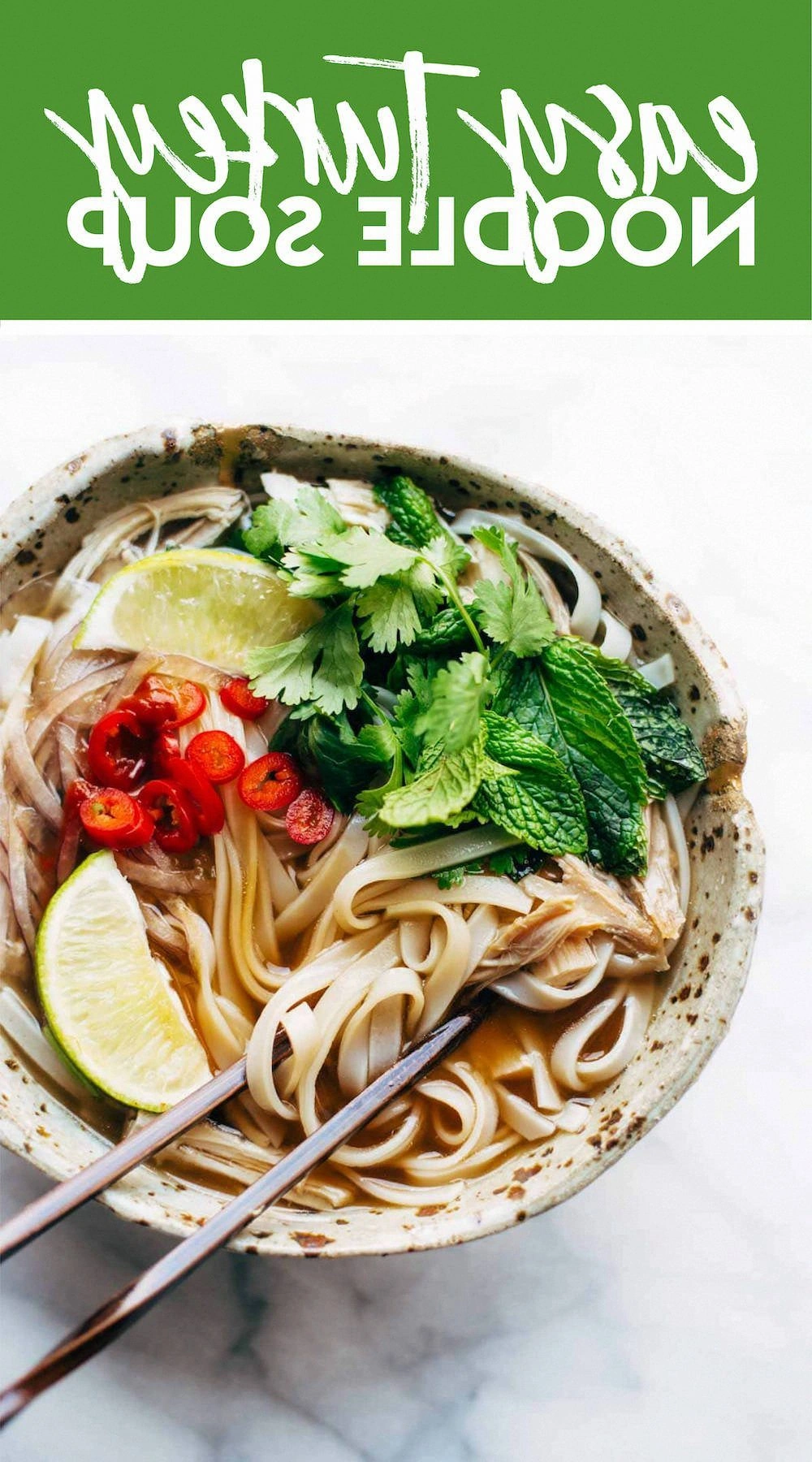
The Method — Step by Step
Heat a large stockpot over medium heat and add the olive oil. Once the oil shimmers, toss in the diced onion. Stir constantly for 3‑4 minutes until the onion turns translucent and starts to caramelize, releasing a sweet scent that fills the kitchen like a warm blanket. Power transition: This is where the flavor foundation is built.
Add the minced garlic to the pot. Cook for another 30 seconds, just until you hear a faint sizzle—be careful not to let it brown, or you’ll get a bitter bite. At this point, the kitchen smells like a bustling Italian bistro.
Kitchen Hack: If the garlic sticks, deglaze with a splash of broth to lift the browned bits—those are flavor gold.Introduce the sliced carrots and celery. Toss them in, letting them coat in the fragrant oil for about 2 minutes. You’ll hear a gentle crackle, and the vegetables will start to soften while retaining a slight bite. This step is crucial; over‑cooking here leads to limp veggies later.
Pour in the chicken broth and water, then stir in the dried thyme and bay leaf. Bring the mixture to a gentle boil, then reduce to a simmer. As the broth bubbles, you’ll notice a faint steam rising—this is the moment the flavors begin to meld. Watch Out: Keep the heat low enough that the broth only simmers; a rolling boil will make the noodles turn gummy later.
Add the shredded turkey to the pot, breaking it up with a wooden spoon. Let it heat through for about 5 minutes, allowing the meat to absorb the broth’s aromatics. The turkey should turn a deeper, richer pink, signaling it’s fully integrated.
Now, the noodles. Bring the broth back to a gentle boil and add the egg noodles. Cook according to package directions—usually 6‑8 minutes—until they’re just al dente. As soon as they’re done, scoop them out with a slotted spoon and plunge them into a bowl of ice‑cold water for 30 seconds. This “cold‑water shock” stops the cooking process and locks in that springy texture.
Return the shocked noodles to the pot, drizzle the teaspoon of soy sauce, and season with salt and pepper to taste. Give everything a gentle stir, letting the soy sauce dissolve and mingle with the broth. The soup should now have a deep, savory hue and a mouth‑watering aroma that makes you want to dive in immediately.
Finish with the chopped parsley, sprinkling it over the surface for a fresh, herbaceous burst. Let the soup sit for a minute, allowing the parsley to wilt slightly and release its bright flavor. And now the fun part: Ladle the soup into bowls, watch the steam rise, and enjoy the comforting symphony you just created.
That's it — you did it. But hold on, I've got a few more tricks that'll take this to another level...
Insider Tricks for Flawless Results
The Temperature Rule Nobody Follows
Never let the broth boil vigorously once the noodles are in. A gentle simmer keeps the noodles from releasing excess starch, which would turn the broth cloudy and gummy. I once let it boil and ended up with a soup that felt like thickened milk—no good. Keep the heat low, and you’ll preserve that crystal‑clear broth that looks as good as it tastes.
Why Your Nose Knows Best
When the onions start to caramelize, trust your nose. If you smell a faint sweetness and a hint of nutty depth, you’re on the right track. If you catch a burnt note, lower the heat immediately. Your olfactory senses are the best sous‑chef you’ll ever have.
The 5‑Minute Rest That Changes Everything
After you’ve combined everything, turn off the heat and let the soup rest, covered, for five minutes. This short pause lets the flavors marry and the noodles absorb a final burst of broth, resulting in a richer mouthfeel. Skipping this step is like skipping the climax of a movie—something vital is missing.
Seasoning with the Spoon
Instead of dumping a mountain of salt at once, season gradually with the spoon, tasting after each addition. This prevents over‑salting, especially important because the soy sauce already contributes sodium. A well‑balanced soup feels harmonious, like a perfectly tuned orchestra.
Pan‑Sear the Turkey (Optional Upgrade)
If you have fresh turkey or want extra texture, sear the shredded meat in a hot pan with a dash of oil until it gets a golden crust. This adds a smoky depth that makes the broth sing on a whole new level. I tried this once and the compliments poured in—everyone asked for seconds.
Creative Twists and Variations
This recipe is a playground. Here are some of my favorite ways to switch things up:
Spicy Sriracha Splash
Add a tablespoon of sriracha or a pinch of red pepper flakes when you season the broth. The heat cuts through the richness and adds a lively kick that’s perfect for cold evenings. Great for anyone who loves a little fire.
Coconut Curry Fusion
Swap half the chicken broth for coconut milk and stir in a teaspoon of curry powder. The result is a creamy, aromatic bowl that feels tropical yet comforting. Pair with lime wedges for an extra zing.
Vegetarian Delight
Replace turkey with roasted chickpeas or tempeh, and use vegetable broth instead of chicken. The flavor profile stays robust, while the texture shifts to a satisfying chew. This version won the heart of my plant‑based friends.
Herb‑Infused Elegance
Throw in a handful of fresh thyme leaves and a sprig of rosemary during the simmer. The herbs release fragrant oils that elevate the soup to a fine‑dining experience. Garnish with a drizzle of truffle oil for a luxurious finish.
Cheesy Noodle Upgrade
Stir in a half‑cup of shredded sharp cheddar or Gruyère just before serving. The cheese melts into the broth, creating a velvety texture that’s reminiscent of a creamy pasta dish. It’s indulgent but utterly addictive.
Storing and Bringing It Back to Life
Fridge Storage
Allow the soup to cool to room temperature, then transfer it to an airtight container. It will keep fresh for up to 4 days. When reheating, add a splash of water or broth to restore the original consistency, then warm gently on the stove.
Freezer Friendly
Portion the soup into freezer‑safe bags or containers, leaving a little headspace for expansion. Freeze for up to 3 months. Thaw overnight in the fridge, then reheat on low heat, adding a tablespoon of water to revive the broth’s silkiness.
Best Reheating Method
For the best texture, reheat the soup in a saucepan over medium‑low heat, stirring occasionally. Once steaming hot, give the noodles a quick 30‑second dip in hot water if they’ve absorbed too much broth. This brings them back to that perfect bite.