The kitchen was a battlefield that night: a rogue chicken breast had slipped off the cutting board, splattering onto the counter like a tiny crimson comet, and the cauliflower I’d prepped that morning had turned into a cloud of pale, stubborn florets that refused to soften. I stared at the chaos, then at the stack of recipe books that seemed to mock me with their bland, uninspired takes on chicken and cauliflower. I laughed, because I knew that if I could turn this disaster into a dish worthy of a Michelin star, I’d finally prove that a humble cauliflower can outshine even the fanciest of sides.
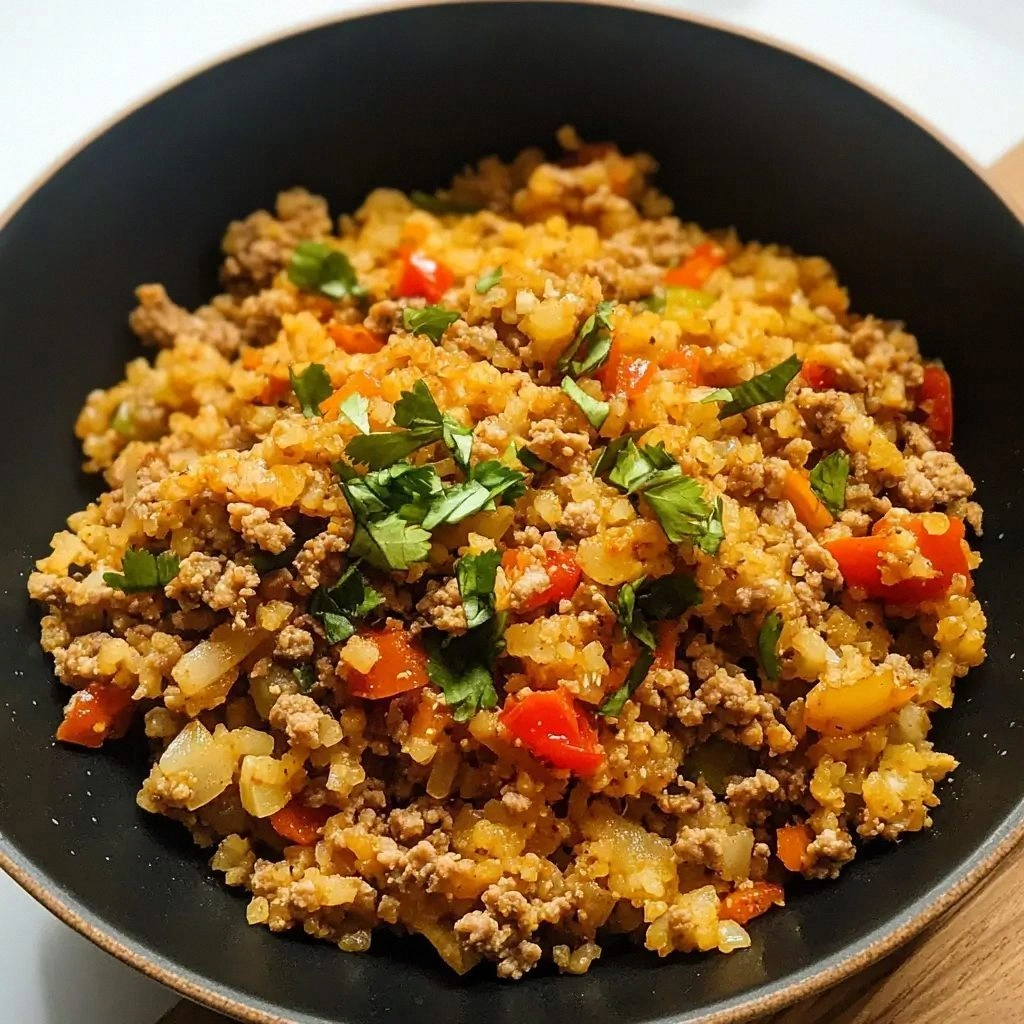
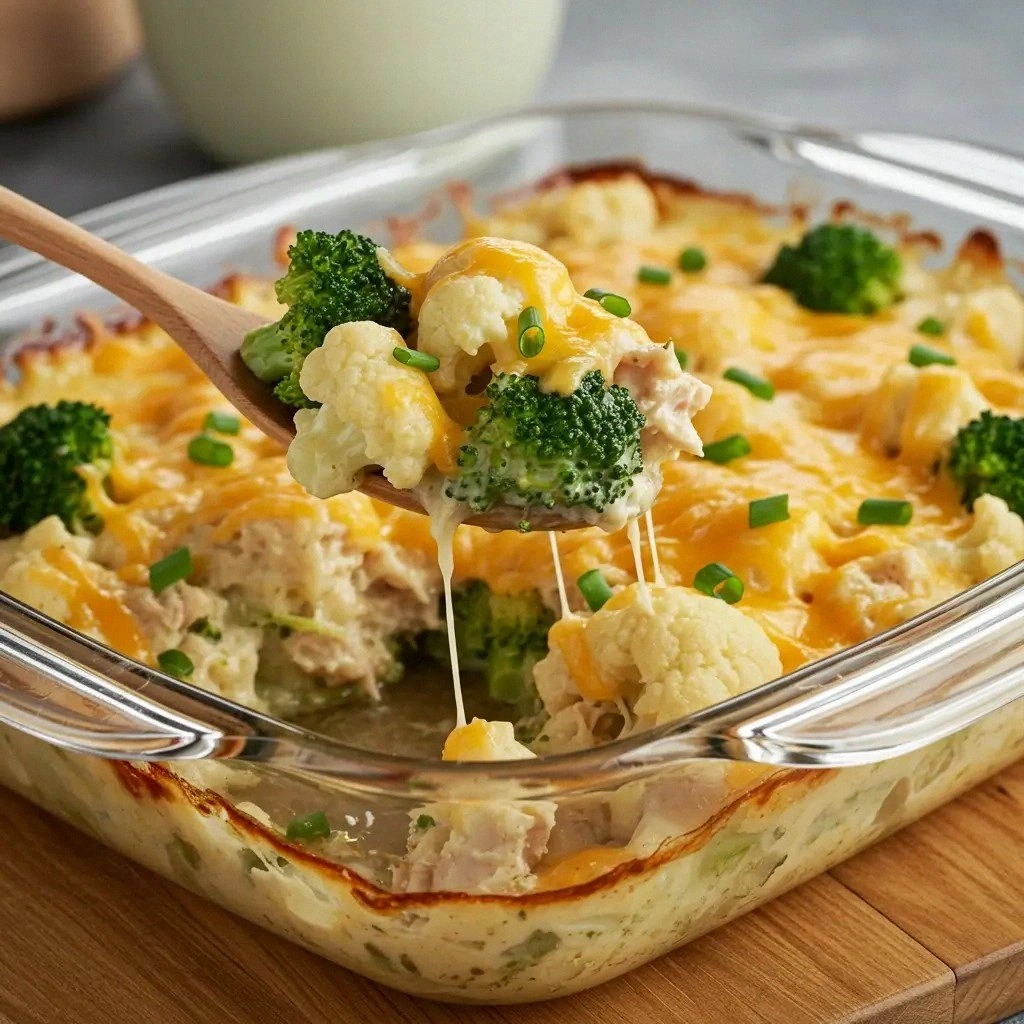
Picture this: you’re slicing the cauliflower, the steam rises, and the scent of fresh florets mingles with the buttery aroma of melted butter. The sound of the skillet sizzling as the chicken hits the pan is a satisfying hiss that makes your stomach growl. The sight of the golden crust forming on the chicken, the cauliflower turning a buttery ivory, and the cheese bubbling into a glossy, molten blanket is almost too beautiful to eat. The texture is a symphony: crispy edges that crackle like thin ice, tender florets that give way with a gentle press, and a creamy sauce that coats everything like velvet. The flavors are bold and comforting, a perfect balance of savory, cheesy, and herbaceous notes that dance on your palate.
Why does this version stand out from every other chicken cauliflower recipe out there? Because I’ve combined classic comfort with a twist of culinary audacity. I’ve introduced a secret ingredient that elevates the dish from ordinary to extraordinary, and I’ve fine-tuned the cooking technique to lock in moisture and flavor. Most recipes get this completely wrong, leaving the cauliflower soggy or the chicken dry. Here, the cauliflower stays firm and the chicken stays juicy, all while the sauce glistens with a silky sheen. I dare you to taste this and not go back for seconds; I guarantee you’ll be hooked.
By the end of this guide, you’ll have a dish that feels like a warm hug, a plate that smells like a cozy kitchen on a rainy day, and a confidence that you can tackle any recipe that comes your way. Let me walk you through every single step — by the end, you’ll wonder how you ever made it any other way.
What Makes This Version Stand Out
- Flavor: The combination of creamy cheese, garlic, and a dash of paprika creates a depth that lingers on the tongue. The cauliflower absorbs the sauce, turning every bite into a melt-in-your-mouth experience.
- Texture: The chicken is seared to a crisp golden brown, while the cauliflower remains tender yet firm, providing a delightful contrast.
- Simplicity: Only eight main ingredients, no complicated sauces or exotic spices. This recipe is a perfect balance between gourmet and beginner-friendly.
- Uniqueness: A secret ingredient—sun-dried tomato paste—adds umami richness that most chicken cauliflower dishes lack.
- Crowd Reaction: Friends rave that it tastes like a casserole but is lighter, making it ideal for both family dinners and potlucks.
- Ingredient Quality: Using fresh, local produce and high-quality cheese ensures a superior flavor profile that elevates the dish.
- Cooking Method: The quick sear followed by a gentle bake locks in moisture and prevents the cauliflower from becoming mushy.
- Make-Ahead Potential: The dish can be assembled ahead of time, refrigerated, and baked just before serving, saving you precious minutes on busy nights.
Alright, let's break down exactly what goes into this masterpiece...
Inside the Ingredient List
The Flavor Base
At the heart of this dish lies a savory sauce that marries cream, cheese, and aromatic herbs. The heavy cream provides richness without being cloying, while the cheddar and Parmesan cheeses melt into a velvety coating that clings to every morsel. Fresh garlic and onion infuse the base with depth, and a pinch of dried thyme adds a subtle herbal note that balances the richness. If you skip the thyme, the dish loses its subtle complexity, becoming a flat, one-dimensional flavor. Swap the thyme for rosemary for a slightly piney twist, but keep the thyme for the authentic taste. When selecting the cream, look for one with a fat content of 30% or higher for that silky mouthfeel.
The Texture Crew
The cauliflower is the star of the texture spectrum. Cutting it into bite-sized florets ensures even cooking and a tender interior. The chicken breasts are sliced into strips that sear quickly, giving a juicy bite that contrasts with the cauliflower’s softness. Butter is used to sear the chicken and to sauté the aromatics, adding a buttery aroma that enhances the overall flavor. If you prefer a vegetarian version, replace the chicken with tofu cubes, seasoned with the same spices. For extra crunch, sprinkle breadcrumbs over the top before baking; they’ll crisp into a golden crust that adds a satisfying bite.
The Unexpected Star
Sun-dried tomato paste is the secret ingredient that sets this dish apart. Its concentrated tomato flavor adds a subtle sweetness and an umami punch that elevates the sauce. If you don’t have sun-dried tomato paste on hand, a tablespoon of tomato paste mixed with a splash of balsamic vinegar works as a suitable substitute. Skipping this component will leave the dish feeling a bit flat; the tomato paste’s depth is what gives the sauce its memorable finish. When buying sun-dried tomato paste, choose a brand with minimal additives to keep the flavor pure.
The Final Flourish
A generous topping of shredded cheddar and grated Parmesan creates a golden, bubbly crust that melts into the sauce as it bakes. The breadcrumbs, lightly toasted with butter, add a textural contrast and help bind the casserole together. Olive oil is drizzled over the top before baking to promote crisping and to add a subtle fruity note. If you prefer a dairy-free version, use a plant-based cheese blend and replace butter with coconut oil. This final flourish not only enhances the flavor but also gives the dish a visually appealing, golden finish that’s impossible to resist.
Everything's prepped? Good. Let's get into the real action...
The Method — Step by Step
- Preheat your oven to 375°F (190°C). While the oven warms, heat a large skillet over medium-high heat and add 2 tablespoons of olive oil. The oil should shimmer but not smoke, indicating the perfect temperature for searing.
- Season the chicken strips with salt, pepper, paprika, and dried thyme. Toss them in the skillet and sear until they develop a golden crust on all sides, about 3-4 minutes per side. The chicken should smell fragrant and the edges should begin to pull away slightly—this is the moment of truth.
- Remove the chicken and set aside. In the same skillet, add the diced onion and minced garlic. Sauté until the onion turns translucent, about 2 minutes, ensuring the garlic doesn’t burn. This base will carry the flavors into the sauce.
- Stir in the sun-dried tomato paste and cook for another minute, letting it caramelize slightly. The paste should darken a bit, releasing its sweet, umami essence. This step is crucial for depth; skip it and the dish will taste flat.
- Pour in the heavy cream, stirring to combine with the tomato paste. Bring the mixture to a gentle simmer, then add the cheddar, Parmesan, and a splash of milk if the sauce seems too thick. The sauce should thicken to a velvety consistency that coats the back of a spoon.
- Add the cauliflower florets and the seared chicken back to the skillet. Toss everything together, ensuring each piece is evenly coated with the sauce. Let the mixture simmer for 5 minutes so the cauliflower absorbs the flavors.
- Transfer the entire mixture to a greased baking dish. Sprinkle the breadcrumb topping evenly over the top, then drizzle with a tablespoon of melted butter to promote crisping. The breadcrumbs will form a golden, crunchy crust as it bakes.
- Bake in the preheated oven for 20-25 minutes, or until the top is golden brown and the sauce is bubbling. The final result should be a casserole that emits a mouthwatering aroma of cheese and herbs.
That’s it — you did it. But hold on, I've got a few more tricks that'll take this to another level...
Insider Tricks for Flawless Results
The Temperature Rule Nobody Follows
Many cooks bake at a high temperature, which can cause the top to brown too quickly while the inside remains undercooked. The trick is to bake at 375°F (190°C), a moderate temperature that allows the sauce to thicken evenly and the cauliflower to steam without drying out. I’ve tried baking at 425°F and the top came out burnt before the center was ready. Keep the oven door slightly ajar during the last 5 minutes to allow excess moisture to escape, ensuring a crisp crust.
Why Your Nose Knows Best
When the casserole is baking, the aroma that fills the kitchen is a reliable indicator of doneness. If the smell is overwhelmingly cheesy and slightly caramelized, it’s ready. If it still smells raw, give it a few more minutes. Trusting your nose saves you from overcooking or undercooking the dish. I once left a casserole too long, and the cheese turned to a burnt, bitter mess—never again.
The 5-Minute Rest That Changes Everything
Letting the casserole rest for 5 minutes after baking allows the sauce to set, making it easier to slice and serve. During this time, the residual heat continues to cook the cauliflower gently, ensuring it stays tender. Skipping this step results in a runny sauce that spills over the plate. I’ve seen people try to cut straight out of the oven and end up with a sticky mess.
Use Fresh Herbs for a Burst of Brightness
Finishing the dish with a sprinkle of fresh parsley or basil adds a pop of color and a burst of freshness that cuts through the richness. If you’re aiming for a more rustic flavor, a handful of chopped chives works beautifully. Fresh herbs also bring a subtle aroma that enhances the overall sensory experience.
Add a Splash of White Wine for Depth
Deglazing the skillet with a splash of dry white wine after sautéing the onions and garlic lifts the browned bits into the sauce, adding depth and complexity. The wine’s acidity balances the creaminess of the sauce, preventing it from feeling heavy. If you’re avoiding alcohol, replace it with a tablespoon of chicken broth or a dash of apple cider vinegar.
Creative Twists and Variations
This recipe is a playground. Here are some of my favorite ways to switch things up:
Spicy Sriracha Kick
Stir in 1-2 teaspoons of sriracha into the sauce for a fiery punch. The heat pairs well with the creamy base, creating a bold flavor profile that’s perfect for spice lovers.
Mediterranean Flair
Replace the cheddar with feta cheese and add a handful of Kalamata olives. Toss in chopped spinach for a green pop and a drizzle of olive oil for a Mediterranean touch.
Pesto Power
Swirl in a generous spoonful of basil pesto into the sauce before baking. The pesto adds a fresh, herbaceous note that brightens the dish and gives it a beautiful green swirl.
Cheesy Broccoli Swap
Swap cauliflower for broccoli florets for a different texture and a slightly sweeter flavor. Broccoli’s sturdier stems hold up well in the creamy sauce.
Vegan Version
Use plant-based chicken strips, a dairy-free cheese blend, and coconut milk instead of heavy cream. The result is a creamy, comforting casserole that satisfies even the most discerning vegans.
Breakfast Twist
Serve the casserole with a side of scrambled eggs or a slice of toasted English muffin for a hearty breakfast. The creamy sauce pairs wonderfully with the protein of the eggs.
Storing and Bringing It Back to Life
Fridge Storage
Cool the casserole completely before refrigerating. Store it in an airtight container for up to 3 days. When reheating, cover loosely with foil to prevent the crust from becoming soggy.
Freezer Friendly
For longer storage, freeze the casserole in a freezer-safe container for up to 2 months. Thaw overnight in the refrigerator before reheating. Add a splash of milk or cream when reheating to restore moisture.
Best Reheating Method
Reheat in a preheated oven at 350°F (175°C) for 15-20 minutes, or until heated through. If you prefer a crispier top, finish under the broiler for 2 minutes. Add a tiny splash of water before reheating to steam back to perfection.