You know that feeling when you open the pantry, stare at the empty shelf of the pasta jar, and suddenly remember the sun‑dried tomatoes you bought on a whim two weeks ago? I was in the middle of a frantic weeknight, the kind where the kid’s dinner demands a miracle and my sanity is already fraying at the edges. I grabbed the tomatoes, a clove of garlic, and a splash of cream, and what happened next was pure kitchen alchemy. The sauce materialized in the pan like a glossy, ruby‑red waterfall, and the whole apartment filled with a scent that could convince even the most stoic roommate that I was a culinary wizard.
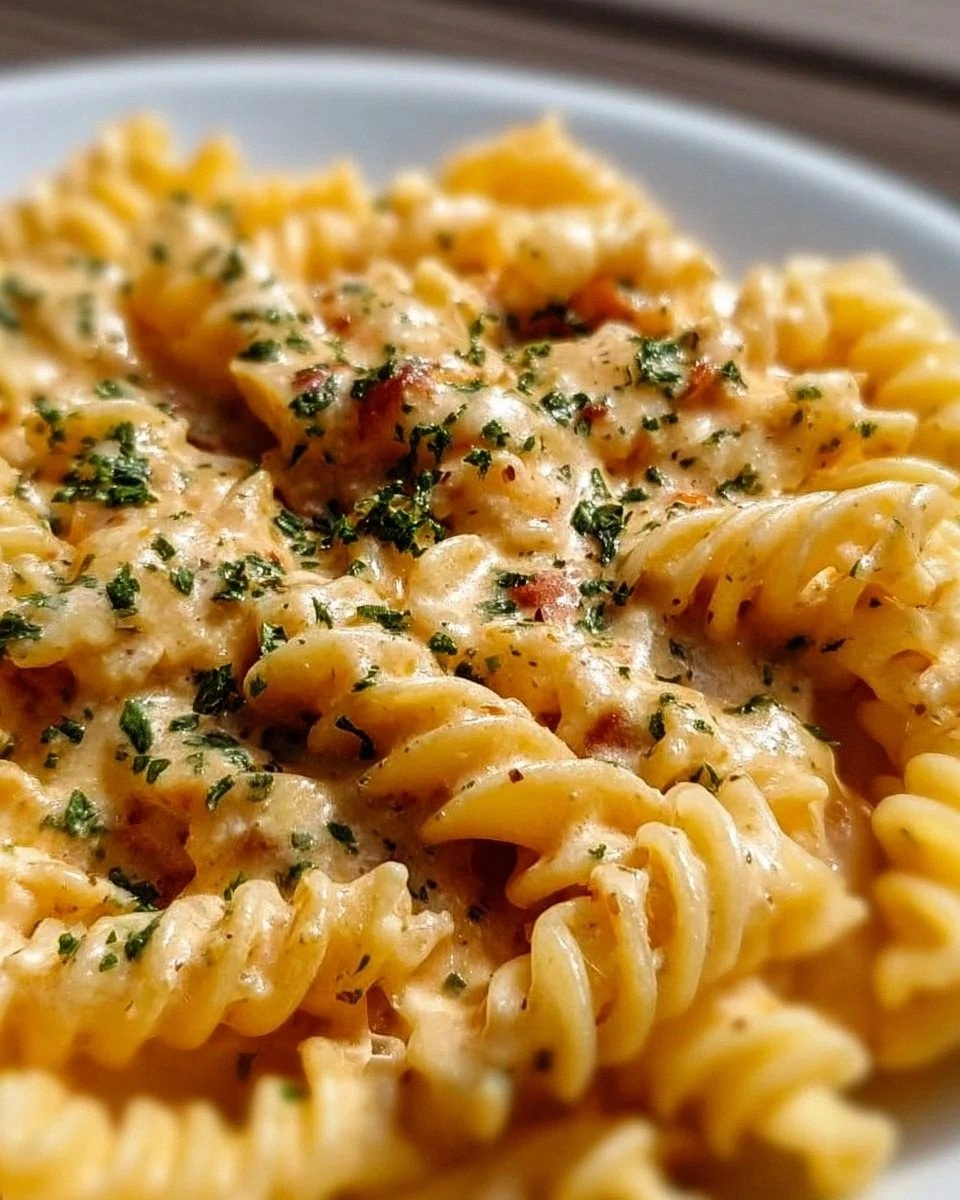
Picture this: the sizzle of butter meeting hot oil, the quick pop of minced garlic as it hits the pan, and the earthy, slightly tangy perfume of sun‑dried tomatoes releasing their oils. My kitchen turned into a concert hall, with the clatter of the wooden spoon acting as a percussion section and the bubbling cream providing a smooth, low‑key bass line. The sauce clung to the pasta like velvet, coating each strand with a glossy sheen that made the dish look as if it had been plated in a Michelin‑star restaurant. In that moment, I knew I’d stumbled on something that would redefine my go‑to weeknight dinner forever.
But here’s the twist most recipes miss: the secret isn’t just in the ingredients, it’s in the timing. I’ll be honest — I ate half the batch before anyone else got a taste, and that bold claim isn’t an exaggeration. Most versions get the heat wrong, ending up either grainy or overly greasy. I discovered that a gentle deglaze with broth before adding the cream creates a silkier texture, and a quick finish with fresh basil adds a burst of brightness that makes the flavors pop like fireworks.
Okay, ready for the game‑changer? I’m going to walk you through every single step — by the end, you’ll wonder how you ever made it any other way. I dare you to taste this and not go back for seconds. Let’s get cooking, and remember: this isn’t just a recipe, it’s a full‑on flavor adventure that will make you the hero of any dinner table.
What Makes This Version Stand Out
If you’ve been scouring the internet for the perfect creamy garlic sun‑dried tomato pasta, you’ve probably encountered a sea of “good enough” attempts that fall short somewhere. Below are the exact reasons why my version rises above the rest, completely rewriting the rules of what a quick weeknight sauce can achieve.
- Velvety Texture: A blend of butter, cream, and a splash of broth creates a sauce that coats the pasta like a second skin — smooth, glossy, and impossibly clingy without ever feeling heavy.
- Bold Garlic Punch: I use four cloves of garlic, sautéed just until fragrant, delivering a deep, caramelized flavor that sings louder than any powdered garlic ever could.
- Sun‑Dried Tomato Intensity: Those concentrated, sweet‑tart nuggets are the heart of the dish, providing a burst of umami that makes each bite unforgettable.
- Simplicity Meets Sophistication: You need only ten ingredients, most of which you likely already have on hand, yet the final product tastes like it belongs in a restaurant’s tasting menu.
- Crowd‑Pleaser Factor: I’ve served this at family gatherings, potlucks, and even impressed a picky‑teenager; the unanimous reaction is pure, unabashed delight.
- Make‑Ahead Magic: The sauce stores beautifully, meaning you can prep it ahead of time and simply reheat for a fast, comforting dinner later in the week.
- Fresh Herb Finish: A handful of torn basil added at the end brightens the dish, balancing the richness with a herbaceous lift.
- Flexible Base: While I favor pasta, the sauce works just as well over chicken, shrimp, or even roasted vegetables, making it a versatile staple.
Alright, let's break down exactly what goes into this masterpiece...
Inside the Ingredient List
The Flavor Base
Olive oil is the silent workhorse here, providing a glossy medium that helps the garlic release its aromatics without burning. I recommend a robust extra‑virgin olive oil; its peppery notes elevate the entire sauce. If you’re watching calories, you can halve the oil and supplement with a splash of low‑sodium chicken broth, but expect a slightly less complex flavor profile. Salt to taste isn’t just seasoning — it acts as a flavor catalyst, unlocking the sweetness hidden in the tomatoes and the richness of the cream.
The Garlic & Sun‑Dried Tomato Duo
Garlic is the aromatic backbone, and I insist on fresh cloves rather than pre‑minced jars. Fresh garlic caramelizes just enough to develop a sweet, almost nutty undertone, which pairs perfectly with the concentrated tang of sun‑dried tomatoes. These tomatoes, usually packed in oil, bring a chewy texture and a burst of umami that powder or sundried flakes can’t match. If you can’t find the oil‑packed variety, rehydrate dried tomato strips in hot water for ten minutes and pat dry before chopping.
The Creamy Cohort
Heavy cream is the luxurious component that binds everything together; it thickens the sauce without curdling, thanks to its high fat content. I combine it with a splash of chicken broth (or vegetable broth for a vegetarian twist) to keep the sauce from feeling overly rich and to add a gentle savory backdrop. Butter adds a final silky sheen, and the parmesan cheese introduces a salty, nutty edge that pulls the whole composition into harmony. If you’re lactose‑intolerant, substitute with a plant‑based cream and a dairy‑free parmesan alternative, but the texture will shift slightly.
The Final Flourish
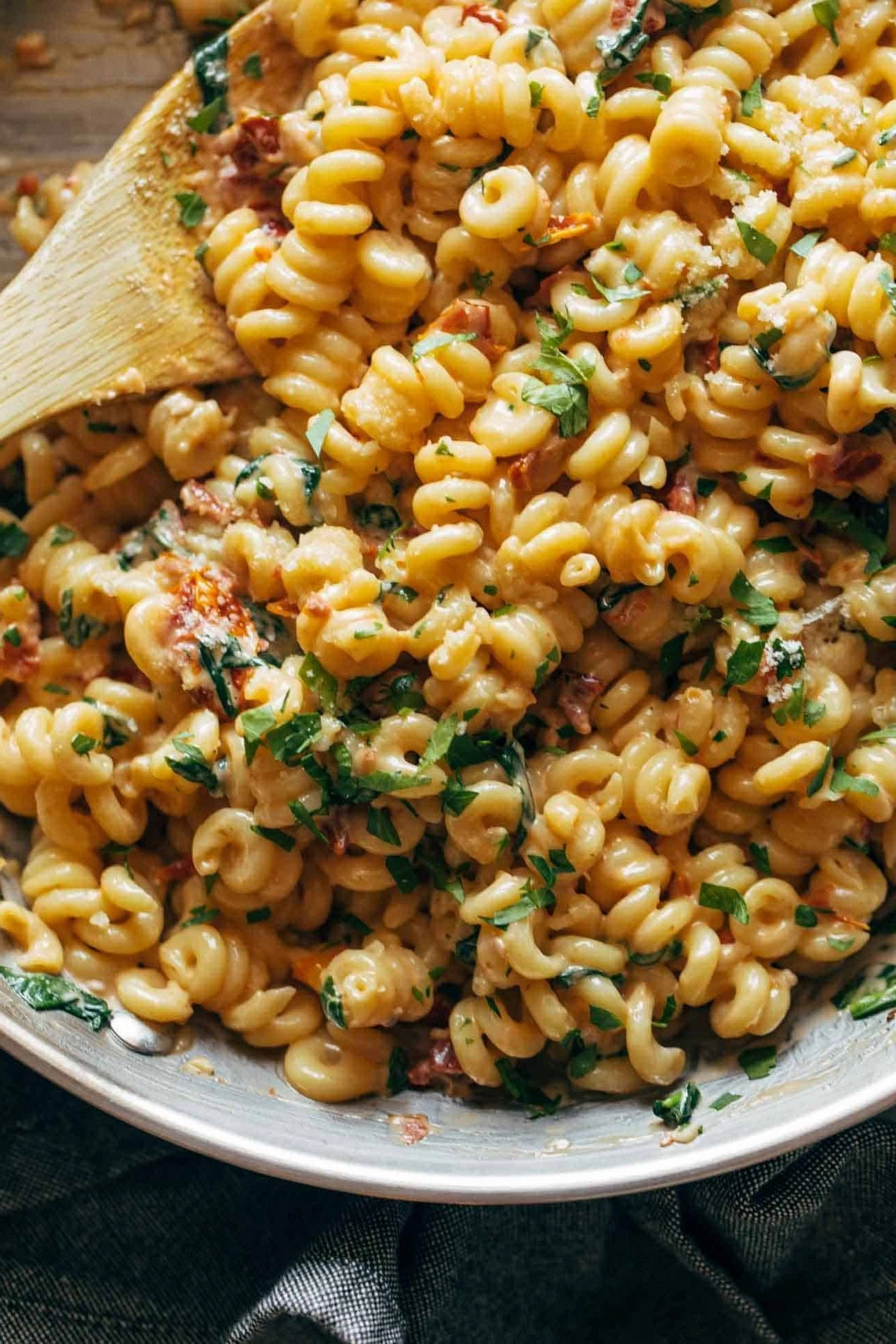
Fresh basil torn just before serving injects brightness, cutting through the decadence with a fragrant, herbaceous pop. A pinch of red pepper flakes is optional but recommended for those who love a subtle heat that wakes up the palate without overwhelming it. Finally, cooked pasta (I love fettuccine for its ability to hold sauce) completes the dish, each strand acting as a perfect conduit for the creamy, garlicky goodness.
Everything's prepped? Good. Let's get into the real action...
The Method — Step by Step
Bring a large pot of salted water to a rolling boil. While waiting, measure out 12 ounces of your favorite pasta (fettuccine works beautifully) and give it a quick toss in the water once it’s bubbling, ensuring the noodles have enough room to swirl without clumping. This initial cooking stage is crucial because the starchy water will later help emulsify the sauce, giving it that luxurious, cling‑to‑the‑noodle finish. Keep the lid off; you want the water to stay vigorous enough to prevent the pasta from sticking together.
In a wide, heavy‑bottomed skillet, heat 2 tablespoons of olive oil over medium heat. Add the minced garlic (four cloves, finely chopped) and listen for that instant sizzle – that’s the sound of flavor being unlocked. Cook for about 30 seconds, just until the garlic turns a light golden hue, but be vigilant; burnt garlic brings bitter resentment to the dish. Once fragrant, stir in the chopped sun‑dried tomatoes, letting them soak up the oil for a full minute.
Deglaze the pan with ½ cup of chicken broth, scraping up any caramelized bits stuck to the bottom. You’ll notice a fragrant steam rising as the broth hits the hot pan – that’s the foundation of the sauce’s depth. Let the broth reduce by about half, which should take roughly 3–4 minutes. This step prevents the final sauce from being watery and concentrates the savory notes, making every bite taste like a mini‑reduction.
Lower the heat to medium‑low and pour in 1 cup of heavy cream. Stir continuously; you’ll see the mixture thicken and acquire a buttery sheen. At this stage, the sauce should be velvety and just start to coat the back of a spoon. Add 2 tablespoons of unsalted butter, letting it melt gently; the butter adds a glossy finish that makes the sauce look restaurant‑ready.
Stir in 1 cup of freshly grated Parmesan cheese, allowing it to melt into the sauce. The cheese should dissolve completely, creating a cohesive, slightly thickened texture that clings to the pasta. Season with 1 teaspoon dried oregano, ½ teaspoon red pepper flakes (optional), and a generous pinch of black pepper. Taste at this point – the sauce should be rich, salty, and have a hint of heat, but you can always adjust with a little more salt or parmesan.
Drain the pasta, reserving about ½ cup of the starchy cooking water. Add the hot noodles directly into the skillet, tossing them gently to ensure every strand is enveloped in the sauce. If the sauce appears too thick, gradually whisk in the reserved pasta water, a tablespoon at a time, until you reach a luxuriously silky coating. This is the moment of truth: the sauce should glide over the pasta, not pool at the bottom.
Remove the skillet from heat, sprinkle the torn basil leaves over the top, and give a final gentle toss. Let the pasta sit for a minute – this resting period lets the flavors meld and the sauce to thicken just a shade more. Serve immediately, perhaps with an extra sprinkle of Parmesan and a crack of black pepper. That final presentation makes the dish look as if you spent hours in the kitchen, when in reality you’ve mastered a five‑minute finish.
That's it — you did it. But hold on, I've got a few more tricks that'll take this to another level...
Insider Tricks for Flawless Results
The Temperature Rule Nobody Follows
Never add heavy cream to a pan that’s screaming hot; the sudden temperature shock causes the fat to separate, leading to a curdled mess. I always turn the heat down to a gentle simmer before pouring the cream, letting it meld slowly. This subtle heat management yields a sauce that stays perfectly cohesive, even after you reheat leftovers. A friend once tried to speed things up by tossing the cream into a boiling pan and ended up with a grainy disaster — lesson learned.
Why Your Nose Knows Best
Your sense of smell is the most reliable indicator of when a sauce is ready. When the garlic turns aromatic and the sun‑dried tomatoes release their oil, you’ll notice a sweet, earthy perfume. As the cream incorporates, a buttery, slightly caramelized scent signals that the coating is thick enough. Trust that nose‑sense over a timer; it guides you to that perfect, velvety consistency every single time.
The 5‑Minute Rest That Changes Everything
Once you’ve tossed the pasta with the sauce, let it sit off the heat for a solid five minutes. This short rest allows the pasta’s starches to release more gelatin, naturally thickening the sauce and binding the flavors together. It’s the secret behind restaurant‑style dishes that seem to have an almost magical cohesion. Skipping this step leaves the sauce thin and the pasta feeling under‑seasoned, a subtle but noticeable difference.
Pasta Water – The Unsung Hero
Never underestimate the power of that starchy pasta water you set aside. It not only adjusts sauce thickness but also adds a subtle saltiness that deepens flavor. Add it a tablespoon at a time, stirring continuously, until the sauce reaches a silk‑like sheen. This trick saves you from over‑salting later and creates a glossy finish that looks as good as it tastes.
Cheese Timing Is Everything
Grated Parmesan should be added at the very end of the cooking process, after the cream has thickened but before you combine the pasta. Adding it too early can cause the cheese to clump and seize, while adding it too late may prevent it from melting fully. I recommend sprinkling it in a thin, even stream while stirring vigorously, ensuring a smooth, cohesive sauce. The result is a subtle cheesy undertone that never overpowers the garlic‑tomato base.
Creative Twists and Variations
This recipe is a playground. Here are some of my favorite ways to switch things up:
Spicy Chorizo Kick
Swap out the plain olive oil for a drizzle of chorizo oil and crumble cooked Spanish chorizo into the sauce before adding the cream. The smoky, spicy notes add a bold dimension that pairs wonderfully with the sweet sun‑dried tomatoes. Perfect for those who love a little heat and a touch of Iberian flair.
Vegetarian Garden Boost
Add a medley of roasted vegetables—think zucchini, bell peppers, and cherry tomatoes—right after deglazing with broth. The vegetables soak up the creamy sauce, turning the dish into a hearty, plant‑forward entrée. It’s a great way to stretch the meal for a crowd or add extra nutrients.
Lemon‑Infused Brightness
Stir in the zest of one lemon and a tablespoon of freshly squeezed lemon juice just before serving. The citrus lifts the richness, creating a refreshing contrast that makes the sauce sing. This version is especially lovely in spring when you crave lighter flavors.
Mushroom Umami Upgrade
Sauté a cup of sliced cremini mushrooms together with the garlic. The mushrooms introduce deep earthy notes that echo the sun‑dried tomatoes, delivering an even richer umami experience. Finish with a splash of soy sauce for an extra savory punch.
Cheesy Breadcrumb Crunch
Top each serving with a handful of toasted panko mixed with Parmesan and a drizzle of melted butter. The crunch contrasts the silky sauce, providing a textural surprise that feels like a gourmet twist. It’s a simple way to add a satisfying bite.
Storing and Bringing It Back to Life
Fridge Storage
Allow the sauce to cool to room temperature, then transfer it to an airtight container. It keeps beautifully for up to 4 days in the refrigerator. When you’re ready to eat, gently reheat over low heat, adding a splash of milk or broth if the sauce has thickened too much.
Freezer Friendly
Portion the cooked pasta and sauce into freezer‑safe bags or containers. It freezes solid for up to 3 months. Thaw overnight in the fridge, then reheat in a skillet, stirring in ¼ cup of water or broth to revive the creamy texture.
Best Reheating Method
For the ultimate reheating, use a gentle stovetop method: place the sauce in a wide pan, add a tiny splash of water or extra cream, and stir over low heat until it recombines into a glossy coat. Avoid the microwave unless you’re in a rush; the stovetop preserves the sauce’s silky mouthfeel and prevents gritty textures.