Picture this: a Sunday afternoon, a pot of tomato sauce simmering, and the unmistakable scent of garlic and oregano drifting through the kitchen. I was in the middle of a culinary experiment when the doorbell rang—my neighbor, a self‑proclaimed “food critic,” had come over for a quick bite. He ordered a dish that had been on my mind for weeks: Greek eggplant moussaka. I had a recipe in mind, but it was the kind of generic, over‑cooked version that turns a dish into a soggy disappointment. I swore I’d make a version that would make him ask, “What’s the secret?”
The first time I tasted my creation, the eggplant was perfectly caramelized, the meat sauce rich and slightly sweet, and the béchamel so silky it slid over the tongue like velvet. The aroma alone had me in awe—roasted eggplant, warm spices, and a hint of citrus from the tomatoes. It was a moment of triumph that made me realize this wasn’t just another casserole; it was a celebration of layers, textures, and flavors that dance together. I was so proud that I almost ate half the batch before anyone else could get a taste.
What made this version stand out was not just the ingredients, but the way each component was handled. I didn’t rely on store‑bought sauces or shortcuts; every element was prepared from scratch. The eggplant was sliced thick and salted to draw out bitterness, the meat was browned in a cast‑iron pan to develop depth, and the béchamel was whisked to a glossy consistency that wouldn’t separate. Every bite was a revelation—a contrast between the crisp edges of the eggplant, the savory meat, and the creamy cheese crust.
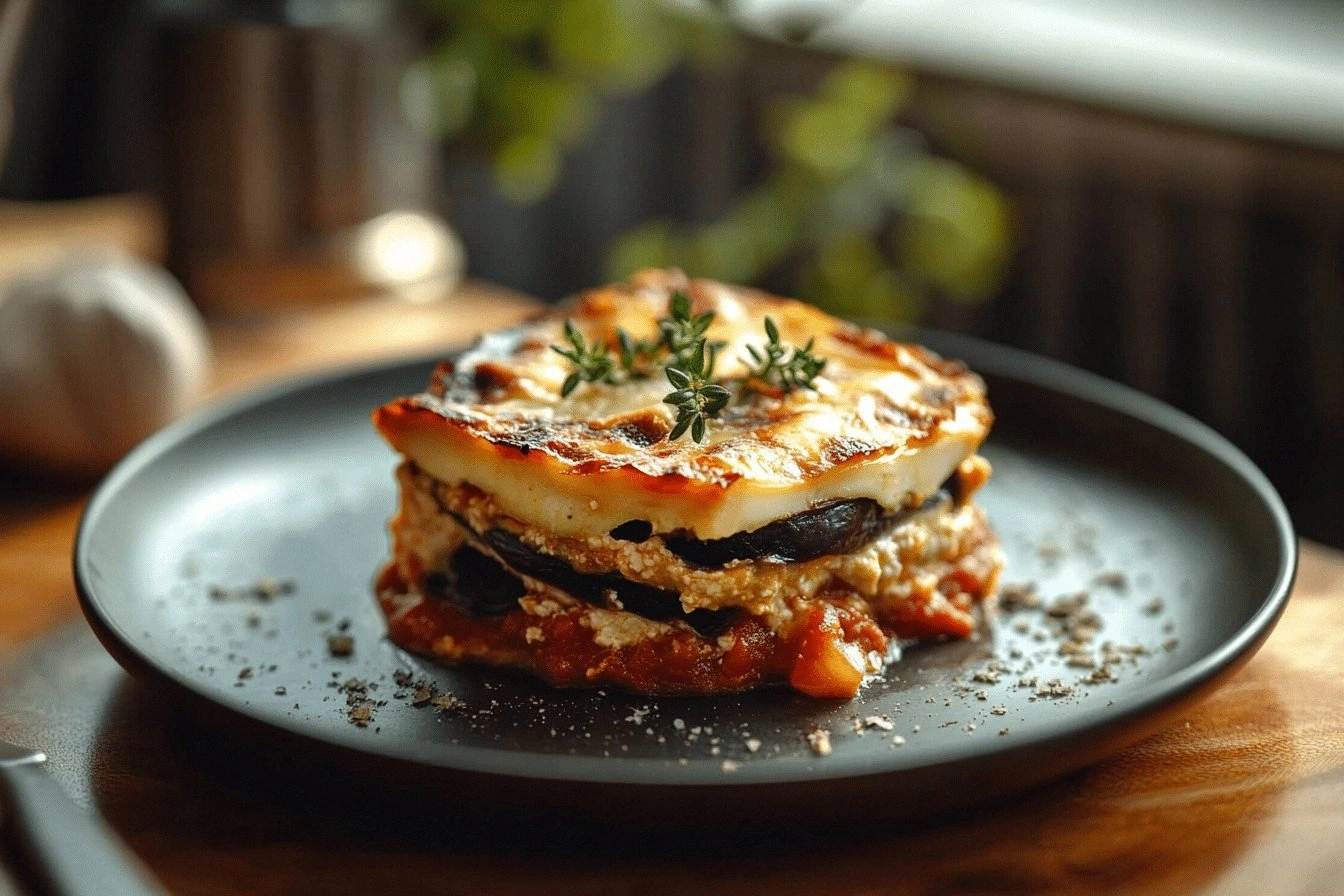
If you’re a fan of comfort food, this dish is the ultimate indulgence. Imagine a warm, golden top that crackles when you bite into it, revealing layers of tender eggplant and aromatic sauce beneath. The subtle sweetness of the tomatoes balances the richness of the lamb, and the nutmeg and cinnamon add a whisper of spice that lingers. I dare you to taste this and not go back for seconds.
Most recipes get this completely wrong. They either under‑cook the eggplant, over‑bake the béchamel, or use a bland sauce that fails to excite the palate. I’ve spent hours tweaking the ratios and techniques until I found the sweet spot. The result is a dish that’s hands down the best version you’ll ever make at home. Picture yourself pulling this out of the oven, the whole kitchen smelling incredible, and your guests asking for the recipe.
Let me walk you through every single step — by the end, you'll wonder how you ever made it any other way.
What Makes This Version Stand Out
- Authentic Flavor: Every ingredient is sourced with intention—firm eggplants, fresh lamb, and a splash of nutmeg that’s rarely used in standard recipes. This commitment to quality translates into a depth of taste that feels truly Greek.
- Layered Texture: The eggplant is sliced thick enough to hold its shape, then roasted to a caramelized finish. The meat sauce is thick, not soupy, and the béchamel is silky without being heavy. The result is a dish that satisfies both the palate and the eye.
- Time‑Efficient: With a prep time of just 15 minutes and a cook time of 30, this recipe fits into a busy weeknight. The trick is multitasking—while the eggplant roasts, you can brown the meat and whisk the béchamel.
- Versatility: Swap lamb for beef, add feta for a tangy twist, or use zucchini for a lighter version. The base is robust enough to accommodate variations without losing its core identity.
- Make‑Ahead Friendly: Assemble the layers, bake, then chill. The dish keeps well and actually improves in flavor as the flavors meld.
- Eye‑Catching Presentation: A golden cheese crust with a hint of paprika on top makes the dish look as good as it tastes—perfect for dinner parties.
- Balanced Nutrition: With a moderate calorie count and a good protein-to-fat ratio, this dish feels indulgent but not guilt‑inducing.
- Confidence Boost: Even a novice can master this recipe because the steps are clear, the techniques are explained, and the outcome is predictable.
Inside the Ingredient List
The Flavor Base
The foundation of this moussaka is the savory meat sauce. Ground lamb is traditional, but beef offers a more accessible alternative. Sautéed onions and garlic release their sweetness, while tomato paste thickens the sauce and adds depth. Diced tomatoes provide acidity that brightens the dish, and a splash of red wine can deepen the flavor profile. If you’re craving a vegan version, swap lamb for lentils and use vegetable stock for the sauce.
The Texture Crew
Eggplants are the star of the show. Choose firm, glossy varieties that hold their shape when sliced. A 2‑inch thickness works best—thinner slices wilt, while thicker ones may stay raw. Salt them lightly to draw out excess moisture, then pat them dry. For a smoky twist, brush them with olive oil before roasting. The béchamel, made from butter, flour, and milk, coats the layers like a silky blanket, preventing the dish from drying out.
The Unexpected Star
Spices often get overlooked in moussaka, but a pinch of nutmeg and half a teaspoon of cinnamon elevate the dish. These warm spices complement the earthy lamb and the sweet tomatoes, creating a subtle depth that’s almost imperceptible at first glance but unmistakable on the palate. If you’re a spice skeptic, start with a quarter teaspoon of each and adjust to taste.
The Final Flourish
A generous layer of grated cheese—kefalotyri, parmesan, or a blend—creates a golden crust that crackles when you bite into it. The cheese also adds a salty finish that balances the richness of the béchamel. A drizzle of olive oil before baking gives the top a glossy sheen. If you prefer a crispier top, sprinkle a handful of breadcrumbs and bake for an extra minute.
Everything's prepped? Good. Let's get into the real action.
The Method — Step by Step
- Preheat the oven to 375°F (190°C). Slice the eggplants into 1‑inch thick rounds, season each side with a light dusting of salt, and let them rest for 20 minutes. This step removes bitterness and helps the slices hold their shape during roasting. After the rest period, pat the slices dry with paper towels to remove excess moisture.
- Heat 2 tablespoons of olive oil in a large skillet over medium‑high heat. Add the eggplant slices in a single layer—do not overcrowd the pan. Fry each side for 3–4 minutes until golden brown and caramelized. Use a silicone‑coated baking sheet to keep the slices from sticking, and flip them gently with a spatula. The goal is a crisp exterior and a tender interior.
- Meanwhile, in a separate pan, melt 1 tablespoon of butter over medium heat. Add 1 diced onion and 3 minced garlic cloves; sauté until translucent. Stir in 500 g ground lamb, breaking it apart with a spoon, and cook until browned and crumbly. Pour in 2 tablespoons of tomato paste, 400 g diced tomatoes, ½ teaspoon ground cinnamon, and a pinch of ground nutmeg. Simmer the sauce for 15 minutes, letting the flavors meld and the sauce thicken. Taste and adjust seasoning with salt and pepper.
- Prepare the béchamel: In a saucepan, melt 2 tablespoons of butter over low heat. Whisk in 2 tablespoons of all‑purpose flour until a smooth roux forms, cooking for 1 minute to eliminate raw flour taste. Gradually whisk in 1 cup of milk, ensuring a lump‑free sauce. Bring to a gentle simmer, then whisk in 2 beaten eggs. Season with salt and pepper, and let the sauce thicken to a glossy consistency. If it becomes too thick, add a splash more milk. This béchamel coats the layers and keeps the moussaka moist.
- Grease a 9‑inch square baking dish with a bit of olive oil. Begin layering: first, spread a thin layer of the meat sauce across the bottom. Add a layer of roasted eggplant slices, overlapping slightly. Pour a generous amount of béchamel over the eggplant, smoothing it with a spatula. Repeat the layers—meat sauce, eggplant, béchamel—ending with a final layer of béchamel. Sprinkle 1 cup of grated cheese over the top, pressing it gently into the béchamel so it adheres.
- Cover the dish with foil and bake in the preheated oven for 25 minutes. Then remove the foil, and bake for an additional 10 minutes or until the top is golden brown and the edges are slightly crisp. Watch out: overbaking can dry out the béchamel and cause the cheese to burn. The ideal finish is a golden crust that crackles when you bite into it.
- Let the moussaka rest for 10 minutes after removing it from the oven. This resting period allows the layers to set, making slicing easier and the flavors to meld. While it rests, you can prepare a simple Greek salad to serve alongside.
- Slice the moussaka with a sharp knife, letting the béchamel flow like a silky ribbon. Plate each portion with a handful of fresh herbs, a drizzle of olive oil, and a wedge of lemon for brightness. Serve immediately, and watch your guests rave about the depth of flavor and the perfect balance of textures.
That's it — you did it. But hold on, I've got a few more tricks that'll take this to another level.
Insider Tricks for Flawless Results
The Temperature Rule Nobody Follows
Many cooks set the oven to a high temperature and bake the moussaka in one go. I found that a two‑stage bake—first at 375°F, then finishing at 425°F—creates a crispier top without drying out the interior. The lower temperature allows the béchamel to set gently, while the final high heat caramelizes the cheese.
Why Your Nose Knows Best
During the meat sauce simmer, pause and inhale deeply. The aroma of browned lamb, caramelized onions, and tomato will tell you if the sauce is ready. A sweet, slightly nutty scent indicates the spices have melded; if it still smells raw, give it a few more minutes.
The 5‑Minute Rest That Changes Everything
After baking, let the moussaka rest for exactly five minutes before slicing. This short pause allows the béchamel to firm up, preventing a runny mess when you cut it. I once sliced it immediately and the sauce spilled everywhere—never again.
The Secret of Even Eggplant Layers
When slicing eggplant, use a mandoline with a guard to maintain uniform thickness. This ensures each slice cooks at the same rate and the layers stack evenly. A uniform stack also looks more appetizing.
The Béchamel Balance
If the béchamel tastes too thick, add a tablespoon of milk at a time until you reach the desired consistency. Conversely, if it’s too thin, continue cooking it gently until it thickens. The key is patience; rushing the sauce will result in a lumpy texture.
The Cheese Crumb
For a crunchy finish, sprinkle a handful of panko breadcrumbs over the cheese before the final 10 minutes of baking. The breadcrumbs toast to a golden brown, adding a delightful contrast to the creamy béchamel.
The Leftover Magic
If you have leftovers, reheat them in a preheated oven at 350°F for 15 minutes. The residual heat will warm the dish without drying it out, and the cheese will regain its meltiness.
The Quick Fix for a Soggy Moussaka
If your moussaka turns out a bit soggy, simply bake it uncovered for an additional 5–10 minutes. The dry heat will evaporate excess moisture and crisp up the top. Keep a close eye to avoid burning.
Creative Twists and Variations
This recipe is a playground. Here are some of my favorite ways to switch things up:
Veggie‑Loaded Variation
Add sliced zucchini and bell peppers between the eggplant layers. The extra vegetables add crunch and a burst of color. Swap half the lamb for chopped spinach for a green twist.
Meatless Marvel
Replace the lamb with a hearty lentil or chickpea mixture. The lentils absorb the tomato and spice flavors beautifully, creating a filling, protein‑rich vegetarian dish.
Smoked Paprika Pop
Incorporate 1 teaspoon of smoked paprika into the meat sauce for a smoky depth that pairs perfectly with the eggplant’s natural earthiness.
Mediterranean Twist with Feta
Stir crumbled feta into the béchamel before baking. The feta’s tang balances the richness and adds a creamy texture that melts into the layers.
Quick Microwave Fix
For a last‑minute meal, assemble the layers in a microwave‑safe dish and heat on high for 8–10 minutes. While it won't produce the same golden crust, it’s a lifesaver when time is short.
Kids‑Friendly Mini Moussak
Use a muffin tin to bake individual portions. The mini sizes are perfect for picky eaters, and the layers look fun and approachable.
Herb‑Infused Eggplant
Before roasting, rub the eggplant slices with a mixture of thyme, oregano, and rosemary. This herb infusion elevates the dish to a gourmet level and adds aromatic complexity.
Storing and Bringing It Back to Life
Fridge Storage
Cool the moussaka completely before covering it tightly with plastic wrap or foil. Store in the refrigerator for up to 3 days. The flavors deepen as the béchamel sets, making it even more delicious the next day.
Freezer Friendly
Wrap the baked moussaka in parchment paper, then in foil, and place it in a freezer‑safe container. It keeps well for up to 2 months. Thaw overnight in the fridge before reheating.
Best Reheating Method
Reheat in a preheated oven at 350°F for 15 minutes, or until heated through. If reheating a single portion, a microwave works, but finish with a quick oven broil for 2–3 minutes to restore the golden crust.
The Final Touch
Before serving reheated moussaka, drizzle a tablespoon of olive oil and sprinkle fresh parsley or mint. The fresh herbs brighten the dish and add a burst of color that makes it look freshly baked.