I remember the night I almost burned the kitchen down while chasing a “quick” recipe for spicy chicken. The stove was a battlefield of sizzling oil, garlic that screamed, and a pot of gochujang that seemed to have a mind of its own. I was staring at the clock, the air thick with heat, and the realization hit me: this wasn’t just a dish, it was an experience that deserved a proper stage. So I set out to craft the ultimate Korean Spicy Chicken Stir Fry, a version that turns ordinary ingredients into a flavor fireworks show.
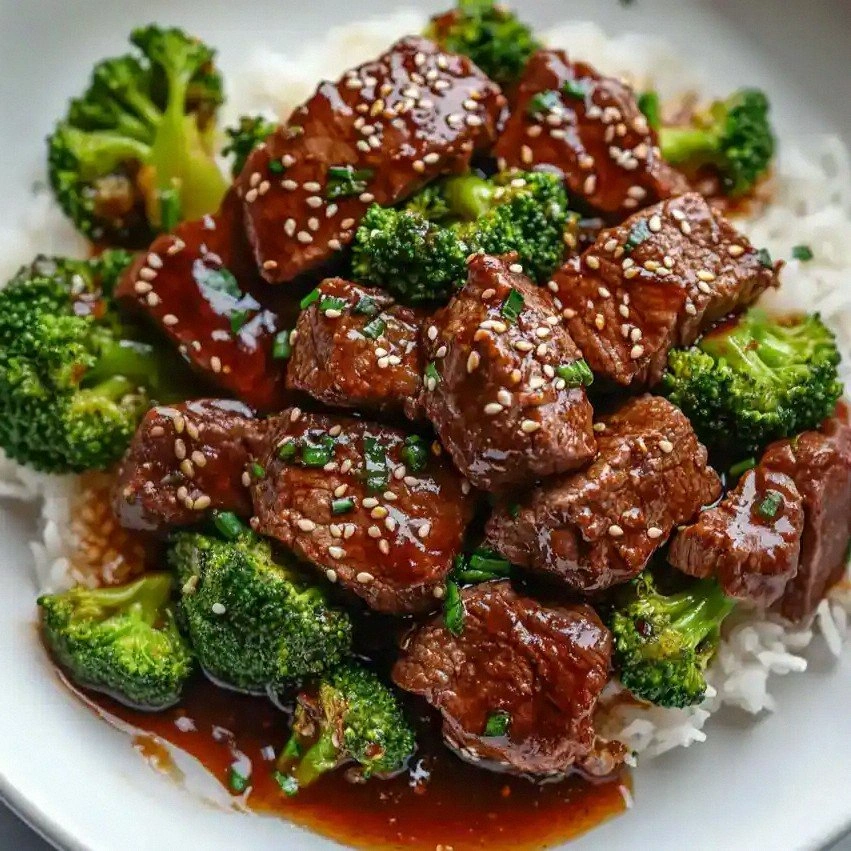
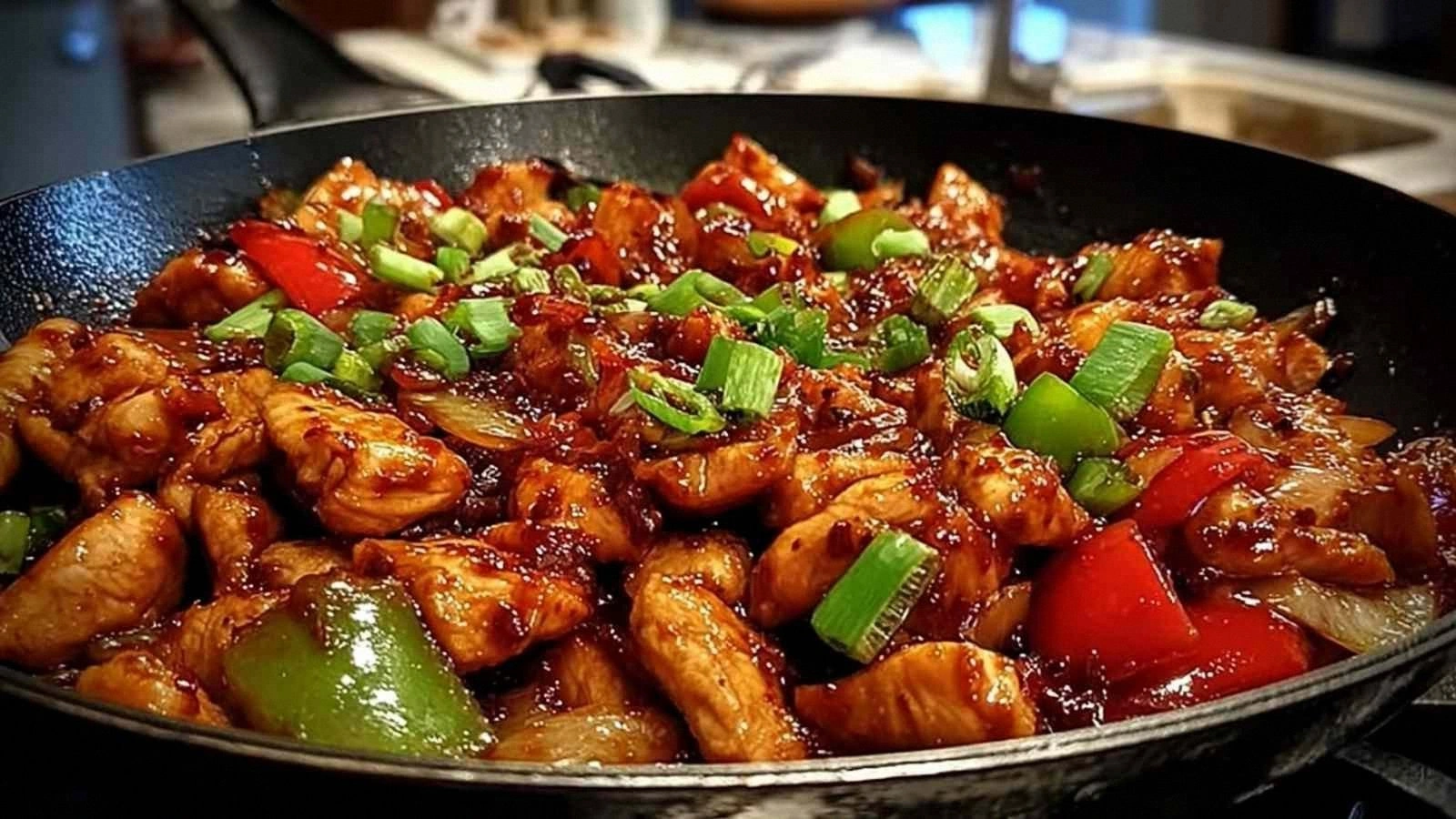
Picture this: a skillet that glows amber, the smell of caramelized onions mingling with the sharp bite of fresh ginger, and the sound of a hot pan that crackles like a campfire. The colors are a riot—bright red bell pepper, golden onions, and a glossy sheen of sesame oil that makes the dish look like a jewel. Every bite is a symphony of heat and sweetness, the gochujang coating the chicken like velvet, while the sesame seeds add a satisfying crunch that snaps like thin ice. It’s not just cooking; it’s a performance that turns your kitchen into a stage.
What makes this version stand out is that I didn’t just follow a recipe; I reimagined the process, adding subtle twists that elevate the dish from “good” to “hands down the best version you'll ever make at home.” I used a mix of fresh ginger and gochujang to create a depth of flavor that most quick recipes miss. The chicken is marinated just long enough to absorb the heat without losing its juicy tenderness. The final splash of honey balances the spice, turning the dish into a harmonious blend of sweet, salty, and fiery notes. And the best part? It’s quick, it’s simple, and it’s a crowd‑pleaser that will have everyone begging for seconds. I dare you to taste this and not go back for seconds.
If you’ve ever struggled with balancing heat and flavor in a stir fry, you’re not alone—and I’ve got the fix. Picture yourself pulling this out of the pan, the whole kitchen smelling incredible, and a plate that looks so good it’s almost too pretty to eat. The moment you take that first bite, the sauce coats the chicken like a silky blanket, the pepper adds that bright crunch, and the sesame oil finishes it with a nutty aroma. This is the kind of dish that makes you wonder why you ever settled for bland. Let me walk you through every single step—by the end, you'll wonder how you ever made it any other way.
What Makes This Version Stand Out
- Flavor: The marriage of gochujang, honey, and sesame oil creates a sauce that’s simultaneously sweet, savory, and blisteringly spicy, a flavor profile that’s rare in typical stir fries.
- Texture: The chicken is seared to a crisp edge that shatters like thin ice, while the peppers stay tender-crisp, giving the dish a satisfying bite that keeps you coming back.
- Ingredient Quality: Fresh ginger and high‑quality gochujang make all the difference—no substitutes needed.
- Simplicity: Five minutes of prep, thirty minutes of cooking, and a single pan mean you can whip it up on a hectic weeknight.
- Make‑ahead Potential: The sauce keeps its integrity in the fridge for up to three days, so you can prep ahead and save time.
- Visual Appeal: The vibrant colors of red bell pepper, green onions, and sesame seeds make the dish as Instagram‑worthy as it is delicious.
Alright, let's break down exactly what goes into this masterpiece…
Inside the Ingredient List
The Flavor Base
Gochujang is the heart of this dish—its fermented, spicy sweetness forms a sauce that clings to every bite. A tablespoon of honey balances the heat, preventing the gochujang from becoming a one‑dimensional burn. Soy sauce adds umami depth, while sesame oil delivers a nutty aroma that elevates the entire flavor profile. Skipping any of these would leave the dish feeling flat; the synergy between them is what makes the sauce sing.
The Texture Crew
Red bell pepper and yellow onion are not just garnish—they provide crunch and a sweet counterpoint to the heat. The bell pepper stays crisp, offering a pop of color and a burst of vegetal sweetness. The onion caramelizes, adding a mellow sweetness that softens the overall bite. Together, they create a textural contrast that keeps the dish interesting from the first bite to the last.
The Unexpected Star
Fresh ginger is the unsung hero that brings a bright, zesty note. It cuts through the richness of the sauce and adds a subtle heat that complements the gochujang. If you’re out of fresh ginger, a teaspoon of ground ginger can work, but the fresh version offers a more vibrant flavor. This ingredient is often overlooked, but it’s the difference between a good stir fry and a memorable one.
The Final Flourish
Sesame seeds and green onions finish the dish with a nutty crunch and a fresh, herbal lift. The seeds are toasted to bring out their natural oils, while the green onions add a sharp brightness that cuts through the richness. Together, they provide the final layer of texture and flavor, ensuring every bite is balanced and satisfying. These small touches make the difference between a generic stir fry and a dish that feels thoughtfully crafted.
Everything's prepped? Good. Let's get into the real action…
The Method — Step by Step
- First, cut the chicken breast into bite‑sized pieces. Pat them dry with a paper towel so they sear nicely instead of steaming. Season lightly with salt and pepper, then set aside. This simple step ensures a crispy exterior that’s a contrast to the tender interior.
- Heat the vegetable oil in a large skillet over medium‑high heat until shimmering. Add the chicken in a single layer, letting it sit undisturbed for 2–3 minutes before flipping. The goal is a golden crust; if it starts to stick, lower the heat slightly and let it sear.
- Once the chicken is browned on all sides, remove it from the skillet and set it aside. This prevents the vegetables from cooking in excess oil and keeps the flavors concentrated. It’s a quick step, but it pays dividends in texture.
- In the same skillet, add the sliced onions and bell pepper. Sauté for about 3–4 minutes until they start to soften but still hold a bite. The onions should develop a slight caramelization, and the peppers should retain a bright, crisp quality.
- Add the minced garlic and ginger to the skillet, stirring constantly to prevent burning. Cook for 30 seconds until fragrant; the aroma should be unmistakably spicy and aromatic. This is the moment of truth—watch the garlic transform into a golden, fragrant base.
- Return the chicken to the skillet. Pour in the gochujang, soy sauce, honey, and sesame oil. Stir everything together until the sauce thickens and coats the chicken and vegetables. The sauce should be glossy and cling to each piece, not runny.
- Let the mixture simmer for 5–7 minutes, allowing the flavors to meld. The heat should be high enough to keep the sauce bubbling but low enough to prevent burning. The edges of the chicken should start pulling away from the pan, indicating a caramelized finish.
- Finish with a sprinkle of sesame seeds and sliced green onions. Toss gently to combine, then serve hot over steamed rice or noodles. The sesame seeds should add a subtle crunch, while the green onions provide a fresh, herbal lift.
That's it — you did it. But hold on, I've got a few more tricks that'll take this to another level…
Insider Tricks for Flawless Results
The Temperature Rule Nobody Follows
Many cooks lower the heat too early, causing the sauce to thicken too quickly and the chicken to become rubbery. Keep the heat medium‑high for the first sear, then reduce to medium for the simmer. This allows the sauce to caramelize slowly without burning, ensuring a tender interior and a caramelized exterior.
Why Your Nose Knows Best
The aroma of the sizzling garlic and ginger is a cue that the base is ready. If you can smell a sharp, almost citrusy scent, the aromatics are perfectly cooked. This helps you avoid overcooking the vegetables and ensures the sauce has fully developed its flavor.
The 5‑Minute Rest That Changes Everything
After you remove the dish from the heat, let it rest for five minutes before serving. This allows the sauce to settle, the flavors to meld, and the chicken to finish cooking from residual heat. The result is a more cohesive dish with a richer taste profile.
The Sweet‑Heat Balance
Honey isn’t just a sweetener; it’s a flavor binder that smooths the heat from the gochujang. If you’re sensitive to heat, add honey gradually, tasting as you go. This ensures a balanced profile that’s both spicy and approachable.
The Final Toss
Just before serving, give the dish one final toss with the sesame seeds and green onions. This step ensures the toppings are evenly distributed and the dish looks vibrant. A well‑tossed dish is not only more appetizing but also ensures every bite has a balanced flavor.
Creative Twists and Variations
This recipe is a playground. Here are some of my favorite ways to switch things up:
Spicy Shrimp Edition
Swap the chicken for shrimp for a seafood twist. Use the same sauce, but reduce the cooking time to 3–4 minutes to avoid overcooking the shrimp. The result is a quick, protein‑rich dish that still delivers all the heat and flavor.
Vegan Version
Replace the chicken with tofu or tempeh, and use a vegan gochujang. The tofu will absorb the sauce beautifully, creating a plant‑based dish that still packs a punch. Add a splash of soy sauce and a drizzle of maple syrup for extra depth.
Low‑Carb Twist
Serve the stir fry over cauliflower rice instead of regular rice. The cauliflower adds a mild flavor and keeps the dish low in carbs while still providing a satisfying base. This is perfect for keto or low‑carb diners.
Breakfast Kick‑Starter
Add a couple of scrambled eggs to the pan after the sauce has thickened. The eggs will soak up the sauce, creating a hearty breakfast that’s both spicy and comforting. It’s a great way to start the day with a burst of flavor.
Asian Fusion Wrap
Wrap the stir fry in a warm tortilla with a smear of Sriracha mayo. The creamy mayo balances the heat, while the tortilla adds a chewy texture. This portable version is perfect for on‑the‑go lunches.
Gluten‑Free Delight
Use tamari instead of soy sauce and ensure your gochujang is gluten‑free. This keeps the dish completely gluten‑free while preserving its authentic Korean flavor profile. It’s a win‑win for those with dietary restrictions.
Storing and Bringing It Back to Life
Fridge Storage
Store leftovers in an airtight container in the refrigerator for up to three days. The sauce will thicken slightly as it cools, so a quick stir and a splash of water will restore its silky texture. Reheat gently on the stove or in a microwave, stirring frequently.
Freezer Friendly
The dish freezes well for up to two months. Portion into freezer‑safe containers, and add a splash of water before freezing to maintain moisture. When ready to eat, thaw overnight in the fridge and reheat on the stove, adding a little water if necessary.
Best Reheating Method
Reheat the dish on medium heat, stirring constantly to prevent sticking. Add a teaspoon of water or broth to loosen the sauce and keep the chicken moist. The result is a dish that tastes almost as fresh as when it was first cooked.