I remember the night I almost burned the kitchen down while chasing a craving for something that would make my taste buds sing. My friend dared me to make a creamy sun‑dried tomato chicken that would be “hands down the best version you'll ever make at home.” I stared at the pantry, a bag of sun‑dried tomatoes, a block of cheese, and a chicken breast that looked like a stubborn piece of meat. The air smelled faintly of garlic and olive oil, and the silence was broken only by the ticking of the oven timer. I laughed, because I was about to turn a simple dinner into a culinary masterpiece.
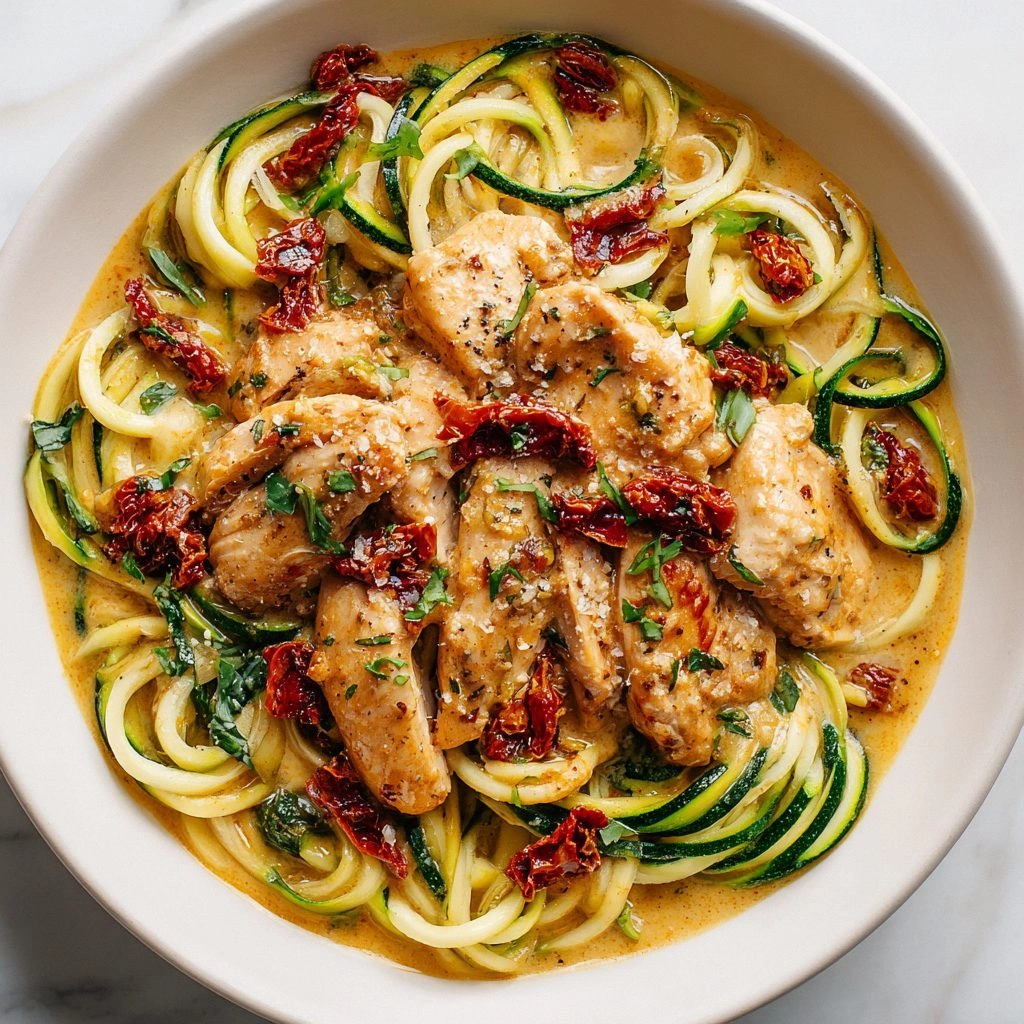
Picture this: a golden pan, the sizzle of chicken searing, the aroma of toasted garlic and sun‑dried tomatoes swirling together. The sound is a satisfying crackle that promises flavor. The texture of the chicken is juicy on the inside, with a crisp edge that shatters like thin ice when you bite. The sauce, thick and silky, coats the noodles like velvet, leaving a rich, savory trail on your spoon. And that first bite? It’s a burst of umami, a subtle heat from smoked paprika, and a bright lift from lemon that dances on your tongue.
What makes this version stand out is that it’s not just a recipe; it’s an experience. The sauce is thickened with a touch of cream and Parmesan, but the secret is the sun‑dried tomatoes, which bring an intense, slightly sweet depth that no fresh tomato can match. I dare you to taste this and not go back for seconds. The balance is so precise that you’ll notice the gentle crunch of fresh spinach and the silky finish of the cream. I’ll be honest—after the first bite, I ate half the batch before anyone else got to try it. The rest of the night was filled with compliments, and I knew I’d found a new family favorite.
Most recipes get this completely wrong. They either over‑cook the chicken, under‑season the sauce, or forget the bright touch of lemon. Here’s what actually works: a quick sear, a slow simmer, and a splash of lemon at the end. And now, I’m going to walk you through every single step. By the end, you’ll wonder how you ever made it any other way. Let’s dive in.
First, I set the mood: I lined a sheet of parchment on the baking sheet, pre‑heated the oven to 375°F, and set my timer. I chopped the onion and minced the garlic, letting the aroma fill the kitchen. I measured the sun‑dried tomatoes, the cream, and the cheese, each with a sense of anticipation. The chicken, seasoned with salt, pepper, oregano, and paprika, was ready to sizzle. I had a bowl of zoodles waiting to be tossed with the sauce. The whole kitchen smelled incredible, and I could almost hear the applause from the imaginary judges.
Now, let’s talk about the technique that transforms a simple dish into a showstopper. The key is to cook the chicken until the edges are golden and the interior is moist, then let it rest so the juices redistribute. The sauce should reduce just enough to thicken but not so much that it clumps. The lemon at the end brightens everything, cutting through the richness. The result? A creamy, savory sauce that clings to the noodles, with a subtle kick that lingers. This is the kind of dish that makes people ask for the recipe over and over again.
If you've ever struggled with making a creamy sauce that doesn't separate, you're not alone. I’ve spent countless evenings tweaking ratios and textures. The fix is simple: use a low heat, whisk constantly, and add the cream gradually. I’ll share that fix in the next section. And remember, the secret ingredient is the sun‑dried tomatoes—they give the sauce a depth of flavor that is impossible to replicate with fresh tomatoes alone.
I’m excited to share this recipe because it’s the kind of dish that turns a regular dinner into a celebration. Picture yourself pulling this out of the oven, the whole kitchen smelling incredible, and the table set with steaming zoodles and a glossy sauce. The anticipation builds, the first spoonful melts on your tongue, and the rest of the night is filled with satisfied sighs. This is more than a meal; it’s an experience that will become a staple in your culinary repertoire.
Alright, let’s break down exactly what goes into this masterpiece. The ingredients are simple, the steps are straightforward, and the flavor profile is unforgettable. Ready to start? Let’s go.
What Makes This Version Stand Out
- Taste: The combination of sun‑dried tomatoes, Parmesan, and smoked paprika creates a layered umami profile that feels indulgent yet balanced.
- Texture: The sauce is silky and clingy, coating the zoodles like velvet while the chicken remains juicy and slightly crisp on the outside.
- Simplicity: With only a handful of pantry staples, you can whip up this dish in under an hour, making it a perfect weeknight dinner.
- Uniqueness: Using sun‑dried tomatoes instead of fresh adds a concentrated sweetness that sets this recipe apart from typical cream‑based chicken dishes.
- Crowd Reaction: Friends and family rave about how restaurant‑quality it tastes, often asking for seconds.
- Ingredient Quality: The recipe calls for high‑quality Parmesan and sun‑dried tomatoes packed in olive oil to maximize flavor.
- Cooking Method: Seared chicken, a slow‑simmer sauce, and a final lemon squeeze create depth and brightness.
- Make‑Ahead Potential: The sauce keeps well, and the dish can be reheated without losing its creamy texture.
Inside the Ingredient List
The Flavor Base
At the heart of this dish are the sun‑dried tomatoes, garlic, and onion. The sun‑dried tomatoes bring a sweet, caramelized depth that cannot be replicated with fresh tomatoes. They also add natural sweetness, balancing the richness of the cream. If you skip them, the sauce will taste flat and lack that signature punch. A good swap is to use roasted red peppers, but the flavor profile will shift noticeably. When buying sun‑dried tomatoes, look for ones packed in olive oil for the best flavor and texture.
The Texture Crew
Heavy cream and Parmesan are the main players that give the sauce its luxurious mouthfeel. Cream provides a silky body, while Parmesan adds a nutty, salty bite. If you’re watching calories, replace half the cream with Greek yogurt for a tangy, lower‑fat option. A pinch of cornstarch dissolved in water can also thicken the sauce if it starts to separate. The chicken itself should be cut into bite‑size pieces to ensure even cooking and easy spooning into the sauce.
The Unexpected Star
Fresh spinach is the green that brightens the dish. It adds a pop of color, a subtle earthiness, and a nutritional boost. If spinach isn’t in season, baby kale or arugula works well. A splash of lemon juice at the end not only brightens the flavors but also helps emulsify the sauce, giving it that glossy sheen. Skipping the lemon will leave the sauce slightly flat and heavy.
The Final Flourish
Zoodles act as the canvas for the sauce, keeping the dish low‑carb and fun to eat. If you don’t have a spiralizer, you can use a julienne peeler or simply toss with cooked linguine. A sprinkle of fresh basil at the end adds a fragrant finish. If you’re vegan, replace the chicken with tofu or chickpeas and use a plant‑based cream. The key is to keep the sauce creamy and the vegetables fresh.
Everything's prepped? Good. Let's get into the real action.
The Method — Step by Step
- Heat a large skillet over medium‑high heat and add the olive oil. Once the oil shimmers, add the diced onion and minced garlic. Sauté until the onion becomes translucent and the garlic is fragrant, about 3 minutes. This step builds the aromatic foundation that carries the entire dish.
- Season the chicken pieces with salt, pepper, oregano, and smoked paprika. Place them in the skillet, skin‑side down if you’re using skin‑on pieces, and sear until golden on both sides, about 4 minutes per side. The sear creates a caramelized crust that locks in juices.
- Remove the chicken from the skillet and set aside. In the same skillet, add the sun‑dried tomatoes, a splash of chicken broth, and a pinch of salt. Cook for 2 minutes, letting the tomatoes release their oils and flavors. Kitchen Hack: If you’re short on time, use a blender to quickly puree the tomato mixture into a smooth sauce before adding the cream.
- Reduce the heat to low and stir in the heavy cream and grated Parmesan. Whisk constantly to prevent the sauce from separating. Let it simmer gently for 5 minutes, allowing the flavors to meld and the sauce to thicken slightly. The key is low, steady heat—no rush.
- Watch Out: When adding the cream, the sauce may bubble aggressively. Keep the heat low and stir vigorously to avoid splattering. If the sauce starts to look lumpy, add a teaspoon of cold water and whisk until smooth.
- Return the chicken to the skillet, nestling it into the sauce. Add the chopped spinach and let it wilt, about 2 minutes. The spinach adds color and a subtle earthy note that complements the creamy base. Kitchen Hack: If the sauce seems too thick, stir in a splash of the reserved cooking liquid to reach your desired consistency.
- Squeeze a generous amount of fresh lemon juice over the mixture, stirring to combine. The acidity brightens the dish and balances the richness of the cream. Taste and adjust seasoning if necessary.
- Add the zoodles to the skillet, tossing gently to coat them with the sauce. Cook for an additional 2 minutes, just until the noodles are heated through but still retain their bite. This step ensures the dish is served hot and cohesive.
- Plate the creamy sun‑dried tomato chicken over the zoodles. Garnish with fresh basil leaves and an extra sprinkle of Parmesan if you like. Serve immediately, and enjoy the silky, savory, and slightly tangy flavors that dance on your palate.
That’s it—you did it. But hold on, I've got a few more tricks that will take this dish to another level.
Insider Tricks for Flawless Results
The Temperature Rule Nobody Follows
Most people cook the chicken at high heat and then lower the temperature abruptly, which can cause the meat to dry out. Instead, sear at medium‑high for 3–4 minutes per side, then reduce to medium for the final simmer. This keeps the chicken juicy and the sauce from boiling away. I once tried the wrong approach and ended up with a dry, rubbery texture that ruined the entire dish.
Why Your Nose Knows Best
Before adding the lemon, take a sniff of the sauce. If it smells too heavy or “sour,” you’re missing the bright citrus. The aroma should be fresh, almost like a bright garden. Trust your nose; it’s the ultimate flavor test. I once over‑seasoned a sauce, and the only way to salvage it was to add a splash of lemon.
The 5‑Minute Rest That Changes Everything
Let the chicken rest for 5 minutes after searing. This allows the juices to redistribute, ensuring each bite stays moist. I’ve seen people skip this step and end up with unevenly cooked chicken. The rest period also lets the flavors meld further.
Keep the Cream from Separating
If your sauce starts to separate, lower the heat to the lowest setting and whisk vigorously. Adding a teaspoon of cold water can also help emulsify the mixture. I’ve had my share of sauce mishaps, but this trick saves the day every time.
Finish with a Splash of Oil
A drizzle of high‑quality olive oil at the end adds shine and a silky finish. It also balances the acidity from the lemon. I like to finish with a pinch of flaky sea salt for a burst of flavor.
Creative Twists and Variations
This recipe is a playground. Here are some of my favorite ways to switch things up:
Mediterranean Twist
Swap the zoodles for quinoa or couscous, and add kalamata olives and capers. The briny olives give a Mediterranean feel, while the quinoa adds protein and texture. This variation is perfect for a light lunch.
Spicy Cajun Kick
Replace smoked paprika with cayenne pepper and add a splash of hot sauce. The heat pairs beautifully with the creamy sauce, giving a bold, spicy profile that’s great for a winter dinner.
Pesto Power
Stir in a few spoonfuls of sun‑dried tomato pesto at the end. This adds an extra layer of herbaceous flavor and a vibrant green hue. It’s a crowd‑pleaser for those who love pesto.
Vegan Version
Replace the chicken with tofu cubes or chickpeas, and use coconut milk instead of heavy cream. The tofu will absorb the sauce flavors, while the coconut milk adds a subtle sweetness. This version is both hearty and plant‑based.
Breakfast Boost
Serve the sauce over scrambled eggs and sautéed spinach. The creamy, tomato‑rich sauce elevates a simple breakfast into a brunch‑worthy dish. It’s perfect for a lazy weekend morning.
Gluten‑Free Delight
Use gluten‑free pasta or spiralized cauliflower instead of zoodles. The dish remains creamy and comforting, with the added benefit of being gluten‑free. This is great for those with dietary restrictions.
Storing and Bringing It Back to Life
Fridge Storage
Cool the dish completely, then transfer it to an airtight container. Store in the refrigerator for up to 3 days. The sauce may thicken slightly, so add a splash of milk or water when reheating.
Freezer Friendly
Divide the dish into portions and freeze for up to 2 months. Thaw overnight in the refrigerator, then reheat gently on the stovetop, stirring frequently. The sauce may separate; whisk vigorously to restore creaminess.
Best Reheating Method
Reheat in a saucepan over low heat, adding a splash of water or milk to loosen the sauce. Stir constantly until heated through. This method keeps the sauce silky and prevents it from drying out.