I was standing in my tiny kitchen, the timer on my old toaster oven screaming at me, when my roommate shouted, “You’re never going to survive the brunch crowd without something epic!” I had just burned a batch of store‑bought frozen pancakes, and the smoke alarm was having a panic attack. It was the perfect storm of panic and hunger, and I swore I’d whip up the most unforgettable scallion pancake with eggs that anyone had ever tasted. That night, I learned that the secret isn’t in fancy gadgets or exotic spices; it’s in the timing, the dough, and a little daring attitude. I’m daring you to taste this and not go back for seconds, because once you bite into the crispy‑golden edges, your taste buds will file a formal complaint against any lesser pancake you’ve ever known.
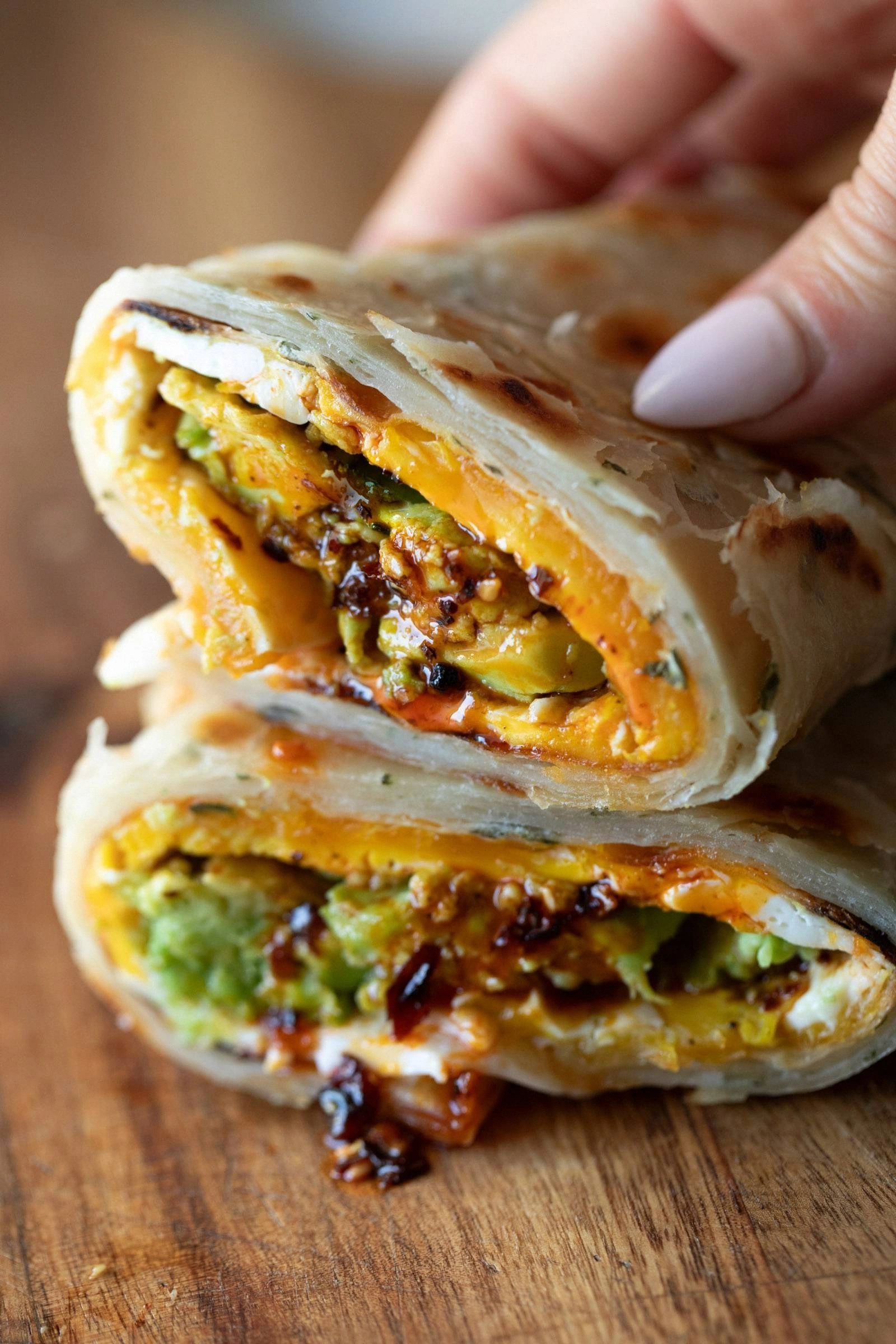
Picture this: a skillet sizzling, the sound like a tiny fireworks show, the aroma of fresh scallions mingling with the earthy scent of toasted dough, and a buttery sheen that catches the light like a sunrise on a calm sea. The pancake itself is a paradox—soft and pillowy in the middle, yet crackly and buttery on the outside, while the egg perched on top adds silkiness that drapes over the whole thing like a warm blanket. When you slice through, the steam rises in a fragrant cloud, and the first bite delivers a crunch that shatters like thin ice, followed by a buttery melt that makes you wonder if you’ve just discovered a new form of culinary nirvana.
Most recipes get this completely wrong. They either over‑mix the dough, turning it into a rubbery mess, or they under‑season, leaving you with a bland canvas. My version stands out because I treat the dough like a piece of high‑end fabric—folded, rested, and rolled with precision, then layered with scallions that have been lightly salted to draw out their natural sweetness. I also add a secret splash of soy‑infused oil that caramelizes the scallions just enough to bring out a whisper of umami. The result? A pancake that sings on the palate, with layers of flavor that build like a perfectly orchestrated symphony.
But wait—there’s a twist you won’t see in any other recipe. I incorporate a thin layer of beaten egg into the dough itself before the final roll, which gives the pancake an internal silkiness that you’ll never find in a regular flatbread. This technique is the game‑changer that turns a simple side dish into the star of any brunch, lunch, or even late‑night snack. Let me walk you through every single step — by the end, you’ll wonder how you ever made it any other way.
What Makes This Version Stand Out
- Flavor Explosion: The combination of caramelized scallions and a soy‑infused oil creates a depth that feels like a savory hug for your mouth.
- Texture Contrast: Crispy, buttery edges give way to a fluffy, pillowy interior, delivering a satisfying crunch‑to‑soft ratio.
- Simplicity: Only pantry staples are needed, yet the technique feels like a chef’s secret weapon.
- Unique Egg Integration: Folding a thin layer of beaten egg into the dough adds an internal silkiness you won’t find elsewhere.
- Crowd Reaction: Guests invariably ask for seconds, and the “I dare you to eat just one” challenge becomes a party staple.
- Ingredient Quality: Using fresh scallions and high‑quality oil makes a measurable difference in flavor and aroma.
- Cooking Method: The pan‑sear technique locks in moisture while creating that coveted golden crust.
- Make‑Ahead Potential: The dough can rest for up to an hour, giving you flexibility for busy mornings.
Inside the Ingredient List
The Flavor Base
Scallions are the heart of this dish. Their mild, oniony bite provides a fresh, slightly sweet flavor that brightens the whole pancake. If you skip them, you lose that aromatic lift and end up with a flat, one‑dimensional taste. For the best result, choose scallions with bright green tops and white bases; the contrast in color also makes the final pancake more visually appealing. A quick tip: give them a light sprinkle of sea salt and let them sit for five minutes—this draws out moisture and intensifies their natural sweetness.
The Texture Crew
All‑purpose flour is the backbone of the dough, providing structure while still allowing flexibility. Using bread flour will make the pancake too chewy, whereas cake flour will make it crumbly—stick with all‑purpose for that perfect balance. Water is the liquid that hydrates the flour, and the temperature matters; lukewarm water (around 95°F) activates the gluten just enough without over‑developing it. If you’re out of vegetable oil, you can substitute with melted butter, but expect a richer flavor and a slightly denser crust.
The Unexpected Star
A splash of soy‑infused oil adds a subtle umami depth that you wouldn’t get from plain oil. It caramelizes the scallions during the pan‑sear, creating a glossy, slightly sweet coating that clings to the dough like a lover’s embrace. If you’re avoiding soy, a drizzle of toasted sesame oil works beautifully, delivering a nutty aroma that pairs well with the egg.
The Final Flourish
Eggs are the finishing touch, providing richness and a silky texture that makes each bite feel luxurious. I love using large free‑range eggs because the yolk color signals quality, and the flavor is richer. If you’re vegan, a mixture of chickpea flour and water can mimic the binding power of eggs, though the texture will be a touch different.
Everything's prepped? Good. Let's get into the real action…
The Method — Step by Step
In a large mixing bowl, combine 2 cups of all‑purpose flour with 1 teaspoon of salt. Stir with a wooden spoon until evenly distributed. Add ¾ cup lukewarm water gradually, mixing until a shaggy dough forms. This is the moment of truth: the dough should feel slightly tacky but not sticky. Tip: If it feels too dry, splash in a tablespoon more water; if too wet, dust with a little extra flour.
Knead the dough on a lightly floured surface for about 4 minutes, just until it becomes smooth and elastic. You’re looking for a texture that’s supple, like a well‑conditioned piece of dough that springs back when pressed. That sizzle when it hits the pan? Absolute perfection. Cover the dough with a damp towel and let it rest for 30 minutes; this relaxation step is a kitchen hack that prevents tearing later on.
Kitchen Hack: Place the dough in a zip‑top bag and gently press out excess air before resting; this keeps the dough airtight and speeds up gluten relaxation.While the dough rests, whisk together 2 large eggs with a pinch of pepper and a splash of soy‑infused oil. This mixture will be brushed onto the dough later, creating a buttery, eggy interior. Set aside.
After resting, roll the dough into a rectangle about ¼ inch thick. Brush the surface lightly with the beaten egg mixture, then sprinkle a generous handful of finely sliced scallions (about ½ cup). The scallions should be evenly dispersed; clumps will cause uneven cooking.
Fold the rectangle into thirds, like a business letter, then roll it out again into a thin oval about ¼ inch thick. This lamination process creates distinct layers that puff up during cooking, giving you those coveted flaky edges. If the dough resists, let it rest for another 10 minutes; patience is key.
Heat a non‑stick skillet over medium‑high heat and add a tablespoon of oil. The oil should shimmer, not smoke. Place the rolled pancake into the pan; you’ll hear an immediate sizzle that signals the Maillard reaction is kicking in. Cook for 2–3 minutes on the first side until the underside is a deep golden brown, then flip carefully.
Watch Out: If the heat is too high, the pancake will burn before the interior cooks; adjust to medium‑high if you see black specks forming.While the second side cooks, crack 2 fresh eggs onto the pancake, spacing them evenly. The egg whites should spread slightly but remain distinct. Sprinkle a pinch of salt and a dash of pepper over the top. Let the eggs set for about 2 minutes, then cover the pan with a lid for an additional minute to ensure the yolks are just set but still runny.
Once the eggs have reached your preferred doneness, slide the pancake onto a cutting board. Let it rest for a minute; this allows the steam to finish cooking the interior and keeps the pancake from tearing when sliced. Slice into wedges, drizzle with a final drizzle of soy‑infused oil, and serve immediately while the edges are still crisp.
Finally, gather your friends or family, present the golden wedges, and watch their eyes widen. I dare you to taste this and not go back for seconds; the combination of crunchy scallion‑infused crust and silky egg is practically addictive. And now the fun part—pair it with a simple soy‑ginger dipping sauce or enjoy it plain, because honestly, it’s already a masterpiece.
Insider Tricks for Flawless Results
The Temperature Rule Nobody Follows
Most home cooks crank the heat up to get a quick crust, but that burns the scallions before the dough can properly set. Keep the pan at a steady medium‑high (around 350°F) and watch the edges start to pull away from the pan—this is your cue to flip. A friend once tried high heat and ended up with a pancake that resembled charcoal; let’s just say the taste was unforgettable for all the wrong reasons.
Why Your Nose Knows Best
The aroma is your most reliable indicator of doneness. When the scallions begin to caramelize, you’ll smell a sweet, slightly nutty perfume. If you catch that scent early, the pancake is ready to flip. Trusting your nose beats any timer, especially when you’re juggling multiple pans.
The 5‑Minute Rest That Changes Everything
After rolling the dough the first time, let it rest for five minutes before the second roll. This short pause relaxes the gluten fibers, making the dough more pliable and preventing tears. I’ve seen beginners try to roll it straight through and end up with ragged edges that never achieve that perfect puff.
Egg‑In‑Dough Fusion
Brushing the dough with a thin layer of beaten egg before adding scallions creates an internal silkiness that’s impossible to achieve with a plain dough. It also helps the scallions stick, ensuring every bite is evenly flavored. If you skip this step, you’ll notice a dry gap between the pancake and the egg topping.
The Final Drizzle Secret
A final drizzle of soy‑infused oil right before serving adds a glossy finish and a burst of umami that lifts the whole dish. Use a light hand—just enough to coat the surface without making it greasy. This subtle touch is the difference between “good” and “hands down the best version you’ll ever make at home.”
Creative Twists and Variations
This recipe is a playground. Here are some of my favorite ways to switch things up:
Spicy Sriracha Swirl
Mix a tablespoon of sriracha into the beaten egg before brushing the dough. The heat seeps into the layers, creating a gentle kick that pairs perfectly with the scallion sweetness. Ideal for those who love a little fire in their breakfast.
Cheese‑Lover’s Delight
Add a thin layer of shredded mozzarella or cheddar after the scallions, then fold and roll as usual. As the pancake cooks, the cheese melts into gooey pockets, offering a rich, indulgent texture. Great for kids and cheese addicts alike.
Herb‑Infused Green
Blend fresh cilantro, parsley, and a splash of lime juice into the egg mixture. This herbaceous twist brightens the dish, making it feel like a spring garden on a plate. It’s especially refreshing on a warm summer morning.
Mushroom Medley
Sauté a handful of shiitake or button mushrooms with a pinch of soy sauce, then fold them into the pancake before the final roll. The earthy mushrooms add depth and a meaty bite, turning the dish into a hearty brunch centerpiece.
Sweet & Savory Fusion
Sprinkle a light dusting of brown sugar and a pinch of cinnamon over the scallions before rolling. The caramelized sweetness mingles with the savory base, creating a surprising yet delightful flavor contrast that’s perfect for a weekend treat.
Vegan Victory
Replace the eggs with a chickpea‑flour “egg” batter (1 cup chickpea flour, 1 cup water, pinch of turmeric). Use a plant‑based oil and add nutritional yeast for a cheesy note. The texture remains satisfying, and the flavor stays true to the original.
Storing and Bringing It Back to Life
Fridge Storage
Place cooled pancake wedges in an airtight container and store in the refrigerator for up to three days. To keep them from drying out, line the container with a damp paper towel before sealing. When reheating, add a tiny splash of water to the pan to create steam and restore that original fluffiness.
Freezer Friendly
Separate the wedges with parchment paper, then freeze in a zip‑top bag for up to two months. This method prevents them from sticking together, making it easy to grab a single portion. Reheat directly from frozen in a skillet over medium heat, adding a few drops of oil and a splash of water.
Best Reheating Method
The skillet reigns supreme. Heat a non‑stick pan over medium heat, add a teaspoon of oil, and place the pancake slice in. Cover with a lid for one minute, then uncover and let the edges crisp up for another minute. The result is a reheated pancake that tastes almost as fresh as the day it was made.